The Norwich Terrier, often described as a “small dog with a big personality,” is a breed brimming with character and history. These compact canines, originating from the British Isles, have captured the hearts of dog lovers worldwide. But what exactly makes a Norwich Terrier a Norwich Terrier? This comprehensive guide delves into every facet of this delightful breed, from its origins and physical traits to its behavioral quirks and care requirements.
A Glimpse into History
The story of the Norwich Terrier begins in Norfolk, England, during the late 19th and early 20th centuries. These little terriers were initially bred as ratters, working alongside farmers to control rodent populations on their land. They were also popular with students at Cambridge University, who kept them as companions and for ratting competitions in the university’s cellars. The breed’s early ancestors included Norwich and Norfolk Terriers, but after World War II, breeders aimed for a more standardized appearance, resulting in the distinct Norwich Terrier we know today. The American Kennel Club officially recognized the Norwich Terrier in 1935.
Physical Characteristics
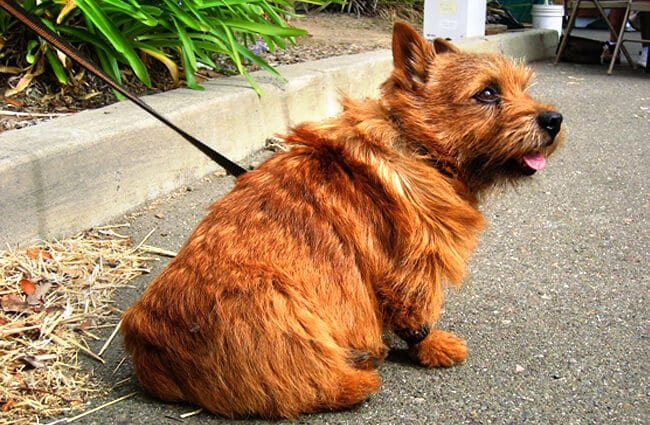
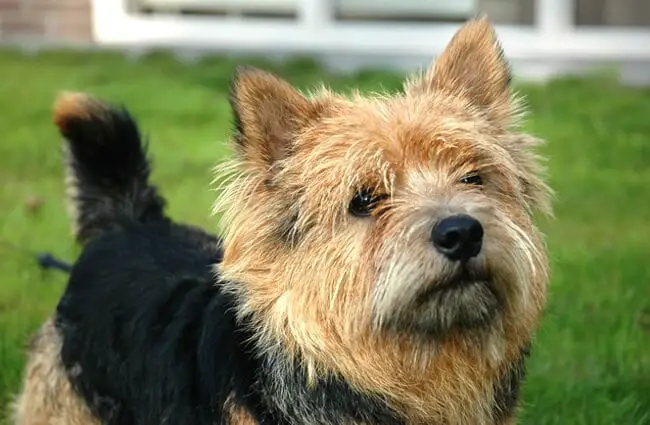
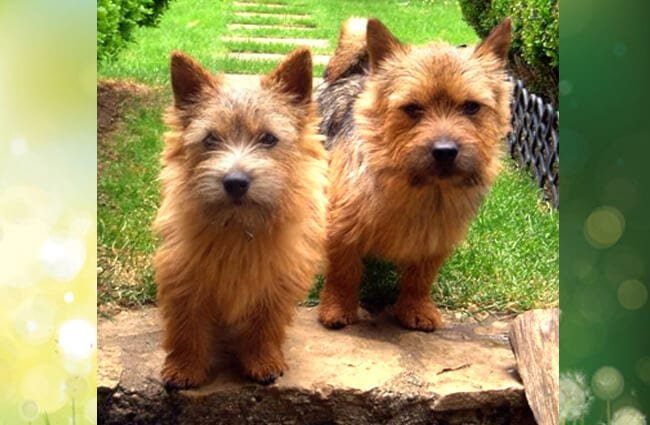
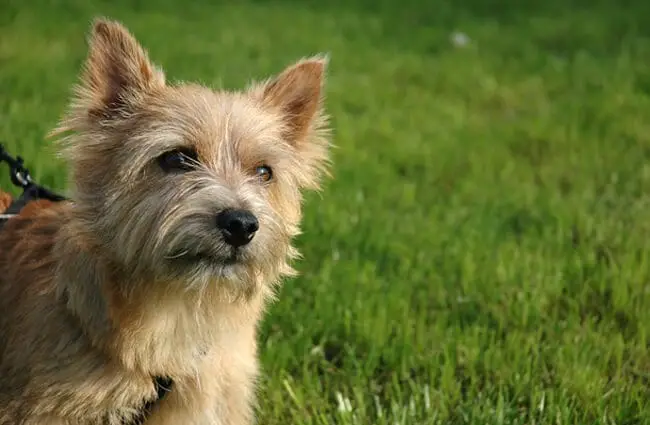
Norwich Terriers are small, sturdy dogs with a compact build. Typically, they stand between 9 and 11 inches tall and weigh between 11 and 16 pounds. Their coat is hard, wiry, and water‑resistant, providing protection from the elements. Common coat colors include red, wheaten, or black and tan. A distinctive feature is their V‑shaped ears, which are erect and point forward. Their tail is traditionally docked, though this practice is becoming less common. They possess a well‑proportioned head with a slightly arched skull and a dark, intelligent expression.
Grooming Needs
While their coat is relatively low‑shedding, Norwich Terriers do require regular grooming. Weekly brushing helps to remove loose hair and prevent matting. To maintain the texture and appearance of their coat, hand stripping is recommended a few times a year. This involves plucking out dead hairs, which encourages new, healthy growth. Regular nail trimming, ear cleaning, and dental care are also essential for maintaining overall health and hygiene.
Temperament and Behavior
Norwich Terriers are known for their cheerful, affectionate, and courageous personalities. They are playful and energetic, always up for a game or a walk. However, they also have a stubborn streak, which can make training challenging. Early socialization and consistent, positive reinforcement are crucial for developing a well‑behaved and confident dog. They are alert and can be vocal, making them good watchdogs, but this can also lead to excessive barking if not managed properly.

Suitability for Families
Norwich Terriers generally make excellent family pets. They are affectionate with children, but it’s important to supervise interactions, especially with very young children, to ensure both the dog and the child are safe and respectful of each other. They can also coexist peacefully with other dogs and cats, particularly if they are raised together from a young age. However, their terrier instincts may lead them to chase smaller pets, so caution is advised.
Care Requirements
Providing a happy and healthy life for a Norwich Terrier requires attention to several key areas.
Exercise
Despite their small size, Norwich Terriers are surprisingly energetic. They need at least 30 to 60 minutes of daily exercise, which can include walks, playtime, or interactive games. Providing plenty of mental stimulation, such as puzzle toys or training sessions, is also important to prevent boredom and destructive behavior.
Diet
A high‑quality, balanced diet is essential for maintaining optimal health. Choose a dog food formulated for small breeds and adjust the portion size based on your dog’s age, activity level, and metabolism. Avoid feeding them table scraps or human food, as this can lead to weight gain and digestive issues.
Training
Norwich Terriers are intelligent but can be independent and stubborn, making training a challenge. Start training early, using positive reinforcement methods such as treats, praise, and toys. Consistency and patience are key. Focus on basic obedience commands such as sit, stay, come, and leave it. Socialization is equally important, exposing your dog to various people, places, and situations to help them develop into a well‑adjusted adult.
Health Considerations
While generally a healthy breed, Norwich Terriers are prone to certain health conditions. These include:
- Patellar Luxation: A condition where the kneecap dislocates.
- Hip Dysplasia: A malformation of the hip joint.
- Eye Problems: Such as cataracts and glaucoma.
- Allergies: Both food and environmental allergies are common.
Regular veterinary checkups and preventative care can help detect and manage these conditions early on.
Is a Norwich Terrier Right for You?
The Norwich Terrier is a delightful companion for the right owner. They are energetic, affectionate, and full of personality. However, they require consistent training, regular exercise, and attention to grooming. If you are looking for a small dog with a big heart and are willing to provide the necessary care and commitment, a Norwich Terrier may be the perfect addition to your family. Their playful spirit and unwavering loyalty will bring joy and companionship for many years to come.

![Closeup of a beautiful Red Angus cowPhoto by: U.S. Department of Agriculture [pubic domain]https://creativecommons.org/licenses/by/2.0/](https://animals.net/wp-content/uploads/2020/03/Red-Angus-4-100x75.jpg "Red Angus")