A Comprehensive Guide to the Norwegian Buhund
The Norwegian Buhund is a spitz-type dog originating from Norway, possessing a rich history as a versatile farm dog and companion. Often described as energetic, intelligent, and adaptable, this breed offers a compelling subject of study for zoologists, animal enthusiasts, and prospective owners alike. This guide delves into the various facets of the Norwegian Buhund, from its evolutionary roots and ecological role to its unique behaviors and interaction with humans.
Origins and Evolution
The Norwegian Buhund’s lineage traces back over a thousand years, intertwined with the agricultural history of Norway. As a member of the spitz family, it shares ancestry with other northern breeds such as the Finnish Spitz and Swedish Vallhund. Archaeological evidence suggests that dogs resembling the Buhund accompanied Vikings on their expeditions, serving as versatile working dogs, guarding livestock, and alerting to approaching danger. Historically, the Buhund was a crucial component of Norwegian farms, utilized not just for herding but also for hunting small game, protecting property, and providing companionship. The breed nearly faced extinction in the twentieth century due to changing agricultural practices and the popularity of other breeds, but dedicated breeders worked to preserve this valuable piece of Norwegian heritage.
Habitat and Distribution
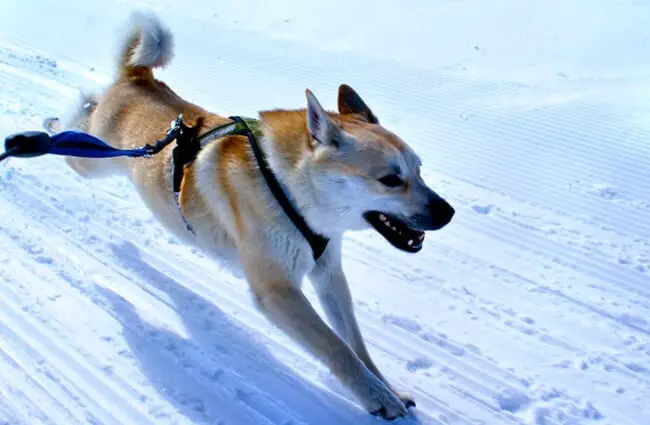
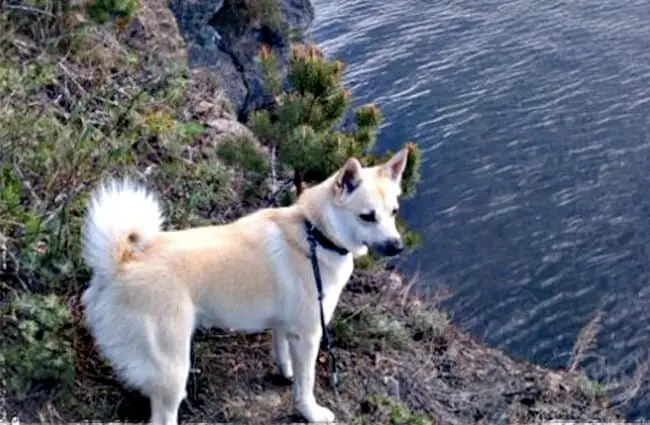
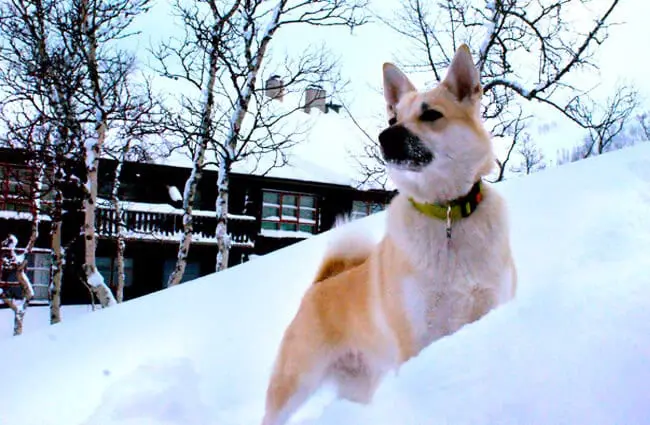
Traditionally, the Norwegian Buhund inhabited the rural landscapes of Norway, thriving in the varied terrain from coastal regions to mountainous interiors. Their double coat provided excellent insulation against the harsh Scandinavian climate. While still primarily found in Norway, the breed has gained popularity internationally, establishing populations in countries like the United States, Canada, and throughout Europe. They demonstrate adaptability to diverse environments, though they still benefit from access to outdoor space and opportunities for exercise.
Diet and Hunting Behavior
In the wild or on farms, the Norwegian Buhund’s diet historically consisted of whatever was available—small mammals, birds, fish, and scraps from the farm. They are opportunistic omnivores. As hunters, they utilize their agility and stamina to pursue prey. Their keen senses, particularly smell and hearing, aid in locating game. Today, as domesticated pets, their nutritional needs are met through commercially available dog food, ideally a high-quality formula appropriate for their age and activity level. Supplementing with occasional protein sources like cooked meat can also be beneficial. It’s important to monitor their food intake to prevent obesity, as they are prone to weight gain.
Social Structure and Behavior
Norwegian Buhunds are naturally social animals, historically living and working in close proximity to both humans and other animals on farms. They typically form strong bonds with their families and can be quite protective. Within a group of Buhunds, a subtle hierarchy usually develops, although it isn’t typically aggressive. They communicate through a range of vocalizations, including barking, yodeling, and whining, as well as body language. Early socialization is vital to ensure they are well‑adjusted and comfortable around strangers and other animals.
Reproduction and Life Cycle
Norwegian Buhunds typically reach sexual maturity between one and two years of age. The estrous cycle in females occurs approximately twice a year. Gestation lasts around 63 days, resulting in a litter size of typically four to six puppies. Puppies are born blind and deaf, relying entirely on their mother for care. They begin to explore their surroundings and develop their motor skills within a few weeks. Weaning occurs around six to eight weeks, and puppies require continued socialization and training during their formative months. The average lifespan of a Norwegian Buhund is 12 to 15 years.
Ecological Role and Interactions
Historically, Norwegian Buhunds played a role in controlling populations of small rodents and other pests on farms. Their herding instincts helped manage livestock, preventing overgrazing and maintaining the health of grasslands. As predators of small game, they contributed to the balance of local ecosystems. Today, as primarily companion animals, their direct ecological impact is limited, though responsible pet ownership practices such as proper waste disposal and preventing roaming can minimize any negative effects. Their interactions with other animals are generally positive, especially with those they’ve been socialized with from a young age. However, their herding instincts may lead them to chase or nip at heels, so caution is advised around smaller animals.
Human‑Animal Bond and Cultural Significance
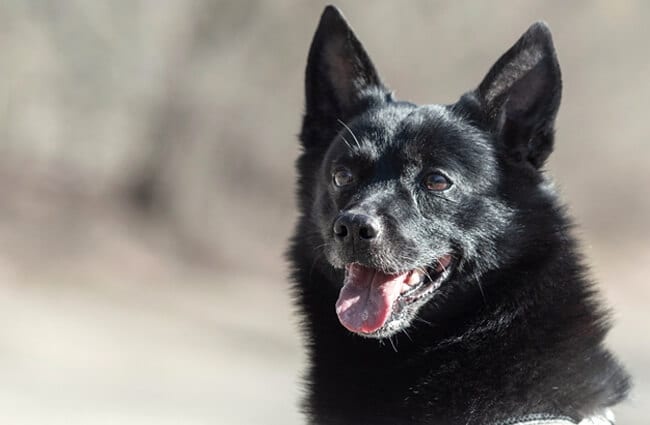
Throughout Norwegian history, the Buhund held a special place in rural communities, valued not only for their working abilities but also for their companionship. They were often depicted in folklore and art, representing loyalty, intelligence, and resilience. Today, the breed continues to be cherished as a family pet, known for its playful personality, affectionate nature, and unwavering loyalty. They excel in canine sports such as agility, obedience, and herding, demonstrating their intelligence and trainability. Responsible breeders and breed enthusiasts actively work to preserve the breed’s genetic diversity and promote its unique characteristics.
Encountering a Norwegian Buhund in the Wild
While increasingly rare, encountering a Norwegian Buhund in a truly wild setting is possible, particularly in rural areas of Norway. If you encounter one, it’s best to observe from a distance and avoid a direct approach. The dog may be working livestock or simply exploring. Avoid startling it with loud noises or sudden movements. If the dog appears lost or distressed, contact local animal control or authorities. Never attempt to handle or restrain the dog yourself.
Caring for a Norwegian Buhund in Captivity (Zookeeping/Rescue)
For zookeepers or rescue facilities caring for a Norwegian Buhund, providing ample mental and physical stimulation is crucial. This breed requires significant exercise and thrives on having a job to do. Puzzle toys, scent work, and regular training sessions can help prevent boredom and destructive behaviors. Their double coat requires regular brushing to prevent matting and shedding. Provide a comfortable and secure enclosure with access to both indoor and outdoor spaces. A balanced diet appropriate for their age and activity level is essential. Monitor for any signs of illness or injury and provide prompt veterinary care.
Fun Facts
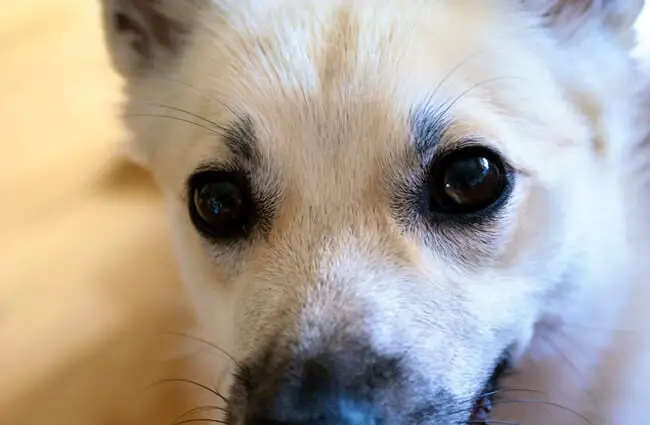
- Norwegian Buhunds are known for their distinctive “smile,” created by the upturned corners of their mouth.
- They are excellent climbers and can often be found perched on fences or sheds.
- Buhunds are highly vocal and enjoy “talking” to their owners.
- They have a naturally high energy level and require consistent exercise.
- The breed is relatively rare outside of Norway, making them a unique and sought‑after companion.
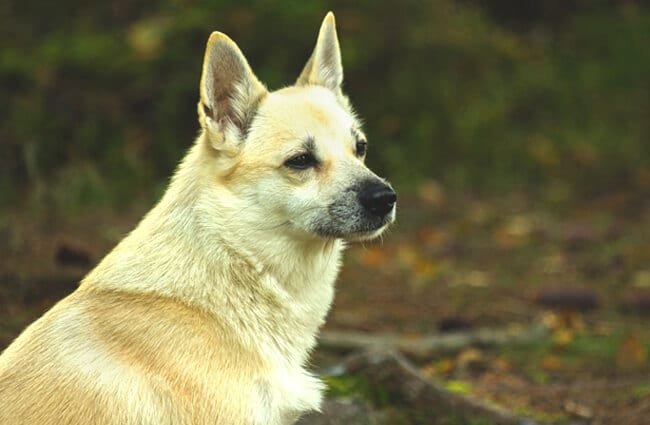
The Norwegian Buhund is a remarkable breed, rich in history, intelligence, and personality. Whether admired in the field, as a devoted companion, or studied by zoologists, this versatile dog continues to captivate and inspire. Their enduring spirit and adaptability ensure that the Norwegian Buhund will remain a cherished part of both Norwegian culture and the global canine community for generations to come.


![Closeup of a beautiful Red Angus cowPhoto by: U.S. Department of Agriculture [pubic domain]https://creativecommons.org/licenses/by/2.0/](https://animals.net/wp-content/uploads/2020/03/Red-Angus-4-100x75.jpg "Red Angus")