Masters of the Night Sky: A Comprehensive Look at Nighthawks
The Common Nighthawk, a captivating bird often mistaken for its nocturnal cousins, is a fascinating study in avian adaptation. These aerial acrobats are more than just beautifully camouflaged birds; they are integral components of their ecosystems and hold a unique place in both natural history and human culture. This guide delves into the world of nighthawks, covering their biology, behavior, and ecological role, offering insights for students, animal lovers, and aspiring zoologists alike.
What Exactly Is a Nighthawk?
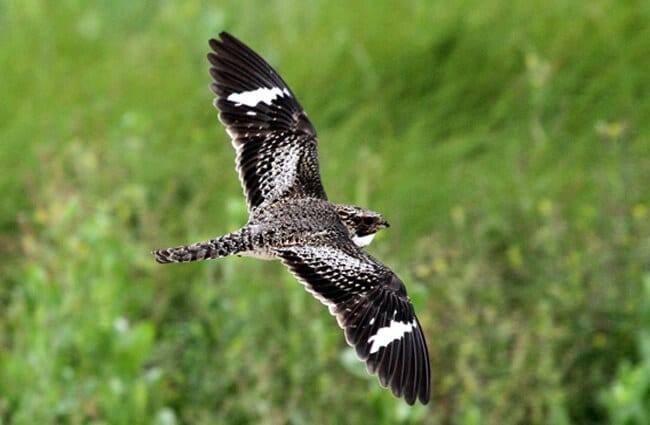
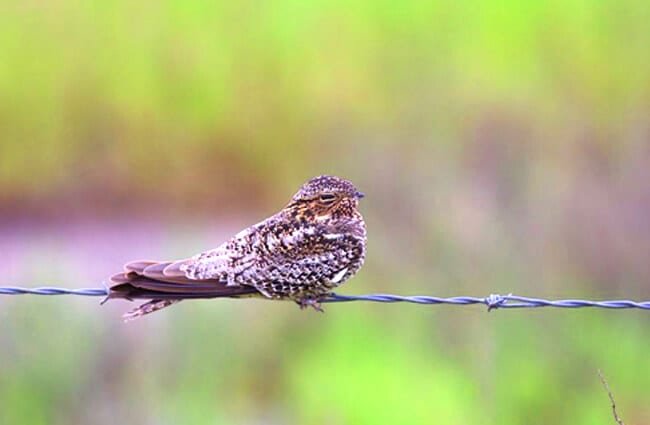
Nighthawks belong to the family Caprimulgidae, a group known as nightjars. Despite the name, they aren’t closely related to hawks. The “hawk” moniker is a misnomer stemming from their somewhat hawk‑like appearance and aerial hunting style. They are more closely related to swifts and hummingbirds, sharing a similar lifestyle focused on capturing insects in flight. Several species exist, but the Common Nighthawk Chordeiles minor is the most widespread, found throughout North and Central America.
Habitat and Distribution
Common Nighthawks demonstrate remarkable adaptability, inhabiting a diverse range of environments. They thrive in open woodlands, grasslands, prairies, and even urban areas. They prefer locations with a mix of open space for foraging and suitable nesting sites. Historically, they relied heavily on recently burned areas, as fire creates the open, sparsely vegetated landscapes ideal for both foraging and nesting. However, they’ve adapted to utilize rooftops, flat surfaces, and gravel beds in urban and suburban settings. Their range extends from Alaska and Canada down to the southern United States and Central America. Migratory populations breed in northern regions and winter in the warmer climates of the south.
Evolutionary History
The evolutionary history of nighthawks is rooted in the ancient avian order Apodiformes, which includes swifts, hummingbirds, and nightjars. Fossil evidence suggests that the ancestors of modern nighthawks were aerial insectivores that thrived in forested environments. Over millions of years, they developed specialized adaptations for aerial hunting, including a wide gape, long wings, and sensitive bristles around the mouth to detect insects in flight. The ability to thrive in open habitats likely evolved more recently, as forests gave way to grasslands and prairies. Their adaptability has allowed them to colonize a wide range of habitats, and continue to evolve in response to changing environmental conditions.
Diet and Foraging Behavior
Nighthawks are strict insectivores, feeding exclusively on flying insects. Their diet primarily consists of moths, beetles, flies, and other nocturnal insects. They are crepuscular hunters, most active during dawn and dusk. Their foraging strategy is unique and visually stunning. They fly with their mouths open, capturing insects directly into their gape. They often feed in large flocks, creating a mesmerizing aerial display. The wide gape and specialized tongue assist in scooping up insects mid‑flight. They can consume a significant number of insects each night, playing an important role in controlling insect populations.
Reproduction and Life Cycle
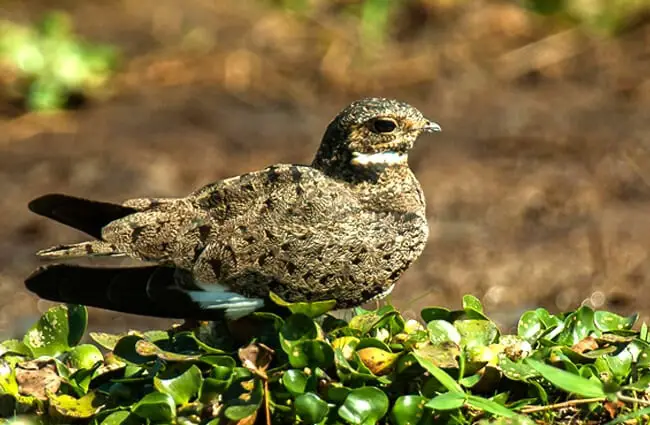
Nighthawks do not build traditional nests. Instead, they lay their eggs directly on the ground, often on bare soil, gravel, or even rooftops. They typically lay two eggs, which are camouflaged to blend in with the surrounding substrate. Both parents share incubation duties, lasting around 19 to 21 days. The chicks are precocial, meaning they are relatively well‑developed at hatching and covered in down. They are initially helpless but develop quickly, learning to fly within three to four weeks. Young nighthawks remain dependent on their parents for several weeks after fledging, learning essential foraging skills. They reach sexual maturity in their second year.
Ecological Role and Interactions
Nighthawks are an integral part of their ecosystems. As aerial insectivores, they play a vital role in controlling insect populations, benefiting agriculture and human health. They also serve as prey for larger birds of prey, such as falcons and hawks, and occasionally mammals. Their presence or absence can serve as an indicator of ecosystem health. Declines in nighthawk populations may signal environmental changes, such as habitat loss, pesticide use, or declines in insect abundance. They often forage alongside other aerial insectivores, like swallows and chimney swifts, creating complex ecological interactions.
Nighthawks and Human Culture
Nighthawks have long been a part of human culture. Native American tribes often associated them with spiritual significance, incorporating them into their stories and ceremonies. Their distinctive vocalizations, a nasal “peent” sound, are well‑known to those who live in areas where they are common. These calls are often heard during courtship displays. The birds are also admired for their graceful flight and aerial acrobatics. However, as human populations have grown and habitats have been altered, nighthawks have faced increasing challenges.
Encountering Nighthawks: What to Do
If you encounter a nighthawk, observe it from a distance. They are generally not aggressive and will likely fly away if disturbed. If you find a grounded bird, it may be injured or ill. Contact a local wildlife rehabilitator for assistance. Do not attempt to handle the bird yourself. Nighthawks are protected under the Migratory Bird Treaty Act, making it illegal to harm or harass them.
Nighthawks in Captivity
Keeping nighthawks in captivity is challenging and not generally recommended. They require a large flight space and a consistent supply of flying insects. Their diet is difficult to replicate in captivity. If a nighthawk is in captivity due to injury, it should be housed in a spacious enclosure with opportunities for flight. The diet should consist of live insects, such as moths and beetles. Enrichment should include opportunities for foraging and aerial displays. It is vital to provide a quiet and undisturbed environment to minimize stress.
Interesting Facts about Nighthawks
- Nighthawks can enter a state of torpor, slowing their metabolism to conserve energy during cold weather or periods of food scarcity.
- Their feet are relatively weak, making them poor walkers. They spend most of their time in the air or perched horizontally on branches.
- Nighthawks have excellent night vision, allowing them to hunt effectively in low‑light conditions.
- They can fly at speeds of up to 60 miles per hour.
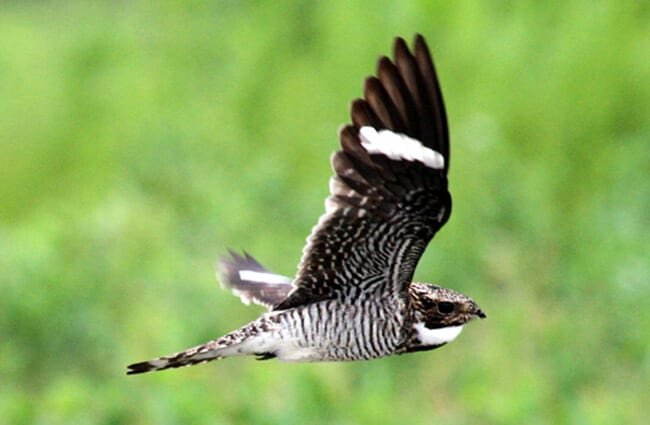
- The white band on their wings is a key identifying feature.
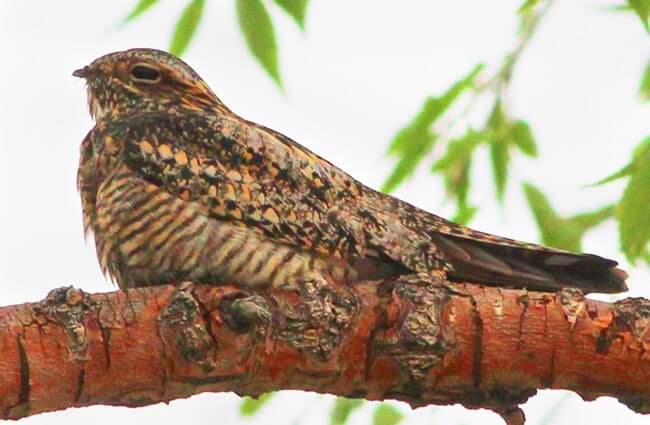
- Their camouflage is so effective that they can blend in seamlessly with the bark of trees or the gravel on rooftops.
A Future with Nighthawks
Nighthawks are fascinating birds that play an important role in our ecosystems. By understanding their biology, behavior, and ecological needs, we can work to protect them and ensure their survival for generations to come. Conservation efforts should focus on habitat preservation, reducing pesticide use, and promoting sustainable land management practices. The continued presence of these aerial masters will enrich our natural world.
![Closeup of a beautiful Red Angus cowPhoto by: U.S. Department of Agriculture [pubic domain]https://creativecommons.org/licenses/by/2.0/](https://animals.net/wp-content/uploads/2020/03/Red-Angus-4-238x178.jpg "Red Angus")
![Closeup of a beautiful Red Angus cowPhoto by: U.S. Department of Agriculture [pubic domain]https://creativecommons.org/licenses/by/2.0/](https://animals.net/wp-content/uploads/2020/03/Red-Angus-4-100x75.jpg "Red Angus")