Newts are a fascinating group of amphibians that are sometimes mistakenly thought of as lizards because of their semi‑aquatic habits and sleek bodies. They have a rich evolutionary history, a unique life cycle, and play essential roles in the ecosystems where they live. This guide explores their biology, behavior, habitats, and interactions with both the natural world and humans.
What is a Newt?
Newts belong to the family Salamandridae, the largest group within salamanders. They are characterized by rough, granular skin and the ability to return to water for breeding. Unlike many other salamanders, newts go through a distinct life cycle that includes an aquatic larval stage, a terrestrial juvenile stage (eft), and then return to water as adults. This metamorphosis is a defining feature of newts.
Physical Characteristics
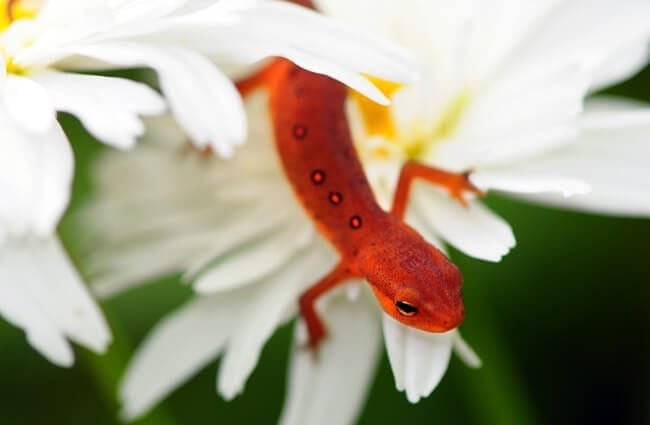
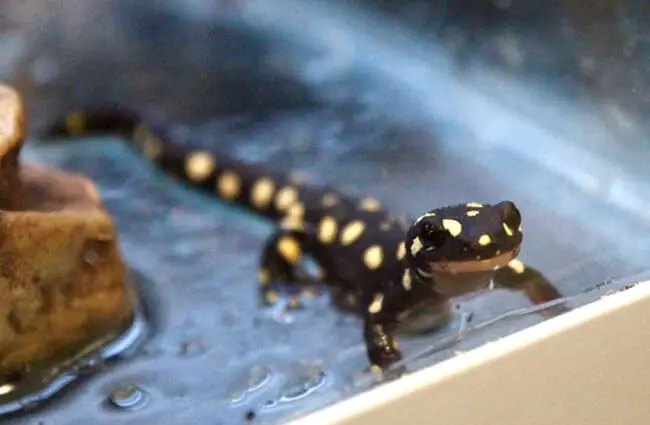
Newts range from about 3 to 7 inches in length, though some species can be larger. Their bodies are slender and streamlined, perfect for swimming. The skin is usually granular, which helps with grip and moisture retention. Coloration varies widely, from vibrant reds and oranges to muted browns and greens. These colors often serve as warning signals of the newt’s toxicity, a powerful defense mechanism.
Habitat and Distribution
Newts thrive in a variety of moist environments such as forests, grasslands, ponds, streams, and lakes. They prefer habitats with plenty of vegetation and shelter. Specific habitat needs differ by species and life stage. For example, breeding adults need still or slow‑moving water to lay eggs and raise larvae, while terrestrial juveniles (efts) favor damp woodlands with leaf litter and decaying logs.
Geographic Distribution
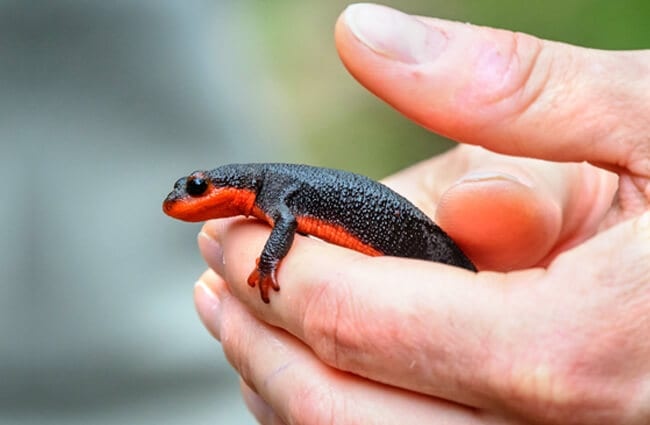
Newts are primarily found in temperate regions of North America, Europe, and Asia. The eastern newt Notophthalmus viridescens is common in eastern North America, while the smooth newt Lissotriton vulgaris is widespread across Europe. Some species are endemic to particular areas, such as the California newt Taricha torosa, found only in California and Oregon.
Diet and Feeding Habits
Newts are carnivorous predators that feed on a variety of small invertebrates. Their diet includes insects, worms, snails, slugs, crustaceans, and sometimes small fish. They use suction to draw prey into their mouths. Newts lack teeth, relying on sticky tongues and powerful jaws to capture and consume their meals.
Aquatic vs. Terrestrial Diet
Diet varies with life stage and habitat. Aquatic larvae and adults primarily eat aquatic invertebrates such as mosquito larvae, daphnia, and dragonfly nymphs. Terrestrial juveniles (efts) consume earthworms, insects, and slugs, often foraging in damp leaf litter and under decaying logs.
Life Cycle and Reproduction
Newts have a complex life cycle that includes distinct aquatic and terrestrial stages. Reproduction typically begins in early spring. Male newts perform elaborate displays to attract females, including tail fanning, waggle dances, and pheromone release.
Courtship and Mating Rituals
During courtship, males may fan their tails and engage in prolonged chases to impress females. When a female is receptive, the male deposits a spermatophore—a packet of sperm—on the substrate. The female then collects the spermatophore with her cloaca, fertilizing the eggs.
Egg Laying and Larval Development
Females lay eggs individually or in small clusters, attaching them to aquatic vegetation. The eggs are translucent and gelatinous. Upon hatching, the larvae resemble small fish, with external gills and a flattened tail. They feed on microscopic invertebrates and gradually develop into juvenile newts.
The ‘Eft’ Stage
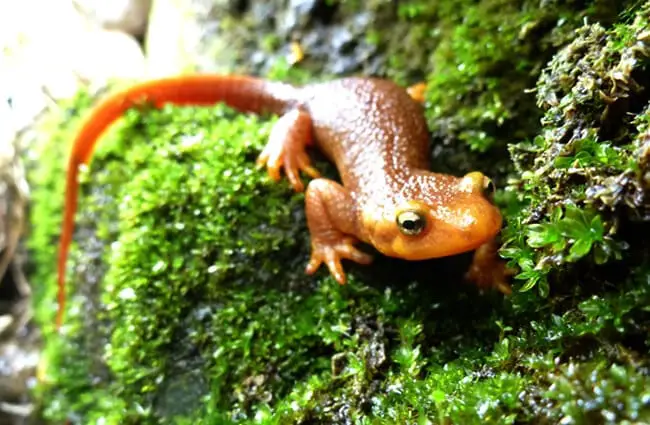
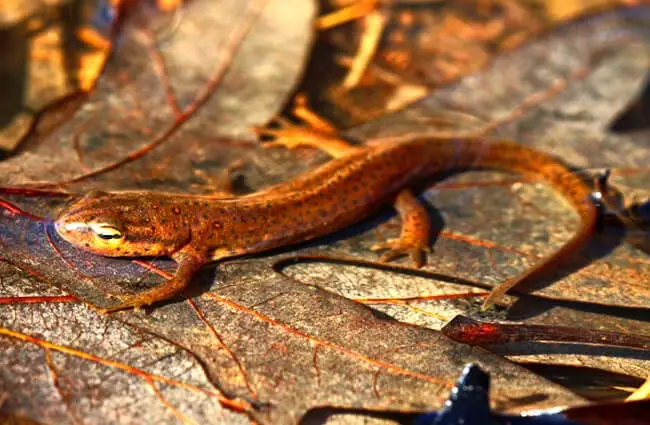
After several months in the water, larvae metamorphose into terrestrial juveniles known as efts. Efts are bright orange or reddish and have rough, granular skin. They spend one to three years on land, foraging for insects and worms before returning to water to breed.
Ecological Role and Interactions
Newts help maintain ecosystem health. As predators, they control invertebrate populations, contributing to balanced food webs. They also serve as prey for larger animals such as birds, snakes, and mammals.
Newts as Indicators of Environmental Health
Newts are sensitive to pollution and habitat loss. Declining populations often signal broader ecological problems. Monitoring newts can provide valuable insights into the health of aquatic and terrestrial habitats.
Interactions with Other Species
Newts compete with other amphibians for food and shelter. They are also vulnerable to parasites, diseases, and occasionally predation by larger amphibians, frogs, and snakes.
Newts and Humans
Newts have a long history of interaction with humans, featuring in folklore, mythology, art, and even traditional medicine. Today, their populations face increasing threats from habitat loss, pollution, and climate change.
Conservation Status and Threats
Many newt species are listed as threatened or endangered. Urbanization and agriculture cause habitat loss. Pesticides, fertilizers, and industrial waste add to pollution risks. Climate change leads to more frequent droughts, floods, and temperature extremes, further stressing newt populations.
Responsible Interaction with Newts
If you encounter a newt in the wild, observe it from a distance and avoid disturbing its habitat. Never handle a newt, as its skin secretes a mildly toxic substance. If you find an injured or distressed newt, contact a local wildlife rehabilitation center for assistance.
Interesting Facts About Newts
- Newts can regenerate lost limbs, tails, and even parts of their brains.
- Some newt species are highly toxic, containing enough neurotoxin in their skin to kill an adult human.
- Newts can breathe through their skin, lungs, and gills.
- Newts have a remarkable ability to navigate and return to their breeding ponds year after year.
- Newts can live for over 20 years in the wild.
In conclusion, newts are extraordinary amphibians with a rich evolutionary past and a vital role in ecosystem health. By understanding their biology, behavior, and conservation needs, we can help ensure these remarkable creatures continue to thrive for generations to come.
![Closeup of a beautiful Red Angus cowPhoto by: U.S. Department of Agriculture [pubic domain]https://creativecommons.org/licenses/by/2.0/](https://animals.net/wp-content/uploads/2020/03/Red-Angus-4-238x178.jpg "Red Angus")
![Closeup of a beautiful Red Angus cowPhoto by: U.S. Department of Agriculture [pubic domain]https://creativecommons.org/licenses/by/2.0/](https://animals.net/wp-content/uploads/2020/03/Red-Angus-4-100x75.jpg "Red Angus")