The ocean holds countless wonders, but few capture the imagination quite like the nautilus. These ancient cephalopods, with their iconic spiraled shells, represent a lineage stretching back over 500 million years. More than just a pretty shell, the nautilus is a fascinating creature with a unique biology, behavior, and place in the marine ecosystem.
What is a Nautilus?
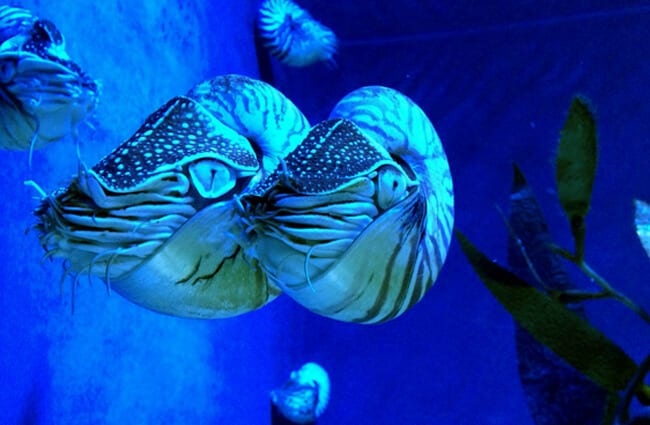
Nautiluses are marine mollusks belonging to the cephalopod class, which also includes squid, octopuses, and cuttlefish. Unlike their more agile relatives, nautiluses live within a rigid, chambered shell. This shell isn’t just for protection; it is integral to their buoyancy control. The genus Nautilus contains six extant species. They are primarily found in the Indo-Pacific Ocean, a region known for its incredible marine biodiversity.
Anatomy of a Living Fossil
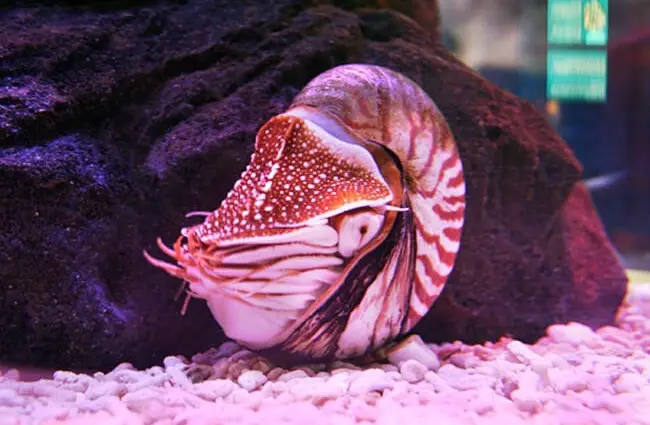
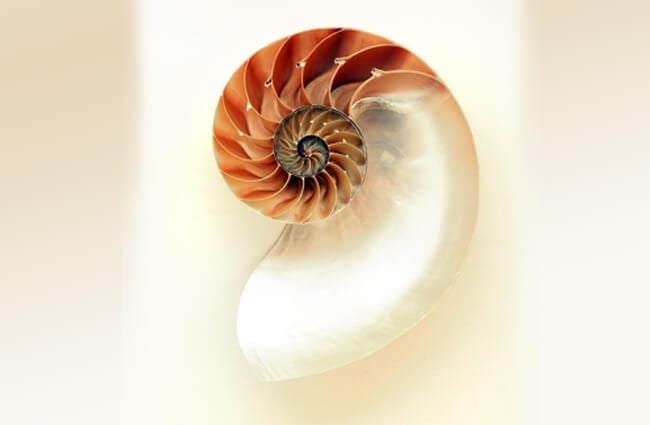
The nautilus shell is arguably its most recognizable feature. It’s constructed of aragonite, a form of calcium carbonate, and is divided into numerous chambers. The nautilus lives in the outermost chamber, and as it grows it seals off previous chambers with a specialized membrane called the septa. This creates a series of air-filled chambers that regulate buoyancy. The nautilus controls the amount of fluid and gas within these chambers to rise or descend in the water column.
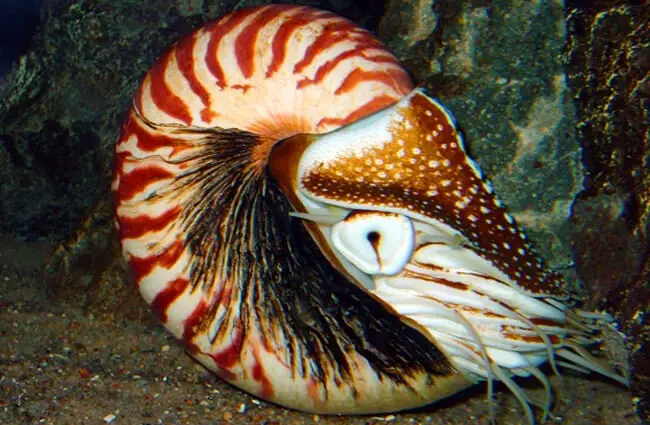
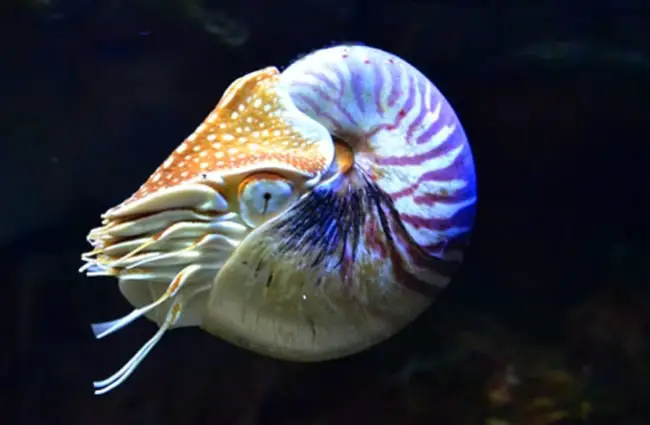
Beyond the shell, the nautilus possesses several other interesting anatomical features. It has numerous tentacles that lack suction cups, which it uses to capture prey. Its eyes are relatively simple compared to those of other cephalopods; they lack a cornea but have a lens, and they are remarkably effective at detecting changes in light and shadow. The body is reddish‑brown in color, and the soft tissues are protected by the shell.
Habitat and Distribution
Nautiluses inhabit deep, tropical waters, typically at depths of 200 to 600 meters (650 to 2000 feet). They prefer sandy or muddy bottoms, where they can rest during the day and forage at night. Their distribution is largely confined to the Indo‑Pacific region, including waters around Australia, New Caledonia, the Philippines, Indonesia, and Japan. Specific species may have more restricted ranges.
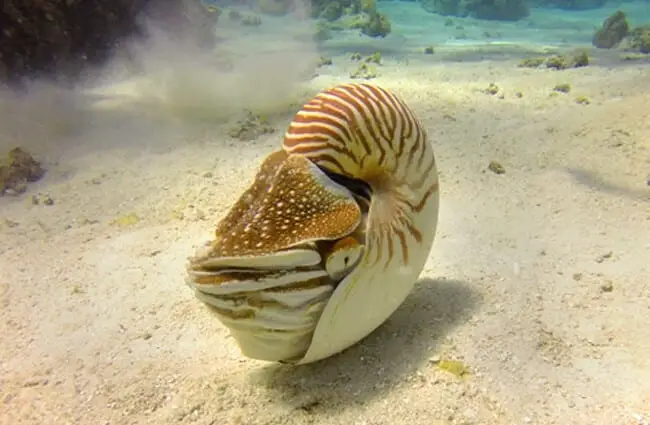
These creatures are highly sensitive to changes in water quality, making them indicators of a healthy marine environment. They are often found in areas with stable temperatures and minimal pollution.
Evolutionary History
The nautilus is often referred to as a ‘living fossil’ because it closely resembles nautiloids that lived millions of years ago. Nautiloids were dominant cephalopods during the Paleozoic Era, and the modern nautilus represents the last surviving members of this ancient group. Their fossil record extends back over 500 million years, providing invaluable insights into the evolution of cephalopods.
Unlike their more advanced relatives, nautiluses have retained many primitive features, such as the external shell and a simple eye structure. This makes them particularly valuable for studying the evolutionary transitions that led to the development of more complex cephalopods like squid and octopuses.
Diet and Feeding Behavior
Nautiluses are opportunistic predators and scavengers. Their diet consists primarily of small crustaceans, mollusks, and other invertebrates. They capture prey using their numerous tentacles, which are covered in sticky pads rather than suction cups. The prey is then drawn into the mouth, located on the underside of the body.
Nautiluses are nocturnal feeders, meaning they are most active at night. They spend the day resting on the seafloor or in crevices, and emerge at night to hunt for food. They are relatively slow-moving creatures, relying on stealth and ambush tactics to capture prey.
Reproduction and Life Cycle
The reproductive behavior of nautiluses is still not fully understood. They are thought to be broadcast spawners, releasing eggs and sperm into the water column for fertilization. Little is known about the development of nautilus embryos. It is believed they develop directly into miniature versions of the adults, without a larval stage.
Nautiluses are slow-growing creatures and have a relatively long lifespan. It is estimated that they can live for up to 20 years or more. They reach sexual maturity after several years, and females produce a relatively small number of eggs.
Nautilus and the Ecosystem
Nautiluses play an important role in the marine ecosystem as both predators and prey. They help to control populations of small invertebrates, and they serve as a food source for larger predators, such as sharks, fish, and seabirds.
As indicators of environmental health, nautiluses are valuable for monitoring the impact of pollution and climate change on marine ecosystems. Their sensitivity to changes in water quality makes them a reliable warning signal for potential environmental problems.
Nautilus and Humans
Throughout history, nautilus shells have been prized for their beauty and used in a variety of ways. They have been used to make jewelry, ornaments, and decorative objects. In some cultures, nautilus shells were believed to have medicinal properties.
Today, the nautilus faces several threats, including overfishing, habitat destruction, and climate change. Several species are listed as vulnerable or endangered by the International Union for Conservation of Nature (IUCN). Sustainable fishing practices and habitat protection are essential for ensuring the survival of these ancient creatures.
Encountering a Nautilus in the Wild
If you encounter a nautilus while diving or snorkeling, observe it from a distance and avoid touching or disturbing it. These creatures are fragile and sensitive to human interaction. Report any sightings to local marine conservation organizations to help monitor their populations.
Caring for a Nautilus in Captivity
Caring for a nautilus in captivity is extremely challenging. They require specialized tanks with deep, sandy bottoms and carefully controlled water parameters. They are sensitive to changes in temperature, salinity, and water quality. Providing a natural diet and appropriate enrichment is also crucial. Due to the difficulty of meeting these needs, keeping nautiluses in captivity is not recommended.
Fascinating Facts About the Nautilus
- Nautilus shells grow throughout the animal’s life, adding new chambers as it grows larger.
- The shell’s pearly inner layer, known as nacre, is highly prized for its iridescent beauty.
- Nautiluses can control their buoyancy by adjusting the amount of fluid and gas in their shell chambers.
- They have a unique circulatory system with four hearts.
- Nautiluses are thought to use chemoreceptors to detect prey in the dark depths of the ocean.
The nautilus is a remarkable creature, a living link to the distant past. Its unique biology, fascinating behavior, and ecological importance make it a true wonder of the ocean. Protecting this ancient species is essential for preserving the biodiversity of our planet.
![Closeup of a beautiful Red Angus cowPhoto by: U.S. Department of Agriculture [pubic domain]https://creativecommons.org/licenses/by/2.0/](https://animals.net/wp-content/uploads/2020/03/Red-Angus-4-100x75.jpg "Red Angus")