Deep beneath the sun-baked plains of East Africa, a creature of truly extraordinary design thrives in a world of perpetual darkness. It is not conventionally beautiful, often described as peculiar or even bizarre, yet the Naked Mole Rat, or Heterocephalus glaber, is a biological marvel that continues to astound scientists and capture the imagination of anyone who learns about its unique existence. Forget everything you thought you knew about rodents, because this subterranean dweller rewrites the rulebook on aging, social structure, and survival.
Unveiling the Naked Mole Rat: An Introduction to a Subterranean Enigma
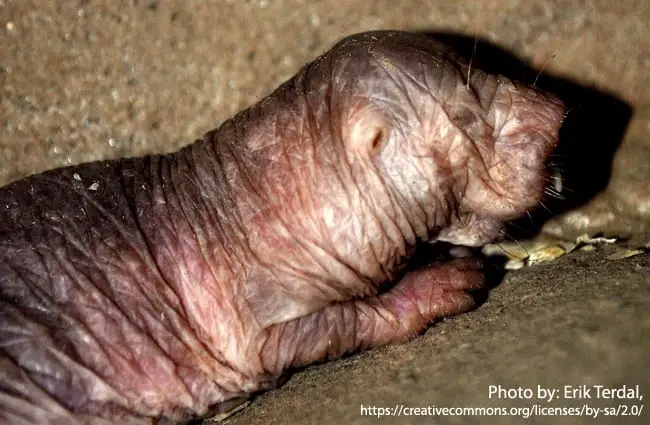
The Naked Mole Rat is a small, burrowing rodent native to parts of East Africa. Its most striking feature, as its name suggests, is its almost complete lack of fur, giving its wrinkled, pinkish skin a rather alien appearance. These remarkable animals are perfectly adapted to their underground lives, showcasing a suite of characteristics that defy typical mammalian biology.
Physical Characteristics and Identification
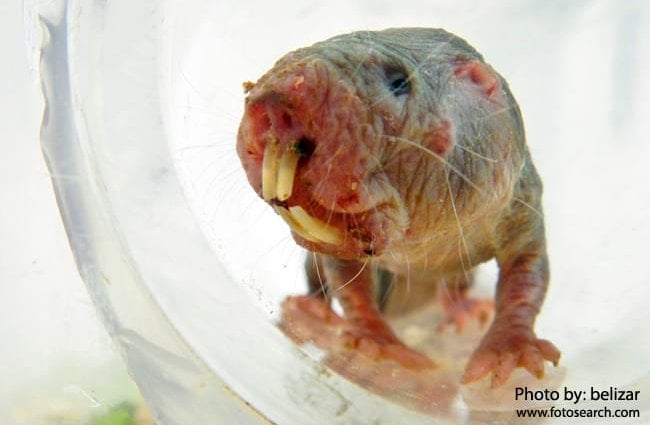
Imagine a creature roughly the size of a hot dog, weighing between 30 to 100 grams, with a body length of about 8 to 10 centimeters and a tail adding another 3 to 5 centimeters. Naked Mole Rats possess small eyes, almost vestigial, as sight is largely irrelevant in their dark tunnels. Their hearing is also not particularly acute. Instead, they rely heavily on their other senses.
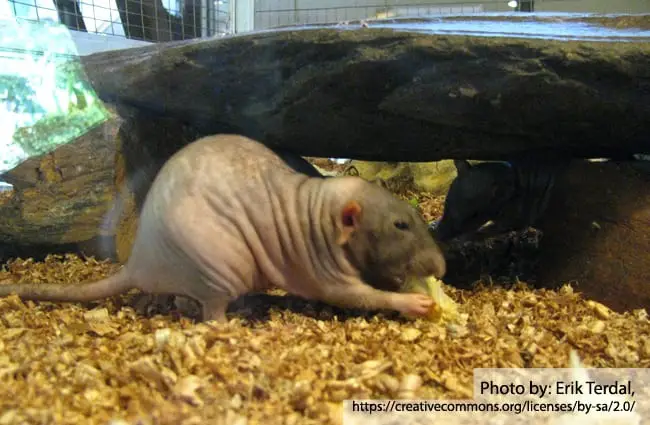
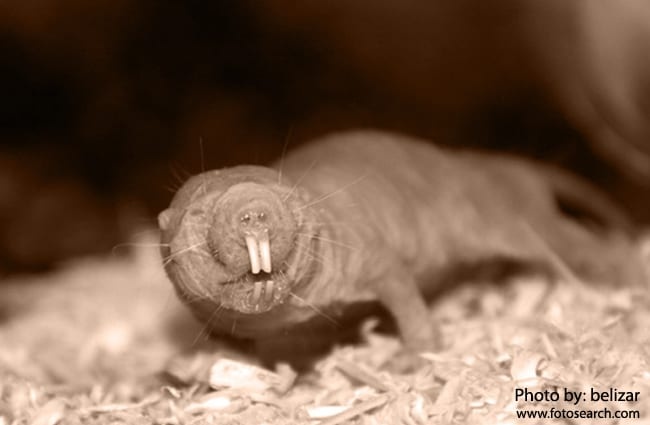
- Skin: Wrinkled, hairless, and pinkish, sometimes yellowish or brownish, with a few sparse sensory hairs. This lack of fur helps them navigate tight spaces and prevents parasites.
- Teeth: Perhaps their most prominent feature are their large, protruding incisors. These teeth are located outside their lips, allowing them to dig without getting soil in their mouths. They can move their lower incisors independently, like chopsticks, for efficient excavation.
- Limbs: Short, stout limbs with strong claws are perfect for digging through compacted soil.
- Body Shape: Cylindrical and flexible, enabling them to turn around in narrow tunnels.
The Underground Kingdom: Habitat and Distribution
The world of the Naked Mole Rat is a complex network of tunnels hidden beneath the arid and semi-arid grasslands of the Horn of Africa. Specifically, these fascinating rodents are found in Ethiopia, Kenya, and Somalia. Their preferred habitat is characterized by:
- Soil Type: Hard, compacted clay soils that are difficult to dig through, yet stable enough to maintain their extensive burrow systems. This challenging environment has likely driven many of their unique adaptations.
- Climate: Arid and semi-arid regions with fluctuating surface temperatures. However, deep underground, the temperature and humidity remain remarkably stable, creating a consistent microclimate for the colony.
- Vegetation: Sparse grasslands and savannas, often with scattered acacia trees and shrubs, which provide the primary food source for these subterranean farmers.
How to Find a Naked Mole Rat in the Wild
For the dedicated animal lover or aspiring zoologist hoping to observe Naked Mole Rats in their natural environment, it is important to understand that direct encounters are exceedingly rare. These animals spend their entire lives underground. However, signs of their presence can be found:
- Mounds: Look for characteristic volcano-shaped mounds of excavated soil, often found in clusters. These mounds are the tell-tale signs of an active Naked Mole Rat colony beneath.
- Location: Focus your search in the dry, sandy, or clay-rich regions of Ethiopia, Kenya, and Somalia.
- Patience and Observation: Observing them directly would require extensive excavation and specialized equipment, as they rarely venture above ground. It is far more common to study them in controlled research environments or zoos.
A Diet of Roots and Tubers: Sustenance in the Subterranean World
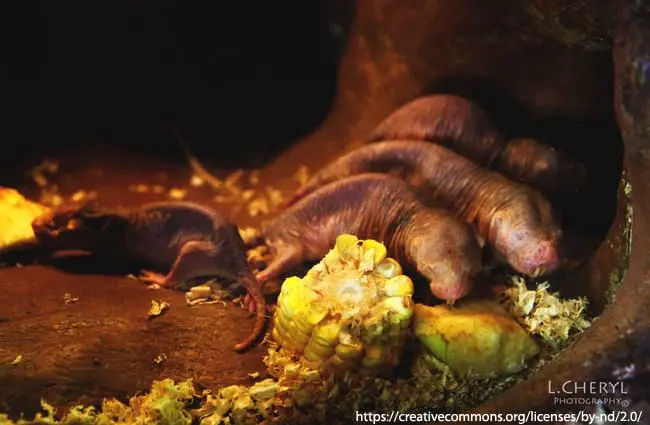
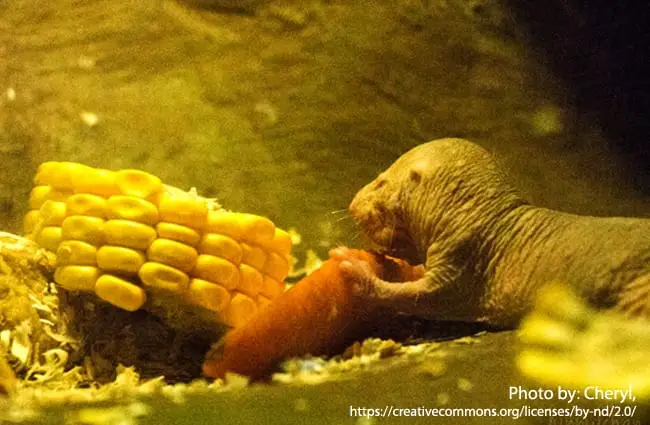
Naked Mole Rats are primarily herbivorous, with their diet consisting almost exclusively of large, underground storage organs of plants, such as roots, tubers, and corms. These plants are often succulents that store water and nutrients, making them a valuable resource in their arid habitat.
- Foraging Strategy: They dig extensive tunnel systems, often several kilometers long, in search of these underground food sources. When a large tuber is found, the colony will excavate around it, consuming parts of it while leaving enough intact for the plant to regenerate. This sustainable harvesting ensures a continuous food supply for the colony.
- Water Source: The moisture content of their food provides most of their hydration, reducing their need to drink free water.
The Ultimate Socialites: Eusociality and Reproduction
Perhaps the most astonishing aspect of Naked Mole Rat biology is their social structure. They are one of only two known mammalian species (the other being the Damaraland mole rat) to exhibit eusociality, a level of social organization previously thought to be exclusive to insects like ants, bees, and termites.
The Colony Structure
A Naked Mole Rat colony can consist of anywhere from 20 to 300 individuals, all living and working together in a highly organized fashion. This complex society is dominated by a single breeding female, known as the queen, and typically one to three breeding males.
- The Queen: The undisputed leader of the colony, the queen is the only female who reproduces. She is often the largest individual in the colony and maintains her reproductive monopoly through both physical and chemical dominance. She will aggressively shove and harass non-breeding females, suppressing their reproductive hormones.
- Breeding Males: These males are chosen by the queen and are responsible for mating with her. They are usually larger than non-breeding males.
- Workers: The vast majority of the colony consists of non-breeding workers, both male and female. These individuals are divided into different castes based on their primary roles:
- Frequent Workers: Smaller individuals primarily responsible for digging tunnels, foraging for food, and maintaining the burrow system.
- Infrequent Workers: Larger individuals who act as defenders of the colony, particularly against predators like snakes. They also assist with digging and moving large amounts of soil.
- Nurses: Specific workers, often smaller females, who care for the queen’s pups, keeping them warm and clean.
Mating and Reproduction Process
The queen’s reproductive cycle is continuous, and she can produce litters of up to 28 pups, though 10 to 12 is more common. This is an exceptionally high reproductive rate for a mammal of its size.
- Mating: The queen mates with her chosen breeding males throughout the year.
- Gestation: The gestation period is approximately 70 days.
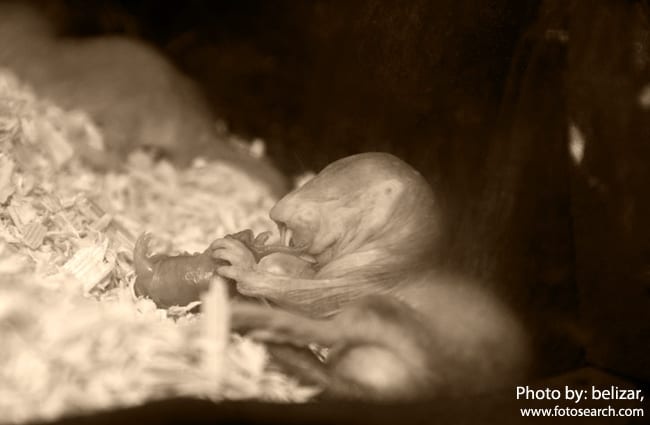
- Birth: Pups are born altricial, meaning they are helpless, blind, and hairless. They are entirely dependent on the queen and the nursing workers.
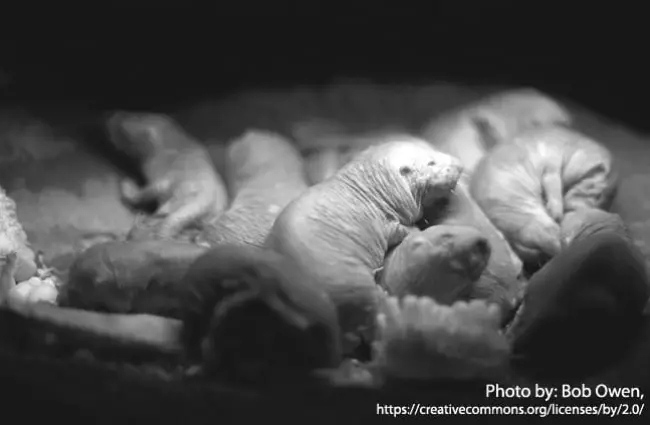
- Parental Care: While the queen nurses her young, the entire colony contributes to their care. Workers bring food to the queen, clean the nest, and huddle around the pups to keep them warm. This communal care is vital for the survival of the large litters.
- Development: Pups grow rapidly and are weaned within a few weeks, quickly integrating into the worker caste.
Evolutionary Journey and Unique Adaptations
The Naked Mole Rat belongs to the family Bathyergidae, a group of African mole-rats. Its evolutionary history is marked by a divergence from other rodents, leading to its highly specialized subterranean lifestyle and eusociality. Genetic studies suggest they are more closely related to porcupines and cavies than to common rats or mice.
A List of Astonishing Adaptations
The Naked Mole Rat’s extreme environment has sculpted it into a creature of unparalleled resilience:
- Exceptional Longevity: They can live for over 30 years in captivity, an astonishing lifespan for a rodent of their size. Most rodents live only a few years. This makes them a prime subject for aging research.
- Cancer Resistance: Naked Mole Rats are virtually immune to cancer. Scientists are intensely studying their unique cellular mechanisms, particularly a substance called high molecular weight hyaluronic acid, which appears to prevent tumor formation.
- Pain Insensitivity: They lack the substance P neurotransmitter in their skin, making them insensitive to certain types of pain, particularly acid and capsaicin (the active component in chili peppers). This adaptation is crucial in their high-CO2, acidic underground environment.
- Cold-Blooded Tendencies (Poikilothermy): Unlike most mammals, Naked Mole Rats are largely poikilothermic, meaning their body temperature fluctuates with their environment. They cannot regulate their body temperature effectively and rely on huddling with colony members to stay warm.
- Hypoxia Tolerance: They can survive for extended periods in extremely low-oxygen environments (hypoxia) and even for short periods without any oxygen (anoxia). This is vital in their crowded, poorly ventilated tunnels. They achieve this by switching their metabolism to fructose, a sugar typically used by plants, when oxygen is scarce.
- Efficient Digestion: They have a large cecum and specialized gut flora to efficiently digest fibrous plant material.
- Low Metabolic Rate: Their metabolism is significantly lower than other rodents of similar size, contributing to their longevity and ability to survive on limited resources.
Ecosystem Role and Interactions
While spending their lives hidden, Naked Mole Rats play a subtle but significant role in their ecosystem:
- Soil Aeration and Mixing: Their extensive burrowing activities aerate the soil, improve water infiltration, and mix soil layers, which can benefit plant growth.
- Food Source: They are occasionally preyed upon by snakes, particularly the Cape Cobra, which can enter their burrows. However, their deep and complex tunnel systems offer significant protection.
- Competition: They compete with other subterranean rodents for food resources, but their unique adaptations and eusocial structure give them a competitive edge in their harsh environment.
Naked Mole Rats and Humans: From Research to Culture
The Naked Mole Rat’s extraordinary biology has made it an invaluable subject for scientific research, particularly in fields related to aging, cancer, and pain management.
Contribution to Human Culture and Science
These peculiar creatures have transcended their biological niche to become symbols of scientific wonder:
- Medical Research: Their cancer resistance and longevity offer profound insights into human health and disease. Understanding their mechanisms could lead to breakthroughs in treating cancer and age-related illnesses.
- Evolutionary Biology: Their eusociality challenges traditional views of mammalian social evolution, providing a unique model for studying complex social systems.
- Popular Culture: Their unusual appearance and incredible abilities have earned them a place in popular science documentaries, books, and even children’s cartoons, raising public awareness about biodiversity and scientific discovery.
Interaction with Humans
- Research Subjects: The primary interaction between Naked Mole Rats and humans occurs in research laboratories and zoos, where they are carefully studied and cared for.
- Pets: While some exotic pet enthusiasts might be drawn to their uniqueness, Naked Mole Rats are not suitable as pets. Their complex social needs, specific environmental requirements, and burrowing instincts make them challenging to care for outside of specialized facilities.
- Encounters in the Wild (for Hikers):
If you are hiking in East Africa and stumble upon a Naked Mole Rat mound, consider yourself lucky to witness the subtle sign of a hidden world. It is highly unlikely you will see the animal itself. If by some rare chance you do encounter one above ground (perhaps a lost individual or one pushed out of the colony), the best course of action is to observe from a respectful distance. Do not attempt to touch or capture it. While not aggressive, they are wild animals and should be left undisturbed. Their powerful incisors, designed for digging, could deliver a painful bite if they feel threatened.
Caring for Naked Mole Rats in Captivity: A Zookeeper’s Guide
Caring for Naked Mole Rats in a zoological setting requires a deep understanding of their unique biology and social structure. Zookeepers play a crucial role in maintaining healthy, thriving colonies for education and research.
Essential Tasks for Zookeepers
- Habitat Replication:
- Temperature: Maintain a consistent ambient temperature between 28-30°C (82-86°F), as they are largely poikilothermic. Supplemental heat sources are often necessary.
- Humidity: High humidity (around 50-60%) is important to prevent skin dehydration.
- Substrate: Provide a deep, diggable substrate, such as a mixture of soil and sand, to allow for natural burrowing behaviors.
- Burrow System: Design a complex system of interconnected tunnels and chambers, often using clear acrylic tubing for observation, mimicking their natural burrows. Include nesting chambers and food storage areas.
- Diet and Nutrition:
- Offer a variety of root vegetables such as sweet potatoes, carrots, yams, and parsnips.
- Supplement with fruits and leafy greens in moderation.
- Provide a rodent chow formulated for their specific nutritional needs.
- Ensure fresh water is always available, although they derive much moisture from their food.
- Social Structure Management:
- Maintain a stable colony with a single queen and breeding males.
- Monitor social dynamics closely. Introductions of new individuals can be complex and require careful planning.
- Observe for signs of aggression, especially towards non-breeding females, which can indicate a need for intervention or colony splitting if space allows.
- Enrichment:
- Provide opportunities for digging and burrowing with fresh substrate or new tunnel configurations.
- Offer novel food items or puzzle feeders to stimulate foraging behaviors.
- Ensure ample space for the colony to move and interact.
- Health Monitoring:
- Regularly check for signs of injury, illness, or stress.
- Monitor dental health, as their continuously growing incisors can sometimes overgrow.
- Maintain meticulous hygiene in their enclosures to prevent disease.
What to Avoid in Captive Care
- Cold Temperatures: Exposure to temperatures below their optimal range can quickly lead to hypothermia and stress.
- Isolation: Naked Mole Rats are highly social animals. Housing them alone or in small, unstable groups can cause severe stress and behavioral issues.
- Lack of Digging Opportunities: Denying them the ability to burrow will lead to frustration and unnatural behaviors.
- Inadequate Diet: A diet lacking in appropriate root vegetables will lead to nutritional deficiencies.
- Rough Handling: While they can be handled gently for examinations, unnecessary or rough handling should be avoided to minimize stress.
A Huge List of Interesting Facts About Naked Mole Rats
The Naked Mole Rat is a living paradox, full of surprises:
- They are not moles, nor are they rats: Despite their common name, they are neither true moles (which are insectivores) nor true rats (which are Murids). They belong to their own unique family of rodents.
- They can run backward as fast as they run forward: Their flexible spines and cylindrical bodies allow for incredible agility in their tunnels.
- Their teeth are their primary tools: Their incisors are used for digging, carrying food, and even transporting young.
- They eat their own feces: This practice, known as coprophagy, helps them re-ingest nutrients and beneficial gut bacteria, especially important for young pups.
- The queen can live for over 20 years: Her reproductive lifespan is exceptionally long, allowing her to produce hundreds of offspring over her lifetime.
- They have very little body fat: Their lean bodies are another adaptation to their subterranean existence, where energy expenditure for thermoregulation is minimized.
- Their skin is largely insensitive to pain: Specifically, they don’t react to acid or capsaicin, which is highly unusual for a mammal.
- They communicate through a complex vocal repertoire: They use a variety of chirps, squeaks, and grunts to coordinate activities within the colony.
- They are a model organism for aging research: Their resistance to age-related diseases makes them invaluable for understanding human longevity.
- They can survive up to 18 minutes without oxygen: An unparalleled feat for a mammal, achieved by switching their metabolism to fructose.
- They are surprisingly clean: Despite living underground, colonies maintain specific latrine areas, keeping their living and nesting chambers hygienic.
Conclusion: The Enduring Mystery of the Naked Mole Rat
From their peculiar appearance to their mind-bending biology, Naked Mole Rats stand as a testament to the power of evolution to craft specialized survivors. These subterranean engineers of East Africa challenge our understanding of what it means to be a mammal, offering profound insights into aging, social complexity, and resilience. As research continues, the Naked Mole Rat will undoubtedly continue to reveal even more of its secrets, cementing its status as one of nature’s most extraordinary and valuable creatures.
![Closeup of a beautiful Red Angus cowPhoto by: U.S. Department of Agriculture [pubic domain]https://creativecommons.org/licenses/by/2.0/](https://animals.net/wp-content/uploads/2020/03/Red-Angus-4-238x178.jpg "Red Angus")


![Closeup of a beautiful Red Angus cowPhoto by: U.S. Department of Agriculture [pubic domain]https://creativecommons.org/licenses/by/2.0/](https://animals.net/wp-content/uploads/2020/03/Red-Angus-4-100x75.jpg "Red Angus")