The Arctic landscape holds many wonders, and among the most iconic is the Musk Ox. Often mistaken for a true ox, this magnificent creature is actually more closely related to sheep and goats. For millennia, the Musk Ox has thrived in some of the harshest environments on Earth, demonstrating remarkable adaptations and playing a vital role in the fragile Arctic ecosystem. This comprehensive guide delves into the world of the Musk Ox, exploring its history, biology, behavior, and its place in both the natural world and human culture.
A Glimpse into Musk Ox History and Evolution
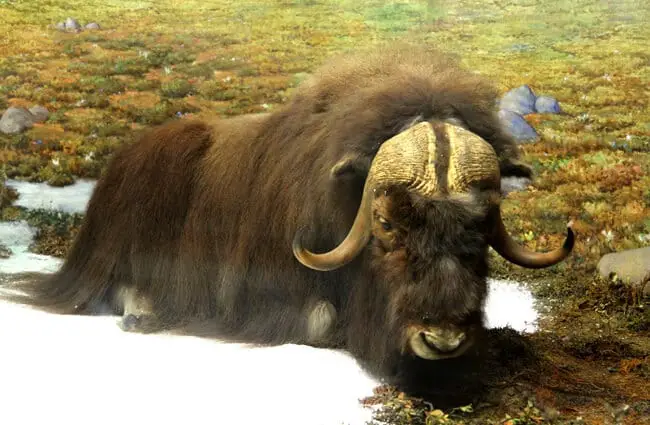
The story of the Musk Ox begins millions of years ago. During the Pleistocene epoch, ancestors of the modern Musk Ox inhabited the Siberian region and were widespread across the northern hemisphere, including parts of Europe and North America. After the last Ice Age, their range contracted and populations became isolated. The species faced near extinction in the late 19th and early 20th centuries due to overhunting for their warm, valuable wool known as qiviut. Conservation efforts have helped populations recover, but they remain vulnerable, especially in the face of climate change.
Physical Characteristics and Adaptations
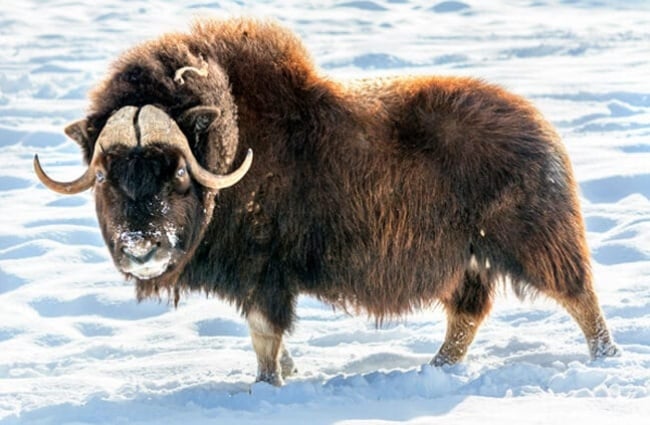
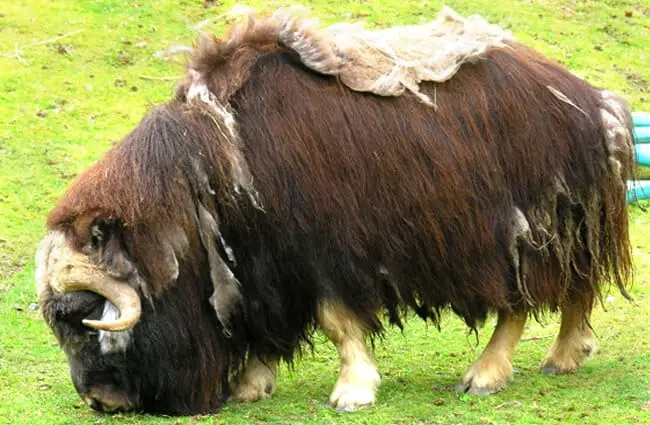
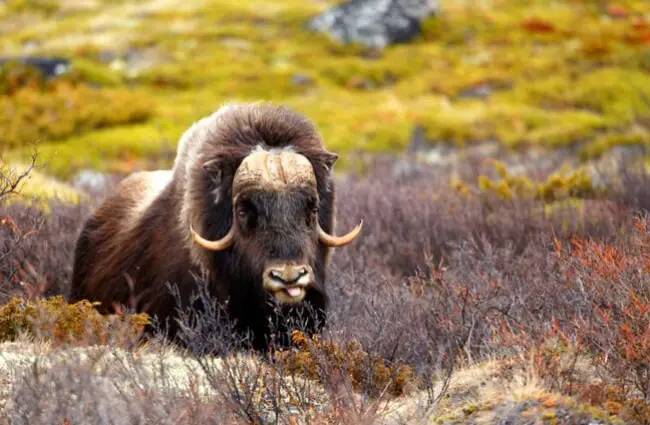
The Musk Ox is a powerful, heavily built animal, perfectly suited for life in the Arctic. Adults stand about 1.3 to 1.5 meters tall at the shoulder and weigh between 240 and 430 kilograms. Their most distinctive feature is a thick, shaggy coat consisting of a long outer layer of guard hairs and a dense, woolly undercoat. This insulation protects against extreme cold and wind. Beneath the outer coat lies an underwool, qiviut, that is eight times warmer than sheep’s wool. Short, stocky legs and large hooves provide stability on snow and ice. Musk Ox have relatively small ears and tails, minimizing heat loss. Their dark, almost black color absorbs sunlight, aiding temperature regulation.
Habitat and Distribution
Today, Musk Ox are found in Arctic regions of North America and Greenland. In North America, they primarily inhabit Alaska and the Northwest Territories of Canada. They prefer open tundra and grasslands, where they graze on low‑lying vegetation. These animals need areas with sufficient snow cover in winter to provide insulation for their hooves, and areas that remain snow‑free during warmer months to allow access to food. Musk Ox are surprisingly adept swimmers and will cross rivers and lakes in search of better grazing grounds. The availability of suitable habitat limits their distribution.
Diet and Foraging Behavior
Musk Ox are herbivores that feed primarily on grasses, sedges, and other low‑growing vegetation. During summer, they graze on a wide variety of plants, building fat reserves for winter. In winter, when food is scarce, they dig through snow to access frozen vegetation. They are bulk feeders, consuming large quantities of food to meet their energy needs. Using their strong hooves, they break through ice and snow cover, uncovering hidden plants. Musk Ox also eat lichen and moss when other food sources are unavailable. Their digestive system is well adapted to processing tough, fibrous vegetation.
Social Behavior and Reproduction
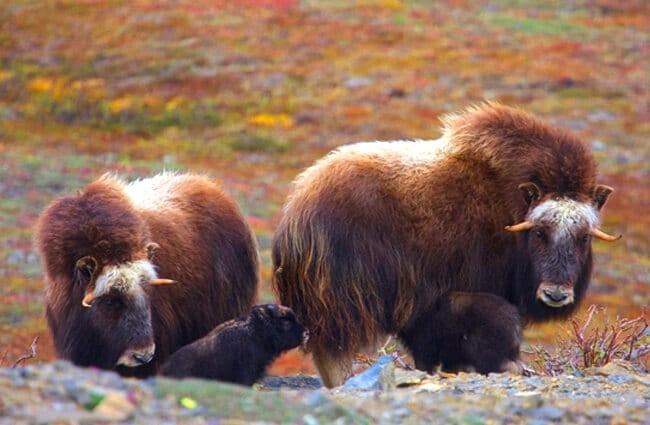
Musk Ox are social animals that typically live in herds of 12 to 20 individuals. Herds are usually led by an older, dominant female. The herd structure protects against predators such as wolves and bears and facilitates cooperative foraging. During the mating season, which occurs in late summer and early fall, males compete for access to females. These competitions can involve fierce battles, with males locking horns and pushing each other. After a gestation period of approximately nine months, females give birth to a single calf, usually in spring. Calves are precocial, meaning they are relatively well‑developed at birth and can stand and walk shortly thereafter. Calves stay with their mothers for several years, learning essential survival skills. Reproductive success is closely tied to the availability of food and suitable habitat.
Musk Ox and the Ecosystem
Musk Ox play an important role in the Arctic ecosystem. Their grazing helps maintain the health and diversity of plant communities. They create patches of disturbed ground, which can promote the growth of new vegetation. Foraging also helps cycle nutrients through the soil. Musk Ox provide food for predators such as wolves and bears, and are an important prey species for Arctic foxes and other carnivores. Their presence helps maintain overall ecological balance. Changes in Musk Ox populations can have cascading effects on other species.
Musk Ox and Humans
For millennia, Musk Ox have been an important part of the culture and livelihood of Arctic peoples. Indigenous communities have traditionally relied on Musk Ox for food, clothing, and shelter. The qiviut wool is highly prized for its warmth and softness. Musk Ox hides have been used to make clothing, tents, and other essential items. Today, sustainable harvesting continues to provide resources for local communities. However, it is crucial to manage these resources responsibly to ensure the long‑term health of Musk Ox populations. Modern conservation efforts have helped the species recover after a period of unregulated hunting.
Encountering Musk Ox in the Wild: Safety First
If you are fortunate enough to encounter Musk Ox in the wild, it is essential to maintain a safe distance. These animals are generally not aggressive, but they can become defensive if they feel threatened, particularly during the mating season or if they have calves. Never approach Musk Ox closely. Keep a distance of at least 100 meters. Avoid sudden movements or loud noises. If a Musk Ox appears to be approaching you, slowly back away. Do not attempt to feed or touch the animal. Be aware of your surroundings and watch for signs of potential danger. Report any aggressive behavior to local authorities.
Caring for Musk Ox in Captivity
For zookeepers and animal care professionals, providing appropriate care for Musk Ox in captivity requires careful attention to their specific needs. They require spacious enclosures with plenty of room to roam and graze. The enclosure should include areas of open grassland and sheltered vegetation. A varied diet of grasses, sedges, and other forage is essential. Supplementation with vitamins and minerals may be necessary. Regular veterinary care is crucial to monitor their health and prevent disease. Enrichment activities, such as opportunities for social interaction and foraging, can help keep them mentally and physically stimulated. Adequate shade and protection from the elements are vital. While they are robust and can tolerate a range of temperatures, care should be taken to mitigate extreme heat or cold.
Fascinating Musk Ox Facts
Defensive Formation
When threatened, Musk Ox form a tight defensive circle, with calves protected in the center. This formation presents a formidable barrier to predators.
Qiviut: The Warmest Wool
Qiviut, the underwool of the Musk Ox, is eight times warmer than sheep’s wool and incredibly soft.
Ancient Lineage
Musk Ox are one of the oldest surviving species of large mammals, with ancestors dating back millions of years.
Adaptable Digestion
They can digest plants that other herbivores struggle with, thanks to specialized bacteria in their gut.
Swimming Prowess
Despite their bulky size, Musk Ox are surprisingly good swimmers and can cross rivers and lakes.
The Musk Ox is a remarkable animal, a testament to the power of adaptation and resilience. As climate change continues to impact the Arctic, it is crucial that we continue to study and protect this iconic species, ensuring that it thrives for generations to come.
![Closeup of a beautiful Red Angus cowPhoto by: U.S. Department of Agriculture [pubic domain]https://creativecommons.org/licenses/by/2.0/](https://animals.net/wp-content/uploads/2020/03/Red-Angus-4-238x178.jpg "Red Angus")
![Closeup of a beautiful Red Angus cowPhoto by: U.S. Department of Agriculture [pubic domain]https://creativecommons.org/licenses/by/2.0/](https://animals.net/wp-content/uploads/2020/03/Red-Angus-4-100x75.jpg "Red Angus")