The gentle, melancholic coo of the Mourning Dove is a sound familiar to millions across North America, a soothing backdrop to both bustling urban landscapes and tranquil rural settings. This ubiquitous bird, with its understated elegance and remarkable adaptability, offers a fascinating study for anyone interested in the natural world. From its unique feeding habits to its rapid reproductive cycle, the Mourning Dove embodies a quiet resilience that has allowed it to thrive alongside humanity.
Often seen foraging on the ground or perched on power lines, this dove is more than just a common backyard visitor. It is a master of survival, a vital component of many ecosystems, and a creature with a surprisingly rich biological story. Let us delve into the world of the Mourning Dove, uncovering the secrets behind its widespread success and the intricate details of its life.
Identifying the Mourning Dove: A Study in Subtle Beauty
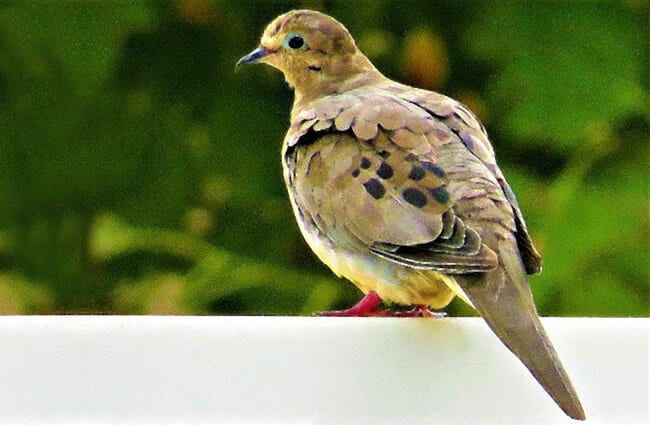
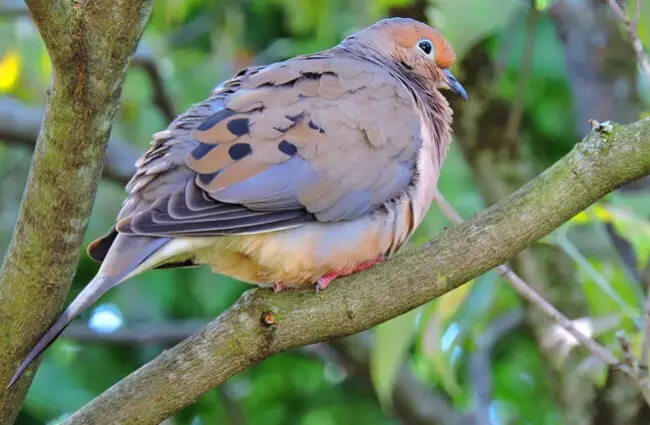
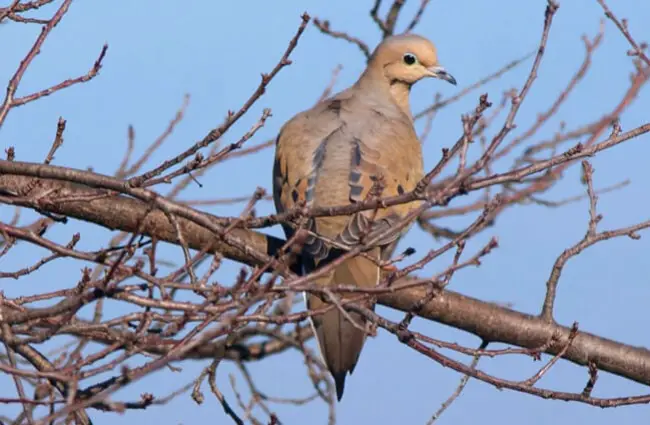
The Mourning Dove (Zenaida macroura) is a medium-sized bird, typically measuring about 12 inches (31 cm) in length with a wingspan of 18 inches (45 cm). Its plumage is a soft, muted palette of grays and browns, blending seamlessly with its surroundings. The back and wings are a grayish-brown, while the underside is a lighter, buffy tan. A distinctive feature is the small black spot found on the lower part of the ear coverts, just behind the eye, and the iridescent pinkish-purple patch on the sides of the neck, visible in good light.
The head is relatively small, and the tail is long and tapered, edged with white feathers that become particularly noticeable during flight. Its legs are short and reddish, and its eyes are dark, often surrounded by a delicate ring of pale blue skin. While males and females share a similar appearance, males tend to be slightly larger and have a more pronounced pinkish wash on the breast. Juveniles are duller in color, with faint scaling on their feathers.
The Voice of the Dove: A Melancholic Melody
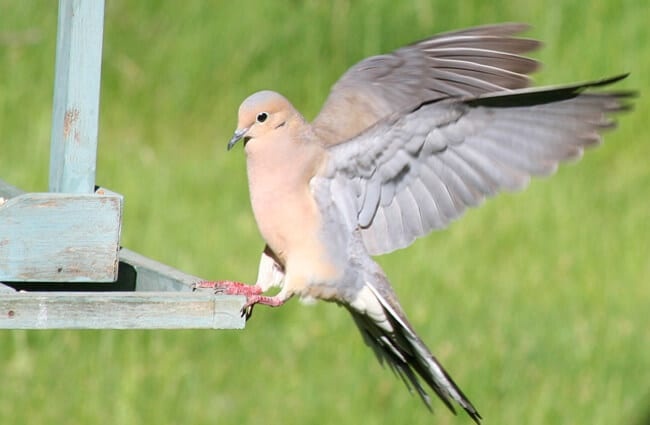
The most iconic characteristic of the Mourning Dove is undoubtedly its vocalization. Its soft, mournful cooing call, often described as “coo-OO-woo-woo-wooo,” is a familiar sound across its range. This call is primarily used by males to attract mates and defend territory. Beyond its distinctive song, the Mourning Dove also produces a unique whistling sound with its wings during takeoff and landing, a result of air passing through specialized primary feathers. This “wing whistle” serves as an alarm signal to other doves and can be quite startling when a bird takes flight unexpectedly close by.
Habitat and Distribution: A True North American Native
The Mourning Dove boasts one of the widest distributions of any bird in North America, thriving from southern Canada down through the United States and into Mexico and Central America. Its remarkable adaptability allows it to inhabit an incredibly diverse range of environments, making it a common sight in almost any landscape.
- Open Woodlands: They prefer open, sparse woodlands with scattered trees and clearings, providing both cover and foraging opportunities.
- Farmlands: Agricultural areas, with their abundant grain fields, are prime habitats for these seed-eating birds.
- Grasslands and Prairies: Open grassy areas provide ample foraging grounds.
- Urban and Suburban Environments: Mourning Doves have successfully adapted to human-modified landscapes, frequently found in parks, gardens, backyards, and even bustling city centers, as long as there are trees for nesting and open ground for feeding.
While many populations are year-round residents, northern populations undertake migratory journeys south for the winter, returning to their breeding grounds in spring. This migratory behavior highlights their ability to adapt to seasonal changes across a vast geographical area.
Diet and Foraging: A Granivorous Ground Gleaner
The Mourning Dove is almost exclusively granivorous, meaning its diet consists primarily of seeds. It is a dedicated ground forager, spending much of its day walking along the ground, meticulously searching for fallen seeds. Its diet is incredibly varied, reflecting the availability of different plant species in its habitat.
- Wild Seeds: They consume seeds from a wide array of plants, including grasses, ragweed, pokeberry, croton, and various weeds.
- Agricultural Grains: In farming areas, they readily feed on spilled corn, wheat, sunflower seeds, and other cultivated grains.
- Bird Feeders: Mourning Doves are frequent visitors to backyard bird feeders, particularly those offering sunflower seeds, millet, and cracked corn. They prefer platform feeders or seeds scattered directly on the ground.
- Grit: Like many birds, Mourning Doves ingest small stones and grit to aid in the mechanical digestion of seeds in their gizzard. They can often be seen picking up tiny pebbles or sand particles.
An interesting aspect of their feeding behavior is their ability to store a large quantity of seeds in their crop, a pouch in their esophagus, allowing them to quickly gather food and then retreat to a safe location to digest it. They also require regular access to water for drinking.
Mating and Reproduction: A Cycle of Rapid Renewal
Mourning Doves are known for their prolific breeding, often raising multiple broods in a single season. This rapid reproductive strategy is a key factor in their widespread success.
Courtship and Nest Building
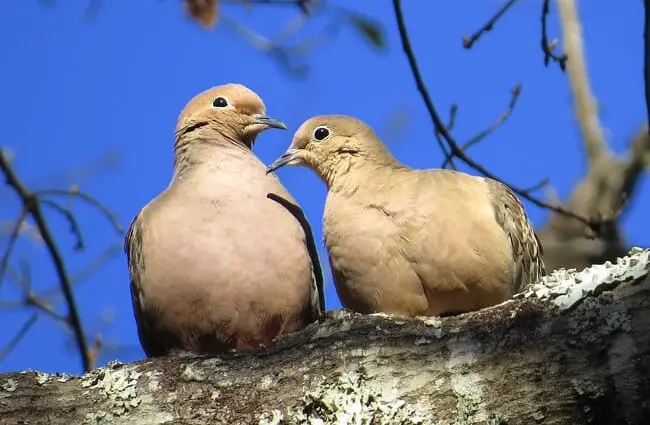
The breeding season typically begins in early spring and can extend into late summer or early fall. Males initiate courtship with a distinctive “bow-coo” display, puffing out their chest, bowing, and cooing to attract a mate. Once a pair forms, they are largely monogamous for the breeding season, sometimes even for life.
Nests are typically flimsy structures made of twigs, pine needles, and grass stems, often built in the crotch of a tree branch, on shrubs, or sometimes on man-made structures like window ledges or gutters. The male gathers nesting material, which the female then arranges. The construction often appears somewhat haphazard, leading to occasional nest failures during strong winds or rain.
Eggs and Parental Care
A typical clutch consists of two pure white eggs. Both parents share incubation duties, with the male usually incubating during the day and the female taking over at night. Incubation lasts approximately 14 days.
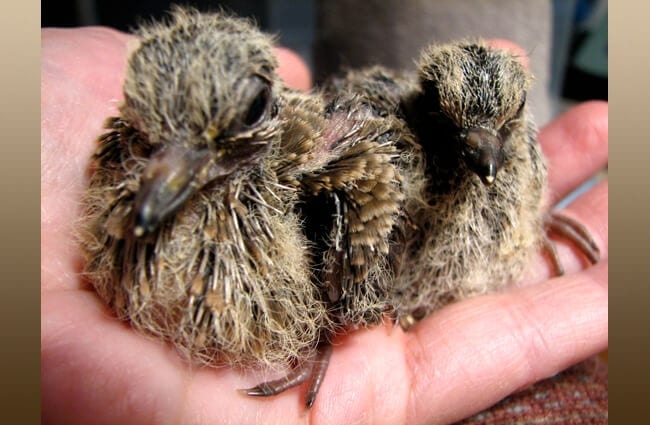
Upon hatching, the chicks, known as squabs, are altricial, meaning they are helpless, blind, and covered in sparse down. For the first few days, they are fed “crop milk” or “pigeon milk,” a nutrient-rich secretion produced in the crops of both parents. This unique substance, rich in protein and fat, is crucial for the rapid growth of the young. As the squabs grow, their diet gradually transitions to regurgitated seeds. The young fledge, or leave the nest, after about 11 to 15 days, but remain dependent on their parents for a short period thereafter.
The short incubation and fledging periods, combined with the ability to produce multiple clutches (up to 5-6 per season in warmer climates), allow Mourning Doves to quickly replenish their numbers, compensating for predation and other losses.
Evolutionary History and Taxonomy
The Mourning Dove belongs to the family Columbidae, which includes all pigeons and doves. This family has a long evolutionary history, with fossil records indicating their presence for millions of years. The genus Zenaida, to which the Mourning Dove belongs, is native to the Americas. Its widespread distribution and adaptability suggest a successful evolutionary trajectory, allowing it to colonize diverse habitats and exploit various food sources.
Their evolutionary success can be attributed to several factors: their generalist diet, rapid reproductive rate, and ability to adapt to human-altered landscapes. These traits have allowed them to thrive even as many other species face decline due to habitat loss.
Ecosystem Contributions and Interactions
Mourning Doves play a significant role within their ecosystems:
- Seed Dispersal: By consuming a wide variety of seeds and then dispersing them through their droppings, they contribute to plant propagation and the health of various plant communities.
- Prey Species: Their abundance makes them a crucial food source for a wide range of predators, including raptors like hawks and falcons, as well as snakes, raccoons, and domestic cats. This position in the food web helps sustain predator populations.
- Competition: While generally peaceful, they may compete with other ground-feeding birds for seeds, especially at concentrated food sources like bird feeders.
Mourning Doves and Humans: A Shared Landscape
The relationship between Mourning Doves and humans is multifaceted.
Cultural Significance
In many cultures, doves are symbols of peace, love, and hope. The gentle demeanor and soft cooing of the Mourning Dove contribute to this perception, making it a beloved bird for many. Its presence in backyards often brings a sense of tranquility.
Backyard Visitors
For many, the Mourning Dove is a familiar and welcome sight at bird feeders. Their calm presence and distinctive calls add to the natural ambiance of gardens and urban green spaces. Providing a reliable food source (like sunflower seeds or millet) and a water bath can encourage their visits.
Hunting and Conservation
Mourning Doves are classified as game birds in many parts of their range and are legally hunted. Despite hunting pressure, their populations remain stable and healthy due to their high reproductive rate and adaptability. Conservation efforts focus on habitat management and sustainable hunting practices to ensure their continued abundance.
Practical Insights: From Observation to Care
Finding Mourning Doves in the Wild
For the animal lover or aspiring zoologist eager to observe Mourning Doves, finding them is relatively easy:
- Listen: Their distinctive cooing call is often the first clue to their presence.
- Look for Open Areas: Scan open fields, parks, suburban lawns, and agricultural lands.
- Check Power Lines and Trees: They frequently perch on wires, fences, and bare tree branches.
- Visit Bird Feeders: Backyard feeders are a reliable spot, especially those with seeds scattered on the ground or on platform feeders.
- Observe Foraging: Watch for birds walking slowly on the ground, pecking for seeds.
Encountering a Mourning Dove in the Wild
If you encounter a Mourning Dove, particularly a nesting pair or young birds, the best approach is to observe from a respectful distance. Avoid disturbing nests or approaching fledglings, as this can cause stress to the birds and potentially lead to abandonment. Appreciate their natural behavior without intervention.
Caring for Mourning Doves in Captivity (Zookeepers)
For zookeepers or wildlife rehabilitators caring for Mourning Doves, specific considerations are vital:
- Diet: A primary diet of high-quality mixed seeds (millet, sunflower, cracked corn) is essential. Supplement with fresh greens and a constant supply of grit to aid digestion. Fresh water must always be available.
- Enclosure: Provide a spacious aviary or enclosure that allows for flight. Include perches at various heights and nesting opportunities (e.g., small platforms or baskets) if breeding is intended. The enclosure should be secure from predators and offer protection from extreme weather.
- Social Structure: Mourning Doves are typically kept in pairs or small groups, as they are social birds. Introducing new individuals should be done carefully to monitor for aggression.
- Hygiene: Regular cleaning of the enclosure, food dishes, and water containers is crucial to prevent disease.
- Breeding: If breeding, monitor pairs for successful incubation and chick rearing. Ensure parents have access to extra protein (e.g., high-protein seed mixes) during the crop milk production phase.
- Avoidance: Avoid sudden loud noises or rapid movements near the enclosure, as doves are easily startled. Do not offer human food scraps, as these can be detrimental to their health.
A Huge List of Interesting Facts About Mourning Doves
- Mourning Doves are the most widespread and abundant game bird in North America.
- Their “mournful” coo is actually a male’s courtship call, not a sign of sadness.
- They can fly at speeds up to 55 miles per hour (88 km/h).
- Mourning Doves are one of the few bird species that produce “crop milk” to feed their young, a highly nutritious substance secreted from the lining of their crop.
- They are highly adaptable and can thrive in almost any habitat type, from deserts to dense urban areas.
- A pair can raise up to six broods in a single breeding season, a remarkable feat for any bird.
- Their nests are often so flimsy that eggs or young can sometimes be seen through the bottom.
- They are ground feeders, rarely eating seeds directly from plants.
- The whistling sound made by their wings during takeoff is an unintentional byproduct of their feather structure, but it also serves as an alarm signal.
- Mourning Doves are strong swimmers, though they rarely enter water voluntarily.
- They have excellent eyesight and hearing, crucial for detecting predators and finding food.
- Their scientific name, Zenaida macroura, honors Zénaïde Laetitia Julie Bonaparte, the wife of French ornithologist Charles Lucien Bonaparte, and “macroura” means “large-tailed.”
Conclusion: The Enduring Charm of the Mourning Dove
The Mourning Dove, with its gentle presence and distinctive call, is a testament to nature’s enduring power of adaptation. From its intricate reproductive biology, including the fascinating production of crop milk, to its crucial role in seed dispersal and as a food source for predators, this bird is a vital thread in the ecological tapestry of North America. Its ability to coexist and even flourish alongside human development speaks volumes about its resilience.
Whether you are a student researching its habitat, an animal lover seeking its peaceful presence, an aspiring zoologist delving into its unique biology, a hiker observing its quiet grace, or a zookeeper ensuring its well-being, the Mourning Dove offers a wealth of knowledge and a constant source of wonder. It reminds us that even the most common creatures hold profound lessons about life, survival, and the delicate balance of our shared planet.
![Closeup of a beautiful Red Angus cowPhoto by: U.S. Department of Agriculture [pubic domain]https://creativecommons.org/licenses/by/2.0/](https://animals.net/wp-content/uploads/2020/03/Red-Angus-4-238x178.jpg "Red Angus")
![Closeup of a beautiful Red Angus cowPhoto by: U.S. Department of Agriculture [pubic domain]https://creativecommons.org/licenses/by/2.0/](https://animals.net/wp-content/uploads/2020/03/Red-Angus-4-100x75.jpg "Red Angus")