The Elusive Ghost of the Mountains: A Comprehensive Look at the Mountain Lion
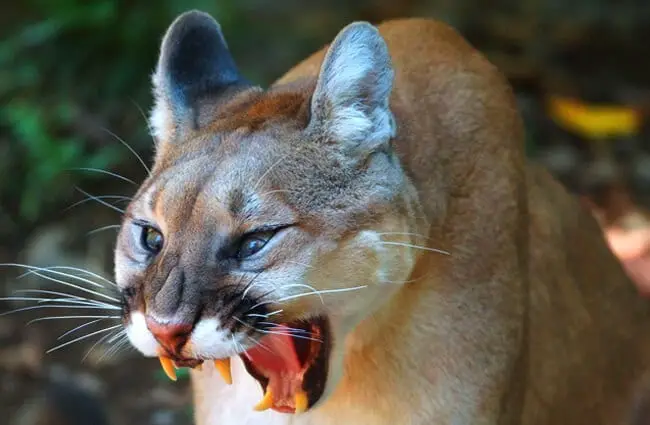
The mountain lion, also known as the cougar, puma, or panther, is a majestic and powerfully built feline native to the Americas. A creature of both strength and stealth, it holds a significant place in both the natural world and human culture. This guide delves into the fascinating life history, ecological role, and ongoing conservation of this remarkable predator.
A History Rooted in Evolution
Tracing the Ancestry
The evolutionary story of the mountain lion begins millions of years ago. Fossil evidence suggests that ancestors of modern cougars roamed North America during the Pleistocene epoch. The oldest confirmed fossils date back approximately 1.5 million years. These early cougars were likely larger and more robust than their contemporary counterparts, adapted to the megafauna of the time. As the climate changed and large prey animals became extinct, the cougar adapted, becoming the versatile predator we know today. Genetic studies reveal a close relationship to the jaguar, suggesting a shared ancestry originating in the Old World before dispersal into the Americas.
Adaptation and Diversification
Over time, the mountain lion diversified into numerous subspecies, each adapted to its unique environment. From the dense forests of the Pacific Northwest to the arid landscapes of the Southwest and the scrublands of Florida, the cougar’s remarkable adaptability has allowed it to thrive in a wide range of habitats. This adaptability is reflected in variations in size, coat color, and hunting strategies.
Habitat and Distribution
The mountain lion boasts the largest geographical range of any large wild terrestrial mammal in the Western Hemisphere. Historically, its range stretched from Canada to the southern Andes. Today, while populations are recovering in some areas, they are fragmented and restricted to primarily western North America, with a small, endangered population in Florida known as the Florida panther.
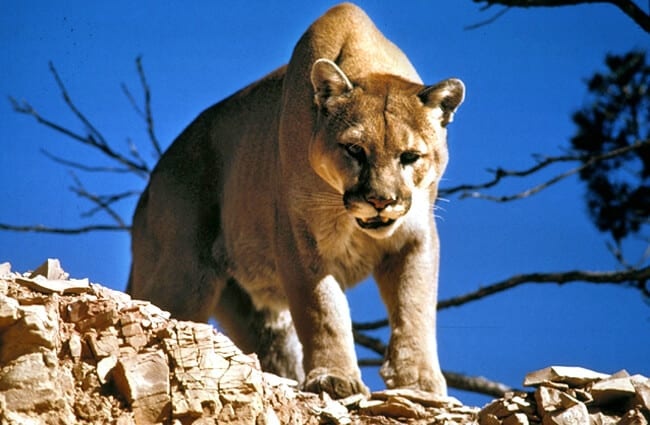
Mountain lions inhabit a diverse array of ecosystems, including forests, deserts, mountains, and grasslands. They require areas with sufficient cover for stalking prey and denning, as well as an adequate prey base. Ideal habitats often feature rocky outcroppings, dense undergrowth, and canyons. They generally avoid areas with high human population density.
The Life of a Solitary Hunter
Diet and Hunting Strategies
Mountain lions are obligate carnivores, meaning their diet consists exclusively of meat. Their primary prey includes deer (white-tailed and mule deer being the most common), elk, and bighorn sheep. They will also prey on smaller animals such as rodents, rabbits, and birds when larger game is scarce.
They are ambush predators, relying on stealth and powerful bursts of speed to take down their prey. They typically stalk their target, using vegetation and terrain for cover, before launching a surprise attack. A powerful bite to the neck or throat is often used to dispatch prey. They can drag kills, sometimes weighing more than themselves, to a secluded location for feeding. They cache their kills by covering them with leaves, branches, or dirt.
Social Behavior and Territory
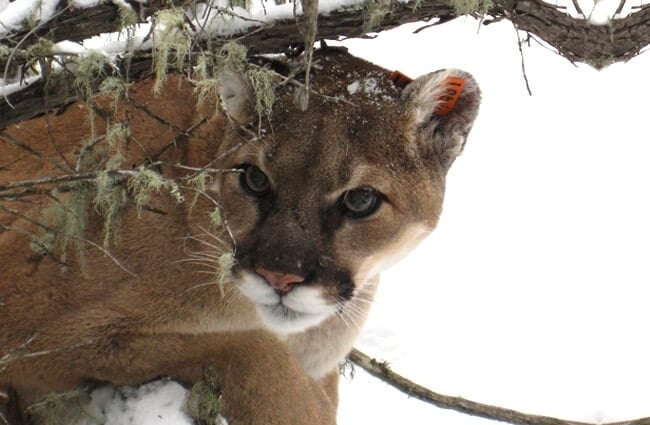
Mountain lions are largely solitary animals, except during mating season and when females are raising their young. They establish and maintain territories, which can range in size from 50 to over 300 square miles, depending on prey availability and habitat quality. Territories are marked with scrapes, urine, and feces to communicate boundaries to other individuals. While generally avoiding confrontation, males may engage in fierce battles for dominance and mating rights.
Reproduction and Raising Young
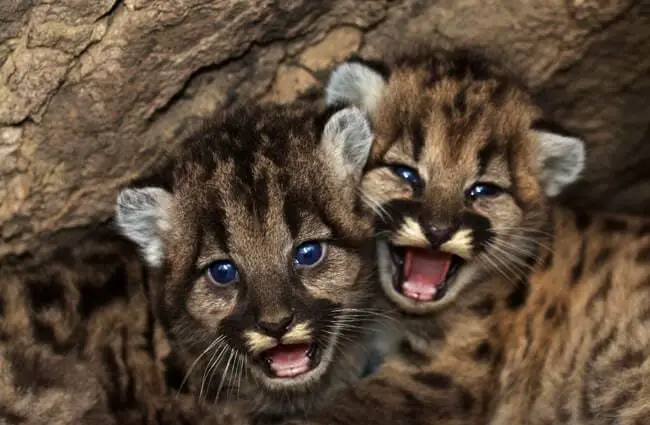
The mating season for mountain lions typically occurs in late winter or early spring. Females are polyestrous, meaning they can enter estrus multiple times during the year. After a gestation period of around 90 days, females give birth to a litter of 1 to 6 kittens, usually in a secluded den located in a cave, rock crevice, or dense vegetation.
Kittens are born blind and helpless, relying entirely on their mother for care. They are nursed for several months and gradually begin to eat solid food. The mother teaches them essential hunting skills through play and demonstration. Kittens typically remain with their mother for 18 to 24 months, learning to survive independently before dispersing to establish their own territories.
Ecological Role and Interactions
As apex predators, mountain lions play a crucial role in maintaining the health and balance of their ecosystems. By controlling populations of herbivores like deer and elk, they prevent overgrazing and allow vegetation to thrive. This, in turn, benefits other species that rely on plant life for food and shelter. Their predatory activities also help remove sick or weak individuals from prey populations, promoting genetic health.
They interact with other predators such as coyotes, wolves, and bears, sometimes competing for prey. They may also scavenge on carcasses left by other predators or resulting from natural causes. Their presence or absence can influence the behavior and distribution of prey species, creating cascading effects throughout the ecosystem.
Mountain Lions and Humans
Historical and Cultural Significance
For centuries, mountain lions have held a significant place in the cultures of Indigenous peoples throughout the Americas. They are often revered as symbols of strength, courage, and spiritual power. In many Native American traditions, the mountain lion is considered a guardian spirit and is featured in myths, legends, and ceremonies.
Historically, they were hunted for sport and as perceived threats to livestock. This led to significant population declines in many areas. Today, while hunting is still permitted in some regions, conservation efforts are underway to protect and restore mountain lion populations.
Encounters and Safety
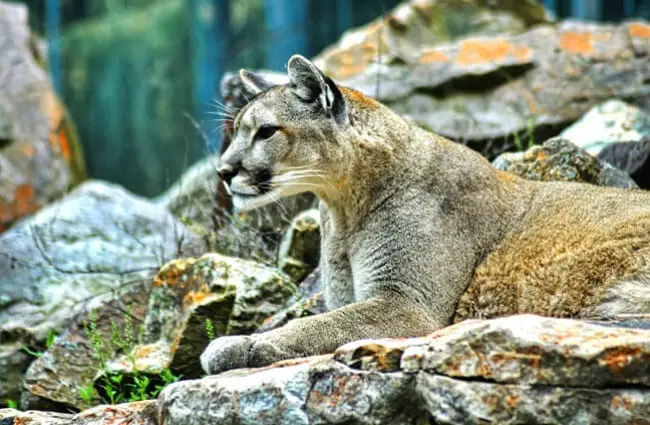
Encounters between humans and mountain lions are rare, but they can occur, especially in areas where human development encroaches on mountain lion habitat. If you encounter a mountain lion, it is important to remain calm and avoid running. Make yourself appear large by raising your arms and making noise. Maintain eye contact with the animal. Keep children inside your vehicle. Slowly back away while facing the mountain lion. If the animal attacks, fight back aggressively. Never approach a mountain lion.
Conservation Status and Future Outlook
While mountain lion populations are generally stable in the western United States, they remain listed as a threatened or endangered species in several states, particularly in Florida. Habitat loss and fragmentation, vehicle collisions, and human-wildlife conflict continue to pose threats.
Conservation efforts include habitat protection and restoration, wildlife crossings to reduce vehicle collisions, and public education programs to promote coexistence. Continued monitoring of populations and research into their ecology are also crucial for ensuring their long-term survival.
For the Aspiring Zoologist and Zookeeper
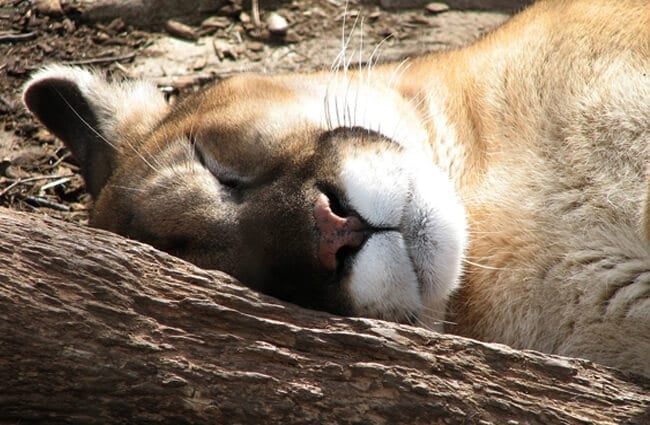
For those dedicated to the care of mountain lions in captivity, a deep understanding of their natural history is paramount. Enclosures should mimic their natural habitat as closely as possible, providing ample space, varied terrain, and opportunities for climbing and exploration. Enrichment is crucial to stimulate their physical and mental well-being. This includes providing novel objects, scent-marking opportunities, and puzzle feeders. Diet should closely replicate their natural prey, consisting of whole carcasses or meat supplemented with appropriate vitamins and minerals. Avoid direct, prolonged eye contact as this can be perceived as a threat. Observe behavioral changes closely, as these can indicate underlying health issues. Collaboration with veterinary professionals specializing in large felids is essential for ensuring optimal care.
![Closeup of a beautiful Red Angus cowPhoto by: U.S. Department of Agriculture [pubic domain]https://creativecommons.org/licenses/by/2.0/](https://animals.net/wp-content/uploads/2020/03/Red-Angus-4-238x178.jpg "Red Angus")
![Closeup of a beautiful Red Angus cowPhoto by: U.S. Department of Agriculture [pubic domain]https://creativecommons.org/licenses/by/2.0/](https://animals.net/wp-content/uploads/2020/03/Red-Angus-4-100x75.jpg "Red Angus")