The Enigmatic Mountain Beaver: A Comprehensive Guide
Often overlooked, the Mountain Beaver – Aplodontia rufa – is a fascinating creature uniquely adapted to life in the mountainous regions of western North America. Though once classified with pocket gophers, it is now recognized as the sole living member of the family Aplodontiidae, making it a distinct and basal rodent species. This guide delves into the world of the Mountain Beaver, exploring its biology, behavior, habitat, and relationship with both its ecosystem and humankind.
I. Basic Biology and Identification
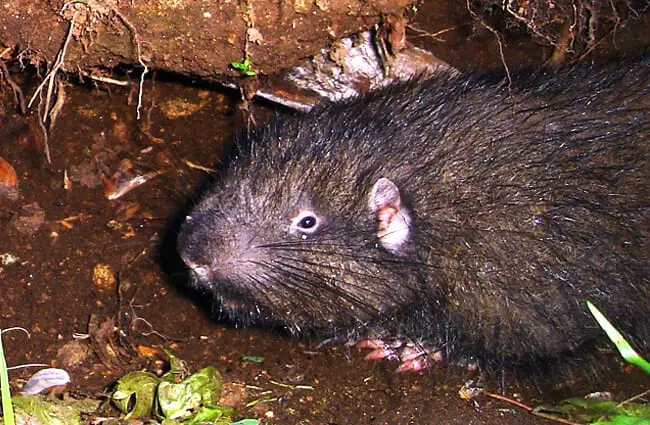
The Mountain Beaver is a robust rodent, typically measuring between 9-14 inches in length, including its short, sparsely haired tail. Its weight ranges from 1.5 to 5 pounds. The dense, waterproof fur is generally a grizzled brown or grayish hue, providing excellent insulation against the cold, damp environments it inhabits. Distinguishing features include small eyes and ears, and large, powerful claws perfectly suited for digging. Unlike many rodents, Mountain Beavers possess cheek pouches that extend far back into their shoulders, giving them a distinctive, somewhat lumpy appearance when full.
A. Physical Characteristics
Adult Mountain Beavers exhibit minimal seasonal weight fluctuations, relying on consistent food caching rather than fat reserves for winter survival. Their dental formula is unique, reflecting their specialized diet. They have continuously growing incisors adapted for gnawing on woody vegetation. The internal anatomy also features an exceptionally large cecum, crucial for breaking down plant cellulose.
II. Habitat and Distribution
As its name suggests, the Mountain Beaver is primarily found in mountainous regions. Its range stretches from British Columbia and Alberta in Canada, south through Washington, Oregon, California, and into the northern parts of Nevada and Idaho. They thrive in moist, subalpine meadows, forested slopes, and areas with abundant undergrowth. Crucially, they require well-drained soils conducive to burrow construction.
A. Burrow Systems
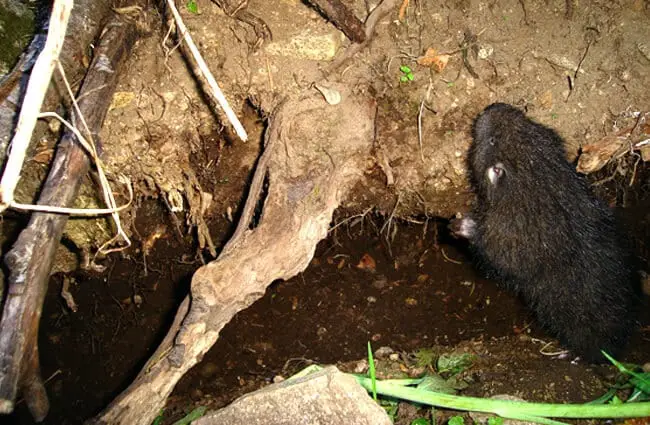
Mountain Beaver burrow systems are extensive and complex. Unlike many rodents that create simple tunnels, Mountain Beavers construct elaborate networks of interconnected chambers and passages, often spanning dozens or even hundreds of feet. These burrows provide shelter from predators and the elements, as well as serving as food storage areas. A single burrow can house multiple individuals, creating a communal living arrangement. The burrow entrances are often concealed beneath logs, rocks, or dense vegetation.
III. Diet and Feeding Habits
The Mountain Beaver is a herbivore, with a highly specialized diet centered around woody vegetation. They primarily consume the inner bark of trees and shrubs, particularly conifers such as Douglas fir, hemlock, and vine maple. They also eat leaves, twigs, roots, and forbs. A defining characteristic of their feeding behavior is “haypiling.” They collect and store large piles of vegetation near their burrow entrances, providing a readily available food source during the winter months. These haypiles are often substantial, resembling miniature haystacks.
A. The Haypile Phenomenon
Haypiles are not simply random accumulations of vegetation. Mountain Beavers selectively gather specific plant species, prioritizing those with higher nutritional value and digestibility. They arrange the vegetation in a specific manner, promoting proper drying and preventing spoilage. The size of a haypile reflects the size of the resident beaver population and the anticipated length of the winter.
IV. Reproduction and Life Cycle
Mountain Beavers typically breed once per year, with mating occurring in late spring or early summer. Gestation lasts approximately 30-35 days, resulting in litters of two to six pups. Pups are born naked and helpless, relying entirely on their mother for care. They are weaned after about a month and become independent after several months, although they often remain within the family’s burrow system. Mountain Beavers exhibit relatively slow reproductive rates compared to other rodents, contributing to their vulnerability to habitat loss and fragmentation.
A. Social Structure
While generally considered solitary, Mountain Beavers can occasionally share burrows with other individuals. In these cases, multiple adults may cooperate in tasks such as burrow maintenance and predator defense. Dominance hierarchies may exist, influencing access to resources and mating opportunities. Young animals sometimes assist in caring for subsequent litters, contributing to the overall survival of the group.
V. Ecological Role and Interactions
Mountain Beavers play a significant role in their ecosystems. Their burrowing activities aerate the soil and create habitats for other animals. They also contribute to nutrient cycling through the decomposition of their haypiles and burrow waste. Their selective browsing can influence plant community composition, shaping the structure and diversity of forested landscapes. They serve as prey for various predators, including coyotes, foxes, bobcats, owls, and hawks.
A. Keystone Species Considerations
In certain ecosystems, Mountain Beavers can be considered keystone species, meaning their presence has a disproportionately large impact on the overall community structure. Their burrowing and foraging activities create microhabitats that benefit a wide range of other species, contributing to biodiversity and ecosystem resilience.
VI. Human Interactions and Conservation
Historically, Mountain Beavers were trapped for their fur, but this practice has largely declined. The species is currently listed as Least Concern by the IUCN, but local populations face threats from habitat loss and fragmentation due to logging, development, and road construction. Their slow reproductive rate makes them particularly vulnerable to these impacts. Conservation efforts focus on protecting and restoring suitable habitat, as well as minimizing disturbance from human activities.
A. Mountain Beavers and Forestry Practices
Sustainable forestry practices that prioritize habitat retention and connectivity are crucial for maintaining healthy Mountain Beaver populations. Leaving buffer zones around known burrow systems, preserving mature trees, and minimizing clearcutting can help mitigate the negative impacts of logging.
VII. Observing Mountain Beavers in the Wild
Spotting a Mountain Beaver requires patience and a keen eye. They are primarily nocturnal but may also be active during dawn and dusk, making them difficult to see due to their secretive nature and well-concealed burrows. Look for fresh digging and vegetation piles near forested slopes and subalpine meadows. Approach cautiously and observe from a distance to avoid disturbing them. If you encounter a burrow, refrain from digging or tampering with it.
VIII. Caring for Mountain Beavers in Captivity
Caring for Mountain Beavers in a captive environment requires specialized knowledge and resources. Their diet should consist of a variety of woody browse, including conifer branches, willow twigs, and maple leaves. Fresh water and a deep substrate suitable for burrowing are essential. Their enclosure should be spacious and secure, providing ample opportunity for exploration and digging. Regular veterinary care is crucial for maintaining their health and well-being. Enrichment activities, such as providing novel food items and digging materials, can help stimulate their natural behaviors.
The Mountain Beaver, a creature of the high-elevation forests, embodies resilience and adaptation. Understanding its biology, ecology, and behavior is paramount to ensuring its long-term survival in a rapidly changing world. By promoting responsible land management practices and fostering a greater appreciation for this unique rodent, we can help safeguard its future for generations to come.
![Closeup of a beautiful Red Angus cowPhoto by: U.S. Department of Agriculture [pubic domain]https://creativecommons.org/licenses/by/2.0/](https://animals.net/wp-content/uploads/2020/03/Red-Angus-4-238x178.jpg "Red Angus")

![Closeup of a beautiful Red Angus cowPhoto by: U.S. Department of Agriculture [pubic domain]https://creativecommons.org/licenses/by/2.0/](https://animals.net/wp-content/uploads/2020/03/Red-Angus-4-100x75.jpg "Red Angus")