
Beneath the ocean’s surface, where coral reefs bloom and rocky crevices offer sanctuary, dwells a creature of ancient lineage and captivating mystery: the Moray Eel. Often misunderstood, these serpentine fish are far more than just formidable predators; they are vital components of marine ecosystems, boasting unique adaptations and behaviors that make them truly remarkable. Let us dive into the fascinating world of the Moray Eel, exploring its life from its hidden lairs to its crucial role in the ocean’s intricate web.
Unveiling the Moray Eel: A Glimpse into its World
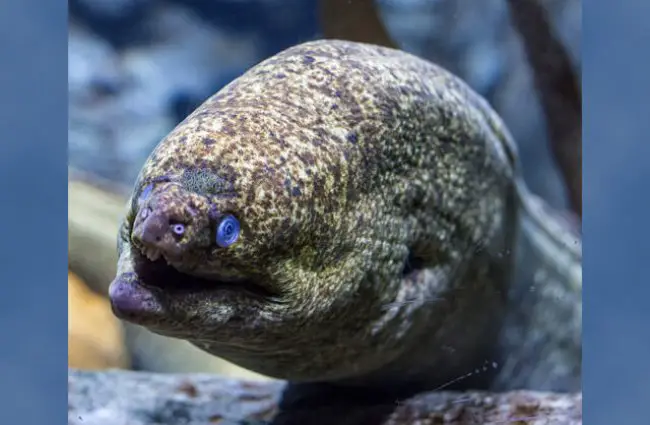
Moray Eels belong to the family Muraenidae, a diverse group of ray-finned fish characterized by their elongated, snake-like bodies. Despite their appearance, they are indeed fish, possessing gills and fins, albeit highly modified ones. Their sleek, scaleless skin is often covered in a protective mucus, which not only aids in navigating tight spaces but also helps deter parasites and predators.
These fascinating creatures are primarily marine inhabitants, thriving in tropical and subtropical waters around the globe. Their preferred habitats include coral reefs, rocky shorelines, mangrove estuaries, and even deep-sea environments. They are masters of camouflage, their mottled or patterned skin allowing them to blend seamlessly with their surroundings, whether it is the vibrant hues of a coral reef or the dark shadows of a volcanic rock formation.
Physical Marvels: Anatomy of an Ambush Predator
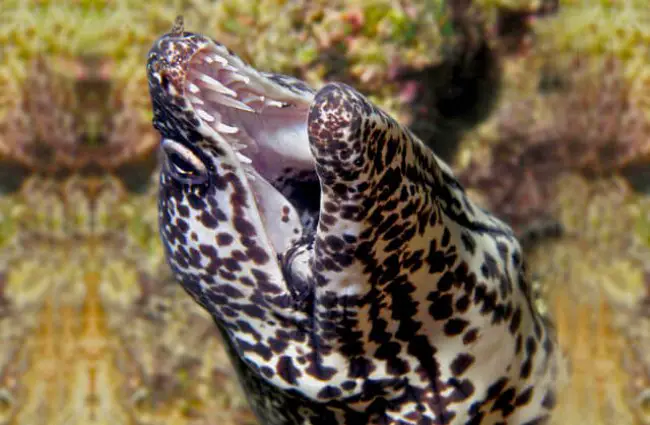
Moray Eels exhibit a wide range of sizes, from the diminutive ribbon eels measuring just a few inches to the giant moray, which can exceed 10 feet in length and weigh over 70 pounds. Their most striking features include a powerful, muscular body, a relatively small head, and often prominent, sharp teeth designed for gripping slippery prey. Unlike many fish, morays lack pectoral and pelvic fins, relying instead on undulating movements of their entire body for propulsion.
One of the most extraordinary adaptations of the Moray Eel is its unique feeding mechanism. It possesses a second set of jaws, known as pharyngeal jaws, located deep within its throat. When a moray strikes its prey, the primary jaws clamp down, and then these pharyngeal jaws shoot forward, grasping the prey and pulling it down the eel’s throat. This remarkable evolutionary innovation allows them to secure and swallow large, struggling prey effectively.
Diet and Hunting Strategies: Masters of the Reef
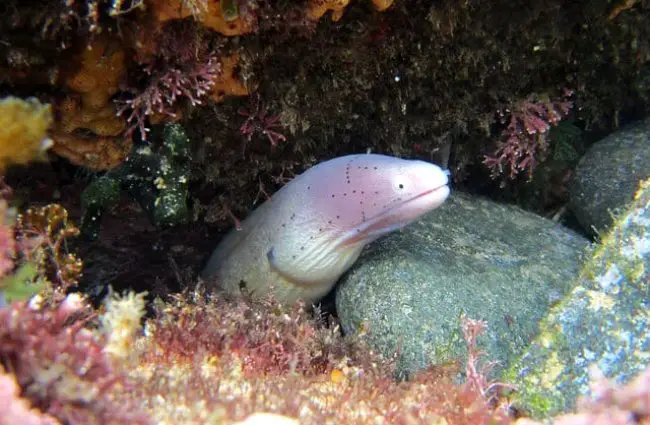
Moray Eels are carnivorous predators, primarily nocturnal hunters. They spend their days hidden within crevices, caves, or under rocks, emerging at night to forage. Their diet consists mainly of fish, crustaceans, and cephalopods. They are ambush predators, patiently waiting for unsuspecting prey to pass by their lairs. With a sudden burst of speed, they lunge, using their powerful jaws and sharp teeth to secure their meal.
Their keen sense of smell, rather than sight, is their primary tool for locating food in the often murky or dark environments they inhabit. Some species have even been observed engaging in cooperative hunting with other fish, such as groupers, where the moray flushes prey out of crevices for the grouper to catch, and vice versa, demonstrating a fascinating interspecies collaboration.
Deep Dive: Evolutionary History and Reproduction
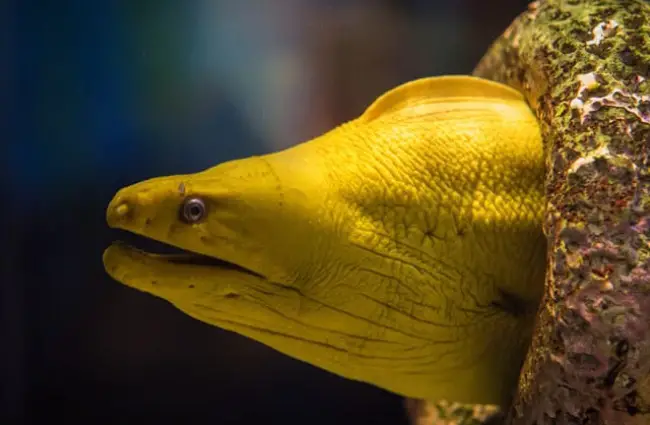
The evolutionary history of Moray Eels stretches back millions of years, making them ancient inhabitants of our oceans. Their distinctive body plan and specialized feeding apparatus are testaments to a long period of adaptation to their specific ecological niche. Fossil records suggest that their serpentine form and ambush predation strategy have been highly successful, allowing them to persist and diversify across various marine environments.
The Cycle of Life: Mating and Reproduction
The reproductive strategies of Moray Eels vary among species, but generally involve external fertilization. During mating season, which often coincides with warmer waters, males and females gather. The female releases her eggs into the water column, and the male simultaneously releases his sperm, fertilizing the eggs. These fertilized eggs develop into tiny, transparent larvae known as leptocephali. These leaf-like larvae drift in ocean currents for an extended period, sometimes for months or even years, before undergoing metamorphosis into juvenile eels and settling into their adult habitats.
Some moray species exhibit hermaphroditism, meaning an individual can possess both male and female reproductive organs. In certain cases, they may be sequential hermaphrodites, changing sex over their lifetime, often starting as one sex and transitioning to the other. This reproductive flexibility can be an advantageous adaptation in environments where finding a mate might be challenging.
Morays in the Ecosystem and Human Interaction
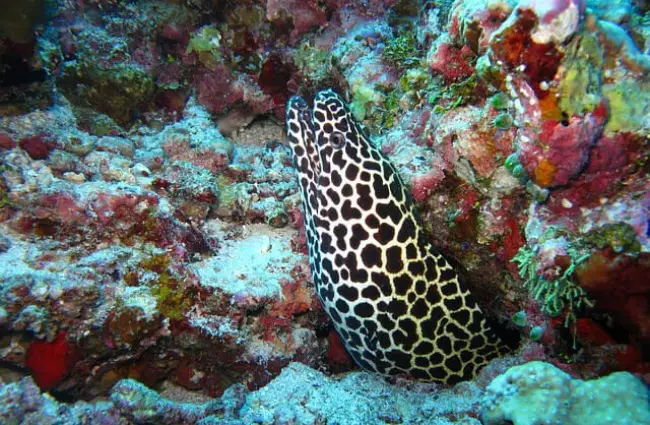
Moray Eels play a crucial role in maintaining the health and balance of marine ecosystems. As apex predators in their respective niches, they help regulate populations of smaller fish and crustaceans, preventing overpopulation and promoting biodiversity. Their presence is an indicator of a healthy reef system, as they rely on the complex structures of coral and rock for shelter and hunting grounds.
They also engage in fascinating symbiotic relationships. Cleaner shrimp and cleaner fish are often observed entering the mouths of morays, removing parasites and dead skin. This mutually beneficial interaction highlights the intricate connections within marine communities, where even formidable predators participate in cooperative behaviors.
Moray Eels and Human Culture
Throughout history, Moray Eels have captured the human imagination, often appearing in folklore and myths as mysterious or even fearsome creatures of the deep. Their hidden nature and sudden appearances contribute to their enigmatic reputation. In some cultures, they are revered, while in others, they are viewed with caution. Their striking patterns and powerful presence make them popular subjects for underwater photography and marine documentaries, further cementing their place in our collective consciousness.
Encountering Moray Eels: Safety and Respect
For divers, snorkelers, and anyone exploring marine environments, encountering a Moray Eel can be an awe-inspiring experience. While their appearance can be intimidating, Moray Eels are generally not aggressive towards humans. They are naturally shy and prefer to avoid confrontation. Bites usually occur when an eel feels threatened, is provoked, or mistakes a human hand for food, especially if food is being offered. It is crucial to remember that they are wild animals and should be observed from a respectful distance without attempting to touch or feed them. Avoid placing hands into crevices where an eel might be hiding. If an encounter occurs, remain calm and slowly back away. Their bites, while painful and capable of causing significant injury due to their sharp teeth, are not typically venomous, though secondary infections are a concern and medical attention should be sought.
Practical Insights for Enthusiasts and Professionals
Finding Moray Eels in the Wild
For animal lovers and aspiring zoologists hoping to observe Moray Eels in their natural habitat, here are some tips:
- Habitat Focus: Concentrate your search on coral reefs, rocky shorelines, and areas with abundant crevices and caves.
- Time of Day: While they can be seen peeking out during the day, nocturnal dives offer the best chance to witness them actively hunting.
- Patience is Key: Morays often remain hidden. Look for their heads protruding from holes or observe areas where cleaner shrimp are active, as this often indicates a moray’s presence.
- Respectful Observation: Maintain a safe distance and avoid sudden movements or loud noises that could disturb them.
Caring for Moray Eels in Captivity: A Zookeeper’s Guide
Zookeepers caring for Moray Eels face unique challenges and responsibilities to ensure the well-being of these specialized creatures. Proper husbandry is paramount:
- Habitat Design:
- Tank Size: Provide ample space. A general rule is at least 100 gallons for smaller species, significantly more for larger ones, ensuring enough swimming room and stable water parameters.
- Hiding Spots: Crucial for their comfort and security. Incorporate plenty of secure rockwork, PVC pipes, or artificial caves that mimic their natural crevices. Ensure structures are stable and cannot collapse.
- Substrate: A soft sand or fine gravel substrate is generally suitable, but the focus should be on secure rockwork.
- Water Quality:
- Maintain pristine marine water parameters: stable salinity, temperature, pH, and undetectable ammonia/nitrite levels.
- Robust filtration systems are essential due to their carnivorous diet and waste production.
- Diet in Captivity:
- Offer a varied diet of high-quality, appropriately sized marine fish (e.g., silversides, krill), squid, and shrimp.
- Feed 2-3 times per week, adjusting frequency based on the eel’s size and species.
- Supplement with vitamins to ensure complete nutrition.
- Use feeding tongs to prevent accidental bites.
- Health Monitoring:
- Regularly observe for signs of stress, injury, or disease, such as changes in appetite, lethargy, skin lesions, or abnormal breathing.
- Monitor for external parasites, especially if wild-caught.
- Handling and Safety:
- Moray Eels can inflict serious bites. Always use appropriate protective gear and tools when handling or performing tank maintenance.
- Minimize direct contact. If relocation is necessary, use sturdy containers or nets.
- What to Avoid:
- Overfeeding: Can lead to poor water quality and health issues.
- Incompatible Tank Mates: Morays are predatory; avoid housing them with fish small enough to be considered prey.
- Unstable Decor: Ensure all rockwork is secure to prevent collapses that could injure the eel or damage the tank.
- Sudden Changes: Avoid abrupt changes in water parameters or environment, which can cause stress.
- Bare Tanks: Lack of hiding spots will stress the eel and make it feel insecure.
Fascinating Facts About Moray Eels
Here is a compilation of intriguing facts that highlight the unique nature of Moray Eels:
- Moray Eels are not true eels in the biological sense, but rather a distinct family of fish.
- They possess a second set of jaws, called pharyngeal jaws, which extend forward to grasp and pull prey into their throat.
- Their skin is scaleless and covered in a thick, protective mucus.
- Many species have excellent camouflage, blending seamlessly with their rocky or coral surroundings.
- Morays lack pectoral and pelvic fins, moving with serpentine undulations of their bodies.
- They have a highly developed sense of smell, which they use to locate prey in dark or murky waters.
- Some moray species can grow over 10 feet long, like the Giant Moray.
- They are primarily nocturnal hunters, emerging from their lairs at night.
- Certain species engage in cooperative hunting with other fish, such as groupers.
- Cleaner shrimp and fish often enter a moray’s mouth to remove parasites, a symbiotic relationship.
- Moray Eel bites, while painful, are not typically venomous, though secondary infection is a risk.
- Their larvae, known as leptocephali, are transparent and leaf-shaped, drifting in ocean currents.
- Some moray species are hermaphroditic, capable of changing sex during their lifetime.
- They are important apex predators in reef ecosystems, helping to maintain balance.
- Morays are known for their powerful jaws and sharp, often backward-pointing teeth designed to hold onto slippery prey.
Conclusion: Guardians of the Reef
From their ancient origins to their intricate ecological roles, Moray Eels are undeniably some of the ocean’s most captivating inhabitants. Their unique adaptations, from their pharyngeal jaws to their symbiotic cleaning stations, paint a picture of a creature perfectly evolved for its environment. Understanding and appreciating these serpentine guardians of the reef is not just about satisfying scientific curiosity; it is about recognizing the delicate balance of marine ecosystems and our shared responsibility to protect them. The next time you gaze upon the ocean’s depths, remember the Moray Eel, a testament to nature’s endless ingenuity and beauty.
![Closeup of a beautiful Red Angus cowPhoto by: U.S. Department of Agriculture [pubic domain]https://creativecommons.org/licenses/by/2.0/](https://animals.net/wp-content/uploads/2020/03/Red-Angus-4-238x178.jpg "Red Angus")

![Closeup of a beautiful Red Angus cowPhoto by: U.S. Department of Agriculture [pubic domain]https://creativecommons.org/licenses/by/2.0/](https://animals.net/wp-content/uploads/2020/03/Red-Angus-4-100x75.jpg "Red Angus")