The Majestic Moose: An Icon of the Wild North
Deep within the vast, silent forests and across the sprawling wetlands of the Northern Hemisphere, a truly magnificent creature roams: the moose. Known by its Algonquin name, “moos” meaning “eater of twigs,” this colossal deer species stands as a symbol of the wild, untamed wilderness. With its towering stature, distinctive antlers, and surprisingly graceful movements, the moose captivates the imagination of all who encounter it. This article delves into the fascinating world of the moose, exploring its biology, behavior, ecological role, and its intricate relationship with humans, offering insights for students, wildlife enthusiasts, and even those who might find themselves face to face with this gentle giant.
Unveiling the Giant: Basic Moose Facts
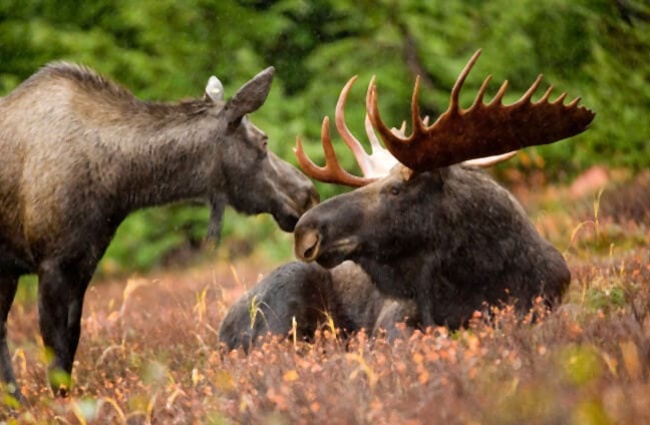
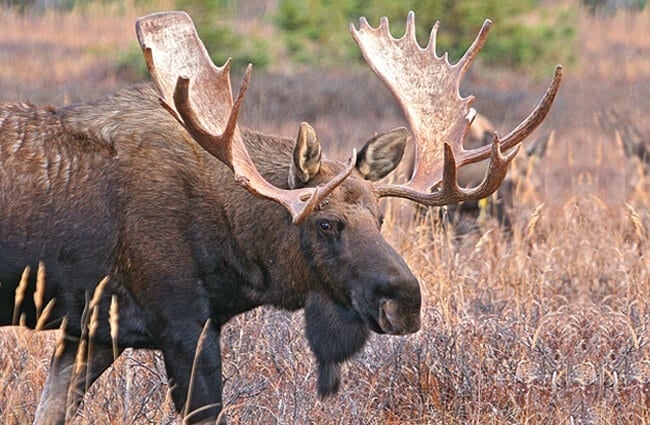
The moose, scientifically known as Alces alces, is the largest living species in the deer family (Cervidae). These impressive animals are instantly recognizable by several key features. Adult moose typically stand between 1.8 to 2.1 meters (6 to 7 feet) tall at the shoulder, with some individuals reaching even greater heights. Their weight can range from 360 to 700 kilograms (800 to 1,500 pounds), making them formidable presences in their environment. Their coat is usually a dark brown to black, providing excellent camouflage within the dense forests they inhabit. A prominent shoulder hump and a dewlap, or “bell,” a flap of skin hanging from the throat, are also characteristic traits.
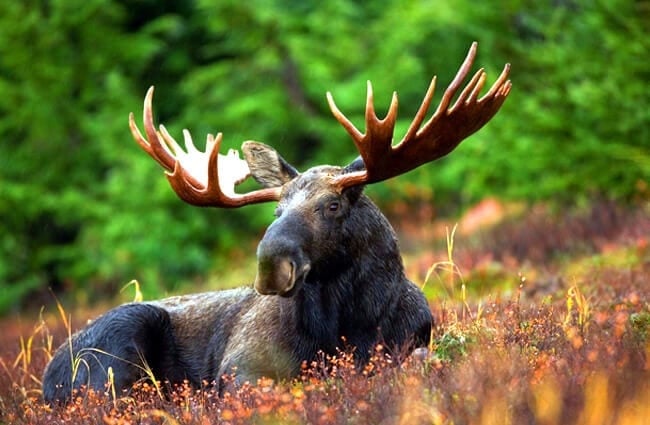
Perhaps the most striking feature of the male moose, or bull, is its enormous antlers. Unlike the branched antlers of other deer, moose antlers are broad, palmate (palm-shaped), and can span up to 1.8 meters (6 feet) across, weighing over 20 kilograms (45 pounds). These magnificent structures are shed annually, typically in late winter, and regrow throughout the spring and summer, reaching their full size by late summer in preparation for the breeding season. Females, or cows, do not grow antlers.
Where the Wild Things Roam: Moose Habitat and Distribution
Moose are creatures of the boreal forest and subarctic regions, thriving in cold climates across the Northern Hemisphere. Their distribution spans vast areas of North America, Europe, and Asia. In North America, they are found from Alaska and Canada down into parts of the northern United States, including states like Maine, Minnesota, Montana, and Wyoming. In Europe and Asia, they are known as elk (not to be confused with the North American elk, which is a different species of deer) and inhabit Scandinavia, Eastern Europe, Russia, and parts of northern China and Mongolia.
Their preferred habitat is characterized by a mosaic of dense forests, wetlands, and lakes. Moose require access to both deciduous and coniferous trees for browsing, as well as abundant water sources. They are particularly fond of areas with willow, aspen, birch, and balsam fir. The presence of water is crucial not only for drinking but also for cooling down during warmer months and for accessing aquatic vegetation, which forms a significant part of their diet. Deep snow cover in winter is generally tolerated, as their long legs allow them to navigate through it, but excessively deep snow can limit their mobility and access to food.
A Vegetarian’s Feast: The Moose Diet
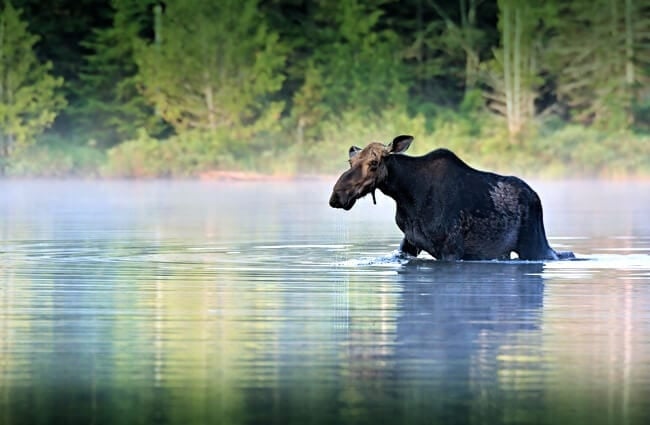
Moose are herbivores, and their diet consists primarily of woody browse, leaves, and aquatic plants. They are selective eaters, preferring nutrient-rich vegetation. During the summer months, they spend a considerable amount of time foraging in wetlands, ponds, and lakes, where they consume large quantities of aquatic plants such as water lilies, pondweed, and horsetails. These plants are vital for their sodium intake, a mineral often scarce in terrestrial vegetation. Moose are excellent swimmers and divers, capable of holding their breath for extended periods to reach submerged plants.
As seasons change, so does their diet. In autumn and winter, when aquatic plants become inaccessible, moose shift their focus to woody browse. They strip bark and twigs from trees and shrubs, including willow, aspen, birch, and fir. Their specialized digestive system, a four-chambered stomach, allows them to efficiently process this fibrous material. An adult moose can consume an astonishing 20 to 30 kilograms (44 to 66 pounds) of vegetation per day to maintain its massive body size and energy requirements.
Life’s Cycle: Mating, Reproduction, and Calf Rearing
The breeding season for moose, known as the rut, typically occurs from late September to October. During this time, bulls become highly competitive, using their impressive antlers to display dominance and engage in sparring matches to win the attention of cows. The air fills with their distinctive calls, a deep bellow from the bulls and a mournful wail from the cows. After successful mating, the gestation period lasts approximately 230 to 240 days.
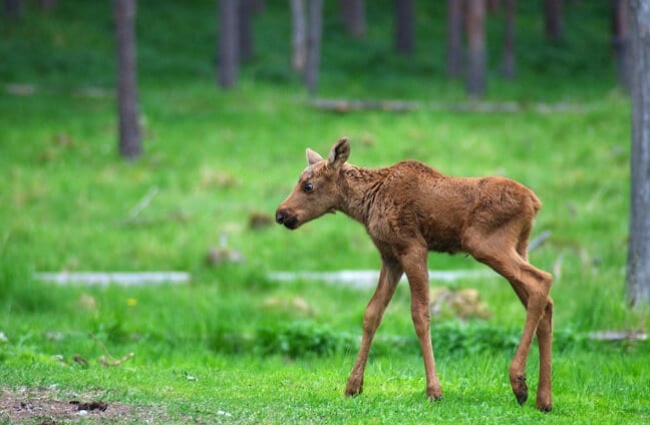
Calves are usually born in late May or early June. A cow typically gives birth to a single calf, though twins are not uncommon, especially in areas with abundant food resources. Newborn calves are gangly and vulnerable, weighing around 11 to 16 kilograms (25 to 35 pounds). They grow rapidly, gaining several pounds a day, thanks to their mother’s rich milk. The cow is fiercely protective of her calf, and this is when moose can be particularly dangerous to humans or other animals that approach too closely. Calves remain with their mother for about a year, learning essential survival skills before becoming independent.
Giants of the Ecosystem: Moose’s Role and Interactions
Moose play a significant role in their ecosystems as primary consumers and ecosystem engineers. Their browsing habits can dramatically influence forest structure and plant diversity. By consuming large quantities of specific plant species, they can open up areas for other plants to grow, creating a more diverse understory. This impact is particularly noticeable in areas with high moose populations, where a “browse line” can be observed on trees and shrubs.
Moose are prey animals, though their size and strength make them formidable targets. Their primary predators include wolves, bears (both grizzly and black bears), and occasionally cougars. Calves are especially vulnerable to predation. In turn, moose carcasses provide food for scavengers and contribute nutrients back into the soil, supporting the broader food web. They also interact with smaller animals, sometimes inadvertently creating pathways through dense vegetation that other creatures utilize.
Moose and Humanity: A Complex Relationship
The moose holds a special place in human culture, particularly among indigenous peoples of the North. It is revered as a powerful spirit animal, a source of sustenance, and a symbol of the wilderness. Moose meat has historically been a crucial food source, and their hides used for clothing and shelter. Antlers are often used for tools, art, and ceremonial objects. In modern times, moose are popular subjects for wildlife photography and ecotourism, drawing visitors to their natural habitats.
However, human interaction with moose is not without challenges. Moose vehicle collisions are a serious concern in areas where their habitat overlaps with roads, leading to significant property damage and sometimes fatal injuries for both moose and humans due to the animal’s immense size. Habitat loss and fragmentation due to human development also pose threats to moose populations. Climate change is another emerging concern, as warmer temperatures can stress moose, making them more susceptible to parasites and diseases.
Encountering a Moose in the Wild: Safety First
For hikers and outdoor enthusiasts, encountering a moose can be an awe-inspiring experience, but it is crucial to remember that moose are wild animals and can be dangerous if provoked or threatened. Unlike deer, moose do not typically flee when startled. Instead, they may stand their ground or even charge. Here are essential safety guidelines:
- Give them space: Maintain a significant distance, at least 20 to 30 meters (65 to 100 feet).
- Observe their behavior:
- Ears laid back, hair bristling, head lowered, or licking their lips are signs of agitation.
- A moose that walks towards you or stomps its feet is sending a clear warning.
- Never approach calves: A cow moose with a calf is extremely protective and will charge if she perceives a threat.
- If a moose charges:
- Run and get behind a large tree or other solid object.
- If knocked down, curl into a ball and protect your head with your arms. Moose typically stomp rather than bite.
- Avoid startling them: Make noise while hiking to announce your presence.
The Art of Moose Spotting: Tips for Wildlife Enthusiasts
For animal lovers hoping to catch a glimpse of a moose in its natural environment, patience and knowledge of their habits are key. Moose are most active during dawn and dusk, making these the best times for observation. They are often found near water bodies, such as lakes, ponds, and slow-moving rivers, especially during warmer months when they seek aquatic vegetation and relief from insects.
Look for signs of their presence: large, cloven hoofprints, browsed vegetation (broken twigs, stripped bark), and droppings. Areas with dense willow thickets, aspen groves, and marshy clearings are prime locations. Consider visiting national parks or wildlife refuges known for their moose populations, such as Isle Royale National Park, Yellowstone National Park, or Algonquin Provincial Park. Always remember to bring binoculars and maintain a respectful distance to ensure both your safety and the well-being of the animal.
Caring for Captive Giants: A Zookeeper’s Guide
Caring for moose in a captive environment presents unique challenges due to their size, specific dietary needs, and behavioral patterns. Zookeepers must provide an environment that closely mimics their natural habitat to ensure their health and welfare.
- Habitat Design:
- Enclosures must be spacious, offering ample room for movement, browsing, and resting.
- Inclusion of natural vegetation, such as willow and aspen, for browsing is crucial.
- Access to a large, clean water source for drinking and cooling is essential, ideally a pond or large pool.
- Shade structures and misters are important for heat regulation, as moose are susceptible to heat stress.
- Dietary Management:
- A diet rich in browse material is paramount. Fresh browse should be provided daily.
- High-quality hay, specialized herbivore pellets, and mineral supplements, especially sodium, are necessary.
- Aquatic vegetation, if possible, can be a valuable addition during warmer months.
- Diet must be carefully monitored to prevent obesity or nutritional deficiencies.
- Behavioral Enrichment:
- Providing novel browse, puzzle feeders, and opportunities for swimming encourages natural behaviors.
- Regular health checks, hoof care, and monitoring for parasites are vital.
- During the rut, special precautions are needed for handling bulls due to their increased aggression.
- What to Avoid:
- Overcrowding in enclosures.
- Diets lacking sufficient fiber or appropriate mineral balance.
- Lack of environmental enrichment leading to stereotypic behaviors.
- Direct contact with bulls during the rut without proper safety protocols.
- Exposure to excessively warm temperatures without adequate cooling options.
Evolutionary Journey: Tracing the Moose’s Past
The evolutionary history of the moose is a fascinating tale of adaptation to cold, forested environments. Moose belong to the tribe Alceini within the deer family. Their lineage can be traced back to the Pliocene epoch, with early forms appearing in Asia. The genus Alces likely originated in Eurasia and subsequently spread across the Bering land bridge into North America during the Pleistocene. Over millennia, different populations adapted to local conditions, leading to the recognition of several subspecies.
Key evolutionary adaptations include their long legs, ideal for navigating deep snow and marshy terrain, and their broad, palmate antlers, which are distinct from the more branched antlers of other deer. Their specialized digestive system allows them to thrive on a diet of tough, fibrous woody browse. Genetic studies continue to refine our understanding of moose migration patterns and diversification across their vast range, highlighting the resilience and adaptability of this species through periods of significant climate change.
Fascinating Moose Facts: A Compendium of Wonders
The moose is full of surprises. Here is a list of intriguing facts that highlight their unique characteristics:
- Exceptional Swimmers: Moose are incredibly strong swimmers and can dive to depths of 6 meters (20 feet) or more, holding their breath for up to a minute to graze on aquatic plants.
- Sensitive Nose: Their large, overhanging snout is highly sensitive and prehensile, allowing them to grasp branches and strip leaves with precision.
- Solitary Nature: Moose are generally solitary animals, coming together primarily during the breeding season.
- Antler Growth: A bull’s antlers can grow at an astonishing rate of up to 2.5 centimeters (1 inch) per day during peak growth periods.
- Poor Eyesight, Keen Hearing and Smell: While their eyesight is not particularly sharp, moose possess excellent hearing and an acute sense of smell, which they use to detect predators and find food.
- Winter Survival: In winter, moose conserve energy by reducing their activity levels and seeking shelter from harsh winds. They can also lower their metabolic rate.
- Longevity: In the wild, moose typically live for 15 to 20 years, though their lifespan can be shorter in areas with high predator populations or harsh conditions.
- The “Bell”: The dewlap, or “bell,” hanging from a moose’s throat, is more prominent in males and its exact function is still debated, though it may play a role in display or scent marking.
The moose stands as a testament to the power and adaptability of nature. From its towering presence in the boreal forests to its intricate role in the ecosystem, this magnificent creature continues to inspire awe and curiosity. Understanding the moose is not just about appreciating a single species; it is about recognizing the delicate balance of the wild North and our shared responsibility to protect these iconic giants for generations to come.
![Closeup of a beautiful Red Angus cowPhoto by: U.S. Department of Agriculture [pubic domain]https://creativecommons.org/licenses/by/2.0/](https://animals.net/wp-content/uploads/2020/03/Red-Angus-4-238x178.jpg "Red Angus")
![Closeup of a beautiful Red Angus cowPhoto by: U.S. Department of Agriculture [pubic domain]https://creativecommons.org/licenses/by/2.0/](https://animals.net/wp-content/uploads/2020/03/Red-Angus-4-100x75.jpg "Red Angus")