The forests of Asia hold a captivating creature, often referred to as the “Moon Bear.” This moniker stems from the distinctive crescent-shaped patch of pale or white fur adorning its chest, resembling a crescent moon. But this captivating appearance is only a small part of what makes the Asiatic black bear, scientifically known as Ursus thibetanus, a truly remarkable animal. This comprehensive guide delves into the fascinating world of the Moon Bear, exploring its habitat, behavior, evolutionary history, and the challenges it faces in a changing world.
Understanding the Moon Bear
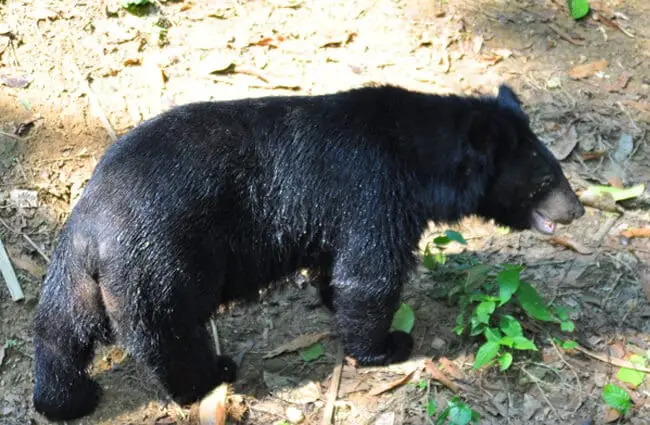
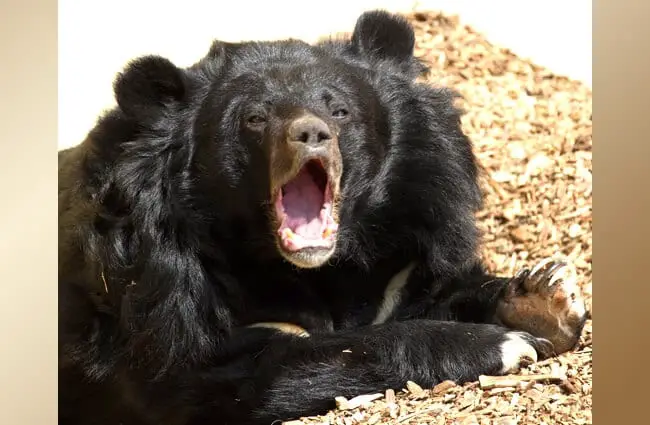
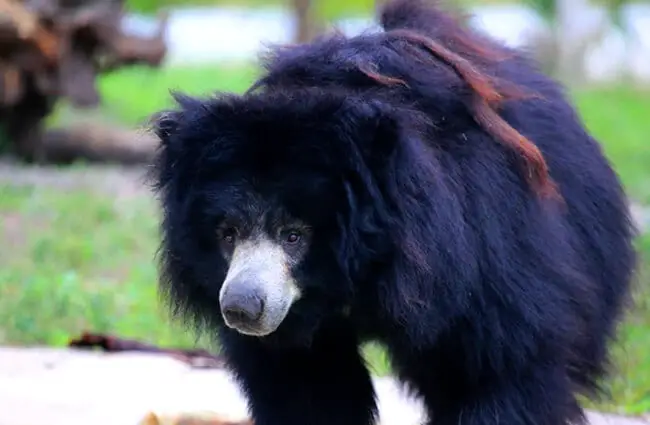
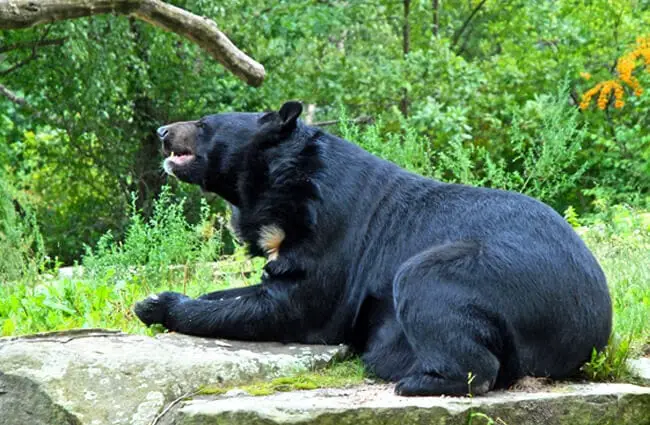
Moon Bears are medium‑sized bears, generally smaller than brown bears or polar bears. Adults typically stand 2.5 to 5 feet tall on all fours and weigh 100 to 400 pounds. Their coat is typically black, though it can sometimes appear slightly brown depending on the season and individual. Beyond the iconic chest marking, Moon Bears have relatively short, sleek fur compared to other bear species, an adaptation to the warmer climates they inhabit.
Habitat and Distribution
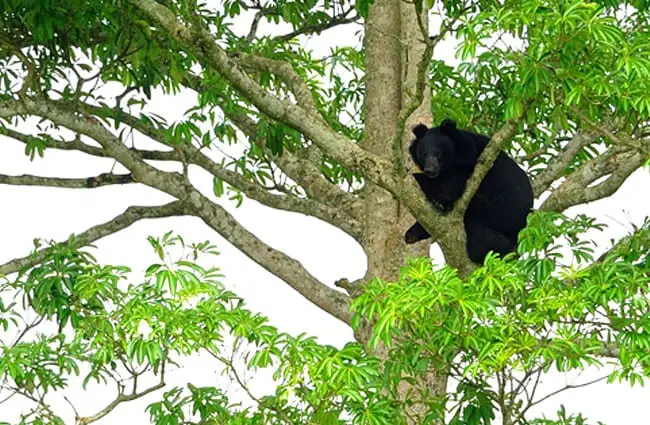
Moon Bears are found throughout much of Asia, including India, Nepal, Bhutan, Myanmar, Thailand, Vietnam, and parts of Russia and China. Their habitat is diverse, ranging from tropical rainforests and evergreen forests to deciduous woodlands and even rocky areas. They generally prefer forested areas with access to water sources and abundant food, and can be found at elevations up to 12,000 feet in the Himalayas.
A Wide Range, But a Shrinking World
Historically, Moon Bears had a much wider distribution. However, habitat loss due to deforestation and human encroachment has significantly reduced their range and fragmented their populations. This makes them increasingly vulnerable to extinction in certain areas.
Diet and Foraging Behavior
Moon Bears are opportunistic omnivores, meaning they consume a wide variety of foods depending on availability. Their diet includes fruits, nuts, roots, insects, honey, small mammals, and occasionally fish. A significant portion of their diet consists of plant matter, particularly during certain seasons. They are known for their fondness for insects, which they locate by digging in logs and under rocks.
The Importance of Insects and Honey
Insects provide a vital source of protein, especially during the warmer months. Honey, while a treat, offers a concentrated source of energy. Moon Bears are skilled climbers and will readily raid beehives, often enduring numerous stings to obtain the sweet reward.
Evolutionary History
The evolutionary history of the Asiatic black bear stretches back millions of years. Its ancestors are believed to have originated in Asia and gradually diversified into different subspecies. Fossil evidence suggests that these bears were once more widely distributed across the continent. Genetic studies have helped clarify the relationships between the Asiatic black bear and other bear species, revealing its unique place in the bear family tree.
Adaptation and Survival
Over time, the Asiatic black bear has adapted to a variety of environments, developing specialized traits that enhance its survival. These include its climbing ability, opportunistic feeding habits, and its ability to withstand a wide range of temperatures.
Reproduction and Life Cycle
Moon Bears typically reach sexual maturity between three and four years of age. Mating usually occurs in late summer or early autumn. After a gestation period of approximately seven months, females give birth to one to three cubs in a den, usually a cave or hollow tree. Cubs are born blind and helpless, relying entirely on their mother for care and protection. They remain with their mother for around two to three years, learning essential survival skills.
Delayed Implantation
Moon Bears exhibit delayed implantation. The fertilized egg does not immediately implant in the uterus but remains in a dormant state until conditions are favorable for development. This allows the female to time her pregnancy to coincide with the availability of food resources.
Moon Bears and Their Ecosystem
Moon Bears play an important role in their ecosystems. As omnivores, they help to disperse seeds, control insect populations, and maintain the health of forests. Their foraging activities can also create openings in the undergrowth, benefiting other species. They also serve as prey for larger predators, such as tigers and leopards, although this is relatively uncommon.
Keystone Species?
While not definitively classified as a keystone species, the Moon Bear’s foraging and seed dispersal activities suggest that it plays a vital role in maintaining the biodiversity and health of its habitat.
Interacting with Humans
Historically, Moon Bears coexisted with humans throughout much of Asia. However, increasing human populations, habitat loss, and poaching have led to conflicts between humans and bears. Bears may raid crops, attack livestock, or injure people, leading to retaliatory killings. They are tragically targeted for their bile, which is used in traditional medicine, leading to the horrific practice of “bear farming.”
Bear farming involves keeping bears in small cages and extracting their bile through painful procedures. This practice is cruel and poses a threat to public health, as the bile can be contaminated with bacteria and viruses.
Conservation Status
The Asiatic black bear is listed as “Vulnerable” by the International Union for Conservation of Nature (IUCN). This designation indicates that the species faces a high risk of extinction in the medium term. Key threats include habitat loss, poaching, and the illegal wildlife trade. Conservation efforts focus on protecting and restoring habitats, combating poaching, and promoting sustainable development in bear‑inhabited areas.
Supporting organizations that protect bears and their habitats is a valuable way to help. Advocating for stronger laws and regulations to combat poaching and the illegal wildlife trade can also make a significant difference.
Encountering a Bear in the Wild
Encountering a bear in the wild can be a thrilling but potentially dangerous experience. If you encounter a Moon Bear, it is important to remain calm and follow these safety guidelines:
- Make noise: Talk loudly or sing to alert the bear to your presence.
- Give it space: Slowly back away, keeping an eye on the bear.
- Do not run: Running may trigger the bear to chase you.
- Carry bear spray: If you are in bear country, carry bear spray and know how to use it.
- Report the sighting: Report the sighting to local wildlife authorities.
Caring for Moon Bears in Captivity
Zookeepers caring for Moon Bears in captivity have a responsibility to provide them with a stimulating and enriching environment. This includes:
- Spacious enclosures: Provide enclosures large enough to allow the bears to roam and exercise.
- Enrichment activities: Offer a variety of enrichment activities, such as puzzle feeders, climbing structures, and scent trails.
- Nutritious diet: Provide a balanced diet that mimics the bears’ natural foraging behavior.
- Veterinary care: Provide regular veterinary care to ensure the bears’ health and well‑being.
It is crucial to avoid any activities that could cause the bears stress or anxiety, such as excessive noise or human interaction.
The Moon Bear, with its striking appearance and fascinating behavior, is a true treasure of the Asian forests. By understanding and appreciating this remarkable species, we can work together to ensure its survival for generations to come.
![Closeup of a beautiful Red Angus cowPhoto by: U.S. Department of Agriculture [pubic domain]https://creativecommons.org/licenses/by/2.0/](https://animals.net/wp-content/uploads/2020/03/Red-Angus-4-238x178.jpg "Red Angus")
![Closeup of a beautiful Red Angus cowPhoto by: U.S. Department of Agriculture [pubic domain]https://creativecommons.org/licenses/by/2.0/](https://animals.net/wp-content/uploads/2020/03/Red-Angus-4-100x75.jpg "Red Angus")