Beneath the sun‑baked soils of eastern Africa, a remarkable creature thrives, defying conventional mammalian norms. It is the naked mole rat, a rodent unlike any other, a biological enigma that continues to captivate scientists and challenge our understanding of life itself. This guide delves into the fascinating world of the naked mole rat, exploring its unique biology, behavior, ecological role, and surprising connections to human research.
Understanding the Naked Mole Rat
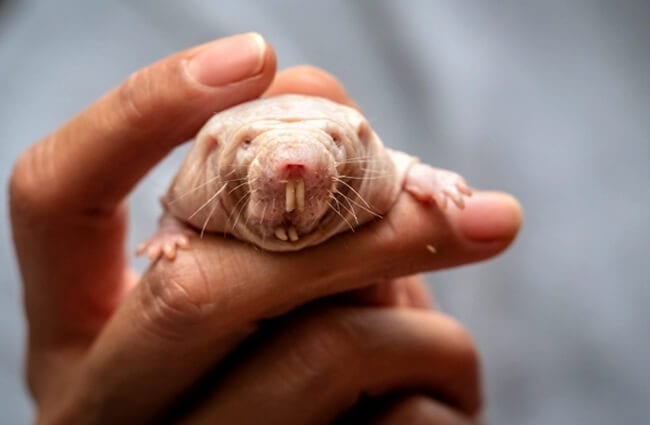
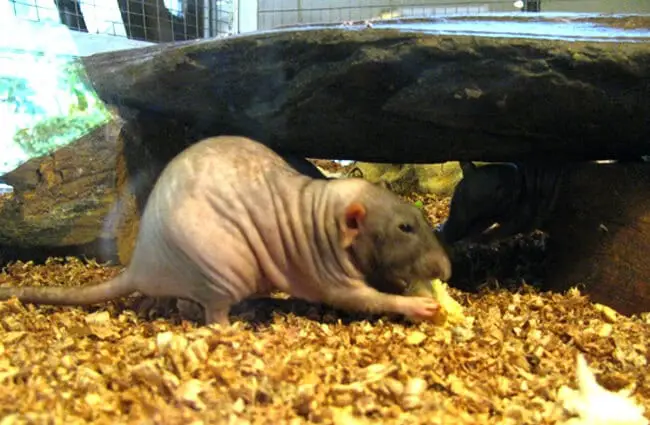
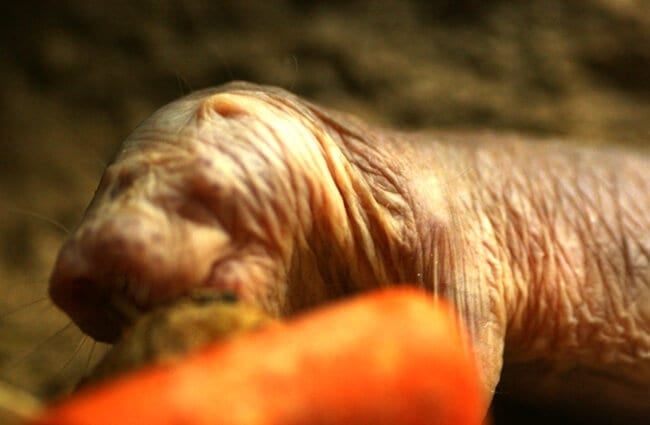
The naked mole rat, Heterocephalus glaber, is a hairless, nearly blind rodent native to arid and semi‑arid regions of Ethiopia, Kenya, and Somalia. Its pale pink, wrinkled skin and protruding teeth give it a decidedly unusual appearance. But its strangeness goes far beyond aesthetics. These creatures are eusocial, meaning they live in colonies with a single breeding female, known as the queen, and her offspring. This social structure is exceptionally rare in mammals, more commonly found in insects such as bees and ants.
Habitat and Distribution
Naked mole rats occupy a specific ecological niche. They thrive in dry, underground environments, constructing extensive tunnel systems that can stretch for kilometers. These tunnels provide shelter from predators and the harsh above‑ground climate, and serve as the central hub for their social life. They prefer areas with sandy or loamy soils that are easy to excavate. The presence of particular root systems can also influence tunnel construction. Finding them requires looking for telltale mounds of excavated earth, though these are often subtle and easily overlooked.
Physical Characteristics
Adult naked mole rats typically weigh between 30 and 40 grams and measure around 8 to 10 centimeters in length. Their lack of fur is an adaptation to their subterranean lifestyle, reducing friction within the tunnels. The skin is incredibly elastic, allowing them to squeeze into tight spaces. They have small eyes, which are covered by a layer of skin, and rely more on their sense of touch and smell to navigate. Their large, protruding incisors are used for digging and manipulating the soil.
The Biology of an Exceptional Mammal
The naked mole rat boasts a suite of physiological adaptations that set it apart from other mammals. These aren’t simply quirky traits; they’re fundamental to its survival in a challenging environment.
Diet and Nutrition
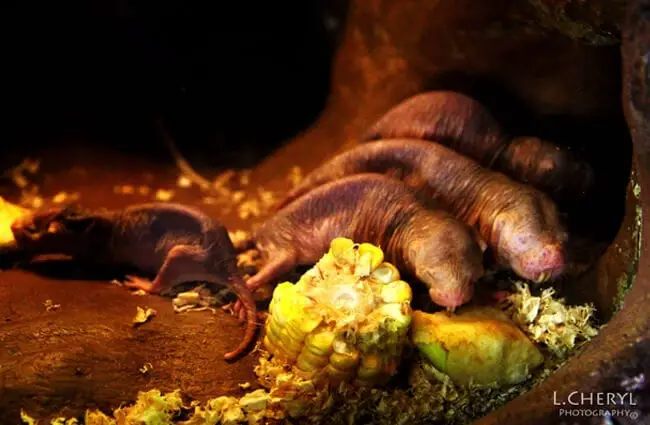
Naked mole rats are herbivores, feeding primarily on the roots, tubers, and bulbs of plants. They locate food using their sensitive noses and excavate it with their strong claws. Their digestive system is highly efficient at extracting nutrients from these low‑quality food sources. They also exhibit coprophagy, consuming their own feces to extract any remaining nutrients.
Remarkable Pain Insensitivity
Perhaps one of the most astonishing features of the naked mole rat is its lack of sensitivity to certain types of pain, particularly those caused by acids. This is due to a unique biochemical pathway involving a substance called Nerve Growth Factor (NGF). In most mammals, NGF triggers pain signals. However, naked mole rats produce a modified form of NGF that doesn’t activate these pain receptors. This adaptation is thought to protect them from the corrosive effects of the acidic soil in their burrows.
Exceptional Longevity and Cancer Resistance
Naked mole rats are remarkably long‑lived for rodents, with some individuals living for over 30 years. This is significantly longer than most other rodents, which typically live for only a few years. Their longevity is linked to their exceptional cancer resistance. They have multiple mechanisms that protect them from cancer, including a unique high‑molecular‑weight hyaluronic acid and robust DNA repair mechanisms. This has made them a subject of intense research in the field of cancer biology.
Low Metabolic Rate and Hypoxia Tolerance
Naked mole rats have an incredibly low metabolic rate, even for a rodent. This means they consume very little oxygen and can survive for extended periods in environments with low oxygen levels. They achieve this by switching to a different metabolic pathway that doesn’t require oxygen. This adaptation allows them to thrive in the poorly ventilated tunnels they inhabit.
Social Structure and Reproduction
The eusocial lifestyle of the naked mole rat is a defining characteristic. The colony functions like a superorganism, with each individual contributing to the survival and reproduction of the group.
The Queen and Her Court
The queen is the sole breeding female in the colony. She maintains her reproductive dominance through pheromonal and behavioral control, suppressing the reproductive abilities of other females. She produces all the offspring for the colony, and her offspring become the workers and soldiers who maintain the tunnels, forage for food, and defend the colony from intruders.
Worker and Soldier Roles
Workers are responsible for the majority of the colony’s tasks, including digging tunnels, foraging for food, and caring for the young. Soldiers are larger and more aggressive, and their primary role is to defend the colony from predators and rival colonies. They have enlarged incisors and powerful jaws, making them formidable opponents.
Reproduction and Development
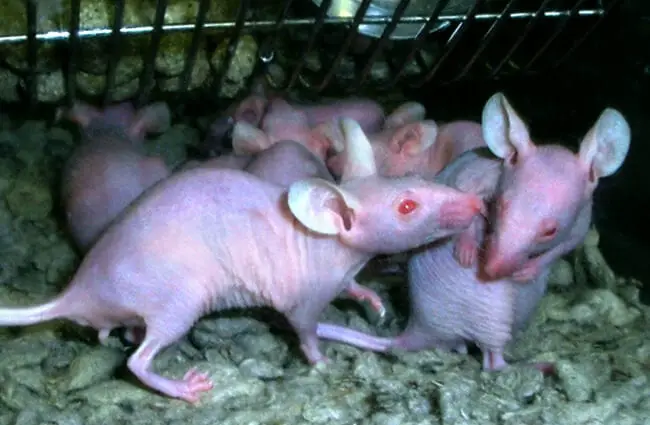
The queen can breed throughout the year, giving birth to litters of pups. Pups are initially blind and hairless, and they are cared for by the workers. They gradually develop the characteristics of their assigned role, becoming either workers or soldiers. The queen’s reproductive output is influenced by factors such as food availability and colony size.
Ecological Role and Interactions
Naked mole rats play a crucial role in their ecosystems, influencing soil structure, nutrient cycling, and plant growth.
Soil Aeration and Nutrient Cycling
Their extensive tunnel systems aerate the soil, improving water infiltration and root growth. They also contribute to nutrient cycling by incorporating organic matter into the soil and transporting it throughout the tunnel system. Their burrowing activities can significantly alter the physical and chemical properties of the soil.
Prey and Predators
Naked mole rats are preyed upon by a variety of predators, including snakes, jackals, and birds of prey. They defend themselves by retreating into their tunnels and using their sharp teeth to bite attackers. Their colonial lifestyle provides a degree of protection, as multiple individuals can work together to defend the colony.
Interactions with Other Animals
They often share their tunnels with certain species of snakes and lizards. These interactions can influence the dynamics of the local ecosystem, but they also pose potential threats that the mole rats must manage.
Naked Mole Rats and Humans
The naked mole rat has garnered significant attention from scientists due to its unique biological features. Research on this fascinating creature has implications for a variety of fields, including cancer biology, aging, and pain management.
Research Applications
Their exceptional cancer resistance is being studied to identify potential targets for cancer prevention and treatment. Their longevity is being investigated to understand the mechanisms of aging and identify potential strategies for extending lifespan. Their pain insensitivity is being studied to develop new pain medications.
Captive Care
Naked mole rats are increasingly popular exhibits in zoos and aquariums. Captive care requires specialized enclosures that mimic their natural subterranean environment. They need a complex network of tunnels, a constant temperature, and a diet consisting of roots and tubers. They also require social interaction with other naked mole rats to maintain their well‑being.
Encountering a Naked Mole Rat in the Wild
If you are hiking or exploring the arid regions of eastern Africa, you might encounter evidence of a naked mole rat colony. Look for small mounds of excavated earth, which are often subtle and easily overlooked. If you are fortunate enough to observe a naked mole rat, admire it from a distance and avoid disturbing its habitat.
The naked mole rat is truly a remarkable creature, a testament to the power of evolution and adaptation. Its unique biology and social structure continue to challenge our understanding of life and inspire new avenues of research. By learning more about this fascinating animal, we can gain a deeper appreciation for the diversity and complexity of the natural world.
![Closeup of a beautiful Red Angus cowPhoto by: U.S. Department of Agriculture [pubic domain]https://creativecommons.org/licenses/by/2.0/](https://animals.net/wp-content/uploads/2020/03/Red-Angus-4-238x178.jpg "Red Angus")


![Closeup of a beautiful Red Angus cowPhoto by: U.S. Department of Agriculture [pubic domain]https://creativecommons.org/licenses/by/2.0/](https://animals.net/wp-content/uploads/2020/03/Red-Angus-4-100x75.jpg "Red Angus")