The Marvelous Meerkat: Unpacking the Secrets of the Desert’s Sentinels
Few creatures capture the imagination quite like the meerkat. With their upright posture, keen eyes, and bustling communal life, these small carnivores have become global icons of the African wilderness. Far more than just cute faces, meerkats are a testament to the power of cooperation, adaptation, and intelligence in the harsh environments they inhabit. From their intricate social structures to their surprising resilience, delving into the world of the meerkat reveals a fascinating tapestry of survival strategies and ecological significance.
Meet the Meerkat: Basic Facts and Identification
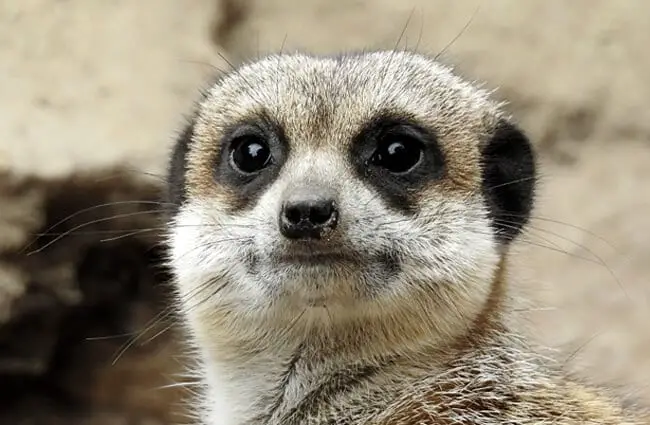
The meerkat, scientifically known as Suricata suricatta, is a small mammal belonging to the mongoose family (Herpestidae). They are easily recognizable by their slender bodies, distinctive dark patches around their eyes, and a pointed snout. Their fur is typically a grizzled tawny or grey, often with faint dark bands across their backs, providing excellent camouflage against the sandy, rocky terrain of their home. An average adult meerkat stands about 10 to 14 inches (25 to 35 cm) tall and weighs between 1.5 to 2 pounds (0.7 to 0.9 kg), with a tail that adds another 7 to 10 inches (17 to 25 cm) to their length. This tail is crucial for balance, especially when they stand upright on their hind legs, a characteristic pose that has made them famous.
Where Do Meerkats Call Home? Habitat and Distribution
Meerkats are endemic to the arid and semi-arid regions of Southern Africa. Their primary range includes the vast expanses of the Kalahari Desert, as well as parts of the Namib Desert and the Karoo in countries such as Botswana, Namibia, South Africa, and Angola. These environments are characterized by sparse vegetation, sandy plains, and rocky outcrops, with extreme temperature fluctuations between day and night. Meerkats thrive in these challenging conditions by utilizing a network of underground burrows, which they either dig themselves or take over from other animals like ground squirrels. These burrows provide shelter from predators, extreme temperatures, and a safe place to raise their young.
What’s on the Menu? The Meerkat Diet
Meerkats are primarily insectivores, meaning their diet consists mainly of insects. However, they are opportunistic feeders and will consume a wide variety of small prey. Their keen sense of smell and sharp claws are perfectly adapted for digging out food from beneath the sand and rocks. A typical meerkat diet includes:
- Insects: Beetles, caterpillars, grasshoppers, crickets, and termites form the bulk of their meals.
- Arachnids: Scorpions are a particular favorite, and meerkats possess a remarkable immunity to many types of scorpion venom. They expertly disarm scorpions by biting off the stinger before consuming them.
- Small Vertebrates: Lizards, snakes, small birds, and rodents are also hunted and eaten when opportunities arise.
- Plant Matter: Occasionally, they will supplement their diet with roots, bulbs, and fruits, especially for their moisture content in dry periods.
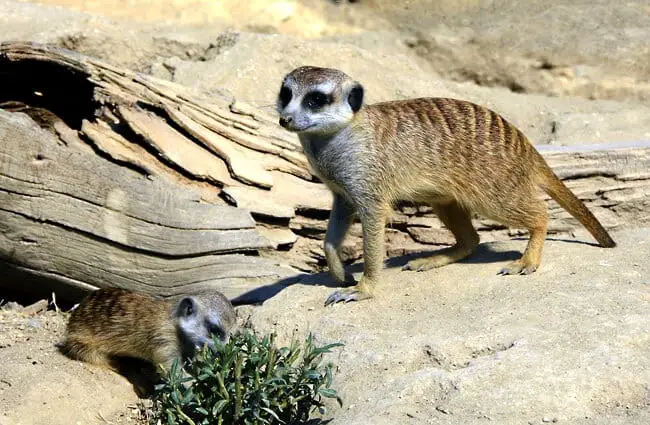
Foraging is a communal activity, with the group spreading out to search for food while one or more individuals stand guard as sentinels.
Life in the Clan: Social Structure and Behavior
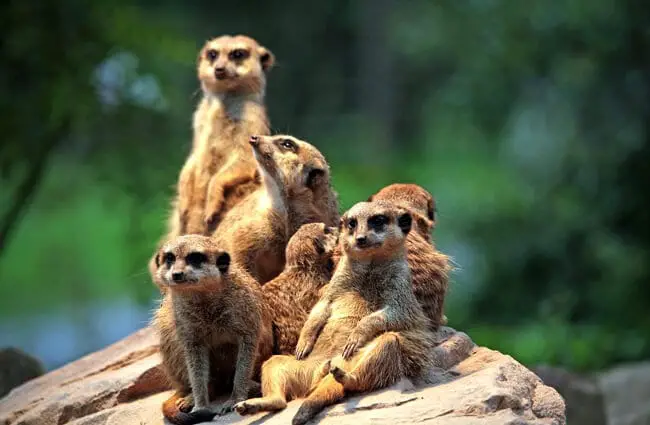
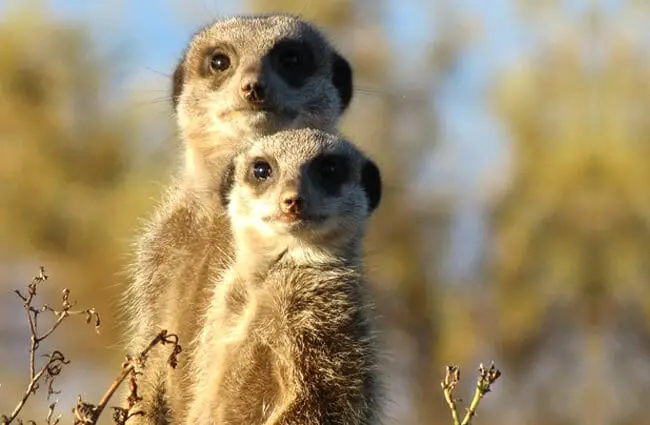
Meerkats are highly social animals, living in groups called “mobs,” “gangs,” or “clans” that can range from 3 to 50 individuals, though typically averaging around 10 to 20. These clans are structured around a dominant breeding pair, who are usually the parents of most of the group’s offspring. The rest of the clan consists of helpers who assist in raising the young, foraging, and standing guard. This cooperative breeding strategy is a cornerstone of meerkat survival.
- Sentinel Duty: One of the most iconic meerkat behaviors is the sentinel. An individual will climb to a high vantage point, such as a rock or mound, and stand upright, scanning the horizon for predators. If a threat is spotted, the sentinel emits a distinct alarm call, sending the rest of the clan scurrying for cover in their burrows.
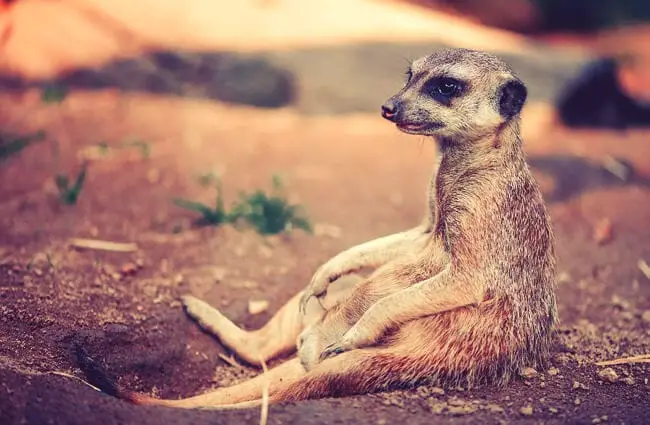
- Sunbathing: Meerkats are often seen basking in the morning sun, lying on their backs or bellies to warm up after a cold desert night. Their dark skin patches on their bellies help absorb heat efficiently.
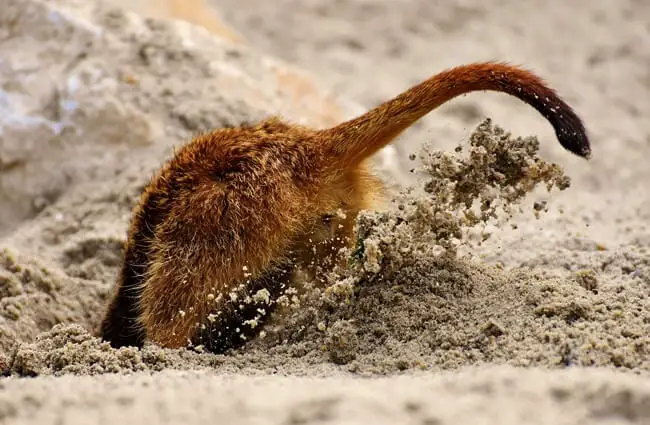
- Digging: They are expert diggers, constantly excavating new burrows or expanding existing ones. This activity is vital for shelter and finding food.
The Circle of Life: Mating and Reproduction
Meerkat reproduction is a fascinating aspect of their social dynamics. While the dominant female typically produces the most litters, subordinate females can also breed, though their offspring may face infanticide from the dominant female. Meerkats can breed year-round, but breeding peaks during the warmer, wetter months when food is more abundant. The gestation period lasts approximately 11 weeks, after which the female gives birth to a litter of 1 to 5 pups, usually 3. The pups are born blind and helpless in the safety of the burrow.
- Cooperative Rearing: All members of the clan participate in raising the young. Helpers bring food to the pups, guard them while the parents forage, and even babysit. This communal effort significantly increases the survival rate of the young.
- Teaching Foraging: Older meerkats actively teach pups how to hunt, especially dangerous prey like scorpions. They will bring live, but disarmed, scorpions to the pups, gradually introducing them to the full hunting process.
A Deeper Dive: Meerkat Evolution and Ecology
For aspiring zoologists and students researching meerkat evolution, it is important to understand their place within the broader mammalian family tree. Meerkats belong to the family Herpestidae, which includes all mongooses. This family is part of the suborder Feliformia, which also includes cats, hyenas, and civets. Their evolutionary history points to a divergence from other mongoose species, adapting specifically to the arid conditions of Southern Africa. Their highly social structure and cooperative breeding are advanced evolutionary traits that have allowed them to thrive in environments where solitary living would be far more challenging.
In the ecosystem, meerkats play a dual role. As predators, they help control populations of insects, scorpions, and small vertebrates, contributing to the balance of their food web. As prey, they are an important food source for larger carnivores and raptors, including eagles, hawks, jackals, and snakes. Their extensive burrowing activities also aerate the soil and create habitats for other small creatures, making them ecosystem engineers in their own right.
Meerkat Communication: A Symphony of Sounds and Signals
Meerkat communication is incredibly sophisticated, involving a complex repertoire of vocalizations and body language. Researchers have identified dozens of distinct calls, each conveying specific information about threats, food, or social interactions. For instance, different alarm calls can signal the type of predator (aerial vs. terrestrial) and the urgency of the threat, allowing the clan to react appropriately. Body postures, tail movements, and facial expressions also play a crucial role in maintaining social order and expressing individual states within the group.
Meerkats and Humans: Interaction and Conservation
Meerkats are currently classified as “Least Concern” by the IUCN, indicating that their populations are stable and not facing immediate threats. However, like all wildlife, they are susceptible to habitat loss and fragmentation due to human development, as well as climate change impacts on their arid environments. They are also sometimes persecuted by farmers who mistakenly believe they prey on poultry, though this is rare.
- For the Animal Lover and Wild Observer: If you are an animal lover hoping to find meerkats in the wild, the best places are game reserves and national parks in Botswana (e.g., Makgadikgadi Pans), Namibia (e.g., Etosha National Park surrounds), and South Africa (e.g., Kalahari Desert regions). Look for them in open, sandy areas, often near dry riverbeds or rocky outcrops. Dawn and dusk are prime times for activity.
- Encountering Meerkats in the Wild: For hikers, encountering meerkats is a privilege. The most important rule is to observe from a respectful distance. Do not approach them, attempt to feed them, or make loud noises. Meerkats are wild animals; feeding them can alter their natural foraging behaviors and make them dependent on humans, which is detrimental to their survival. Simply enjoy the spectacle of their natural behavior from afar.
- Meerkats in Human Culture: Meerkats have captured human hearts globally, featuring prominently in documentaries, animated films, and even as mascots. Their charismatic social behavior makes them ideal subjects for popular science and entertainment, raising awareness and appreciation for wildlife.
Caring for Meerkats in Captivity: A Zookeeper’s Perspective
For zookeepers caring for meerkats, understanding their natural history is paramount to providing optimal welfare. Replicating their complex social structure and environmental needs is key. Tasks and considerations include:
- Social Grouping: Meerkats must be housed in social groups, ideally mimicking a natural clan structure with a dominant pair and helpers. Introducing new individuals requires careful planning.
- Habitat Enrichment: Providing ample digging opportunities is crucial. Deep substrates, sand, and soil allow them to express natural burrowing behaviors. Hiding food items within the substrate encourages foraging.
- Dietary Management: A captive diet should closely resemble their natural insectivorous diet, supplemented with appropriate small vertebrates (e.g., mice), vegetables, and fruits. Overfeeding can lead to obesity.
- Environmental Control: Access to both indoor and outdoor enclosures is ideal, allowing for temperature regulation. Heat lamps for basking and shaded areas are important.
- Health Monitoring: Regular veterinary checks are essential. Common issues can include dental problems, parasites, and respiratory infections.
- Avoidances:
- Do not house meerkats solitarily; it causes severe stress.
- Avoid feeding excessive amounts of high-fat or sugary foods.
- Do not allow public feeding, which can lead to behavioral issues and health problems.
- Ensure enclosures are escape-proof, as meerkats are adept diggers and climbers.
Fascinating Meerkat Facts
Here is a list of intriguing facts that highlight the meerkat’s unique adaptations and behaviors:
- Meerkats have excellent eyesight, particularly for detecting movement, which is vital for spotting predators.
- Their dark eye patches act like built-in sunglasses, reducing glare from the bright desert sun.
- They can close their ears to keep out sand while digging.
- Meerkats have a specialized membrane that protects their eyes while digging.
- A meerkat’s body temperature can fluctuate significantly throughout the day, a key adaptation to their desert home.
- The dominant female often suppresses breeding in subordinate females, sometimes even expelling them from the group if they do breed.
- Pups are typically introduced to the outside world around three weeks of age.
- Meerkats have a relatively long lifespan for small mammals, living up to 10 years in the wild and even longer in captivity.
- Their alarm calls are so sophisticated that they can differentiate between specific types of predators and the urgency of the threat.
- Meerkats use their tails not just for balance but also as a signaling device within the clan.
Conclusion: The Enduring Appeal of the Meerkat
From their iconic sentinel stance to their intricate social lives, meerkats offer a captivating glimpse into the natural world’s ingenuity. These small desert dwellers, with their cooperative spirit and remarkable adaptations, continue to fascinate researchers, inspire conservation efforts, and delight audiences worldwide. Understanding the meerkat is not just about appreciating a single species; it is about recognizing the delicate balance of ecosystems and the profound lessons in survival that nature constantly provides. Their story is a powerful reminder of the interconnectedness of life and the enduring wonder of the wild.
![Closeup of a beautiful Red Angus cowPhoto by: U.S. Department of Agriculture [pubic domain]https://creativecommons.org/licenses/by/2.0/](https://animals.net/wp-content/uploads/2020/03/Red-Angus-4-100x75.jpg "Red Angus")