The Meadowlark: A Song of the Open Plains
The meadowlark, a vibrant symbol of the North American grasslands, is a bird celebrated for its cheerful song and striking appearance. Belonging to the family Icteridae, which also includes blackbirds and orioles, the meadowlark is more than just a pretty face. This article delves into the fascinating world of these birds, exploring their habitat, behavior, evolution, and ecological significance.
Identifying the Meadowlark
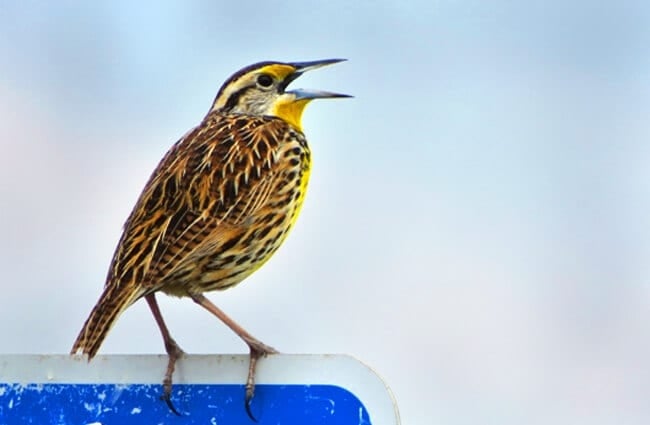
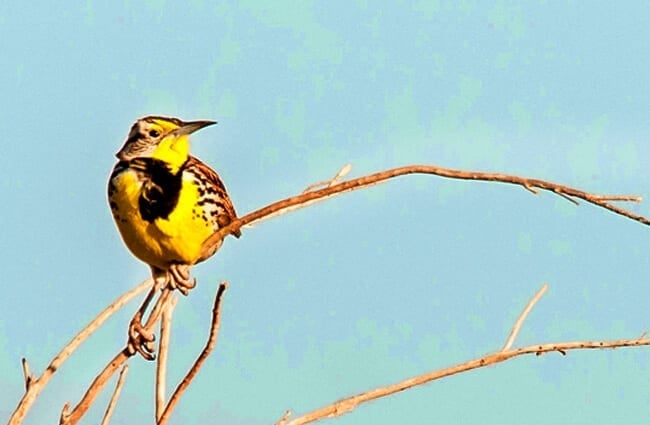
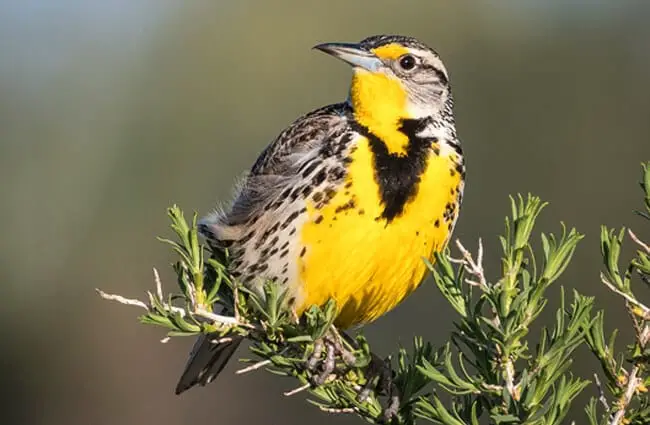
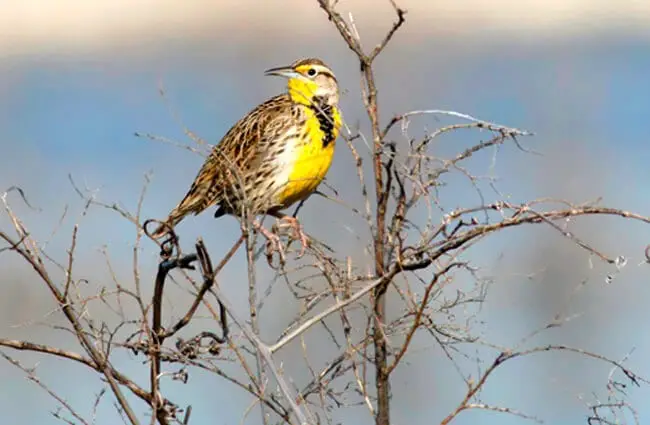
Two primary species of meadowlark grace the North American landscape: the Eastern Meadowlark Sturnella magna and the Western Meadowlark Sturnella neglecta. While closely related, they exhibit subtle differences. Eastern Meadowlarks boast a bright yellow breast with a distinctive black “V” shape, while Western Meadowlarks possess a more extensive black bib and a yellowish head. Both species share a characteristic long, pointed bill that is perfect for probing the ground for insects. Their size is comparable, measuring around 8 to 10 inches in length with a wingspan of approximately 13 inches.
Habitat and Distribution
As their name suggests, meadowlarks are denizens of open grasslands, prairies, pastures, and agricultural fields. The Eastern Meadowlark favors the eastern and central United States and southern Canada, while the Western Meadowlark dominates the western regions, extending from western Canada to the southwestern United States and into central Mexico. They require open areas with short vegetation for foraging and nesting, and occasionally utilize roadsides and ditch banks. Understanding their habitat preferences is crucial for conservation efforts, particularly as grasslands face increasing threats from development and agricultural intensification.
Diet and Foraging Behavior
Meadowlarks are primarily insectivorous, with a diet that largely consists of grasshoppers, crickets, caterpillars, beetles, and other invertebrates. They skillfully forage on the ground, probing the soil with their long bills to locate hidden insects. During the breeding season, insects form the bulk of their diet, providing essential protein for developing chicks. In the fall and winter, their diet diversifies to include seeds and grains, ensuring they maintain sufficient energy to survive colder months. They are often observed walking across fields, pausing to listen for the movements of potential prey beneath the vegetation.
Evolutionary History
The evolutionary origins of meadowlarks, like many songbirds, are complex and still under investigation. Phylogenetic studies suggest they are closely related to other members of the Icteridae family, sharing a common ancestor that likely inhabited forested or shrubby habitats. Over time, different populations adapted to open grassland environments, leading to the evolution of distinct species with specialized foraging behaviors and plumage patterns. The divergence between Eastern and Western Meadowlarks is estimated to have occurred several million years ago, coinciding with the formation of the Great Plains and the expansion of grassland ecosystems.
Mating and Reproduction
Meadowlarks are generally monogamous for a single breeding season. Males attract mates through elaborate songs and courtship displays, often puffing up their plumage and performing aerial maneuvers. Nesting typically occurs on the ground, concealed within dense vegetation. The female constructs a cup‑shaped nest using grasses, leaves, and other plant materials. She lays 5 to 7 eggs, which are incubated for approximately 14 days. Both parents participate in feeding the chicks, which fledge from the nest after about 11 to 13 days. Young birds remain dependent on their parents for several weeks after leaving the nest, learning essential foraging skills and avoiding predators.
Ecological Role and Interactions
Meadowlarks play a vital role in grassland ecosystems. As insectivores, they help control populations of agricultural pests, benefiting farmers and reducing the need for chemical pesticides. They also serve as prey for various predators, including hawks, snakes, and mammals. Their presence is often an indicator of grassland health, as they require a diverse insect community and sufficient vegetation cover. They compete with other grassland birds for resources such as nesting sites and food, but generally coexist peacefully with other species, contributing to overall biodiversity.
Meadowlarks and Human Culture
The melodious song of the meadowlark has inspired poets, writers, and musicians for generations. It is often associated with the beauty and tranquility of the American landscape. The bird appears in numerous works of literature and art, symbolizing freedom, hope, and the spirit of the prairies. Its image has been featured on postage stamps and other commemorative items. Historically, Native American cultures have revered the meadowlark, viewing it as a messenger of good fortune and a symbol of renewal.
Meadowlarks and Humans Today
Meadowlark populations have experienced declines in recent decades, primarily due to habitat loss and fragmentation. Agricultural intensification, urbanization, and the conversion of grasslands to other land uses have reduced their breeding and foraging grounds. Pesticide use can also negatively impact their health and reproductive success. Conservation efforts aimed at protecting and restoring grasslands are crucial for ensuring their long‑term survival. These efforts include promoting sustainable agricultural practices, preserving existing grasslands, and restoring degraded habitats.
Encountering a Meadowlark
If you encounter a meadowlark while hiking or exploring grasslands, observe it from a distance to avoid disturbing its behavior. Do not approach the nest, as this can cause the parents to abandon their eggs or chicks. Keep pets on a leash to prevent them from harassing the bird. Appreciate its song and vibrant plumage, and remember that you are witnessing a vital part of the grassland ecosystem.
Meadowlarks in Captivity
While not commonly kept in captivity, meadowlarks require spacious enclosures that mimic their natural grassland habitat. Providing a diet consisting of insects, seeds, and grains is essential. They need access to both open areas for foraging and dense vegetation for nesting and shelter. It is crucial to avoid overcrowding and provide opportunities for natural behaviors, such as dust bathing and singing. Due to their specific dietary and behavioral needs, caring for meadowlarks in captivity is challenging and requires specialized expertise.
Fascinating Facts
- Meadowlarks can sing over 20 different song variations.
- They often use the same nesting site year after year.
- Western Meadowlarks can fly at speeds of up to 30 miles per hour.
- Their song is so distinctive that it can be used to identify them even when they are hidden in vegetation.
- Meadowlarks are known to build false nests to confuse predators.
The meadowlark remains a symbol of the American grasslands, a testament to the beauty and resilience of nature. By understanding and protecting these remarkable birds, we can ensure their song continues to grace the prairies for generations to come.
![Closeup of a beautiful Red Angus cowPhoto by: U.S. Department of Agriculture [pubic domain]https://creativecommons.org/licenses/by/2.0/](https://animals.net/wp-content/uploads/2020/03/Red-Angus-4-238x178.jpg "Red Angus")
![Closeup of a beautiful Red Angus cowPhoto by: U.S. Department of Agriculture [pubic domain]https://creativecommons.org/licenses/by/2.0/](https://animals.net/wp-content/uploads/2020/03/Red-Angus-4-100x75.jpg "Red Angus")