
The ocean, a realm of profound mystery and breathtaking beauty, is home to some of the most magnificent creatures on Earth. Among them, the marlin stands as a true titan, an embodiment of speed, power, and grace. With its distinctive spear-like bill and formidable size, this pelagic predator has captured the imaginations of anglers, scientists, and ocean enthusiasts alike. Delve into the fascinating world of the marlin, exploring its life in the vast blue, its ancient lineage, and its intricate dance with both the marine ecosystem and human culture.
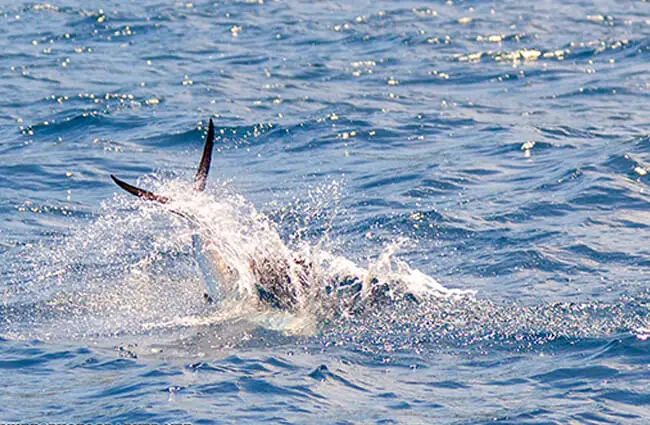
What is a Marlin? An Introduction to the Ocean’s Spear-Bearer
Marlins are large, predatory ray-finned fish belonging to the family Istiophoridae, commonly known as billfish. This family also includes sailfish and spearfish, all characterized by their elongated, spear-like upper jaw, which is used to stun and injure prey. Marlins are renowned for their incredible speed, acrobatic leaps, and formidable strength, making them one of the ocean’s most iconic and sought-after species.
Species Diversity: A Family of Ocean Giants
The term “marlin” encompasses several distinct species, each with unique characteristics and geographical distributions. The primary species include:
- Blue Marlin (Makaira nigricans): Found in tropical and temperate waters of the Atlantic, Pacific, and Indian Oceans. Known for its immense size, often exceeding 1,000 pounds.
- Black Marlin (Istiompax indica): Primarily found in the Indo-Pacific region. Distinguished by its rigid pectoral fins that cannot be folded flat against its body, and often considered the strongest of the marlins.
- White Marlin (Kajikia albida): A smaller, more slender species found in the Atlantic Ocean. Recognizable by its rounded dorsal and anal fins.
- Striped Marlin (Kajikia audax): Prevalent in the Indo-Pacific, known for its vibrant vertical stripes when excited or hunting. It is one of the fastest marlin species.
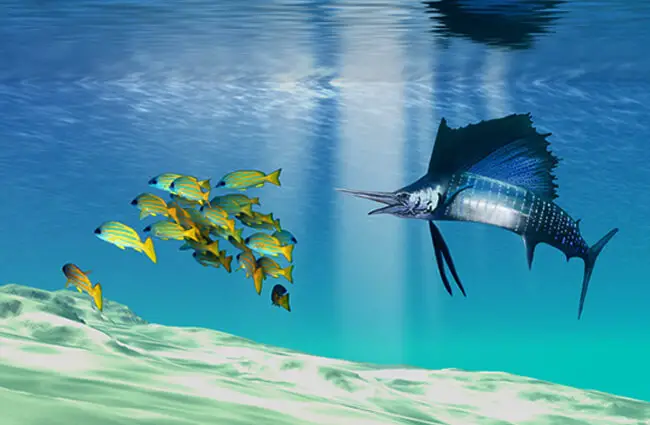
While often grouped with marlins due to their similar appearance and bill, the Sailfish (Istiophorus platypterus) is a distinct species, famous for its magnificent, sail-like dorsal fin.
Physical Characteristics: Built for Speed and Power
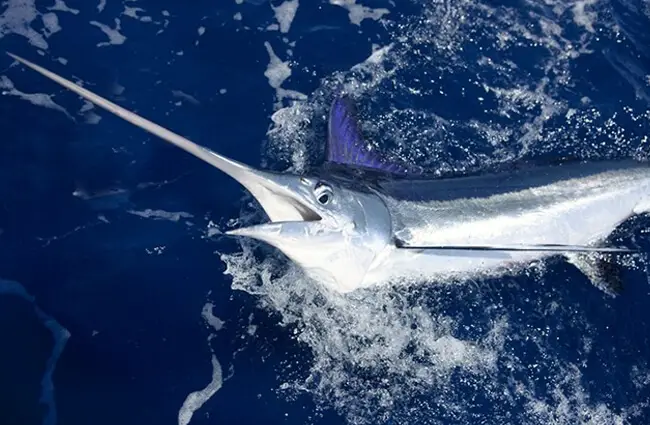
Marlins possess a torpedo-shaped body, perfectly adapted for cutting through water at high speeds. Their most striking feature is the long, pointed bill, which can be up to 20% of their total body length. This bill is not used for spearing prey directly but rather for slashing through schools of fish, disorienting or injuring them before consumption. Their dorsal fin is typically tall and sickle-shaped, while their caudal (tail) fin is deeply forked, providing powerful propulsion. Coloration varies by species, but generally includes shades of blue, black, and silver, often with iridescent qualities.
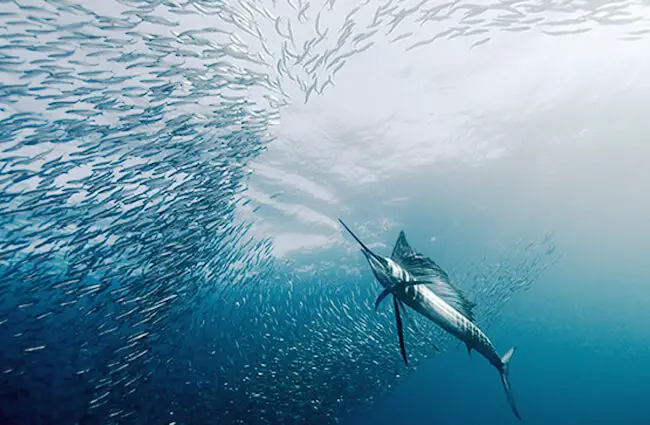
![Sailfish hunting sardines in the open ocean off the coast of Mexico. Photo by: Rodrigo Friscione / NOAA's National Ocean Service [public domain] https://creativecommons.org/licenses/by-sa/2.0/](https://animals.net/wp-content/uploads/2020/02/Marlin-1-650x425.jpg)
Marlin’s Habitat: Roaming the Open Ocean
Marlins are truly pelagic creatures, meaning they inhabit the open ocean, far from coastlines and the seabed. Their preferred habitat spans the tropical and subtropical waters of the Atlantic, Pacific, and Indian Oceans. They are highly migratory, following warm ocean currents and schools of prey across vast distances.
Where to Find These Ocean Wanderers
For those hoping to catch a glimpse of a marlin in its natural environment, understanding their movements is key. Marlins typically prefer water temperatures between 70 and 85 degrees Fahrenheit (21-29 degrees Celsius). They are often found near:
- Oceanic Fronts and Eddies: Areas where different water masses meet, creating upwellings that bring nutrient-rich waters to the surface, attracting baitfish.
- Seamounts and Submarine Canyons: Underwater geological features that disrupt currents and concentrate marine life.
- Continental Shelves and Drop-offs: The edges of landmasses where the seabed suddenly plunges into deeper waters.
- Sargassum Weed Lines: Floating mats of seaweed that provide shelter and food for smaller fish, which in turn attract larger predators like marlins.
Observing marlins in the wild usually requires a boat, as they spend most of their lives in the open ocean. Divers or snorkelers might occasionally encounter them in very specific, deep-water locations, but such encounters are rare and fleeting due to the marlin’s speed and preference for deeper waters.
Marlin’s Diet: An Apex Predator’s Feast
As apex predators, marlins sit at the top of the marine food web. Their diet consists primarily of a variety of schooling fish and cephalopods, which they hunt with incredible precision and speed.
Hunting Strategies and Preferred Prey
Marlins are opportunistic feeders, but their primary targets include:
- Schooling Fish: Tuna (especially skipjack and yellowfin), mackerel, sardines, anchovies, and dorado (mahi-mahi) are common prey.
- Cephalopods: Squid and octopus also form a significant part of their diet.
Their hunting technique is a spectacle of nature. Marlins will often slash their bills through schools of fish, stunning or injuring multiple individuals before circling back to consume them. They can also use their speed to isolate individual prey. Their large eyes are adapted for excellent vision in the open ocean, aiding in the pursuit of fast-moving targets.
Marlin’s Mating and Reproduction Process
The reproductive cycle of marlins is a testament to their adaptation to the vastness of the ocean. They are pelagic spawners, releasing millions of eggs into the water column.
Spawning and Early Life Stages
Marlins typically spawn in warm, tropical waters during specific seasons, which vary by species and region. For instance, Blue Marlin often spawn in the summer months in the western Atlantic. Females release millions of tiny, buoyant eggs, which are then fertilized externally by the males. There is no parental care; the eggs and subsequent larvae drift with the ocean currents.
- Eggs: Small, spherical, and pelagic, floating near the surface.
- Larvae: Hatch quickly and are planktonic, feeding on zooplankton. They undergo rapid growth and morphological changes, gradually developing their characteristic bill and body shape.
- Juveniles: Grow quickly, moving from planktonic life to actively hunting small fish and invertebrates. Survival rates for eggs and larvae are extremely low, a common strategy for species that produce vast numbers of offspring.
Marlins reach sexual maturity at different ages and sizes depending on the species, with females generally growing larger and maturing later than males.
Marlin’s Evolution History: An Ancient Lineage
The billfish lineage, which includes marlins, has a long and fascinating evolutionary history, tracing back tens of millions of years. Fossil evidence suggests that early billfish ancestors emerged during the Eocene epoch, around 56 to 34 million years ago.
These ancient fish already possessed elongated jaws, which over millennia evolved into the distinctive bills seen today. The development of this bill, along with their streamlined bodies and powerful tails, allowed them to become incredibly efficient predators in the open ocean. Their evolution is a prime example of convergent evolution, where similar traits (like the bill) have evolved independently in different predatory fish groups, highlighting its effectiveness for hunting fast-moving prey.
Marlin’s Contribution to the Ecosystem and Interaction with Other Animals
As apex predators, marlins play a crucial role in maintaining the health and balance of marine ecosystems. Their presence indicates a robust food web, and their hunting activities help regulate populations of their prey species.
Ecological Impact
- Population Control: By preying on schooling fish, marlins help prevent overpopulation of certain species, which can otherwise deplete resources for other marine life.
- Indicator Species: Healthy marlin populations often signify a healthy open ocean environment, as they require abundant prey and clean waters.
- Food Source: While at the top of the food chain, juvenile marlins can fall prey to larger predators like sharks and other large pelagic fish. Adult marlins have few natural predators other than large sharks or orcas, though such interactions are rare.
Marlins also interact with other marine animals during hunting. They are sometimes observed hunting cooperatively with other billfish or even dolphins, herding schools of fish into tighter balls for easier predation.
Marlin’s Interaction with Humans and Contribution to Human Culture
Marlins have a complex and often intense relationship with humanity, deeply embedded in various cultures, particularly those with strong maritime traditions.
Sport Fishing: The Thrill of the Chase
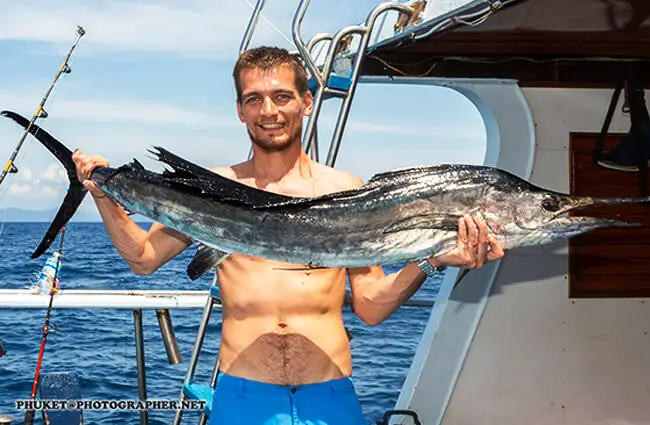
Marlin fishing is one of the most prestigious and challenging forms of sport fishing globally. Anglers are drawn to the marlin’s incredible strength, speed, and acrobatic displays when hooked. The pursuit of a “grander” (a marlin weighing over 1,000 pounds) is a lifelong dream for many. This interaction has led to the development of specialized boats, tackle, and techniques. However, it also raises significant conservation concerns.
- Catch and Release: Increasingly, sport fishing tournaments and ethical anglers practice catch and release to minimize impact on marlin populations. This involves carefully landing the fish, tagging it for scientific research, and releasing it quickly and safely.
- Economic Impact: Marlin fishing supports a significant tourism industry in many coastal regions, providing livelihoods for charter boat captains, guides, and related businesses.
Commercial Fishing and Bycatch
Marlins are also caught as bycatch in commercial longline and purse-seine fisheries targeting tuna and swordfish. This unintentional capture poses a significant threat to their populations, as many marlins caught this way are juveniles or are injured during the process. Efforts are underway to develop more selective fishing gear and practices to reduce marlin bycatch.
Cultural Significance
Marlins hold a special place in human culture, symbolizing power, wildness, and the untamed spirit of the ocean.
- Literature: Perhaps most famously, Ernest Hemingway’s novel The Old Man and the Sea immortalized the struggle between a Cuban fisherman and a giant marlin, exploring themes of perseverance, respect for nature, and the human spirit.
- Art and Symbolism: Marlin imagery is prevalent in maritime art, jewelry, and tribal cultures, often representing strength, agility, and good fortune.
- Conservation Icons: Due to their majestic nature and vulnerability, marlins have become symbols for ocean conservation efforts, highlighting the need to protect pelagic species and their habitats.
Conservation Status and Threats to Marlin Populations
Marlin populations face significant threats, primarily from overfishing and bycatch. Different species have varying conservation statuses, ranging from “Vulnerable” to “Endangered” according to the IUCN Red List.
Key threats include:
- Overfishing: Both targeted commercial fishing (though less common now) and recreational fishing pressure.
- Bycatch: Unintentional capture in large-scale commercial fisheries.
- Habitat Degradation: While pelagic, ocean pollution and climate change can indirectly impact their prey base and migratory patterns.
Conservation efforts focus on international cooperation, sustainable fishing practices, catch limits, size restrictions, and promoting catch-and-release in recreational fisheries. Tagging programs provide crucial data on migration and growth rates, informing management strategies.
Interesting Facts About Marlin
The world of marlins is full of astonishing details:
- Incredible Speed: Marlins are among the fastest fish in the ocean, capable of bursts exceeding 60 miles per hour (97 km/h). The Striped Marlin is often cited as one of the fastest.
- Warm-Blooded Eyes: Marlins, like some other billfish and tuna, possess specialized organs that warm their eyes and brain, allowing them to hunt more effectively in deeper, colder waters.
- Leaping Acrobats: When hooked or pursuing prey, marlins are famous for their spectacular leaps and tail-walking displays, often clearing the water entirely.
- Size Matters: The Blue Marlin can grow to over 14 feet (4.3 meters) in length and weigh more than 2,000 pounds (900 kg), making it one of the largest bony fish in the world.
- Bill Use: Their bill is primarily used for stunning and injuring prey, not for spearing. They slash through schools of fish, then turn to eat the disoriented victims.
- Long Migrations: Marlins undertake epic migrations, traveling thousands of miles across ocean basins in search of food and suitable spawning grounds.
Practical Insights for Specific Audiences
For the Aspiring Zoologist
Studying marlins offers a wealth of research opportunities. Focus areas include population genetics, migration tracking using satellite tags, diet analysis, reproductive biology, and the impact of climate change on their distribution. Understanding their physiology, particularly their osmoregulation and thermoregulation, provides insights into extreme adaptations for pelagic life. Consider internships with marine research organizations or fisheries management bodies that focus on highly migratory species.
For the Animal Lover Seeking a Wild Encounter
Encountering a marlin in the wild is a rare and privileged experience. Your best chance is to join a reputable sport fishing charter that practices strict catch-and-release policies, allowing you to witness these magnificent creatures up close before their safe return to the ocean. Alternatively, some specialized diving expeditions in areas known for bait balls (like those off Mexico or South Africa) might offer a fleeting glimpse of marlins or sailfish hunting, though direct interaction is not guaranteed and should never be sought. Always choose operators committed to marine conservation and ethical wildlife viewing.
For the “Hiker” Who Encounters a Marlin
It is important to clarify that marlins are exclusively marine animals. A “hiker” on land would not encounter a marlin. If, however, you are a boater, diver, or swimmer and encounter a marlin in the ocean, the best course of action is to observe from a respectful distance. Marlins are powerful predators, and while not typically aggressive towards humans, their size and speed demand caution. Do not attempt to touch, feed, or interfere with a marlin. If you encounter a distressed or beached marlin (an extremely rare event), contact local marine wildlife authorities immediately; do not attempt to handle it yourself due to its size and the sharp bill.
For a Zookeeper Caring for a Marlin in Captivity
Caring for a marlin in captivity presents immense challenges, so much so that they are almost never kept in public aquariums. Their pelagic nature, extreme speed, large size, and specialized dietary needs make them highly unsuitable for typical captive environments. If, hypothetically, a marlin were to be cared for, the tasks would be monumental:
- Enclosure: An enormous, circular, deep tank would be required to allow for continuous swimming and to prevent collisions. This would need to be many times larger than tanks for most other large fish.
- Water Quality: Impeccable and constant water quality management, mimicking open ocean conditions, would be critical.
- Diet: A specialized diet of fresh, high-quality fish (like mackerel, tuna, squid) would be needed, often requiring hand-feeding initially to acclimate the fish.
- Stress Management: Marlins are highly susceptible to stress in confined spaces. Minimizing human interaction, providing ample space, and ensuring a calm environment would be paramount.
- Avoidances:
- Small tanks: Absolutely to be avoided, as it would lead to injury and death.
- Sudden movements or loud noises: These can cause panic and collisions.
- Inappropriate diet: Malnutrition would quickly set in.
- Overhandling: Direct physical contact should be minimized to prevent stress and injury to both the fish and the keeper.
In reality, the ethical and practical difficulties mean that marlins are best left in their natural, boundless ocean habitat.
Conclusion: Guardians of the Blue
The marlin, with its unparalleled speed and majestic presence, is more than just a fish; it is a symbol of the wild, untamed spirit of the ocean. From its ancient evolutionary journey to its critical role as an apex predator, the marlin embodies the intricate balance of marine ecosystems. As humans, our interaction with these magnificent creatures carries a profound responsibility. By understanding their biology, appreciating their cultural significance, and championing conservation efforts, we can ensure that future generations will continue to marvel at the ocean’s spear-bearer, forever roaming the vast, blue expanse.
![Closeup of a beautiful Red Angus cowPhoto by: U.S. Department of Agriculture [pubic domain]https://creativecommons.org/licenses/by/2.0/](https://animals.net/wp-content/uploads/2020/03/Red-Angus-4-238x178.jpg "Red Angus")

![Closeup of a beautiful Red Angus cowPhoto by: U.S. Department of Agriculture [pubic domain]https://creativecommons.org/licenses/by/2.0/](https://animals.net/wp-content/uploads/2020/03/Red-Angus-4-100x75.jpg "Red Angus")