The rainforests of Central Africa are home to one of the most visually striking and fascinating primates on Earth – the mandrill. Known for its vibrant facial coloration and powerful build, this primate offers a captivating glimpse into the complexities of primate behavior, ecology, and evolution. This guide explores the world of the mandrill, covering its habitat, behavior, diet, reproduction, and its interactions with both the environment and humans.
Understanding the Mandrill
The mandrill (Mandrillus sphinx) is a large Old World monkey belonging to the family Cercopithecidae. It is one of the largest monkeys, with males significantly larger than females, a trait known as sexual dimorphism. Males can weigh up to 54 kilograms (119 pounds) and stand around 61 centimeters (24 inches) tall, while females are considerably smaller, averaging around 22 kilograms (49 pounds).
Habitat and Distribution
Mandrills are primarily found in the tropical rainforests of western Central Africa, including southern Cameroon, Gabon, Equatorial Guinea, and the Republic of the Congo. They prefer dense, primary rainforest, but can also be found in secondary forests and swamp forests. Their range is fragmented, and habitat loss poses a significant threat to their populations. They thrive in areas with abundant fruit and access to water sources, demonstrating a preference for undisturbed forests that offer protection from predators and human encroachment.
Physical Characteristics
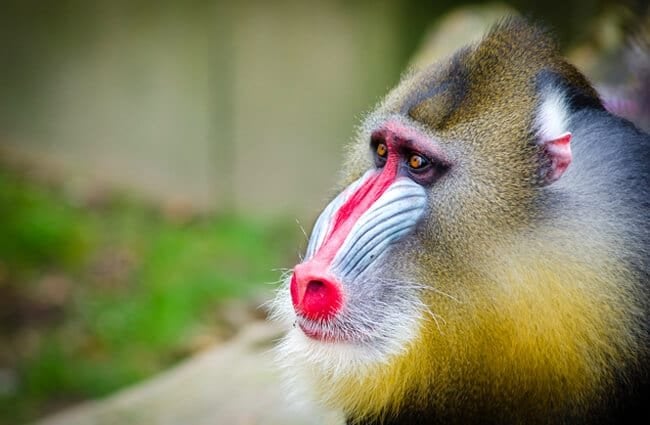
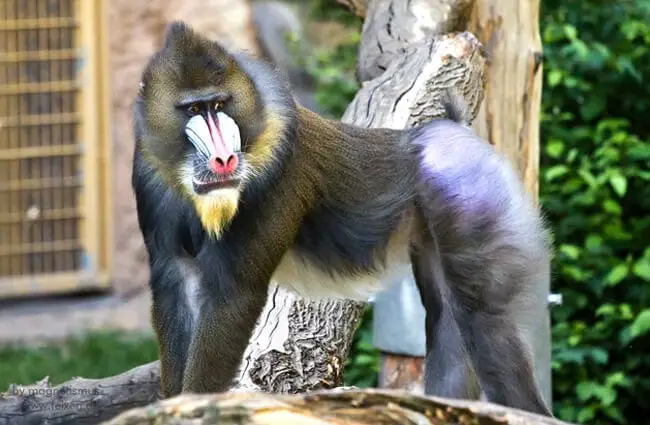
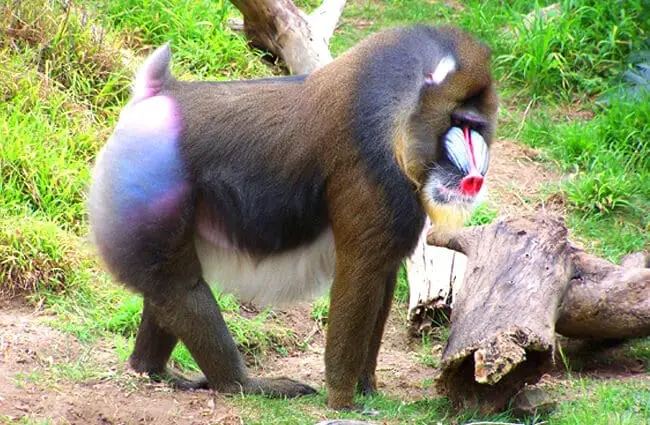
The most distinguishing feature of the mandrill is undoubtedly its face. Males boast intensely colored skin on their faces, featuring vibrant shades of blue, red, and yellow. The colors intensify with age and are thought to play a role in attracting mates and signaling dominance. Researchers believe this dramatic coloration is linked to signaling health and genetic quality to potential mates. Female mandrills exhibit less vibrant facial coloration, with paler blues and pinks.
Mandrill Behavior and Social Structure
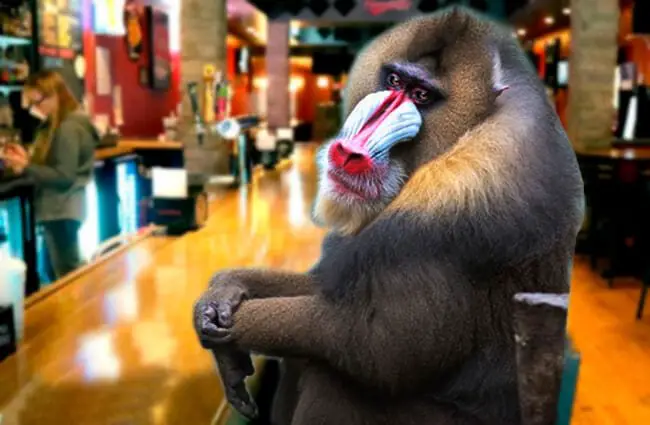
Mandrills are highly social animals, living in groups called “hordes.” These hordes can range in size from 20 to over 100 individuals, making them some of the largest primate groups known. Within the horde, a complex social hierarchy exists, dominated by a few dominant males. These males control access to mating opportunities and maintain order within the group. Interestingly, despite the large group size, mandrills do not appear to have strong, long‑term bonds with specific individuals outside of mother‑offspring relationships.
Diet and Foraging
Mandrills are omnivores, with a diet that primarily consists of fruits, seeds, leaves, invertebrates, and occasionally small vertebrates. They are opportunistic feeders, adapting their diet to what is seasonally available. Their strong jaws and teeth are well suited for cracking hard nuts and seeds. They also dig for roots and tubers and are skilled at foraging for insects. They spend a significant portion of their day foraging, traveling several kilometers in search of food, and have a particular fondness for fallen fruits, often congregating in areas where fruit trees are abundant.
Reproduction and Life Cycle
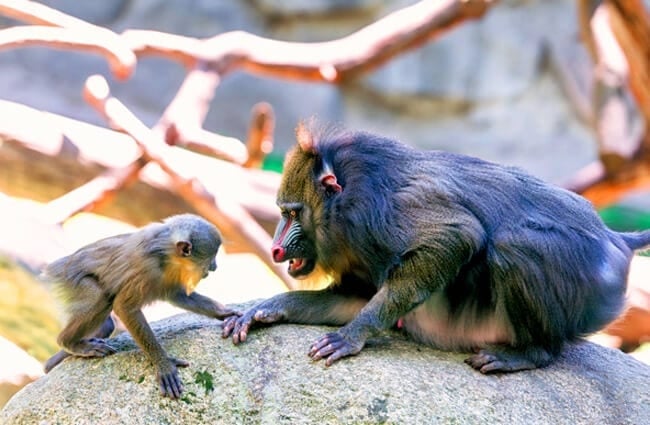
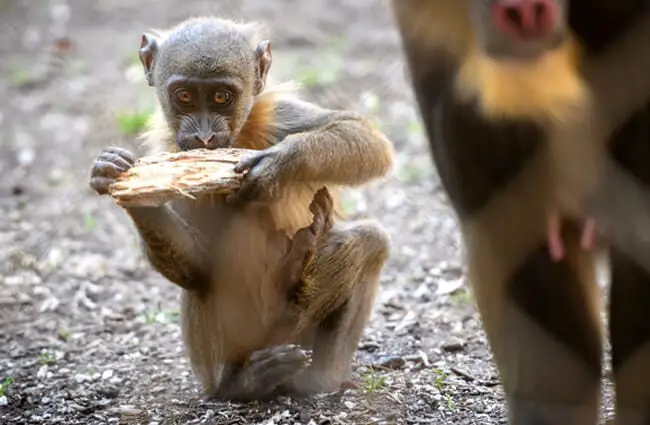
Mandrills have a relatively slow reproductive rate. Females typically reach sexual maturity around 3–4 years of age. They have a gestation period of approximately 7 months, resulting in the birth of a single infant. Infants are highly dependent on their mothers for the first several months of life, relying on them for food, protection, and transportation. Mothers will carry their infants ventrally for several weeks before gradually allowing them to ride on their backs. Infants remain dependent on their mothers for several years, learning essential survival skills.
Evolutionary History
The evolutionary history of mandrills is complex. They are believed to have diverged from other Old World monkeys several million years ago. Their closest relatives are the drill and the gelada. Fossil evidence suggests that mandrills once had a wider distribution than they do today. Changes in climate and habitat likely contributed to their current restricted range. Studying their genetic makeup provides clues about their evolutionary relationships and adaptations.
Mandrills and the Ecosystem
Mandrills play an important role in their rainforest ecosystem. As frugivores, they help disperse seeds, contributing to forest regeneration. They also act as prey for leopards and other predators. Their foraging activities can influence the distribution of plants and insects. They contribute to the overall health and biodiversity of the rainforest. Maintaining healthy mandrill populations is crucial for preserving the ecological balance of their habitat.
Human-Mandrill Interactions
Unfortunately, mandrills face numerous threats from human activities. Habitat loss due to logging, agriculture, and mining is a major concern. They are also hunted for bushmeat and traditional medicine. Their slow reproductive rate makes them particularly vulnerable to population declines. Conservation efforts are underway to protect their habitat and reduce hunting pressure. These efforts include establishing protected areas, promoting sustainable forestry practices, and educating local communities about the importance of mandrill conservation.
Encountering Mandrills in the Wild & Safety Considerations
For dedicated wildlife observers, spotting a mandrill in the wild is an unforgettable experience. They are most active during the day, foraging for food in the rainforest undergrowth. Look for them in areas with dense vegetation and access to water. However, approaching them requires caution. While not inherently aggressive, mandrills are powerful animals and can become defensive if they feel threatened. Maintaining a safe distance is crucial. If a mandrill approaches you, avoid direct eye contact, do not make sudden movements, and slowly back away. Report any encounters to local conservation authorities.
Mandrills in Captivity
Zoos and accredited wildlife facilities play a vital role in mandrill conservation. Maintaining mandrills in captivity requires specialized care. Their enclosures must be spacious, stimulating, and provide opportunities for natural behaviors. Enrichment programs are essential to prevent boredom and promote psychological well‑being. A balanced diet tailored to their nutritional needs is critical. Regular veterinary checkups and preventative healthcare are also essential. Experienced keepers are vital for providing the expertise and care needed to ensure the health and welfare of captive mandrills.
The mandrill, with its striking appearance and fascinating behavior, is a true marvel of the rainforest. Understanding its ecology, social structure, and the threats it faces is crucial for ensuring its survival. By supporting conservation efforts and promoting responsible wildlife tourism, we can help protect this remarkable primate for generations to come.
![Closeup of a beautiful Red Angus cowPhoto by: U.S. Department of Agriculture [pubic domain]https://creativecommons.org/licenses/by/2.0/](https://animals.net/wp-content/uploads/2020/03/Red-Angus-4-238x178.jpg "Red Angus")
![Closeup of a beautiful Red Angus cowPhoto by: U.S. Department of Agriculture [pubic domain]https://creativecommons.org/licenses/by/2.0/](https://animals.net/wp-content/uploads/2020/03/Red-Angus-4-100x75.jpg "Red Angus")