The vast, blue expanse of the ocean holds countless wonders, some beautiful, some bizarre, and some that command respect from a distance. Among these captivating creatures, few spark as much curiosity and caution as the Portuguese Man of War. Often mistaken for a jellyfish, this mesmerizing marvel of marine engineering is, in fact, something far more complex and unique: a siphonophore, a colony of specialized organisms working in perfect, deadly harmony.
Imagine a vibrant, iridescent balloon, sailing effortlessly across the ocean’s surface, its long, trailing tentacles disappearing into the depths below. This is the iconic image of the Man of War, a creature that has perfected the art of passive predation and oceanic navigation. Its striking appearance and potent sting make it a subject of endless fascination for marine biologists, beachgoers, and anyone with an appreciation for the ocean’s intricate life forms.
This article delves into the multifaceted world of the Portuguese Man of War, exploring its biology, behavior, ecological role, and interactions with both the marine environment and humans. From its unique colonial structure to its surprising evolutionary journey, prepare to uncover the secrets of this remarkable ocean drifter.
Understanding the Man of War: More Than Just a Jellyfish
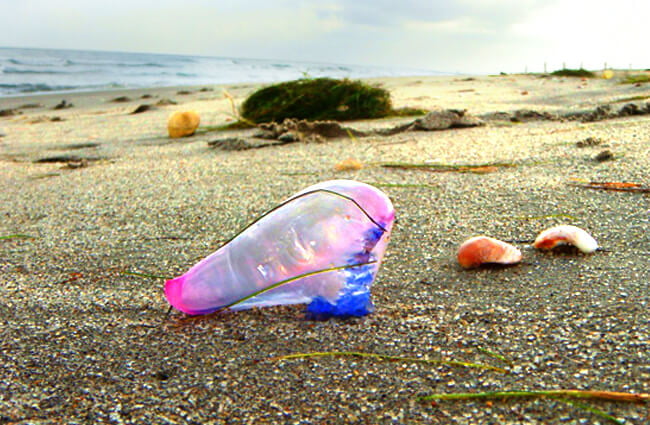
One of the most common misconceptions about the Portuguese Man of War (Physalia physalis) is its identity as a jellyfish. While it shares a superficial resemblance and a powerful sting, it belongs to a distinct group of marine invertebrates known as siphonophores. Unlike a single jellyfish organism, a Man of War is a colonial animal, a collection of four different types of polyps and medusoids, each specialized for a particular function, all working together as a single, cohesive unit.
The Four Specialized Zooids
- Pneumatophore (Float): This is the gas-filled, iridescent sac visible above the water. It acts as a sail, catching the wind to propel the colony across the ocean surface. It can be deflated to allow the colony to temporarily submerge, perhaps to avoid surface threats or strong winds.
- Dactylozooids (Tentacles): These are the long, stinging tentacles responsible for capturing prey and defense. They can extend many meters below the float, armed with thousands of nematocysts, specialized stinging cells.
- Gonozooids (Reproductive Polyps): These polyps are responsible for the reproduction of the colony, producing gametes.
- Gastrozooids (Digestive Polyps): Once prey is captured by the dactylozooids, the gastrozooids attach to it and secrete digestive enzymes, breaking down the food for the entire colony.
This intricate division of labor is a testament to the evolutionary success of siphonophores, allowing them to thrive in the open ocean.
Habitat and Distribution: Where the Winds Take Them
The Portuguese Man of War is a pelagic species, meaning it lives in the open ocean, far from coastlines. Its primary habitat is the warm waters of the Atlantic, Indian, and Pacific Oceans. They are particularly common in tropical and subtropical regions, but their distribution is largely dictated by ocean currents and prevailing winds.
Finding a Man of War in the Wild
For an animal lover or aspiring zoologist hoping to observe a Man of War, understanding its movements is key. These creatures are not strong swimmers; instead, they are passive drifters. This means they are often found:
- In warm ocean currents: Such as the Gulf Stream in the Atlantic.
- After strong onshore winds: Winds can push large numbers of Man of War towards coastlines, leading to mass strandings on beaches. This is often when humans encounter them.
- On the surface of calm, open waters: Their distinctive float makes them visible from a distance on a clear day.
It is important to remember that while fascinating, direct interaction should always be avoided due to their potent sting. Observation from a safe distance is the recommended approach.
Diet and Hunting: A Passive Predator’s Feast
The Man of War is an opportunistic carnivore, preying on a variety of marine organisms that happen to drift into its extensive tentacles. Its diet primarily consists of:
- Small fish: Particularly larval and juvenile fish.
- Crustaceans: Such as shrimp and other small invertebrates.
- Other planktonic organisms: Anything small enough to be ensnared and subdued by its venom.
The hunting strategy is entirely passive. The Man of War simply drifts, allowing its long tentacles to trail like a deadly net. When an unsuspecting prey animal makes contact, thousands of nematocysts fire, injecting a powerful neurotoxin that paralyzes the victim. The tentacles then contract, bringing the prey up to the gastrozooids for digestion. This efficient, energy-saving method is perfectly adapted to its open-ocean existence.
Mating and Reproduction: A Colonial Cycle
The reproductive process of the Portuguese Man of War is as unique as its colonial structure. Reproduction is sexual, involving the specialized gonozooids. These polyps produce either eggs or sperm, as individual Man of War colonies are typically either male or female.
The gametes are released into the open water, where fertilization occurs externally. The resulting zygote develops into a larval form, which then undergoes a complex metamorphosis to form a new, miniature Man of War colony. This new colony starts with a single polyp that buds off the other specialized zooids, gradually growing into the mature, multi-organism entity. This pelagic broadcast spawning strategy ensures wide dispersal of offspring across the ocean.
Evolutionary History: A Branch of Hydrozoa
The Portuguese Man of War belongs to the class Hydrozoa, within the phylum Cnidaria, which also includes true jellyfish, corals, and sea anemones. Its evolutionary path diverged to create the unique siphonophore body plan, a testament to the incredible adaptability of life in the oceans.
The colonial nature of the Man of War is a key evolutionary innovation. Instead of developing into a single, complex organism, evolution favored a division of labor among genetically identical but morphologically distinct individuals (zooids). This specialization allows for highly efficient resource allocation and survival in the challenging open-ocean environment. Studying its development provides insights into the evolution of coloniality and the intricate relationships between individual organisms within a superorganism.
Ecosystem Contribution and Interactions with Other Animals
Despite its reputation as a dangerous creature, the Portuguese Man of War plays a significant role in its marine ecosystem. As a predator, it helps regulate populations of small fish and crustaceans. However, its interactions are not solely predatory; it also forms symbiotic relationships and serves as prey for a select few specialized animals.
Predators and Symbionts
- Ocean Sunfish (Mola mola): These enormous fish are known to consume Man of War, seemingly unaffected by their venom.
- Loggerhead Sea Turtles: With their tough skin and specialized digestive systems, loggerhead turtles are also among the few predators of the Man of War.
- Blue Dragon Sea Slug (Glaucus atlanticus): This stunning nudibranch not only preys on Man of War but also incorporates their stinging nematocysts into its own tissues for defense, becoming venomous itself.
- Man of War Fish (Nomeus gronovii): This small fish lives among the Man of War’s tentacles, seemingly immune to its sting. It gains protection from predators and may even feed on scraps from the Man of War’s meals or on its gonozooids.
These interactions highlight the complex web of life in the open ocean, where even the most formidable creatures have their place in the food chain and unique partnerships.
Interaction with Humans: Caution and Awareness
Human encounters with the Portuguese Man of War are most common when these creatures are washed ashore by strong winds and currents. Their beautiful, iridescent floats can be tempting to touch, but this should be strongly avoided, even if the animal appears dead.
What to Do if You Encounter a Man of War
- Do Not Touch: Even a dead or beached Man of War can deliver a potent sting, as its nematocysts can remain active for weeks.
- Warn Others: If you see one on a beach, alert lifeguards or other beachgoers, especially children.
- If Stung:
- Rinse with Seawater: Do NOT use fresh water, as it can cause more nematocysts to fire.
- Remove Tentacles: Carefully remove any visible tentacles using gloves, tweezers, or a stick. Do NOT use bare hands.
- Apply Heat: Immerse the affected area in hot water (as hot as can be tolerated, around 105-115°F or 40-46°C) for 20-45 minutes. This helps denature the venom.
- Seek Medical Attention: If symptoms are severe (difficulty breathing, chest pain, widespread rash, or signs of allergic reaction), seek immediate medical help.
The sting, while rarely fatal, can be extremely painful, causing welts, redness, and muscle cramps. Awareness and caution are the best defenses.
The Man of War in Human Culture
The Portuguese Man of War’s distinctive appearance and formidable sting have cemented its place in human culture, primarily as a symbol of ocean danger and natural beauty. Its name itself, “Man of War,” is believed to derive from its resemblance to an 18th-century Portuguese warship under full sail, a testament to its striking presence on the water.
While it does not hold the same deep cultural significance as some other animals, its encounters with humans have led to its inclusion in beach safety warnings, marine documentaries, and popular science articles, serving as a reminder of the wild and untamed aspects of the ocean.
Caring for a Man of War in Captivity: An Extreme Challenge
For a zookeeper, caring for a Portuguese Man of War in captivity presents an almost insurmountable challenge. Due to their pelagic nature and complex colonial biology, they are exceptionally difficult, if not impossible, to maintain long-term in an aquarium setting. They are not typically kept in public aquariums for display.
Why Captivity is Challenging
- Pelagic Lifestyle: They are adapted to drift in vast ocean currents, requiring immense, constantly moving water volumes that are difficult to replicate.
- Fragile Structure: The delicate float and long tentacles are easily damaged in confined spaces or by turbulent water flow.
- Specialized Diet and Feeding: Replicating their natural diet of live, drifting prey and ensuring efficient digestion for the entire colony is complex.
- Environmental Parameters: Maintaining precise salinity, temperature, and water quality for a species adapted to the open ocean is extremely demanding.
- Colonial Complexity: Understanding and providing for the needs of four distinct types of zooids that function as one organism is beyond current practical capabilities for long-term captive care.
Therefore, a zookeeper’s tasks would primarily involve studying stranded specimens for short periods, focusing on venom research or morphological analysis, rather than routine husbandry for live display. Ethical considerations also strongly advise against attempting to keep such a specialized open-ocean creature in captivity.
A Huge List of Interesting Facts About the Man of War
- Not a Single Animal: It is a siphonophore, a colony of four types of polyps and medusoids, each specialized for a different function.
- Gas-Filled Float: The pneumatophore can be up to 15 cm long and is filled with a gas similar to air, but with a higher concentration of carbon monoxide, which it produces itself.
- Sail-Like Structure: The float acts as a sail, allowing the Man of War to be carried by winds and currents.
- Left-Handed and Right-Handed: Some floats are oriented to the left, others to the right, allowing populations to spread in different directions, reducing the risk of an entire population being stranded.
- Incredibly Long Tentacles: The tentacles can extend up to 50 meters (165 feet) in length, though typically they are around 10 meters (30 feet).
- Potent Venom: The sting is delivered by nematocysts, microscopic harpoon-like structures that inject a powerful neurotoxin.
- Venom Remains Active: Nematocysts can remain active and capable of stinging for weeks after the Man of War has died or washed ashore.
- Specialized Predators: Only a few animals, like the ocean sunfish, loggerhead sea turtle, and blue dragon sea slug, can safely prey on the Man of War.
- Symbiotic Fish: The Man of War fish (Nomeus gronovii) lives among its tentacles, gaining protection and possibly food scraps, while being immune to the venom.
- Global Distribution: Found in the Atlantic, Indian, and Pacific Oceans, primarily in tropical and subtropical waters.
- No Means of Propulsion: It cannot swim; its movement is entirely dependent on winds and ocean currents.
- Can Submerge: The float can be deflated to allow the colony to temporarily submerge, possibly to avoid surface predators or strong winds.
- Distinct from True Jellyfish: While both are cnidarians, siphonophores like the Man of War are distinct from true jellyfish (medusae).
- Scientific Name: Physalia physalis.
- Coloration: The float can range from transparent to blue, pink, or purple, often with iridescent hues.
Conclusion: A Drifting Marvel of the Deep
The Portuguese Man of War stands as a testament to the incredible diversity and ingenuity of life in our oceans. Far from being a simple jellyfish, it is a sophisticated superorganism, a colony of specialized individuals working in perfect synchronicity. Its elegant, passive existence on the ocean’s surface belies a powerful and effective predatory strategy, making it a crucial, albeit cautious, component of marine ecosystems.
From its unique evolutionary path to its fascinating interactions with other species, the Man of War offers endless avenues for study and appreciation. For students, animal lovers, and aspiring zoologists, it serves as a vivid reminder of the ocean’s mysteries and the importance of respecting its inhabitants. While its sting demands caution, its very existence inspires wonder, urging us to learn more about the delicate balance of life that thrives beneath the waves.
![Closeup of a beautiful Red Angus cowPhoto by: U.S. Department of Agriculture [pubic domain]https://creativecommons.org/licenses/by/2.0/](https://animals.net/wp-content/uploads/2020/03/Red-Angus-4-100x75.jpg "Red Angus")