
A Comprehensive Guide to Macaques
Macaques are a fascinating and widespread group of primates, instantly recognizable for their intelligence, adaptability, and often mischievous nature. These old world monkeys play crucial roles in their ecosystems and share a complex history with humans. This guide delves into the world of macaques, exploring their biology, behavior, evolution, and interactions with the world around them.
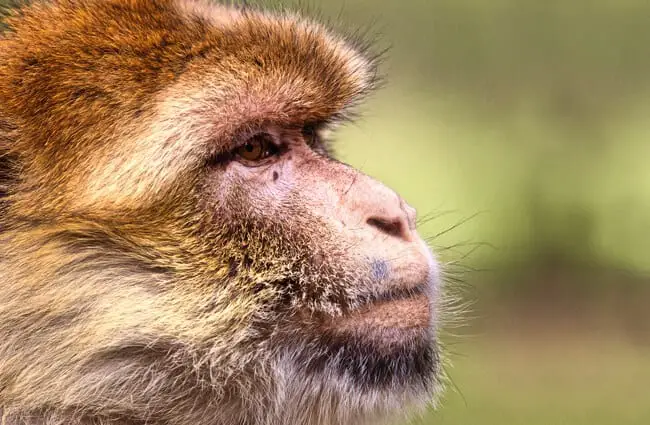
What is a Macaque?
Macaques belong to the genus Macaca, encompassing 23 different species. They are categorized as old world monkeys, meaning they originate from Africa and Asia, unlike their new world counterparts found in the Americas. Macaques are medium to large in size, generally ranging from 15 to 25 inches in length, excluding the tail, and weighing between 5 to 20 pounds, depending on the species. Their physical characteristics vary, but most have robust bodies, prominent cheek pouches for storing food, and tails that can range from short and stubby to long and prehensile.
Habitat and Distribution
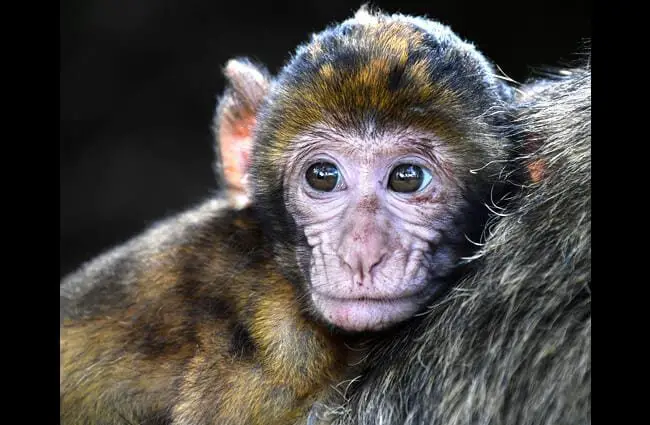
Perhaps the most remarkable feature of macaques is their incredible adaptability. They inhabit a diverse array of environments, from lush rainforests and rugged mountains to arid deserts and even urban areas. Their distribution spans across Asia, North Africa, and some islands of the Pacific and Indian Oceans. Species like the Japanese macaque have adapted to survive in cold, snowy climates, while the crab-eating macaque thrives in mangrove forests and coastal areas. The Barbary macaque is unique for being found in the Atlas Mountains of Algeria and Morocco and is the only macaque found outside of Asia.
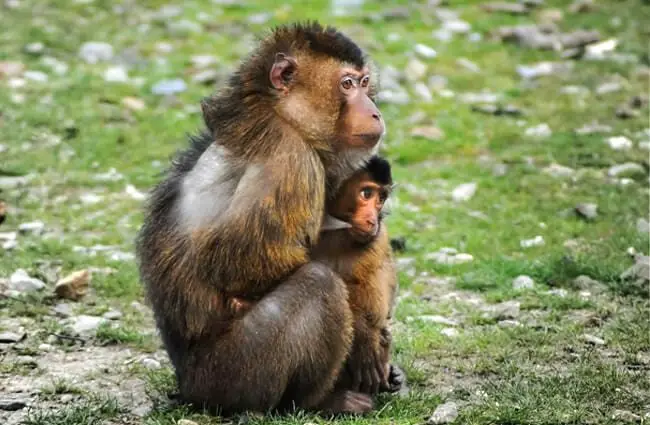
Diet and Foraging Behavior
Macaques are omnivores, exhibiting a highly varied diet. Their food sources include fruits, seeds, leaves, insects, small animals, and even shellfish. The crab-eating macaque, as the name suggests, is particularly adept at foraging for crabs and other crustaceans in intertidal zones. Macaques are opportunistic feeders, taking advantage of whatever resources are readily available in their environment. They often forage in groups, increasing their efficiency and reducing the risk of predation. Their cheek pouches are a key adaptation, allowing them to quickly gather and store food for later consumption.
Social Structure and Behavior
Macaques are highly social animals, living in groups known as troops. These troops can range in size from a few individuals to over 100, depending on the species and the availability of resources. Within the troop, a complex social hierarchy exists, often dominated by an alpha male and a dominant female. Grooming is an important social activity, strengthening bonds and maintaining hygiene. Macaques are known for their intelligence and problem solving abilities, evidenced by their use of tools, such as stones for cracking nuts or sticks for digging for insects. Communication involves a variety of vocalizations, facial expressions, and body language.
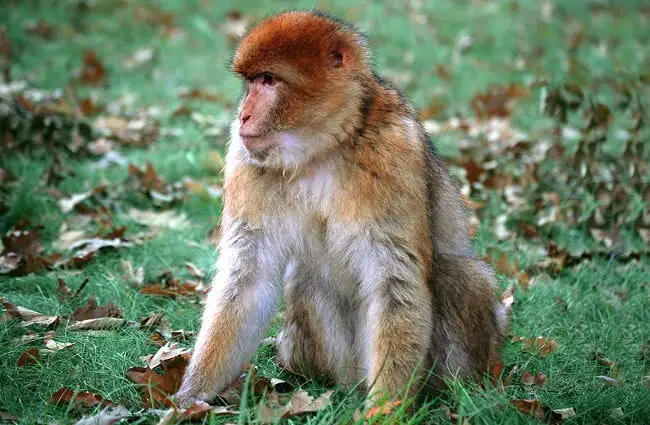
Reproduction and Life Cycle
Macaques typically have a gestation period of around five to seven months, resulting in the birth of a single infant. Infants are highly dependent on their mothers for care and protection, clinging to their mothers’ chests for the first few months of life. Weaning occurs gradually, with young macaques learning to forage for food alongside their mothers. Macaques reach sexual maturity at around three to five years of age, and their lifespan in the wild can range from 15 to 30 years, depending on the species and environmental conditions.
Evolutionary History
The evolutionary origins of macaques can be traced back to the Oligocene epoch, around 30 million years ago. Fossil evidence suggests that their ancestors were small, arboreal primates that inhabited Africa and Asia. Over millions of years, macaques diversified and spread across a wide range of habitats, adapting to different ecological niches. Their evolutionary success is attributed to their intelligence, adaptability, and social complexity. Phylogenetic studies have helped to unravel the relationships between different macaque species, providing insights into their evolutionary history.
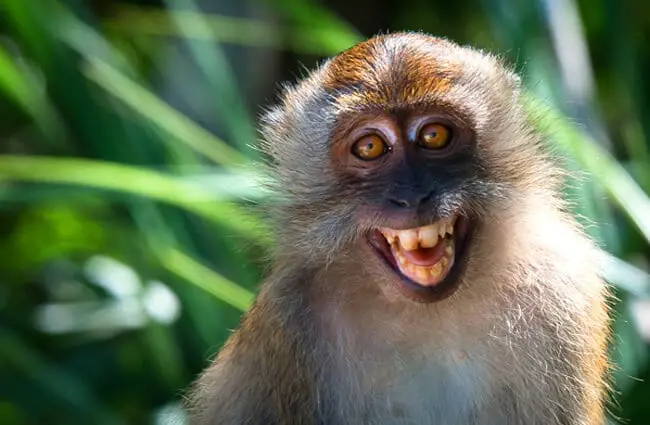
Macaques and Humans
The relationship between macaques and humans is complex and often fraught with conflict. In some cultures, macaques are revered as sacred animals and play a role in religious ceremonies. However, in other regions, they are considered pests due to their tendency to raid crops and enter human settlements. Human activities, such as habitat destruction and hunting, pose significant threats to macaque populations. Furthermore, macaques can transmit diseases to humans, and vice versa, creating public health concerns.
Interactions in the Wild: A Guide for Hikers
If you encounter macaques while hiking, it is important to maintain a safe distance and avoid direct eye contact. Do not feed them, as this can encourage them to approach humans and become dependent on handouts. Secure your food and belongings, as macaques are opportunistic and may try to steal them. If a macaque approaches you aggressively, slowly back away and avoid making sudden movements.
Macaques in Captivity: A Zookeeper’s Guide
Providing appropriate care for macaques in captivity requires a thorough understanding of their social and behavioral needs. Troops should be housed in spacious enclosures that allow for climbing, foraging, and social interaction. Enrichment activities, such as puzzle feeders and novel objects, are essential to stimulate their intelligence and prevent boredom. Diet should be carefully formulated to meet their nutritional requirements, and regular veterinary checkups are crucial for maintaining their health.
Ecological Roles and Contributions
Macaques play vital roles in their ecosystems. As seed dispersers, they contribute to forest regeneration. Their foraging activities can influence plant communities and nutrient cycling. They also serve as prey for larger predators, such as leopards and eagles. Macaques’ presence can indicate the health of an ecosystem, making them valuable indicators of environmental change.
Fun Facts About Macaques
- Japanese macaques are famous for their habit of bathing in hot springs during the winter.
- Rhesus macaques were among the first primates sent into space.
- Some macaque species use tools to crack open shellfish or nuts.
- Macaques can recognize themselves in mirrors, indicating a level of self awareness.
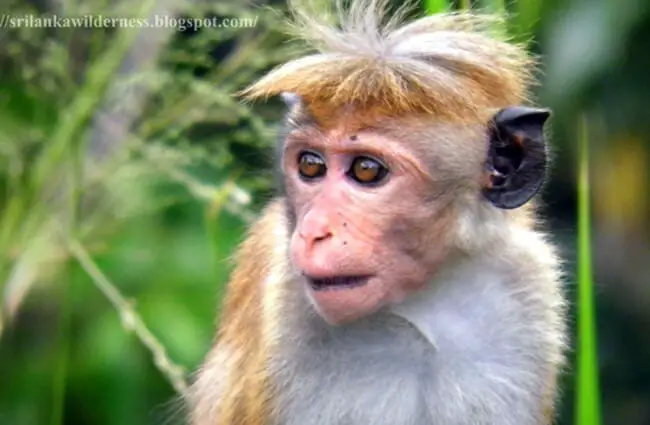
- The toque macaque of Sri Lanka is known for its distinctive cap like hairstyle.
Macaques are truly remarkable primates, showcasing a blend of intelligence, adaptability, and social complexity. Understanding their biology, behavior, and ecological roles is crucial for ensuring their conservation and fostering a harmonious coexistence between humans and these fascinating creatures. Their future depends on our commitment to protecting their habitats and addressing the challenges they face in a rapidly changing world.
![Closeup of a beautiful Red Angus cowPhoto by: U.S. Department of Agriculture [pubic domain]https://creativecommons.org/licenses/by/2.0/](https://animals.net/wp-content/uploads/2020/03/Red-Angus-4-238x178.jpg "Red Angus")




![Closeup of a beautiful Red Angus cowPhoto by: U.S. Department of Agriculture [pubic domain]https://creativecommons.org/licenses/by/2.0/](https://animals.net/wp-content/uploads/2020/03/Red-Angus-4-100x75.jpg "Red Angus")


