Beneath the shimmering surface of freshwater streams and rivers across vast swathes of the world, a fascinating group of fish often goes unnoticed by the casual observer. These are the loaches, a diverse and captivating family of bottom-dwelling fish that play a vital role in their aquatic ecosystems. From their unique adaptations to their charming personalities, loaches offer a wealth of intrigue for anyone willing to dive a little deeper.
Often characterized by their elongated bodies, downward-pointing mouths, and distinctive barbels, loaches are masters of their benthic domain. They are not just another fish in the water; they are a testament to evolutionary ingenuity, thriving in environments that demand specialized skills. Let us embark on a journey to uncover the secrets of these remarkable creatures.
What Exactly is a Loach?
Loaches belong to the order Cypriniformes, a vast group that also includes carps and minnows. Within this order, they are primarily found in the families Cobitidae (true loaches) and Botiidae (botiid loaches), though other families like Gastromyzontidae (hillstream loaches) and Nemacheilidae (stone loaches) are also recognized. This classification highlights their close relationship to other well-known freshwater fish, yet their unique adaptations set them apart.
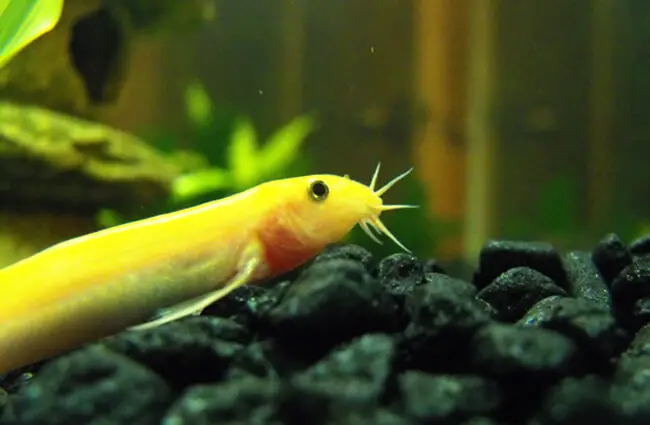
Physically, loaches are typically slender, often eel-like or worm-like in appearance, though some species exhibit more robust or flattened forms. A defining feature is their mouth, which is usually subterminal (pointing downwards) and surrounded by several pairs of sensitive barbels. These barbels are crucial sensory organs, acting like whiskers to help them detect food and navigate in murky waters or under substrate. Their bodies are often covered in small, embedded scales, or sometimes appear scaleless, contributing to their smooth, often slippery feel. Many species also possess a retractable spine or thorn beneath their eyes, a defensive mechanism that can be deployed when threatened.
A World of Loaches: Diversity in Form and Function
The loach family is incredibly diverse, encompassing hundreds of species, each with its own unique charm and ecological niche. This diversity is reflected in their varied appearances, behaviors, and preferred habitats.
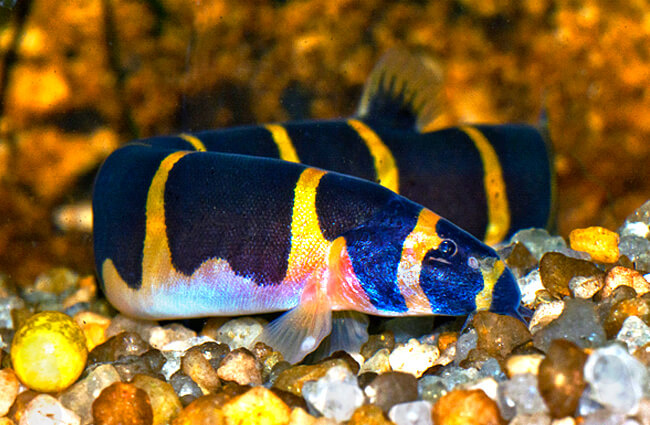
- Kuhli Loaches (Pangio kuhlii and relatives): These are perhaps some of the most recognizable loaches, known for their slender, eel-like bodies and striking banded patterns of black and yellow or orange. They are shy, nocturnal bottom-dwellers, often found burrowing into soft substrates.
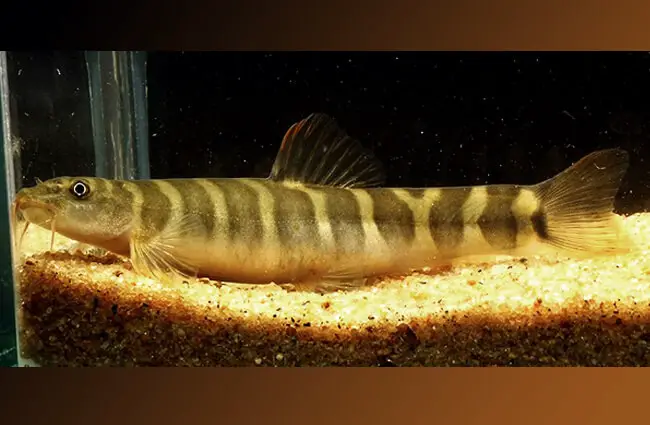
- Dojo Loaches (Misgurnus anguillicaudatus): Also known as Weather Loaches, these robust, elongated fish are famous for their ability to detect changes in barometric pressure, becoming more active before storms. They are hardy and can tolerate a wide range of temperatures.
- Clown Loaches (Chromobotia macracanthus): Adorned with vibrant orange and black bands, Clown Loaches are popular aquarium fish, known for their playful personalities and social behavior. They can grow quite large and are long-lived.
- Hillstream Loaches (e.g., Sewellia lineolata): These fascinating loaches have evolved flattened bodies and modified fins that act as suction cups, allowing them to cling to rocks in fast-flowing mountain streams. Their adaptations are a marvel of natural selection.
- Stone Loaches (Barbatula barbatula): Common across Europe and Asia, these small, mottled loaches are masters of camouflage, blending seamlessly with the gravel and stones of their riverbed homes.
Loach Habitats: Where to Find These Aquatic Gems
Loaches are predominantly freshwater fish, with a vast distribution across Europe, Asia, and parts of Africa. Their preferred habitats are as diverse as the species themselves, but generally, they favor environments with specific characteristics:
- Rivers and Streams: Many loach species thrive in flowing waters, from small, clear mountain streams to larger, slow-moving rivers. They often seek out areas with moderate currents and plenty of hiding spots.
- Lakes and Ponds: Some loaches, particularly those adapted to more stagnant or slow-moving waters, can be found in lakes, ponds, and even ditches. These habitats often have soft, muddy bottoms.
- Substrate Preference: A common thread among loaches is their affinity for the substrate. They are typically benthic, meaning they live on or near the bottom. They prefer soft sand, fine gravel, or mud, which they can burrow into for shelter, foraging, or escape from predators. Species like Kuhli loaches are expert burrowers, disappearing completely into the sand.
- Vegetation and Cover: Aquatic plants, submerged roots, leaf litter, and rocky crevices provide essential cover for loaches. These areas offer protection from predators and serve as foraging grounds.
- Water Quality: While some loaches are remarkably hardy and can tolerate a range of water conditions, most prefer clean, well-oxygenated water. Hillstream loaches, for instance, are highly sensitive to water quality and require pristine, fast-flowing conditions.
Finding Loaches in the Wild: A Guide for Animal Lovers
For the dedicated animal lover hoping to spot a loach in its natural environment, patience and observation are key. Here is how to increase your chances:
- Research Local Species: Identify which loach species are native to your region and their specific habitat preferences.
- Choose the Right Spot: Look for clear, shallow areas of rivers or streams with sandy or fine gravel bottoms, especially near banks with vegetation or submerged roots. For hillstream loaches, seek out rocky, fast-flowing sections.
- Observe Quietly: Approach the water’s edge slowly and quietly. Loaches are easily startled.
- Look for Movement: Watch for subtle movements along the bottom. Loaches often dart between hiding spots or sift through the substrate.
- Consider Nocturnal Habits: Many loaches are more active at dusk or during the night. A flashlight might reveal them, but be mindful not to disturb them excessively.
- Respect the Environment: Never disturb their habitat, remove rocks, or attempt to catch them without proper permits and knowledge. Observe from a distance.
The Loach Lifestyle: Diet and Behavior
Loaches are primarily omnivorous or carnivorous bottom feeders, playing a crucial role in nutrient cycling within their ecosystems. Their diet largely consists of small invertebrates and detritus.
Loach’s Diet
- Invertebrates: Their barbels are perfectly adapted for sifting through sand and gravel to find insect larvae (like chironomids and mayflies), small crustaceans, worms, and other benthic organisms.
- Detritus: Many species consume decaying organic matter, including plant material and biofilm, which helps to clean the substrate.
- Algae: Some loaches, particularly hillstream loaches, are specialized grazers, scraping algae and diatoms from rocks.
- Opportunistic Feeding: In some cases, larger loaches may opportunistically feed on very small fish or fish eggs, though this is less common than their invertebrate-focused diet.
Behavioral Traits
- Nocturnal Activity: Many loach species are more active during the night, emerging from their hiding spots to forage under the cover of darkness.
- Burrowing: A significant number of loaches are expert burrowers, using their pointed snouts and muscular bodies to dig into soft substrates. This behavior provides shelter from predators, a place to rest, and a means to escape adverse conditions.
- Social Structures: While some loaches are solitary, many species, like Clown Loaches, are highly social and thrive in groups. They exhibit complex social behaviors, including schooling and establishing hierarchies.
- Air Breathing: Several loach species possess the remarkable ability to breathe atmospheric air. They can gulp air from the surface and absorb oxygen through a specialized intestinal lining, allowing them to survive in oxygen-depleted waters or during periods of drought. This is a vital adaptation for species living in ephemeral or fluctuating habitats.
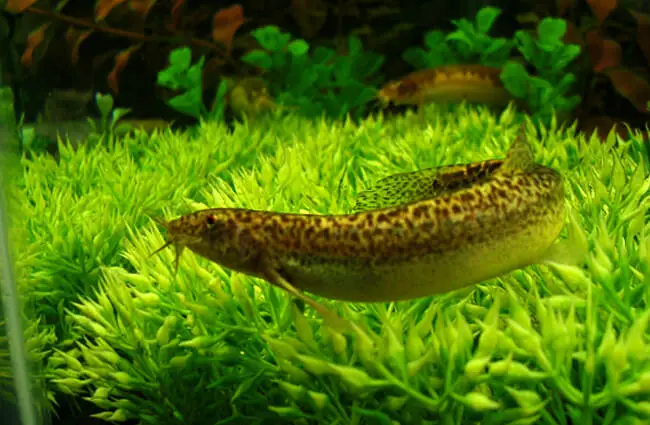
Reproduction: The Loach Mating Process
The reproductive strategies of loaches vary considerably between species, reflecting their diverse habitats and life histories. However, some general patterns can be observed.
- Spawning Triggers: Reproduction is often triggered by environmental cues such as changes in water temperature, photoperiod (day length), or rainfall, which signal favorable conditions for the survival of offspring.
- Egg Laying: Most loaches are oviparous, meaning they lay eggs. The eggs are typically small and adhesive, often deposited on submerged vegetation, rocks, or directly into the substrate. Some species scatter their eggs freely.
- Parental Care: Parental care is generally absent in loaches. Once the eggs are laid, the parents typically leave them to develop on their own. However, there are exceptions, and some species may exhibit rudimentary forms of nest guarding.
- Sexual Dimorphism: In many species, there is little obvious sexual dimorphism outside of breeding season. During spawning, females may appear plumper due to carrying eggs, and males of some species might develop breeding tubercles or more intense coloration.
- Larval Development: The eggs hatch into small larvae, which initially feed on their yolk sac. As they grow, they begin to forage for microscopic organisms. Their development often involves a planktonic stage before they settle to the bottom and adopt the benthic lifestyle of the adults.
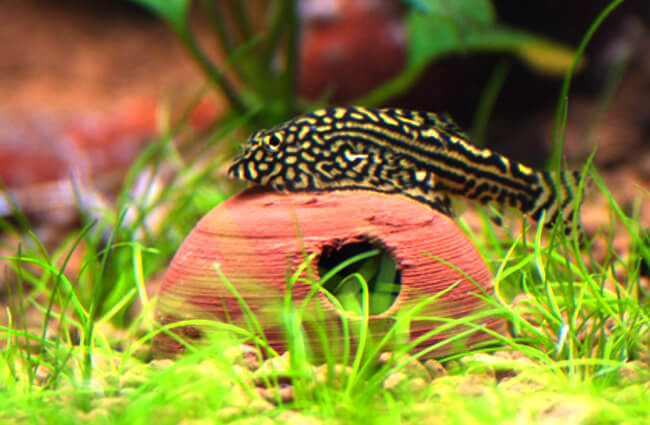
Evolutionary Journey: A Glimpse into Loach History
The evolutionary history of loaches is complex and still being unraveled by scientists. They are part of the ancient Cypriniformes order, which has a long fossil record dating back tens of millions of years. Loaches are believed to have originated in Asia, with subsequent dispersal events leading to their current widespread distribution across Eurasia and Africa.
- Adaptive Radiation: The incredible diversity of loach forms and ecological niches is a result of adaptive radiation, where an ancestral loach lineage diversified rapidly to fill various available habitats and exploit different food sources. This process led to the evolution of specialized forms like the flattened hillstream loaches or the air-breathing Dojo loaches.
- Geological Influences: Geological events, such as continental drift, mountain building, and changes in river systems, have played a significant role in shaping loach distribution and speciation. The isolation of populations by geographical barriers often leads to the formation of new species.
- Genetic Studies: Modern genetic studies are providing invaluable insights into the phylogenetic relationships between different loach families and species, helping to refine our understanding of their evolutionary pathways and ancestral origins. These studies often reveal surprising connections and highlight the deep evolutionary roots of these fascinating fish.
Loaches in the Ecosystem: Their Contribution and Interactions
Despite their often-cryptic nature, loaches are integral components of their freshwater ecosystems.
Contribution to Ecosystem
- Nutrient Cycling: As bottom feeders, loaches constantly sift through the substrate, aerating it and helping to break down organic matter. This activity contributes significantly to nutrient cycling and the overall health of the benthic environment.
- Food Source: Loaches themselves serve as a food source for a variety of larger predators, including larger fish, birds (such as kingfishers and herons), and aquatic mammals. They form an important link in the aquatic food web.
- Bioindicators: Due to their sensitivity to water quality in many species, loaches can act as bioindicators. A healthy population of certain loach species often signifies a healthy aquatic environment.
Interaction with Other Animals
- Competition: Loaches may compete with other benthic fish species for food resources, particularly other bottom-dwelling invertebrates.
- Predation: They are preyed upon by a range of aquatic and semi-aquatic predators. Their burrowing behavior and camouflage are key defenses against these threats.
- Symbiotic Relationships: While not widely documented, some loaches may have indirect symbiotic relationships, for example, by disturbing the substrate and making food available for other species, or by consuming parasites.
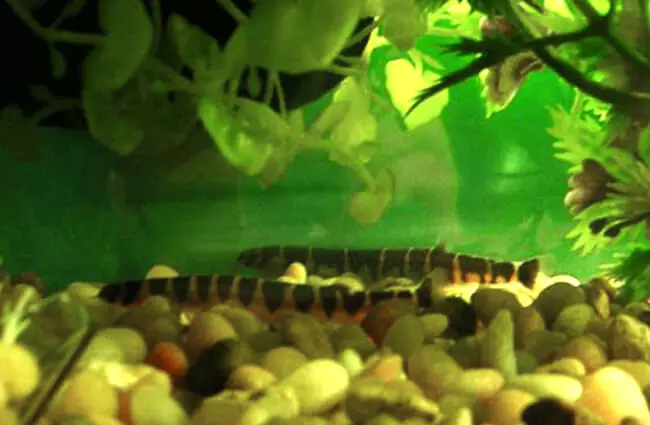
Loaches and Humans: Interaction and Cultural Significance
The relationship between loaches and humans is multifaceted, ranging from culinary uses to their role in the aquarium trade and even traditional beliefs.
Loach’s Contribution to Human Culture
- Food Source: In many parts of Asia and Europe, loaches are a traditional food source. Species like the Dojo Loach are farmed and consumed, valued for their taste and nutritional content.
- Traditional Medicine: In some cultures, loaches have been used in traditional medicine, believed to possess various health benefits.
- Aquarium Trade: Many loach species, particularly Clown Loaches, Kuhli Loaches, and Dojo Loaches, are highly popular in the ornamental fish trade due to their interesting behaviors, attractive appearances, and generally peaceful nature.
Loach’s Interaction with Humans
- Fishing: Loaches are caught both for subsistence and commercial purposes, often using nets or traps.
- Habitat Degradation: Human activities such as pollution, dam construction, habitat destruction (e.g., dredging rivers), and water abstraction pose significant threats to loach populations worldwide.
- Conservation Efforts: Recognizing their ecological importance and vulnerability, conservation efforts are underway for several threatened loach species. These efforts include habitat restoration, pollution control, and captive breeding programs.
- Scientific Research: Loaches are subjects of scientific research, providing insights into fish biology, evolution, and environmental health.
Caring for Loaches: A Zookeeper’s Guide
For zookeepers and dedicated aquarists, providing optimal care for loaches in captivity requires a deep understanding of their natural history and specific needs.
Tasks for a Zookeeper Caring for a Loach
-
Habitat Replication:
- Substrate: Provide a deep layer of fine, soft sand or smooth gravel (at least 2-3 inches) to allow for natural burrowing behavior. Avoid sharp or coarse substrates that can injure their delicate barbels.
- Decor: Offer plenty of hiding spots using smooth rocks, driftwood, ceramic caves, and dense planting. Ensure decor is stable and cannot trap or injure the fish.
- Water Flow: Mimic natural currents appropriate for the species. Hillstream loaches require strong, oxygen-rich flow, while others prefer calmer waters.
- Lighting: Provide subdued lighting, especially for nocturnal species. Offer shaded areas.
-
Water Quality Management:
- Filtration: Implement robust filtration (mechanical, biological, chemical) to maintain pristine water conditions. Loaches are sensitive to poor water quality.
- Parameters: Regularly monitor and maintain appropriate temperature, pH, ammonia, nitrite, and nitrate levels specific to the species. For example, most tropical loaches prefer temperatures between 75-82°F (24-28°C) and a slightly acidic to neutral pH (6.5-7.5).
- Oxygenation: Ensure high oxygen levels, especially for species from fast-flowing environments.
- Water Changes: Perform regular, partial water changes to keep nitrates low and replenish essential minerals.
-
Diet and Feeding:
- Variety: Offer a varied diet of high-quality sinking pellets or wafers, frozen foods (bloodworms, brine shrimp, daphnia), and live foods (small worms, insect larvae).
- Frequency: Feed once or twice daily, ensuring food reaches the bottom where loaches forage.
- Supplementation: For herbivorous or omnivorous species, include blanched vegetables (cucumber, zucchini) or spirulina flakes.
-
Social Needs:
- Group Size: For schooling species like Clown Loaches, keep them in groups of at least 5-6 individuals to promote natural behavior and reduce stress. Solitary species can be kept alone.
- Tank Mates: Choose peaceful, similarly sized tank mates that occupy different water columns to avoid competition and stress.
-
Health Monitoring:
- Observation: Regularly observe loaches for signs of stress, disease (e.g., ich, fin rot), or injury. Look for changes in color, behavior, appetite, or physical appearance.
- Quarantine: Always quarantine new fish before introducing them to an established exhibit.
- Treatment: Be prepared to treat common fish ailments, but be aware that loaches can be sensitive to certain medications, especially those containing copper.
What Should Be Avoided When Caring for a Loach
- Small Tanks: Avoid overcrowding or keeping large species in tanks that are too small. Loaches need ample space, especially schooling species.
- Sharp Decor: Never use decor with sharp edges or rough surfaces that can injure their delicate skin or barbels.
- Incompatible Tank Mates: Do not house loaches with aggressive or fin-nipping fish, or fish that are small enough to be prey.
- Poor Water Quality: Neglecting water changes or filtration will quickly lead to stress, disease, and death.
- Inadequate Substrate: A lack of appropriate substrate for burrowing will prevent natural behaviors and cause stress.
- Sudden Changes: Avoid sudden fluctuations in water parameters, as loaches are sensitive to environmental instability.
- Overfeeding: While loaches are voracious eaters, overfeeding can lead to poor water quality and health issues.
Encountering Loaches in the Wild: What to Do
If you are a hiker or nature enthusiast and happen upon a loach in its natural habitat, consider yourself lucky! These shy fish are often well-camouflaged.
- Observe from a Distance: The best thing to do is simply observe quietly. Do not attempt to touch, catch, or disturb the fish.
- Do Not Remove: Never remove a loach from its habitat. It is illegal in many places and harmful to the ecosystem.
- Avoid Contamination: Ensure you do not introduce any foreign substances (like sunscreen, insect repellent, or food scraps) into the water.
- Leave No Trace: Practice Leave No Trace principles. Do not disturb rocks, plants, or the streambed.
Fascinating Loach Facts: A Huge List of Interesting Tidbits
- Weather Forecasters: Dojo Loaches are famously known as “weather loaches” because they become highly active and swim erratically before a change in barometric pressure, often signaling an approaching storm.
- Intestinal Breathing: Many loach species can gulp air from the surface and absorb oxygen through a specially adapted section of their intestine, allowing them to survive in low-oxygen conditions.
- Suborbital Spine: Many loaches possess a sharp, retractable spine located just beneath their eye, which they can deploy as a defense mechanism when threatened.
- Sensitive Barbels: Their multiple pairs of barbels around the mouth are packed with chemoreceptors, making them incredibly sensitive tools for detecting food in murky water or buried in the substrate.
- Burrowing Masters: Some species, like Kuhli Loaches, are expert burrowers and can completely disappear into fine sand or gravel in a matter of seconds.
- Long Lifespan: Certain loach species, particularly Clown Loaches, can live for 15-20 years or even longer in well-maintained aquariums.
- Sound Production: Clown Loaches are known to produce audible clicking sounds, especially during feeding or when excited, by grinding their pharyngeal teeth.
- Scale Variations: Loaches exhibit a wide range of scale patterns, from small, embedded scales that make them feel smooth, to appearing almost scaleless in some species.
- Camouflage Experts: Many loaches have mottled or banded patterns that allow them to blend seamlessly with their benthic environment, providing excellent camouflage from predators.
- Diverse Diets: While many are omnivorous bottom feeders, some loaches are specialized algae grazers, while others are more carnivorous, preying on small invertebrates.
- Social Creatures: Many loach species are highly social and thrive in groups, exhibiting complex schooling behaviors and interactions.
- Global Distribution: Loaches are found across a vast geographical range, from temperate Europe to tropical Asia and parts of Africa, showcasing their adaptability to diverse freshwater environments.
Conclusion: Appreciating the Humble Loach
From their intricate evolutionary history to their vital ecological roles, loaches are far more than just “bottom feeders.” They are a testament to the incredible diversity and adaptability of freshwater fish, each species a unique story of survival and specialization. Whether you are a student delving into their biology, an animal lover seeking them in the wild, an aspiring zoologist eager to learn, a hiker enjoying nature, or a zookeeper dedicated to their care, the world of loaches offers endless opportunities for discovery and appreciation. By understanding and protecting these fascinating fish, we contribute to the health and biodiversity of our planet’s precious aquatic ecosystems.
![Closeup of a beautiful Red Angus cowPhoto by: U.S. Department of Agriculture [pubic domain]https://creativecommons.org/licenses/by/2.0/](https://animals.net/wp-content/uploads/2020/03/Red-Angus-4-238x178.jpg "Red Angus")

![Closeup of a beautiful Red Angus cowPhoto by: U.S. Department of Agriculture [pubic domain]https://creativecommons.org/licenses/by/2.0/](https://animals.net/wp-content/uploads/2020/03/Red-Angus-4-100x75.jpg "Red Angus")