The Enigmatic Leopard Cat: A Comprehensive Guide
The leopard cat is a small wild cat native to Asia that is often overlooked in favor of its larger feline relatives. Despite its size, it plays a crucial role in its ecosystems and holds a unique place in both natural history and human culture. This guide explores the biology, behavior, habitat, and interactions of the leopard cat with its environment and people.
Basic Biology and Identification
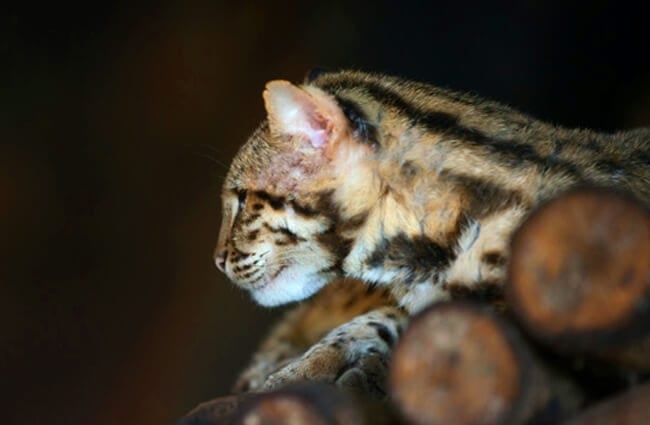
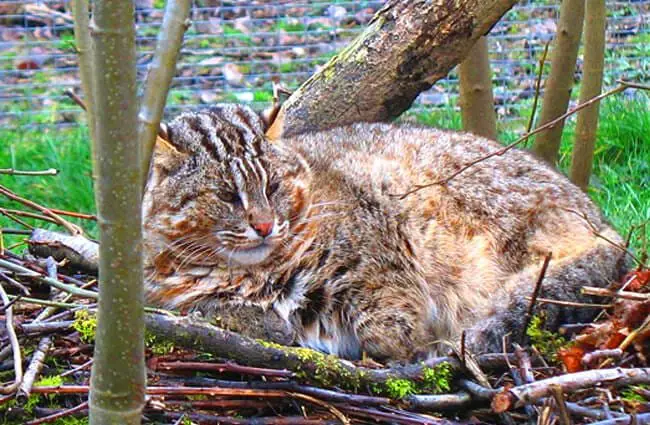
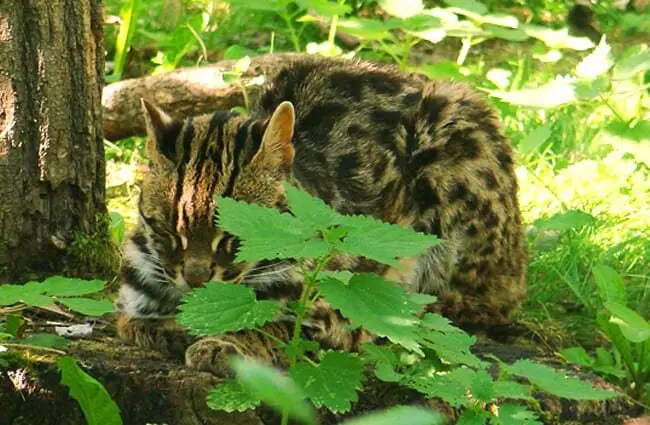
The leopard cat, scientifically known as Prionailurus bengalensis, is distinguished by its striking coat adorned with dark spots and rosettes. This pattern provides excellent camouflage in a variety of habitats. Adults typically weigh between 3 and 10 kilograms and measure 45 to 90 centimeters in body length, with an additional 30 to 40 centimeters added by the tail. While the base coat varies geographically—from pale yellow to reddish brown—the spotting remains consistent. Size and coloration differ among subspecies found in different regions.
Leopard cats possess proportionally long legs and a relatively small head, giving them agile and graceful movements. Their ears are rounded and moderately sized, and their eyes are well adapted for both day and night vision. They are proficient climbers and swimmers, demonstrating remarkable versatility in their pursuit of prey.
Habitat and Distribution
The leopard cat has an exceptionally wide distribution, spanning a vast range of habitats across Asia. It can be found in tropical rainforests, mangrove swamps, grasslands, scrublands, and even rocky outcrops. Its range extends from the Indian subcontinent and Southeast Asia to parts of Russia, China, and the Japanese islands.
This adaptability is key to its survival. Leopard cats prefer areas with dense vegetation, which provides ample cover for hunting and breeding. They are often found near water sources, which attract prey animals. They can thrive in fragmented habitats, demonstrating a resilience that is increasingly important in a world impacted by human activities. Specific subspecies may exhibit preferences for particular environments; for example, the Amur leopard cat is well adapted to the colder climates of the Russian Far East.
Diet and Hunting Behavior
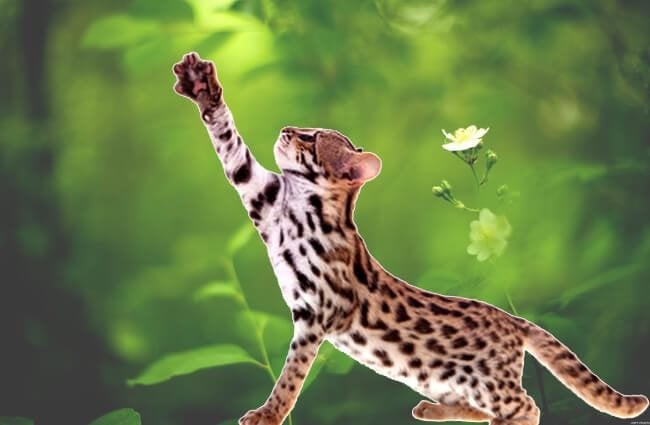
Leopard cats are opportunistic predators with a diverse diet. Their primary prey includes rodents, small mammals, birds, reptiles, amphibians, and fish. They also consume insects, crustaceans, and fruit when available. This dietary flexibility allows them to thrive in a variety of environments and adapt to fluctuations in prey availability.
They are primarily nocturnal hunters, relying on stealth and agility to ambush their prey. They use a “stalk and pounce” technique, carefully approaching their target before launching a swift attack. Their sharp claws and teeth ensure a quick and efficient kill. They often cache their kills, covering them with leaves or other debris to protect them from scavengers and to secure a future meal. They are skilled climbers and often hunt in trees, preying on birds and arboreal mammals.
Reproduction and Life Cycle
Leopard cats are generally solitary animals, except during the breeding season. Breeding typically occurs between January and March, with a gestation period of approximately 54 to 60 days. Females usually give birth to a litter of one to three kittens in a den constructed in a hollow log, a rock crevice, or a dense thicket.
Kittens are born blind and helpless, relying entirely on their mother for care. They begin to open their eyes at around seven to ten days old and are gradually introduced to solid food. They learn hunting skills by observing and imitating their mother and typically become independent at around nine to ten months old. Lifespan in the wild is estimated to be around ten to twelve years, although they can live longer in captivity.
Ecological Role and Interactions
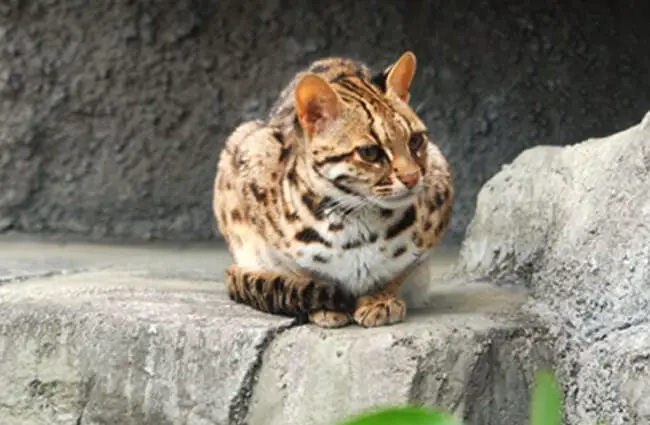
Leopard cats play a vital role in maintaining the health and balance of their ecosystems. As predators, they help to control populations of rodents and other small animals, preventing outbreaks and protecting agricultural crops. They also contribute to seed dispersal by consuming fruit and excreting the seeds in different locations.
They coexist with other predators, such as tigers, leopards, and dholes, but they generally avoid direct competition by occupying different niches or hunting at different times. They sometimes fall prey to larger predators, especially when they are young or vulnerable. They also interact with humans, often coming into conflict over livestock or resources. Their presence or absence can be an indicator of ecosystem health; a decline in leopard cat populations can signal habitat degradation or other environmental problems.
Leopard Cats and Human Culture
Leopard cats hold a significant place in the folklore and cultural traditions of many Asian communities. In some cultures, they are revered as symbols of good luck, prosperity, and protection. Their pelts have been used for centuries to make clothing and ornaments, although this practice has contributed to their decline in some areas.
They also feature prominently in local legends and myths, often depicted as cunning and elusive creatures. In some regions, they are believed to possess medicinal properties, and their body parts are used in traditional remedies. This cultural significance highlights the long-standing relationship between humans and leopard cats.
Conservation Status and Threats
The leopard cat is currently listed as Vulnerable by the International Union for Conservation of Nature. While relatively widespread, its populations are declining in many areas due to habitat loss, poaching, and human-wildlife conflict.
Deforestation, agricultural expansion, and urbanization are destroying and fragmenting their habitats, reducing their access to prey and increasing their vulnerability to predators. They are also hunted for their pelts and body parts, particularly in Southeast Asia. Conflict with humans arises when they prey on livestock or are perceived as a threat. Conservation efforts include habitat protection, anti-poaching patrols, and community-based conservation programs. Reducing human-wildlife conflict and promoting sustainable land use practices are also crucial for ensuring the long-term survival of this captivating species.
Encountering a Leopard Cat in the Wild
Leopard cats are elusive creatures and are rarely seen by humans. If you are fortunate enough to encounter one, it is essential to observe it from a distance and avoid disturbing it. Do not approach it, attempt to feed it, or make loud noises. Keep your pets under control, as they may pose a threat to the leopard cat. Report the sighting to local wildlife authorities, as this information can help with conservation efforts. Remember that leopard cats are wild animals and should be treated with respect.
Caring for Leopard Cats in Captivity
Providing appropriate care for leopard cats in captivity requires specialized knowledge and resources. They need spacious enclosures with plenty of climbing structures, hiding places, and enrichment items to stimulate their natural behaviors. Their diet should consist of a variety of high-quality meats, supplemented with vitamins and minerals. Regular veterinary checkups are essential to monitor their health and prevent diseases.
They require mental stimulation, such as puzzle feeders and interactive toys, to prevent boredom and stress. Zookeepers should provide opportunities for them to exhibit their natural hunting behaviors, such as scent trails or live prey under strict supervision. Maintaining a clean and hygienic environment is crucial for preventing the spread of diseases. Avoid excessive handling, as this can cause stress. Careful observation and understanding of their individual needs are essential for ensuring their well-being in captivity.
Fascinating Facts About Leopard Cats
- Leopard cats are excellent swimmers and can easily traverse bodies of water.
- Their spot patterns are unique to each individual, similar to human fingerprints.
- They can rotate their hind feet 180 degrees, allowing them to climb down trees headfirst.
- They have a keen sense of smell and hearing, which helps them locate prey in the dark.
- Some leopard cats have been known to hybridize with domestic cats, creating fertile offspring.
- They are most active during dawn and dusk.
- Their conservation status varies depending on the region, with some populations being more threatened than others.

The leopard cat, though small in size, is a remarkable creature with a vital role to play in the ecosystems it inhabits. By understanding its biology, behavior, and conservation challenges, we can help ensure the survival of this captivating feline for generations to come.
![Closeup of a beautiful Red Angus cowPhoto by: U.S. Department of Agriculture [pubic domain]https://creativecommons.org/licenses/by/2.0/](https://animals.net/wp-content/uploads/2020/03/Red-Angus-4-238x178.jpg "Red Angus")
![Closeup of a beautiful Red Angus cowPhoto by: U.S. Department of Agriculture [pubic domain]https://creativecommons.org/licenses/by/2.0/](https://animals.net/wp-content/uploads/2020/03/Red-Angus-4-100x75.jpg "Red Angus")