
Unveiling the Deepwater Monarch: The Fascinating World of the Lake Trout
Beneath the shimmering surfaces of North America’s vast, cold lakes lies a creature of remarkable resilience and ancient lineage: the Lake Trout, scientifically known as Salvelinus namaycush. This magnificent fish, a true char, is not merely another inhabitant of freshwater ecosystems; it is an apex predator, a living relic of the Ice Age, and a vital thread in the intricate tapestry of its environment. From its distinctive spotted livery to its profound adaptations for life in the frigid depths, the Lake Trout offers a captivating study for anyone intrigued by the wonders of the natural world.
![Closeup of a Lake Trout under water Photo by: Engbretson Eric, U.S. Fish and Wildlife Service [Public domain]](https://animals.net/wp-content/uploads/2020/01/Lake-Trout-3-650x425.jpg)
A Glimpse Beneath the Surface: What Makes a Lake Trout?
Physical Characteristics: Built for the Deep
The Lake Trout possesses a robust, torpedo-shaped body, perfectly engineered for navigating its aquatic domain. Its coloration typically ranges from dark green to grey, often adorned with distinctive light, irregular spots on its back and sides, which can sometimes extend onto its fins. A key identifying feature is its deeply forked tail, a hallmark of powerful, sustained swimming. While average sizes vary significantly by region and specific lake conditions, these fish are renowned for their potential to grow to impressive dimensions. Individuals weighing over 50 pounds and exceeding 40 inches in length are not uncommon, with historical records detailing giants approaching 100 pounds. This slow-growing species can also be remarkably long-lived, with some individuals surviving for more than 25 years, and exceptional cases pushing past the half-century mark, making them one of the longest-lived freshwater fish in North America.
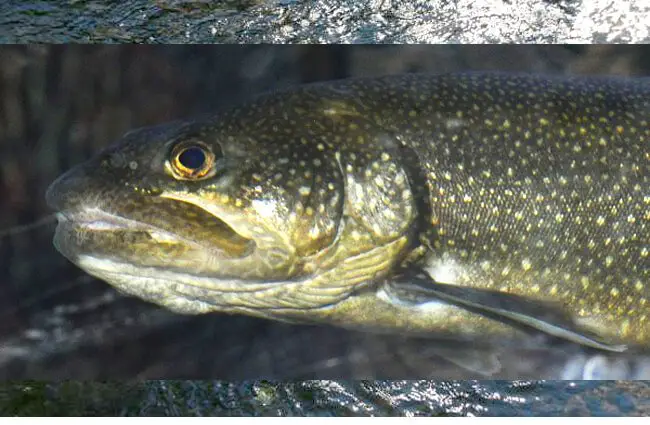
Habitat: A Realm of Cold and Clarity
The Lake Trout’s preferred habitat is as specific as it is demanding: large, deep, cold, and highly oxygenated lakes. Its native range spans the vast northern reaches of North America, encompassing much of Canada, Alaska, and extending south into the Great Lakes region and parts of New England. These fish are stenothermic, meaning they thrive within a narrow temperature range, typically preferring waters below 55°F (13°C). During the warmer summer months, Lake Trout retreat to the cooler, deeper strata of lakes, often congregating near the thermocline where cold, oxygen-rich water is abundant. In contrast, during the spring and fall lake turnover, when water temperatures become more uniform throughout the water column, they may venture into shallower areas, making them more accessible to observation and angling. Their reliance on pristine, cold water makes them excellent indicator species for the health of these unique aquatic environments.
Life in the Depths: Diet, Reproduction, and Evolution
The Apex Predator’s Plate: What Lake Trout Eat
As opportunistic and formidable predators, Lake Trout occupy the top of the food chain in many of their native ecosystems. Their diet shifts dramatically as they grow. Younger Lake Trout begin their lives feeding on zooplankton, aquatic insects, and small crustaceans. As they mature and increase in size, their diet transitions to primarily piscivorous, meaning they consume other fish. Favorite prey species include ciscoes (also known as lake herring), sculpins, whitefish, and smelt. However, their predatory nature means they will consume almost any fish species available, including smaller individuals of their own kind. Occasionally, larger Lake Trout have been observed preying on small mammals or amphibians that venture into the water. This broad and adaptable diet underscores their role as a crucial regulator of prey populations within their deepwater habitats.
The Cycle of Life: Mating and Reproduction
The reproductive cycle of the Lake Trout is a testament to their deep-water adaptations. Spawning typically occurs in the fall, usually between September and November, when water temperatures begin to drop. Unlike many salmonid species that build elaborate nests, Lake Trout do not construct redds. Instead, they seek out rocky shoals, reefs, or rubble bottoms, often in relatively shallow water ranging from 1 to 40 feet deep. Here, females scatter their large, orange-red eggs over the rocky substrate, while males simultaneously release milt, fertilizing the eggs. There is no parental care after the eggs are laid; they are left to develop over the long winter months, nestled among the rocks, protected from currents and some predators. Lake Trout are also slow to mature, with females typically reaching reproductive age between 6 to 8 years old, a factor that makes them particularly vulnerable to overfishing.
Echoes of the Ice Age: Evolutionary Journey
The Lake Trout’s evolutionary history is deeply intertwined with the glacial cycles of North America. Considered a “glacial relict,” its distribution and adaptations are a direct result of the last ice age. As glaciers retreated, Lake Trout colonized newly formed lakes, adapting to the cold, deep, and often oligotrophic (nutrient-poor) conditions. This long history of adaptation has led to the development of various distinct forms or “morphotypes” within the species, particularly evident in the Great Lakes. Examples include the “siscowet,” a deep-bodied, high-fat variant found in Lake Superior, and the “humpers” and “leans,” each adapted to specific depths and food sources. These morphotypes highlight the species’ remarkable genetic plasticity and its ability to specialize within diverse deepwater niches, offering a fascinating case study for aspiring zoologists interested in adaptive radiation and speciation.
An Ecosystem’s Cornerstone: Lake Trout’s Role and Interactions
Contribution to the Ecosystem
As the dominant apex predator in many of the cold, deep lakes it inhabits, the Lake Trout plays an indispensable role in maintaining ecosystem balance. By preying on a variety of fish species, it helps to regulate their populations, preventing overgrazing of zooplankton or smaller invertebrates and ensuring the health and diversity of the entire food web. Its presence is often a sign of a healthy, intact aquatic environment, making it a valuable indicator species. Changes in Lake Trout populations or health can signal broader environmental issues, such as pollution, habitat degradation, or the introduction of invasive species, prompting scientists and conservationists to investigate further.
Interactions with Other Animals
Within its ecosystem, the Lake Trout interacts with a wide array of other organisms. Its primary interactions are predatory, consuming various fish species like ciscoes, whitefish, and smelt. In turn, while adult Lake Trout have few natural predators due to their size and deepwater habitat, younger individuals can fall prey to larger fish, diving birds such as loons and mergansers, and even bears when they venture into shallower waters. Competition for food resources can occur with other large predatory fish, though the Lake Trout’s specialized deepwater niche often minimizes direct overlap. The introduction of invasive species, such as the sea lamprey in the Great Lakes, has historically had devastating impacts on Lake Trout populations, demonstrating the delicate balance of these interactions.
Lake Trout and Humanity: Culture, Conservation, and Coexistence
A Cultural Icon: Human Connection
For centuries, the Lake Trout has held significant cultural and economic importance for human communities. Indigenous peoples across its native range have long relied on Lake Trout as a crucial food source, developing intricate fishing techniques and integrating the fish into their cultural narratives and traditions. In more recent history, the Lake Trout has become a highly prized sport fish, attracting anglers from around the world who seek the thrill of battling these powerful deepwater dwellers, whether through ice fishing in winter or deepwater trolling in summer. Historically, commercial fisheries for Lake Trout were also significant, particularly in the Great Lakes, contributing substantially to regional economies. Today, while commercial fishing is largely restricted or carefully managed, the Lake Trout remains an iconic species, symbolizing the wild beauty and ecological richness of northern waters.
![Fresh-caught Lake Trout Photo by: U.S. Fish and Wildlife Service [Public domain]](https://animals.net/wp-content/uploads/2020/01/Lake-Trout-4-650x425.jpg)
Conservation Challenges and Efforts
Despite its resilience, the Lake Trout faces numerous threats, making conservation efforts paramount. Overfishing, particularly in the early 20th century, severely depleted populations in many areas. Habitat degradation, caused by pollution, shoreline development, and altered water quality, continues to pose a challenge. Perhaps one of the most significant threats has been the introduction of invasive species, such as the parasitic sea lamprey, which decimated Lake Trout populations in the Great Lakes before control measures were implemented. Today, extensive conservation programs are in place, including strict fishing regulations, habitat restoration projects, and large-scale stocking initiatives. Fish hatcheries play a critical role in these efforts, raising millions of Lake Trout eggs and juveniles for release into depleted waters, aiming to restore and maintain healthy populations for future generations.
![Fish hatchery receiving a million lake trout eggs Photo by: U.S. Fish and Wildlife Service Northeast Region [Public domain]](https://animals.net/wp-content/uploads/2020/01/Lake-Trout-2-650x425.jpg)
Practical Insights: Finding, Observing, and Caring for Lake Trout
For the Adventurer: Finding Lake Trout in the Wild
For the animal lover or aspiring zoologist hoping to encounter a Lake Trout in its natural habitat, understanding its preferences is key. Direct visual encounters are rare due to their deepwater nature, but observing them through fishing or specialized underwater cameras is possible.
- Location: Focus on large, deep, clear, and cold lakes across Canada, Alaska, the Great Lakes, and parts of the northeastern United States. Look for lakes with significant depths and rocky structures.
- Timing: The best times for finding Lake Trout in shallower, more accessible waters are during the spring and fall turnover periods, when the entire water column is uniformly cold. In summer, they retreat to the deepest, coolest parts of the lake, often near the thermocline. Winter ice fishing is also a popular method to target them.
- Techniques: Anglers typically employ deepwater trolling with downriggers, jigging heavy spoons or baits near the bottom, or ice fishing through thick ice. Understanding the lake’s bathymetry (depth contours) and water temperature profiles is crucial for success.
Encountering Lake Trout: A Hiker’s Guide
A casual hiker is highly unlikely to encounter a Lake Trout directly in the wild, as these fish rarely venture to the shoreline unless they are spawning or in very specific cold-water conditions. If, however, a hiker is also an angler and catches a Lake Trout, responsible interaction is paramount. Always handle the fish with wet hands to protect its delicate slime coat. Minimize its time out of water, especially if planning to release it. Use appropriate tools for hook removal and release it gently, headfirst, into the water, allowing it time to recover before swimming away. Observe from a respectful distance, appreciating its wild beauty without causing undue stress.
The Zookeeper’s Handbook: Caring for Lake Trout in Captivity
Caring for Lake Trout in a captive environment, such as an aquarium or research facility, requires specialized knowledge and meticulous attention to detail due to their specific environmental needs. Zookeepers must replicate their cold, deepwater habitat as closely as possible.
- Habitat Setup: Lake Trout require very large, deep tanks to accommodate their size and provide ample swimming space. The tank should include rocky structures, ledges, and shaded areas to mimic their natural deepwater environment and offer hiding spots, reducing stress.
- Water Parameters: This is perhaps the most critical aspect. Water temperature must be kept consistently cold, ideally below 55°F (13°C), and often closer to 40-50°F (4-10°C). High dissolved oxygen levels are essential, requiring robust aeration and circulation systems. Water quality must be pristine, with excellent filtration to remove ammonia, nitrites, and nitrates. Regular monitoring of pH, hardness, and alkalinity is also necessary.
- Dietary Needs: In captivity, Lake Trout can be fed high-quality, sinking fish pellets formulated for salmonids. This should be supplemented with whole fish, such as smelt, ciscoes, or other small, oily fish, to provide a complete nutritional profile and mimic their natural diet. Feeding schedules should be consistent, and portions adjusted to prevent overfeeding and maintain water quality.
- Environmental Enrichment: While not as complex as for terrestrial animals, enrichment can include varying water flow, providing different substrate types, and offering occasional live prey (if appropriate and safe) to stimulate natural predatory behaviors.
- Critical Avoidances: Zookeepers must rigorously avoid warm water temperatures, low oxygen levels, sudden fluctuations in water parameters, and overcrowding, all of which can quickly lead to stress, disease, and mortality in Lake Trout.
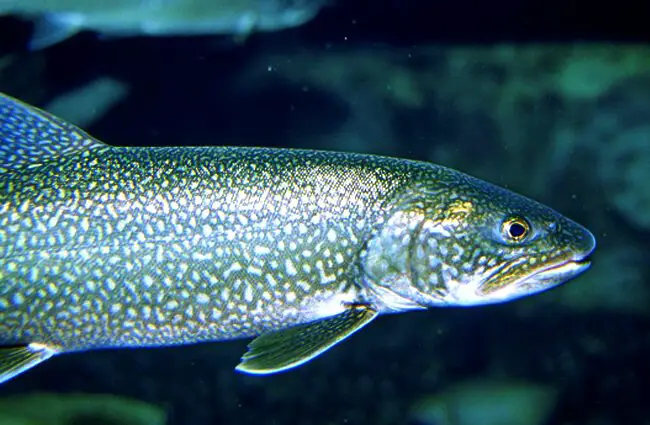
Beyond the Basics: Intriguing Facts About Lake Trout
- Slow and Steady Wins the Race: Lake Trout are known for their incredibly slow growth rates, especially in nutrient-poor northern lakes. This contributes to their long lifespans.
- A Fish of Many Names: Depending on the region and local dialect, Lake Trout are also known by various common names, including “laker,” “mackinaw,” “togue,” “grey trout,” and “salmon trout.”
- Deep Divers: While they spawn in shallower waters, Lake Trout are capable of diving to extreme depths, sometimes over 200 feet, in search of food and cooler temperatures.
- Fat Content Varies: The fat content of Lake Trout can differ dramatically between morphotypes. For example, the siscowet Lake Trout of Lake Superior is exceptionally fatty, an adaptation to its deepwater, high-pressure environment.
- Not a True Trout: Despite their common name, Lake Trout are technically a type of char, belonging to the genus Salvelinus, which also includes Brook Trout and Arctic Char. True trout belong to the genus Oncorhynchus or Salmo.
- Sensitive to Light: Lake Trout are quite sensitive to light, which is another reason they prefer deeper, darker waters, especially during daylight hours.
Conclusion: Guardians of the Deep
The Lake Trout stands as a testament to nature’s enduring power and adaptability. From its ancient origins shaped by glaciers to its critical role as an apex predator in today’s coldwater ecosystems, this char is a marvel of biological engineering. Its interactions with humans, spanning from cultural reverence and recreational pursuit to intensive conservation efforts, highlight our interconnectedness with the natural world. Understanding and protecting the Lake Trout means safeguarding the health of the magnificent, pristine lakes it calls home, ensuring that this deepwater monarch continues to thrive for generations to come.
![Closeup of a beautiful Red Angus cowPhoto by: U.S. Department of Agriculture [pubic domain]https://creativecommons.org/licenses/by/2.0/](https://animals.net/wp-content/uploads/2020/03/Red-Angus-4-238x178.jpg "Red Angus")

![Closeup of a beautiful Red Angus cowPhoto by: U.S. Department of Agriculture [pubic domain]https://creativecommons.org/licenses/by/2.0/](https://animals.net/wp-content/uploads/2020/03/Red-Angus-4-100x75.jpg "Red Angus")