
The Kune Kune: New Zealand’s Charming, Gentle Giant of the Pig World
In the vast tapestry of the animal kingdom, some creatures stand out not just for their unique appearance, but for their remarkable temperament and fascinating journey through history. Among these is the Kune Kune pig, a truly special breed hailing from the remote islands of New Zealand. Often described as the friendliest of all pigs, these endearing animals have captivated hearts worldwide, transitioning from a humble existence alongside the Maori people to becoming beloved companions and a symbol of successful conservation.
With their distinctive pot-bellied physique, short legs, and often shaggy coats, Kune Kunes possess an undeniable charm. But it is their incredibly docile and affectionate nature that truly sets them apart, earning them a reputation as the perfect porcine companion. This article delves into the world of the Kune Kune, exploring its origins, biology, behavior, and its profound connection with humans, offering insights for everyone from curious animal lovers to aspiring zoologists and dedicated zookeepers.
A Glimpse into the Kune Kune’s World: Basic Facts and Features
The Kune Kune, whose name literally translates to “fat and round” in the Maori language, perfectly embodies its descriptive moniker. These pigs are relatively small to medium-sized, typically standing about 20 to 24 inches tall at the shoulder and weighing anywhere from 120 to 250 pounds, with boars generally being larger than sows. Their robust, rounded bodies are supported by short, sturdy legs, giving them a distinctive waddling gait.
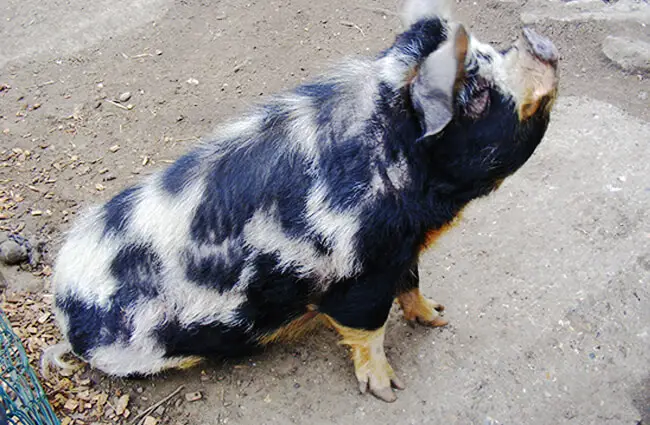
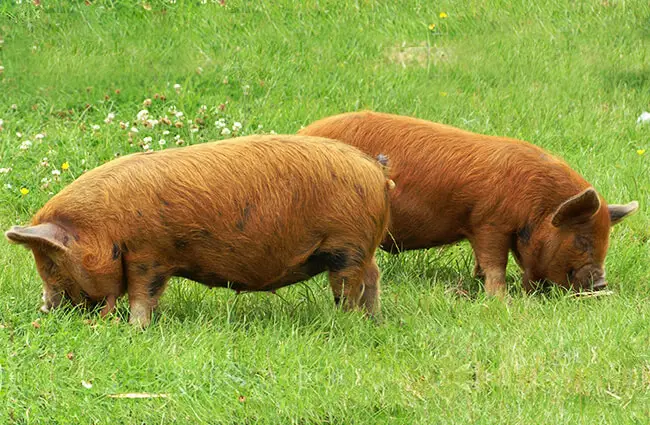
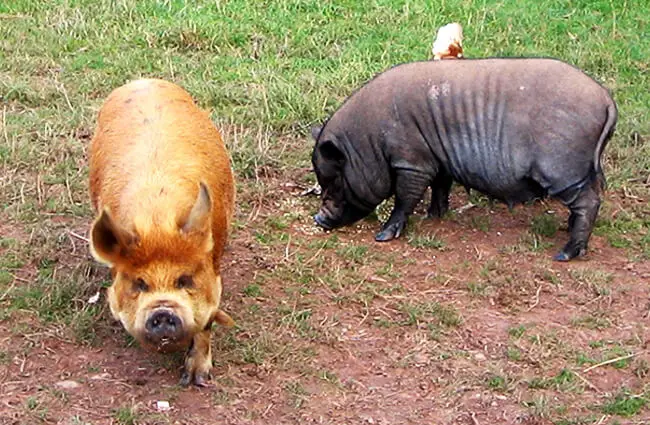
One of their most striking features is their coat, which can range from short and bristly to long and shaggy, coming in a delightful array of colors including black, brown, ginger, cream, and various bi- or tri-color combinations. Many Kune Kunes also sport unique fleshy tassels, known as “wattles” or “piri piri,” hanging from under their chins, adding to their endearing appearance. Beyond their looks, their gentle, intelligent, and highly social disposition makes them exceptionally appealing.
The Kune Kune’s Ancestry: A Journey from Polynesia to New Zealand
The story of the Kune Kune pig is deeply intertwined with the history of human migration. These pigs are believed to have been brought to New Zealand by Maori settlers, likely arriving from Polynesia in the early 19th century. Unlike many other pig breeds, Kune Kunes were traditionally kept by the Maori in a semi-feral state, often roaming freely around villages and foraging for food. This close association with humans, coupled with their unique genetic lineage, contributed to their remarkably placid temperament.
For centuries, they thrived in this symbiotic relationship, providing a valuable food source for the Maori people. However, with the arrival of European settlers and the introduction of other pig breeds, the purebred Kune Kune population began to decline dramatically. By the 1970s, the breed faced the brink of extinction, with only an estimated 50 purebred individuals remaining. It was through the dedicated efforts of a few passionate conservationists in New Zealand and later in the United Kingdom that the Kune Kune was pulled back from the edge, ensuring its survival for future generations.
Delving Deeper: Kune Kune Biology and Ecology
Habitat and Distribution: Where Kune Kunes Call Home
Originally adapted to the temperate climate of New Zealand, Kune Kunes historically roamed the village peripheries and open pastures alongside Maori communities. Today, finding Kune Kunes “in the wild” in their native New Zealand is virtually impossible, as they are a domesticated breed. Their survival was dependent on human intervention, and they now exist primarily in managed environments.
Their current distribution is global, largely due to their popularity as pets, farm animals, and conservation ambassadors. They are found in:
- Private Farms and Homesteads: Many individuals keep Kune Kunes for their meat, as lawnmowers, or simply as beloved pets.
- Zoos and Sanctuaries: Their docile nature and unique appearance make them popular exhibits, allowing the public to learn about this special breed.
- Conservation Breeding Programs: Dedicated efforts continue in New Zealand, the UK, and other countries to maintain genetic diversity and ensure the breed’s long-term viability.
For an animal lover hoping to encounter a Kune Kune, the best approach is to visit a reputable farm, sanctuary, or zoo that houses them. They are not animals one would typically “find” in a natural wilderness setting.
Evolutionary History: A Unique Porcine Lineage
The Kune Kune’s evolutionary path is distinct from many European pig breeds. Their isolation on the islands of New Zealand, coupled with selective breeding by the Maori for traits like docility and efficient grazing, shaped their unique characteristics. Genetically, they are thought to be related to Asian domestic pigs, reflecting their Polynesian origins. This lineage explains some of their physical differences from common European domestic pigs, such as their shorter snouts and less propensity for rooting.
Their survival through a genetic bottleneck in the 1970s means that while the breed was saved, careful management of breeding lines is crucial to prevent inbreeding and maintain genetic health. Modern Kune Kune populations are a testament to the power of human dedication in preserving unique animal heritage.
Diet and Foraging: The Grazing Pig
Unlike many other pig breeds known for their destructive rooting habits, Kune Kunes are primarily grazers. This makes them excellent “lawnmowers” and a more pasture-friendly pig for smallholdings. Their diet consists mainly of:
- Grass and Pasture: They thrive on good quality pasture, consuming large quantities of grass, clover, and other forage.
- Hay: During winter months or when pasture is scarce, hay forms a crucial part of their diet.
- Vegetables and Fruits: They enjoy a variety of fresh produce as supplements or treats.
- Commercial Pig Feed: A balanced commercial pig feed, specifically formulated for maintenance or growth, can supplement their grazing, especially for pregnant sows, lactating mothers, or growing piglets.
It is important to note that while they graze, they still require a balanced diet to ensure proper nutrition. Overfeeding, especially with rich foods, can lead to obesity, a common issue in pet Kune Kunes due to their love of food and human generosity.
Mating and Reproduction: Bringing New Life into the World
Kune Kunes are prolific breeders, contributing to their successful recovery from near extinction.
- Sexual Maturity: Sows typically reach sexual maturity between 6 to 8 months of age, though it is often recommended to wait until they are at least a year old before breeding to ensure full physical development. Boars mature slightly later.
- Gestation Period: The gestation period for a Kune Kune sow is approximately 112 to 116 days, often remembered as “three months, three weeks, and three days.”
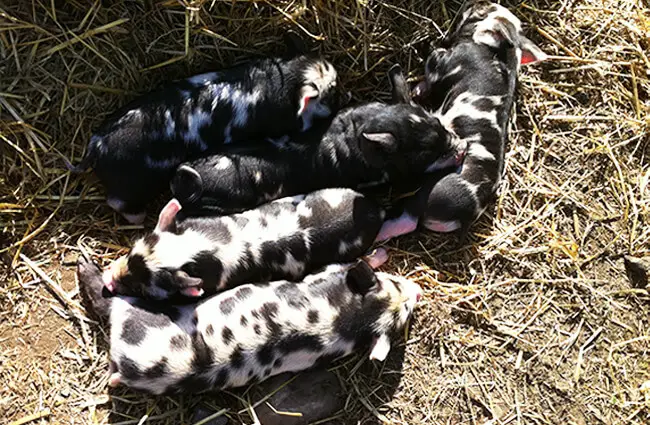
- Litter Size: Sows are excellent mothers, giving birth to litters that typically range from 6 to 10 piglets, though larger litters are not uncommon.
- Piglet Care: Piglets are born precocial, meaning they are relatively mature and mobile at birth. They nurse frequently and grow rapidly under the attentive care of their mother. Weaning usually occurs around 6-8 weeks of age.
Successful breeding programs focus on responsible pairing to maintain genetic diversity and health within the breed.
Social Structure and Behavior: The Heart of the Herd
Kune Kunes are highly social animals, thriving in the company of their own kind and often forming strong bonds with their human caretakers.
- Herd Animals: They prefer to live in groups, exhibiting complex social interactions within their herd. Keeping a single Kune Kune is generally discouraged, as they can become lonely and stressed.
- Docile and Friendly: Their most defining behavioral trait is their extreme docility. They are rarely aggressive, even boars, and are known for their gentle interactions with humans, including children.
- Intelligent and Trainable: Kune Kunes are intelligent and can be easily trained, responding well to positive reinforcement. They can learn to walk on a leash, come when called, and even perform simple tricks.
- Minimal Rooting: Unlike many other pig breeds, Kune Kunes have shorter, upturned snouts and a natural preference for grazing, which means they are far less prone to destructive rooting behavior. This makes them more suitable for maintaining pastures and gardens.
Their calm demeanor and social needs make them wonderful additions to family farms and educational settings.
Contribution to Ecosystem and Interaction with Other Animals
As a domesticated breed, Kune Kunes do not play a significant role in wild ecosystems. Their “contribution” is primarily within human-managed environments.
- Pasture Management: Their grazing habits can help maintain pastures, reducing the need for mechanical mowing.
- Minimal Environmental Impact: Compared to other pig breeds, their reduced rooting behavior means less soil disturbance and erosion, making them a more environmentally friendly choice for small-scale farming.
- Interactions with Livestock: Kune Kunes generally coexist peacefully with other docile livestock, such as sheep and goats, provided there is adequate space and resources. Their gentle nature means they are less likely to cause conflict.
- Predator Avoidance: In managed settings, they are protected from predators. If they were to encounter predators in a wild setting, their primary defense would be flight, though their size offers some deterrence to smaller predators.
Contribution to Human Culture and Interaction with Humans
The Kune Kune’s impact on human culture has evolved significantly.
- Maori Heritage: For the Maori, Kune Kunes were a vital part of their subsistence, providing food and companionship. They are a living link to Maori agricultural practices.
- Conservation
![Closeup of a beautiful Red Angus cowPhoto by: U.S. Department of Agriculture [pubic domain]https://creativecommons.org/licenses/by/2.0/](https://animals.net/wp-content/uploads/2020/03/Red-Angus-4-238x178.jpg "Red Angus")
![Closeup of a beautiful Red Angus cowPhoto by: U.S. Department of Agriculture [pubic domain]https://creativecommons.org/licenses/by/2.0/](https://animals.net/wp-content/uploads/2020/03/Red-Angus-4-100x75.jpg "Red Angus")


