The Magnificent Kodiak Bear: A Comprehensive Guide
The Kodiak Archipelago, a remote corner of southwestern Alaska, is home to one of the world’s most impressive predators: the Kodiak bear. Often considered a subspecies of brown bear, Ursus arctos middendorffi, these magnificent creatures are a symbol of wild Alaska, commanding respect and captivating observers with their sheer size and power. This guide delves into the world of the Kodiak bear, exploring its history, habitat, behavior, and its crucial role within its ecosystem.
Origins and Evolution
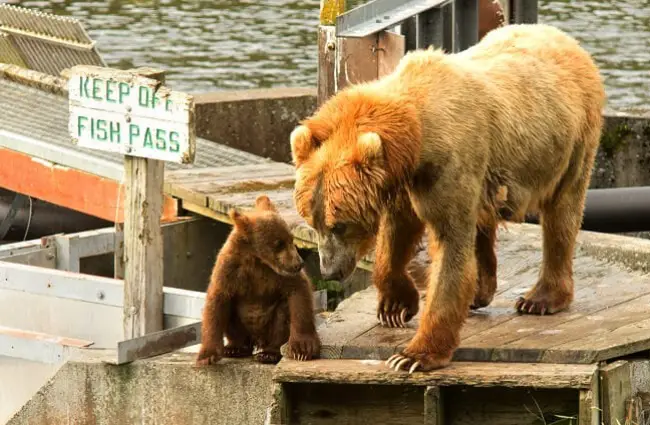
Kodiak bears, like all brown bears, trace their ancestry back to the Eurasian brown bear. Around 110,000 years ago, during the Pleistocene epoch, brown bears migrated across the Bering Land Bridge from Asia to North America. As the climate changed and glaciers retreated, populations became isolated, leading to regional adaptations. The Kodiak bear specifically adapted to the unique environment of the Kodiak Archipelago, becoming larger than most other brown bear populations. This phenomenon, known as insular gigantism, is common on islands where resources are relatively abundant and competition is limited. The isolated nature of the archipelago fostered genetic divergence, leading to the distinct characteristics observed in Kodiak bears today.
Habitat and Distribution
The Kodiak Archipelago, comprised of Kodiak Island and several smaller islands, provides a diverse habitat for these bears. This environment ranges from dense forests and meadows to rugged mountains and coastlines. Kodiak bears are found throughout the archipelago, utilizing different habitats depending on the season and food availability. They are opportunistic omnivores and their range reflects access to the resources they need. While primarily confined to the islands, occasional individuals may venture onto the mainland of Alaska, though such occurrences are rare.
Physical Characteristics
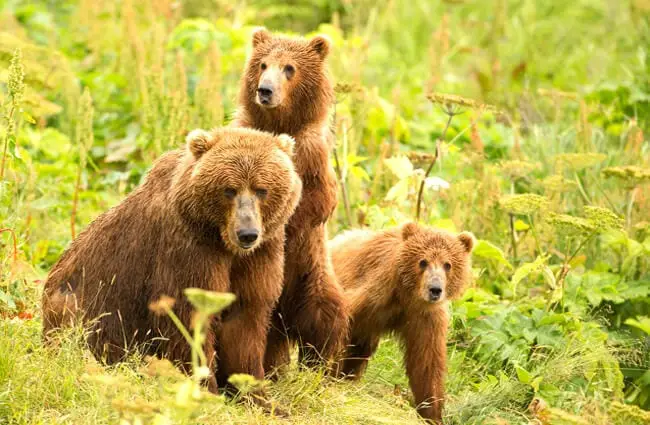
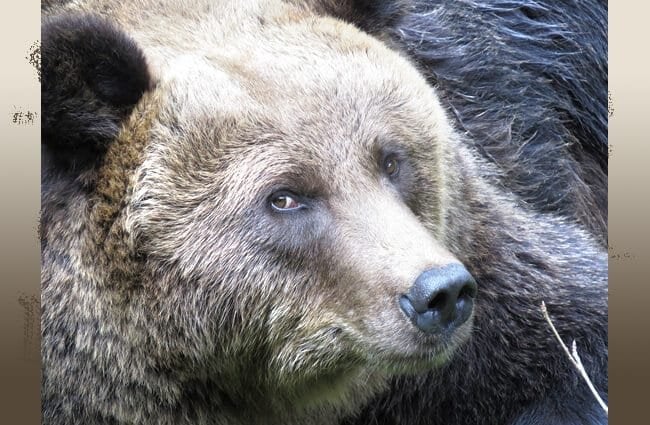
Kodiak bears are renowned for their immense size. Males typically weigh between 600 and 1400 pounds, while females are considerably smaller, weighing between 200 and 800 pounds. Standing on their hind legs, they can reach heights of up to nine feet. This impressive stature is not merely due to overall size but also to their powerful build and thick muscle mass. Their coat is typically dark brown, though coloration can vary from light cream to nearly black. They possess a distinctive shoulder hump, comprised of muscle tissue, which provides strength for digging and foraging. Like other bears, Kodiak bears have non-retractable claws, perfectly adapted for excavating roots, digging for clams, and securing prey.
Diet and Foraging Behavior
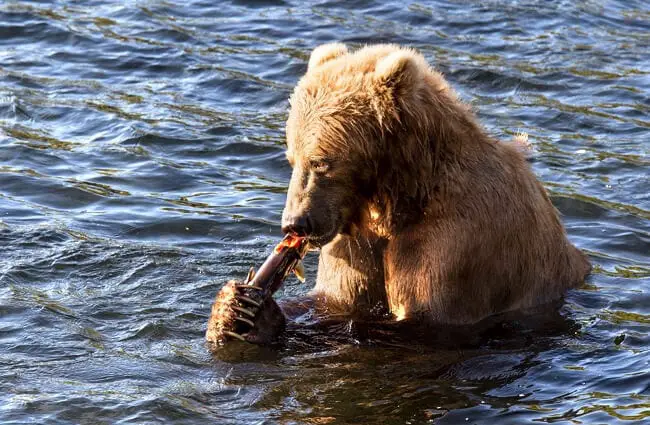
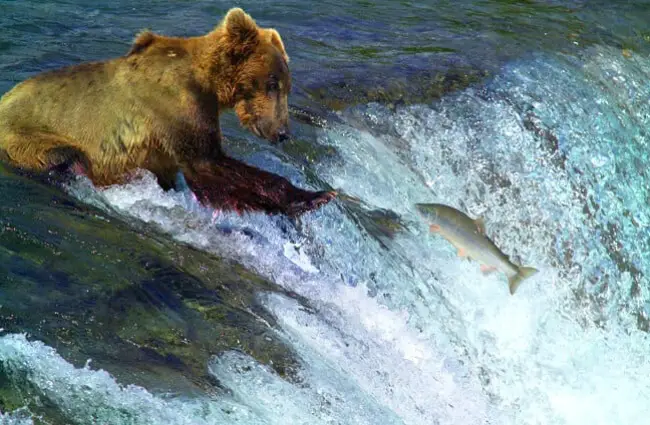
Kodiak bears are opportunistic omnivores, with a diet that varies seasonally. In the spring, they often forage on vegetation, roots, and berries. As the salmon runs begin in the summer, salmon becomes a staple food source. They are skilled anglers, adept at catching salmon in rivers and streams. They may also prey on ungulates like deer and elk, particularly calves. In the fall, they gorge on berries and prepare for the winter months. During winter, Kodiak bears enter a state of dormancy, though they do not experience true hibernation. They den in sheltered locations and rely on stored fat reserves to survive. The abundance of salmon is crucial to the health and survival of Kodiak bear populations.
Reproduction and Life Cycle
Kodiak bears typically reach sexual maturity between four and seven years of age. Mating occurs in late spring and early summer. Females usually give birth to one to three cubs in their dens during the winter. Cubs remain with their mothers for two to three years, learning essential survival skills. The mortality rate for cubs is relatively high, particularly during the first year of life. Female Kodiak bears have a relatively low reproductive rate, giving birth only every few years. This makes them particularly vulnerable to habitat loss and other threats. They exhibit delayed implantation, where the fertilized egg doesn’t immediately implant in the uterus, allowing the female to assess her body condition before committing to pregnancy.
Ecological Role and Interactions
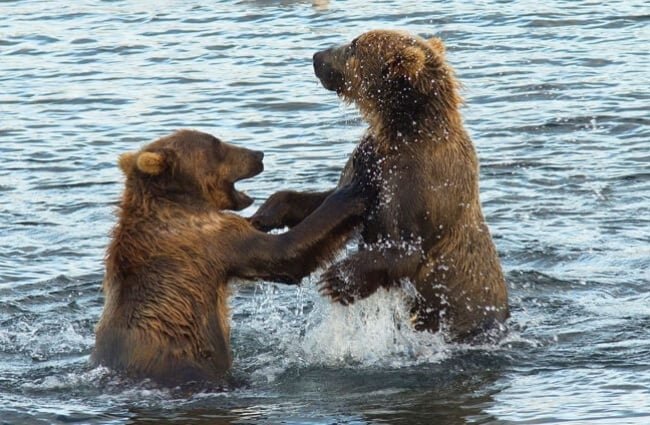
Kodiak bears play a vital role in maintaining the health of their ecosystem. They are considered a keystone species, meaning their presence significantly influences the structure and function of the environment. By preying on salmon, they help regulate fish populations and contribute to nutrient cycling. Their digging activities aerate the soil and facilitate plant growth. They also disperse seeds through their scat, contributing to plant diversity. They share their habitat with a variety of other animals, including deer, elk, wolves, and various bird species. While interactions between Kodiak bears and other predators can occur, they generally avoid direct conflict.
Kodiak Bears and Humans
For centuries, Kodiak bears have been an integral part of the culture and livelihoods of the native Alutiiq people. They provided a source of food, materials for clothing and shelter, and played a significant role in traditional ceremonies and beliefs. Today, Kodiak bears are a major attraction for ecotourism and sport hunting. Responsible management of bear populations and their habitat is crucial to ensure their long-term survival. Human-bear conflicts can occur, particularly when bears become habituated to human food sources. Proper food storage and bear safety precautions are essential when engaging in recreational activities in bear country.
Bear Safety in the Wild
If you encounter a Kodiak bear in the wild, it is important to remain calm and assess the situation. Make noise to alert the bear to your presence. Avoid direct eye contact. If the bear approaches, stand your ground and make yourself appear large. Carry bear spray and know how to use it. If the bear attacks, use bear spray; fighting back should be a last resort. Report any bear encounters to local authorities.
Caring for Kodiak Bears in Captivity
Zookeepers caring for Kodiak bears in captivity must provide a stimulating and enriching environment. This includes large enclosures with varied terrain, access to water for swimming, and opportunities for foraging. A diet that closely mimics their natural diet should be provided, including fish, meat, fruits, and vegetables. Regular veterinary care is essential to monitor their health and well-being. Enrichment activities, such as puzzle feeders and scent trails, can help keep them mentally and physically stimulated. Avoid prolonged eye contact or any behavior that could be perceived as threatening.
Interesting Facts
- Kodiak bears can run at speeds of up to 35 miles per hour.
- They have an excellent sense of smell, capable of detecting odors from miles away.
- Their bite force is estimated to be over 1,200 pounds per square inch.
- Kodiak bears can live for up to 30 years in the wild.
- They are capable of swimming long distances.
- The largest recorded Kodiak bear weighed over 1,600 pounds.
Conservation Status
While not currently considered endangered, Kodiak bear populations are vulnerable to habitat loss, climate change, and human-caused mortality. Ongoing monitoring and responsible management are essential to ensure their long-term survival. Protecting salmon runs and maintaining healthy ecosystems are critical to supporting Kodiak bear populations.
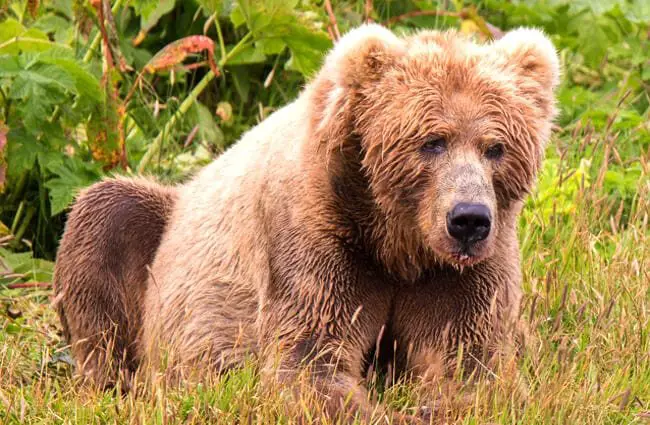
The Kodiak bear remains a majestic symbol of the Alaskan wilderness. Understanding its biology, behavior, and ecological role is crucial for ensuring its continued presence in this unique and fragile environment.
![Closeup of a beautiful Red Angus cowPhoto by: U.S. Department of Agriculture [pubic domain]https://creativecommons.org/licenses/by/2.0/](https://animals.net/wp-content/uploads/2020/03/Red-Angus-4-238x178.jpg "Red Angus")
![Closeup of a beautiful Red Angus cowPhoto by: U.S. Department of Agriculture [pubic domain]https://creativecommons.org/licenses/by/2.0/](https://animals.net/wp-content/uploads/2020/03/Red-Angus-4-100x75.jpg "Red Angus")