The Enigmatic Koala: A Comprehensive Guide
The koala, an iconic symbol of Australia, captivates hearts with its endearing appearance and seemingly tranquil lifestyle. However, beneath the fluffy exterior lies a fascinating creature with a unique evolutionary history, specialized diet, and complex ecological role. This guide delves into the world of the koala, exploring its biology, behavior, conservation status, and place within both the Australian ecosystem and human culture.
Koala Habitat and Distribution
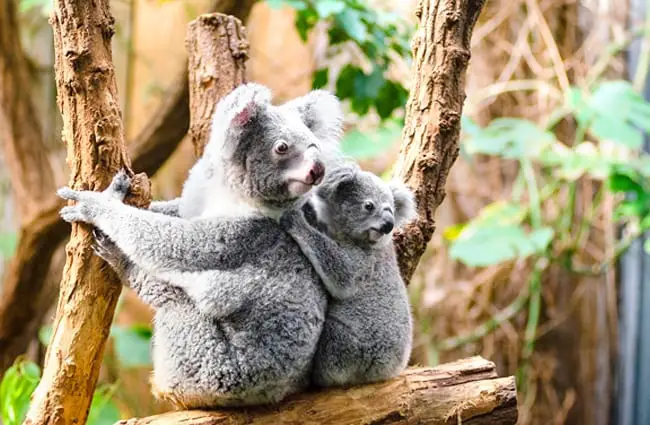
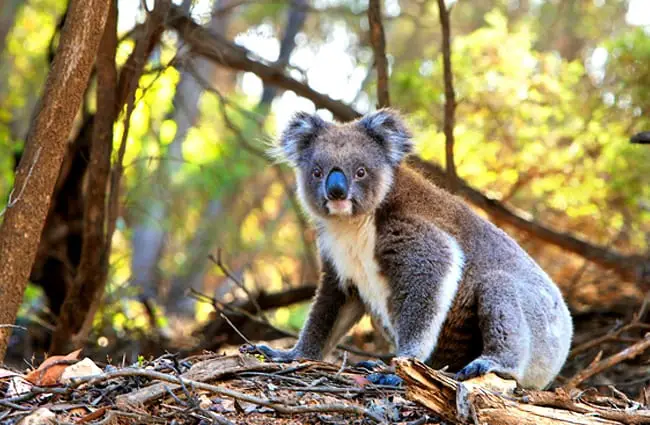
Koalas are primarily found in the eucalyptus forests and woodlands of eastern and southeastern Australia. Their distribution stretches from Queensland down through New South Wales, Victoria, and South Australia. These regions provide the essential eucalyptus trees that form nearly their entire diet. Koalas exhibit habitat preference, favouring areas with a diversity of eucalyptus species, as different trees provide varying nutritional value and shelter. They are arboreal animals, spending most of their lives in trees, and rarely venture onto the ground except to move between trees or during extreme weather. Finding a koala in the wild requires looking up—they are masters of camouflage amongst the foliage.
Evolutionary History: A Marsupial Tale
The koala’s evolutionary journey is a story of adaptation. Fossil evidence suggests that koalas originated around 25 million years ago, evolving from ancient marsupials. Early koala ancestors were more diverse in their diets, but over time, they specialized in eucalyptus leaves. This specialization led to significant changes in their anatomy and physiology, including the development of a unique digestive system capable of detoxifying the toxic compounds present in eucalyptus. The evolutionary path explains why Koalas are now found exclusively in Australia, a continent renowned for its unique marsupial fauna.
The Specialized Diet of a Eucalyptus Connoisseur
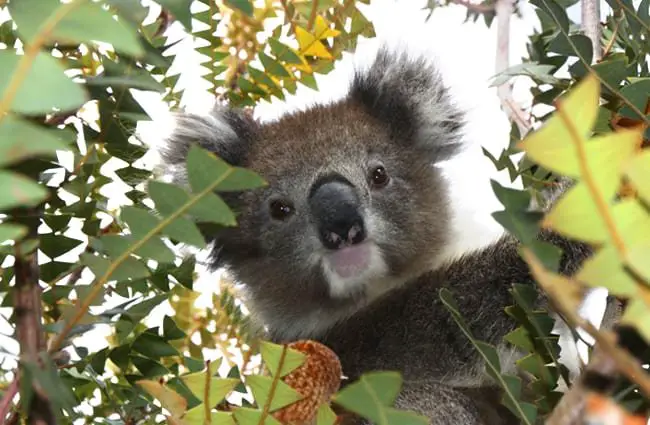
Eucalyptus leaves are a notoriously poor food source—low in nutrients, high in fiber, and containing toxic compounds. Yet, the koala thrives on them. This is due to several key adaptations. Firstly, a specialized digestive system featuring a long caecum houses bacteria that ferment the leaves and break down the cellulose. Secondly, the koala possesses a liver capable of detoxifying the eucalyptus oils. Thirdly, they are incredibly selective eaters, choosing leaves from specific eucalyptus species and even individual trees based on their nutritional value. An adult koala can consume up to a kilogram of leaves daily. They get most of their water from these leaves, hence their limited need to drink.
Mating, Reproduction, and Raising the Young
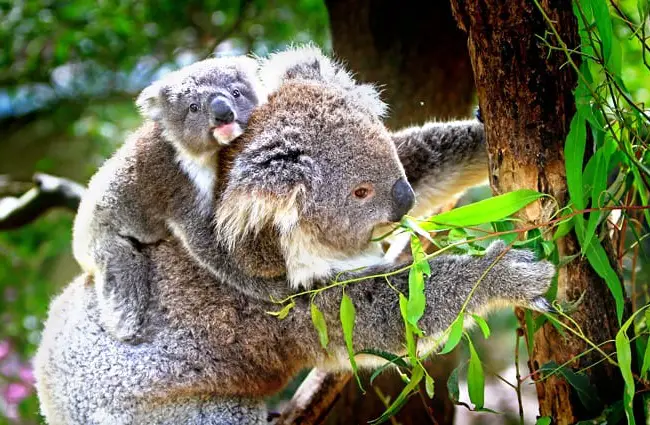
Koalas typically breed during the warmer months, from spring to early summer. Males attract females through vocalizations—a deep, bellowing sound that can travel considerable distances. After a gestation period of around 35 days, a single joey is born—tiny, hairless, and blind. The joey immediately climbs into its mother’s pouch, where it attaches to a teat and continues to develop for around six months. After emerging from the pouch, the joey rides on its mother’s back for several more months, gradually learning to feed on eucalyptus leaves. Young koalas, also known as joeys, are dependent on their mothers for around a year.
Koalas and the Ecosystem: An Ecological Role
Koalas play a role in the health of eucalyptus forests. Their selective browsing can influence the growth and diversity of eucalyptus trees. By feeding on certain leaves, they help to regulate tree growth and promote new foliage. They also contribute to nutrient cycling through their droppings. Koalas share their habitat with various other animals, including birds, reptiles, and mammals. While they are not apex predators, they contribute to the overall balance of the ecosystem. They occasionally interact with other arboreal herbivores but generally maintain a solitary existence.
Koalas in Human Culture: A Symbol of Australia
The koala holds a significant place in Australian Aboriginal culture, appearing in dreamtime stories and art. For many Aboriginal communities, the koala is a totem animal, representing certain clans or groups. In modern Australia, the koala is a national icon, appearing on stamps, souvenirs, and in popular media. Its endearing appearance and gentle nature have made it a beloved symbol of the country’s unique wildlife.
Human-Koala Interactions: Challenges and Conservation
Historically, koalas were heavily hunted for their fur. While this threat has largely been eliminated, koalas still face numerous challenges. Habitat loss and fragmentation due to land clearing and urbanization are major threats. Bushfires, disease (particularly chlamydia), and vehicle collisions also contribute to koala mortality. Conservation efforts include habitat protection, disease management, and the creation of wildlife corridors to connect fragmented habitats. Responsible tourism, such as observing koalas from a distance and avoiding disturbing their habitat, can also play a role in their conservation.
Encountering a Koala in the Wild: What to Do
If you encounter a koala in the wild, observe it from a respectful distance. Avoid approaching it or attempting to touch it. Koalas are easily stressed by human interaction. If the koala appears injured or distressed, contact a local wildlife rescue organization. Never attempt to handle an injured koala yourself, as they have sharp claws and teeth.
Koala Care in Captivity: A Zookeeper’s Guide
Providing adequate care for koalas in captivity requires specialized knowledge. Diet is crucial, providing a variety of fresh eucalyptus leaves from different species is essential. Enclosures should be spacious and arboreal, providing ample opportunities for climbing and resting. Regular veterinary checkups are vital to monitor for disease and ensure overall health. Maintaining hygiene is also important. Minimizing stress through careful handling and providing a quiet environment is critical to their well-being. Enrichment activities, such as providing browse and scent marking opportunities, can also enhance their quality of life.
Fascinating Koala Facts
- Koalas have fingerprints remarkably similar to humans.
- They sleep up to 20 hours a day, a result of their low-energy diet and the energy expenditure of digesting eucalyptus leaves.
- Koalas have a specialized pouch that opens downwards, preventing joeys from falling out.
- They are not bears—they are marsupials, more closely related to kangaroos and wombats.
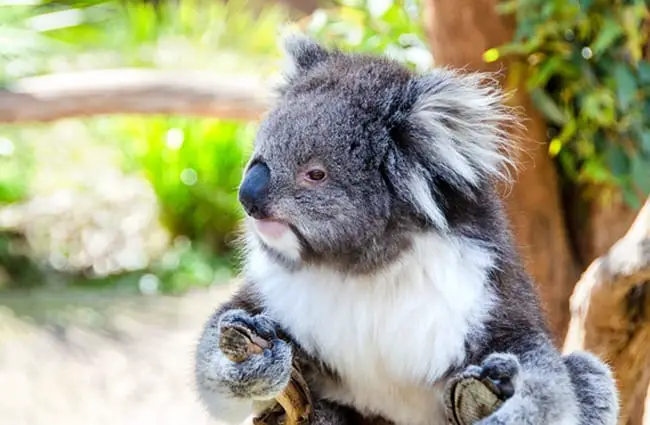
- Koalas have a cartilaginous pad on their bottom that helps them sit comfortably in trees.
- Their scientific name, Phascolarctos cinereus, translates to “ash-colored bear.”
- Koalas can swim, and have been known to cross rivers in search of food or mates.
The koala, a uniquely Australian marvel, continues to fascinate and inspire. By understanding its biology, behavior, and the challenges it faces, we can work towards ensuring its survival for generations to come. Conservation efforts, responsible tourism, and a continued appreciation for this iconic creature are essential to safeguarding its future.
![Closeup of a beautiful Red Angus cowPhoto by: U.S. Department of Agriculture [pubic domain]https://creativecommons.org/licenses/by/2.0/](https://animals.net/wp-content/uploads/2020/03/Red-Angus-4-238x178.jpg "Red Angus")
![Closeup of a beautiful Red Angus cowPhoto by: U.S. Department of Agriculture [pubic domain]https://creativecommons.org/licenses/by/2.0/](https://animals.net/wp-content/uploads/2020/03/Red-Angus-4-100x75.jpg "Red Angus")