Deep within the unique ecosystem of the Florida Keys lives a creature of remarkable resilience and charm: the Key Deer. These miniature marvels, a distinct subspecies of the white-tailed deer, are not just a captivating sight but also a testament to the power of adaptation and the importance of dedicated conservation efforts. Join us on a journey to uncover the fascinating world of these diminutive deer, from their evolutionary origins to their vital role in the Keys and their delicate dance with human civilization.
Prepare to delve into their habitat, understand their unique behaviors, and learn how we can all contribute to the survival of one of America’s most endearing endangered species.
Meet the Key Deer: A Miniature Marvel
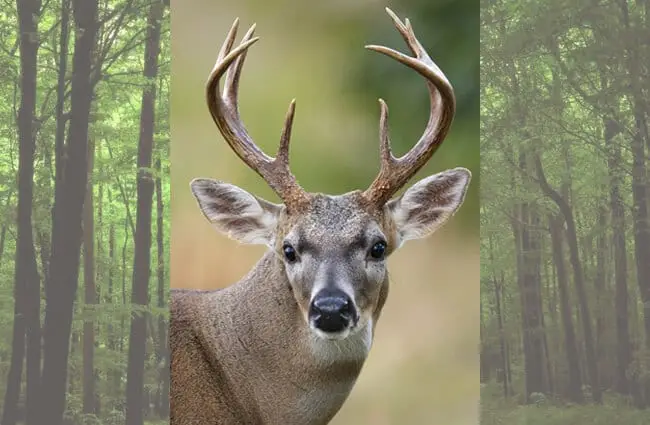
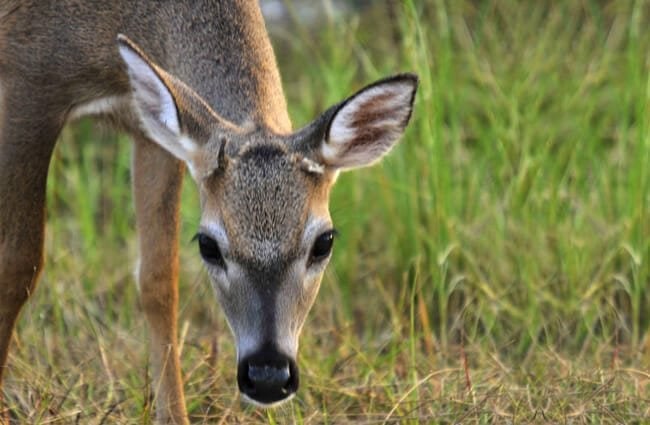
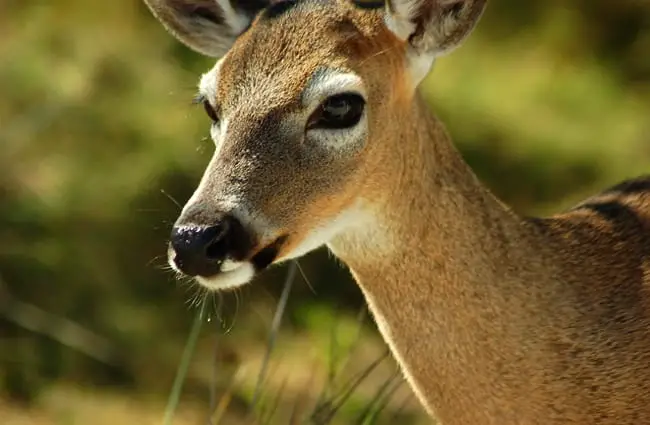
The Key Deer (Odocoileus virginianus clavium) stands as a prime example of nature’s ability to sculpt life in response to unique environmental pressures. As a subspecies of the widespread white-tailed deer, these animals are instantly recognizable by their significantly smaller stature, a characteristic that makes them truly unique among North American cervids.
Physical Characteristics
- Size: Key Deer are the smallest deer in North America. Adult males, known as bucks, typically stand about 28 to 32 inches (71 to 81 cm) at the shoulder and weigh between 55 and 80 pounds (25 to 36 kg). Females, or does, are slightly smaller, averaging 24 to 28 inches (61 to 71 cm) tall and weighing 45 to 65 pounds (20 to 29 kg). Fawns are born weighing just 2 to 4 pounds (0.9 to 1.8 kg).
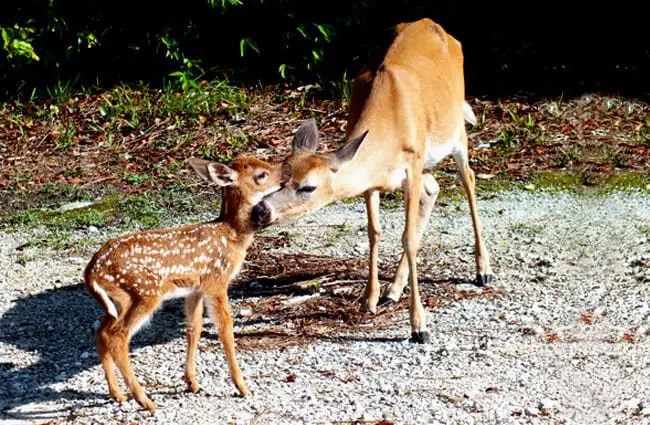
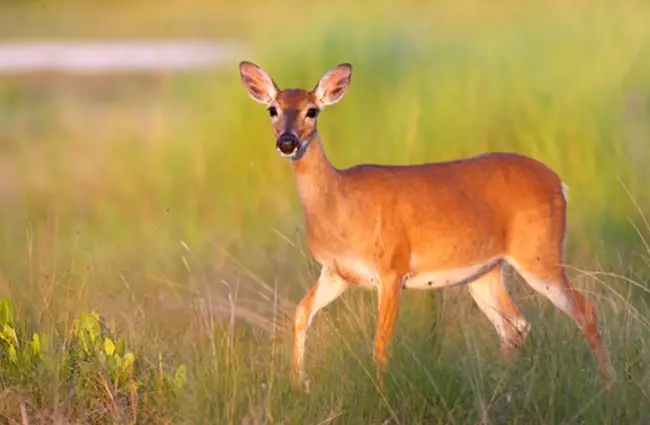
- Coloration: Their coat is a reddish-brown to grayish-brown, blending seamlessly with the subtropical vegetation of their island home. Fawns are born with characteristic white spots, which fade as they mature.
- Antlers: Bucks grow antlers annually, typically shedding them in late winter or early spring and regrowing them throughout the summer. The antlers are relatively small and usually have two to three points per side, reflecting their overall diminutive size.
Habitat: An Island Paradise
The Key Deer’s entire natural range is confined to a small cluster of islands in the lower Florida Keys, primarily Big Pine Key and No Name Key. This specialized habitat is a mosaic of diverse ecosystems:
- Pine Rocklands: Elevated areas dominated by slash pine, saw palmetto, and various hardwoods. These provide crucial cover and foraging grounds.
- Tropical Hardwood Hammocks: Dense, elevated forests with a rich diversity of tropical trees and shrubs, offering shade and food.
- Mangrove Forests: Coastal areas where red, black, and white mangroves thrive. Key Deer are known to forage on mangrove leaves and shoots, especially during dry seasons.
- Freshwater Wetlands: Crucial for their survival, these areas provide the only source of fresh water on the Keys, which are otherwise surrounded by saltwater. Key Deer are often seen drinking from these natural or man-made freshwater lenses.
The proximity of these varied habitats allows the deer to access different food sources and shelter types throughout the day and year, adapting to the dynamic island environment.
Diet: A Taste for the Tropics
Key Deer are herbivores with a varied diet, adapting to the available vegetation of their island home. Their primary food sources include:
- Leaves and Shoots: They browse on a wide array of plants, including red mangrove, black mangrove, white mangrove, buttonwood, and various grasses and forbs found in pine rocklands and hammocks.
- Fruits and Flowers: Seasonal fruits and flowers also form part of their diet, providing essential nutrients.
- Water: Access to fresh water is paramount. While they can tolerate some brackish water, they rely heavily on freshwater sources, often digging “deer wells” to access groundwater during droughts.
An Evolutionary Tale: Insular Dwarfism
The story of the Key Deer is a compelling chapter in evolutionary biology, illustrating the phenomenon known as insular dwarfism. Thousands of years ago, during periods of lower sea levels, white-tailed deer from the North American mainland likely migrated to the Florida Keys. As sea levels rose, these deer populations became isolated on the islands.
- Isolation and Adaptation: With limited resources, smaller body size became an evolutionary advantage. Smaller animals require less food and water, making them better suited to survive on resource-scarce islands. Over generations, natural selection favored smaller individuals, leading to the distinct dwarfism observed today.
- Genetic Uniqueness: This isolation has also led to genetic differentiation, making the Key Deer a unique and irreplaceable part of the planet’s biodiversity. Their adaptations include a higher tolerance for brackish water and a diet tailored to the specific flora of the Keys.
Life Cycle and Reproduction
The reproductive cycle of Key Deer is a vital aspect of their survival, carefully timed to the rhythms of their subtropical environment.
Mating and Gestation
- Rut Season: The breeding season, or rut, typically occurs from September to November. During this time, bucks become more active and competitive, engaging in sparring matches to establish dominance and attract does.
- Gestation: After a gestation period of approximately 200 days (around 6.5 to 7 months), does give birth.
Fawns and Parental Care
- Birthing Season: Most fawns are born in the spring and early summer, from April to June, coinciding with an abundance of fresh vegetation and water.
- Litter Size: Does usually give birth to a single fawn, though twins are not uncommon.
- Fawn Appearance: Newborn fawns are reddish-brown with white spots, providing excellent camouflage in dappled sunlight. They are incredibly vulnerable at this stage.
- Parental Care: The fawn remains hidden for its first few weeks, with the mother visiting periodically to nurse. This strategy minimizes the risk of predation. Fawns are weaned after about 2 to 3 months but may stay with their mother for up to a year.
Lifespan
In the wild, Key Deer typically live for about 5 to 7 years, though some individuals can live longer, especially does. Bucks often have a slightly shorter lifespan due to the stresses of the rut and antler growth.
Key Deer in the Ecosystem: A Delicate Balance
Despite their small size, Key Deer play a significant role in the delicate ecosystem of the lower Florida Keys. As primary consumers, they are integral to the food web and influence plant communities.
Herbivory and Vegetation Management
By browsing on various plants, Key Deer help shape the structure and composition of the vegetation in their habitat. Their selective foraging can influence plant succession and biodiversity, acting as natural landscapers in their unique environment.
Interaction with Other Animals
- Predators: Natural predators of Key Deer are limited in the Keys. Bobcats are the primary natural predator, especially for fawns. Alligators may also prey on deer, particularly near freshwater sources.
- Competition: Given their isolated habitat, competition with other large herbivores is minimal.
- Seed Dispersal: While not a primary seed disperser, Key Deer can contribute to the spread of plant seeds through their droppings, aiding in the regeneration of plant communities.
Key Deer and Humanity: A Shared Future
The relationship between Key Deer and humans is a complex tapestry of historical challenges, dedicated conservation, and ongoing coexistence. Once pushed to the brink of extinction, their story is a powerful reminder of our impact and our capacity for positive change.
A History of Decline and Recovery
- Historical Hunting: In the early 20th century, unregulated hunting for meat and sport decimated Key Deer populations. By the 1950s, their numbers plummeted to a mere 25 to 50 individuals, making them one of the most endangered mammals in the United States.
- Conservation Efforts: The establishment of the National Key Deer Refuge in 1957 was a pivotal moment. This protected area, managed by the U.S. Fish and Wildlife Service, provided a safe haven and allowed the population to slowly recover. Strict anti-poaching laws and habitat protection were crucial.
- Current Status: Thanks to these efforts, the Key Deer population has rebounded significantly, now estimated to be around 800 to 1,000 individuals. While still federally protected as an endangered species, their recovery is a remarkable conservation success story.
Modern Challenges and Human Interaction
Despite their recovery, Key Deer face persistent threats, almost all of which are human-induced:
- Vehicle Collisions: This is the leading cause of Key Deer mortality. The increasing traffic on roads that traverse their habitat poses a constant danger. Speed limits and educational campaigns are in place to mitigate this.
- Habitat Loss and Fragmentation: Development in the Keys continues to shrink and fragment their natural habitat, reducing available foraging grounds and freshwater sources.
- Feeding by Humans: While seemingly benign, feeding Key Deer human food is detrimental. It habituates them to humans, makes them less wary of roads, disrupts their natural diet, and can lead to digestive problems or even death. It is illegal and harmful.
- Disease and Climate Change: Outbreaks of diseases, such as screwworm, have posed threats. Rising sea levels and increased storm intensity due to climate change also represent long-term challenges to their low-lying island habitat.
Contribution to Human Culture
The Key Deer has become an iconic symbol of the Florida Keys, representing the unique biodiversity and conservation spirit of the region. They are a source of local pride and a significant draw for ecotourism, contributing to the local economy and fostering a greater appreciation for wildlife.
Encountering Key Deer in the Wild: A Guide for Animal Lovers and Hikers
For those eager to witness these enchanting creatures in their natural habitat, a visit to the lower Florida Keys offers a unique opportunity. Responsible viewing is key to their continued well-being.
Where and How to Find Them
- Primary Location: The best place to see Key Deer is on Big Pine Key and No Name Key, which are part of the National Key Deer Refuge.
- Best Times: Key Deer are most active during dawn and dusk. These crepuscular hours offer the highest chance of sightings as they emerge to feed. They can also be seen during the day, especially in shaded areas or near freshwater sources.
- Observation Tips:
- Drive Slowly: Observe posted speed limits, especially at dawn and dusk. Many deer are hit by vehicles.
- Be Patient and Quiet: Deer are shy. Move slowly and quietly, and use binoculars for a closer look without disturbing them.
- Look for Signs: Keep an eye out for tracks, droppings, or disturbed vegetation.
- Respect Their Space: Maintain a respectful distance. Never approach, chase, or attempt to touch a Key Deer.
What to Do if You Encounter a Key Deer
- Observe from a Distance: Enjoy the sighting, but do not get too close.
- Never Feed Them: This cannot be stressed enough. Feeding deer human food is harmful to their health and behavior. It is also illegal.
- Do Not Offer Water: While they need fresh water, offering it to them can also habituate them and lead to dependence. They know where to find natural sources.
- Drive Carefully: If you are in a vehicle, slow down, especially in areas marked with deer crossing signs. Be extra vigilant at night.
- Report Injured Deer: If you see an injured or distressed Key Deer, contact the National Key Deer Refuge immediately. Do not attempt to help the animal yourself, as this can cause further stress or injury to both you and the deer.
Caring for Key Deer in Captivity: Insights for Zookeepers (Hypothetical)
Key Deer are rarely held in captivity due to their endangered status and the focus on wild population recovery. However, in the rare event of a rescue or rehabilitation scenario, or for an aspiring zoologist considering their care, specific considerations would be paramount.
Essential Tasks for Care
- Dietary Management: Replicating their natural diet is crucial. This would involve providing a variety of native Florida Keys browse, such as mangrove leaves, buttonwood, and specific grasses. Commercial deer chow formulated for white-tailed deer could supplement, but natural forage should be prioritized. Access to fresh, clean water is non-negotiable.
- Habitat Enrichment: A captive enclosure must mimic their natural environment as closely as possible, including varied terrain, natural vegetation for browsing and cover, and shaded areas. Opportunities for natural behaviors like foraging, resting, and social interaction (if housed with other deer) are vital.
- Veterinary Care: Regular health checks, parasite control, and immediate attention to injuries or illnesses are essential. Knowledge of common deer ailments and specific vulnerabilities of Key Deer (e.g., heat stress, foot problems) would be necessary.
- Stress Reduction: Deer are naturally wary. A quiet environment, minimal human disturbance, and ample hiding spots are important to reduce stress.
- Social Structure: If multiple deer are housed, understanding their social dynamics is important to prevent aggression and ensure well-being.
What Should Be Avoided
- Human Food: Absolutely no human food should be given. This can cause severe digestive issues, nutritional deficiencies, and behavioral problems.
- Overcrowding: Insufficient space can lead to stress, aggression, and increased disease transmission.
- Lack of Natural Forage: Relying solely on commercial feed can lead to health problems and behavioral issues.
- Excessive Human Interaction: While care is necessary, over-handling or constant presence can stress the deer and make them overly habituated, which is detrimental if release is a possibility.
- Inappropriate Enclosure Design: Enclosures lacking adequate cover, shade, or natural substrate can lead to physical and psychological issues.
Fascinating Facts About Key Deer
“The Key Deer’s journey from near extinction to a thriving population is a powerful narrative of nature’s resilience and humanity’s capacity for redemption.”
- Excellent Swimmers: Despite their small size, Key Deer are strong swimmers and can traverse channels between islands, a crucial skill for finding food and fresh water.
- Nocturnal and Crepuscular: They are most active at dawn, dusk, and throughout the night, using these cooler hours to forage and avoid human activity.
- Unique Vocalizations: Key Deer communicate through a variety of sounds, including snorts, bleats, and grunts.
- Saltwater Tolerance: While they need fresh water, they have a higher tolerance for brackish water than mainland white-tailed deer, an adaptation to their island environment.
- Antler Cycle: Bucks typically shed their antlers in February or March and regrow them by late summer, ready for the autumn rut.
- Population Boom: From a low of around 25 individuals in the 1950s, their population has recovered to nearly 1,000, a remarkable conservation success.
- Protected Status: They have been federally protected as an endangered species since 1967.
- “Deer Wells”: During dry periods, Key Deer are known to dig shallow depressions in the ground to access freshwater lenses that float above saltwater.
- No Fear of Water: Unlike many deer, they are often seen wading or swimming in shallow waters, especially to escape heat or reach new foraging areas.
- Island Hoppers: Their ability to swim allows them to utilize resources across multiple small islands within their range.
Conclusion: Guardians of the Keys
The Key Deer is more than just a charming inhabitant of the Florida Keys; it is a living symbol of adaptation, survival, and the profound impact of human actions. Their story underscores the importance of protecting unique ecosystems and the species that call them home. From their evolutionary journey of insular dwarfism to their daily struggle against habitat loss and vehicle collisions, these miniature deer offer invaluable lessons in ecology and conservation.
As we continue to share their island home, our responsibility remains clear: to drive carefully, never feed wildlife, and support the ongoing efforts of the National Key Deer Refuge. By doing so, we ensure that future generations will also have the privilege of witnessing these extraordinary creatures, the true guardians of the Keys, thriving in their natural habitat.
![Closeup of a beautiful Red Angus cowPhoto by: U.S. Department of Agriculture [pubic domain]https://creativecommons.org/licenses/by/2.0/](https://animals.net/wp-content/uploads/2020/03/Red-Angus-4-238x178.jpg "Red Angus")
![Closeup of a beautiful Red Angus cowPhoto by: U.S. Department of Agriculture [pubic domain]https://creativecommons.org/licenses/by/2.0/](https://animals.net/wp-content/uploads/2020/03/Red-Angus-4-100x75.jpg "Red Angus")