The Remarkable Kangaroo Rat: A Desert Dweller’s Tale
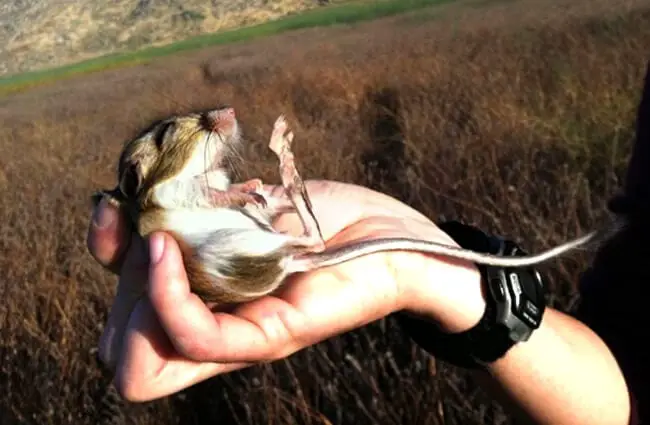
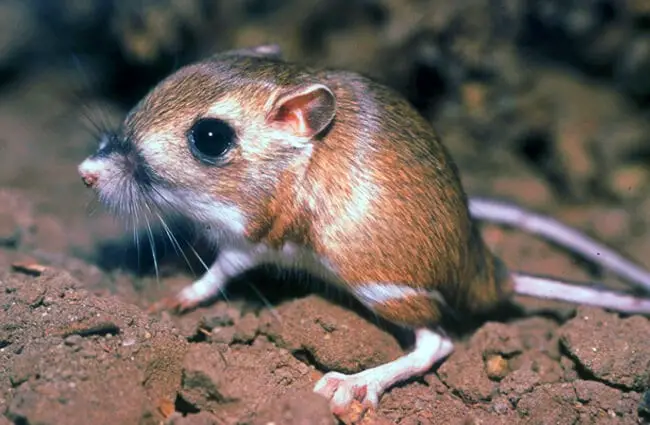
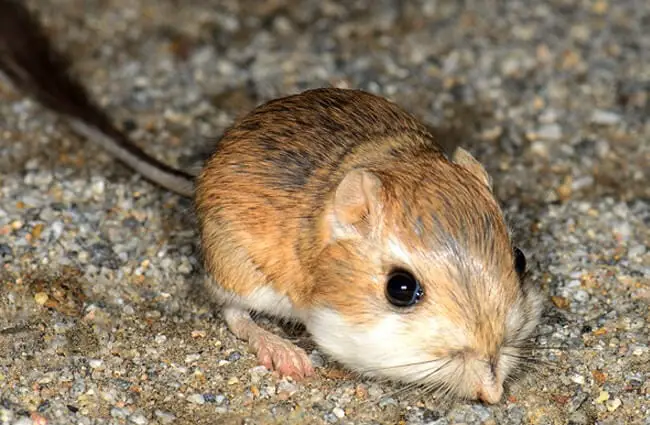
The kangaroo rat is a captivating creature of the arid lands of North America. These small rodents, despite their name, are not actually kangaroos, but have earned the moniker due to their bipedal locomotion and long, powerful hind legs. More than just a curious evolutionary adaptation, the kangaroo rat embodies a suite of remarkable features that allow it to thrive in some of the harshest environments on the continent.
Habitat and Distribution
Kangaroo rats are primarily found in the arid and semi‑arid regions of the western United States and northwestern Mexico. Their range stretches from southwestern Canada down through the desert Southwest and into Baja California. They inhabit a variety of environments including deserts, grasslands, and shrublands. Different species have adapted to specific niches within these broad areas. For example, Merriam’s kangaroo rat prefers grasslands, while Stephens’ kangaroo rat favors chaparral and coastal scrub. They are masters of camouflage, blending seamlessly with their surroundings. Their presence is a strong indicator of a healthy desert ecosystem.
Evolutionary History: An Ancient Lineage
The evolutionary roots of the kangaroo rat are fascinating. They belong to the family Heteromyidae, a group of rodents that diverged from other rodents around 40 million years ago. The ancestors of modern kangaroo rats were likely small, generalized rodents that gradually adapted to arid conditions. The development of their hopping locomotion, long hind legs, and specialized kidneys are all key adaptations that allowed them to exploit a niche unavailable to most other rodents. Fossil records show a rich diversity of kangaroo rat species throughout the Pleistocene epoch, suggesting they were once even more widespread than they are today.
Diet and Water Conservation
Kangaroo rats are primarily seed eaters, specializing in consuming seeds, grains, and occasionally insects. Their diet is surprisingly diverse, varying with seasonal availability. What truly sets them apart is their ability to survive with minimal free water. They obtain most of their water from the seeds they eat, and through metabolic water production—water generated as a byproduct of breaking down carbohydrates, fats, and proteins. Their kidneys are exceptionally efficient at concentrating urine, minimizing water loss. They can even survive without drinking water. This physiological feat has earned them a reputation as one of the most water‑independent mammals on Earth.
Behavior and Social Structure
Kangaroo rats are mostly nocturnal, becoming active under the cover of darkness to avoid the intense heat of the day. They are skilled burrowers, constructing elaborate underground tunnel systems that provide shelter from predators and the elements. These burrows often include caches of seeds for later consumption. While not strictly social animals, kangaroo rats do interact with one another, particularly during mating season. They communicate through a combination of scent marking and vocalizations. They exhibit a behavior called dust bathing, where they roll around in loose dirt, presumably to maintain their fur and deter parasites.
Mating and Reproduction
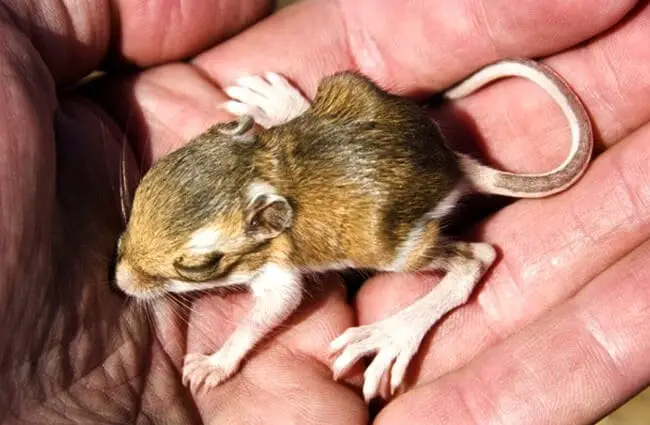
The mating season for kangaroo rats typically occurs in the spring and summer months. Males defend territories and compete for access to females. After a gestation period of around 22 to 30 days, females give birth to litters of two to ten pups. The pups are born blind and helpless, relying entirely on their mother for care. They are weaned after about three weeks and reach sexual maturity after a few months. Kangaroo rats have a relatively short lifespan, typically living only one to two years in the wild, though some individuals may live longer.
Ecological Role and Interactions
Kangaroo rats play a vital role in the desert ecosystem. They are important seed dispersers, helping to propagate plants throughout the landscape. Their burrowing activities aerate the soil and create habitats for other animals. They also serve as prey for a variety of predators, including snakes, hawks, owls, and coyotes. They have a mutualistic relationship with certain gut bacteria that help digest seeds. Their presence or absence can be a strong indicator of ecosystem health.
However, kangaroo rat populations are facing increasing threats from habitat loss, fragmentation, and climate change. Several species are listed as endangered or threatened under the Endangered Species Act, including the Morro Bay kangaroo rat and the Tipton kangaroo rat.
Kangaroo Rats and Humans
Historically, kangaroo rats were an important food source for Native American tribes in the Southwest. They were also used for medicinal purposes. Today, kangaroo rats are primarily valued for their ecological role and as subjects of scientific research. However, they can sometimes come into conflict with humans when they damage crops or gardens. They are also susceptible to rodenticides used for pest control.
Species Spotlight: A Diverse Family
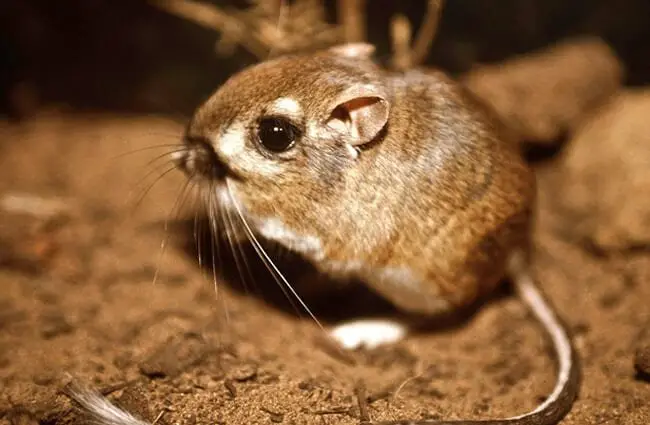
There are over 20 different species of kangaroo rats, each with its own unique characteristics and adaptations. Some notable species include:
- Gulf Coast Kangaroo Rat (Dipodomys compactus): Found in coastal prairies and marshes of the Gulf Coast.
- Giant Kangaroo Rat (Dipodomys ingens): The largest species, found in the San Joaquin Valley of California.
- Ord’s Kangaroo Rat (Dipodomys ordii): A widespread species found throughout much of the western United States.
- Stephens’ Kangaroo Rat (Dipodomys stephensi): A federally endangered species found in coastal California.
For the Aspiring Zoologist: Advanced Insights
The physiological adaptations of kangaroo rats continue to fascinate researchers. Their loop of Henle, a specialized structure in the kidney, is remarkably long, allowing for highly concentrated urine. Their nasal passages are also uniquely adapted to conserve water, extracting moisture from exhaled air. Studies on their cognitive abilities have revealed that they exhibit sophisticated spatial memory, allowing them to navigate complex burrow systems and locate cached seeds. Their role as seed predators can have significant impacts on plant community structure and dynamics.
Encountering a Kangaroo Rat in the Wild: What to Do
If you are lucky enough to encounter a kangaroo rat in the wild, observe it from a distance. Do not attempt to approach or handle it. Respect its habitat and avoid disturbing its burrows. Remember that these animals are sensitive to human presence and can be easily stressed. If you are hiking in kangaroo rat habitat, be mindful of your impact on the environment.
Caring for Kangaroo Rats in Captivity
Kangaroo rats are not well suited for life in captivity. They require specialized diets, large enclosures, and a complex burrow system to thrive. Their natural behaviors are difficult to replicate in a captive environment. If you are a zookeeper caring for kangaroo rats, provide them with a spacious enclosure that includes deep substrate for burrowing, a varied diet of seeds, grains, and insects, and opportunities for foraging and exploration. Avoid overcrowding and minimize human interaction.
The kangaroo rat stands as a testament to the power of adaptation and the resilience of life in even the most challenging environments. By understanding and appreciating these remarkable creatures, we can help ensure their survival for generations to come.
![Closeup of a beautiful Red Angus cowPhoto by: U.S. Department of Agriculture [pubic domain]https://creativecommons.org/licenses/by/2.0/](https://animals.net/wp-content/uploads/2020/03/Red-Angus-4-238x178.jpg "Red Angus")
![Closeup of a beautiful Red Angus cowPhoto by: U.S. Department of Agriculture [pubic domain]https://creativecommons.org/licenses/by/2.0/](https://animals.net/wp-content/uploads/2020/03/Red-Angus-4-100x75.jpg "Red Angus")