A Deep Dive into the World of the Kakapo
The Kakapo, Strigops habroptilus, is a truly remarkable bird. Endemic to New Zealand, it holds the distinction of being the world’s heaviest parrot, the world’s only flightless parrot, and a living fossil representing an ancient lineage. More than just a quirky avian, the Kakapo embodies resilience, adaptation, and the delicate balance of an island ecosystem. This article will explore every facet of this extraordinary creature, from its evolutionary history and unique biology to its conservation challenges and intriguing behaviors.
A Parrot Unlike Any Other: Biology and Characteristics
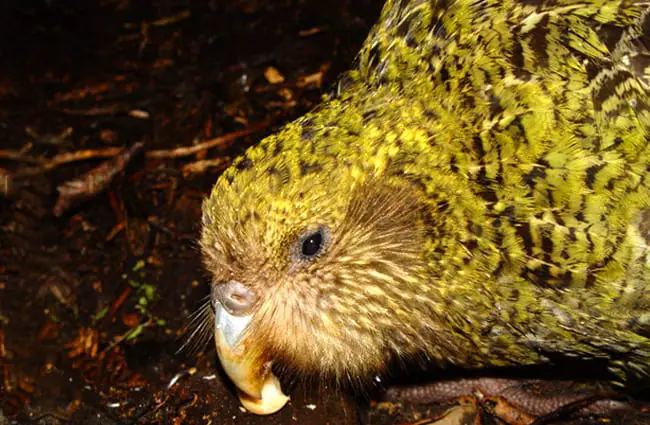
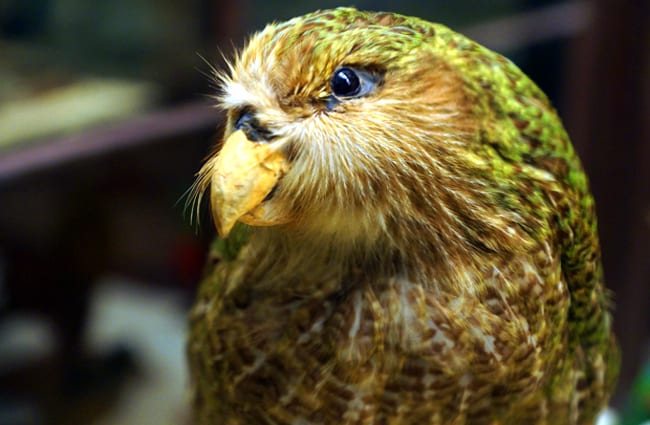
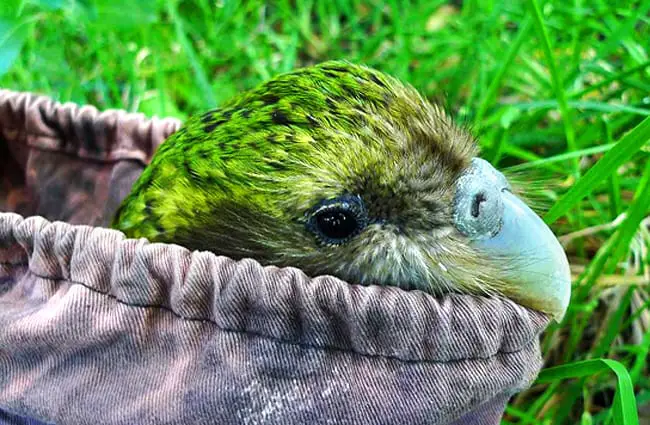
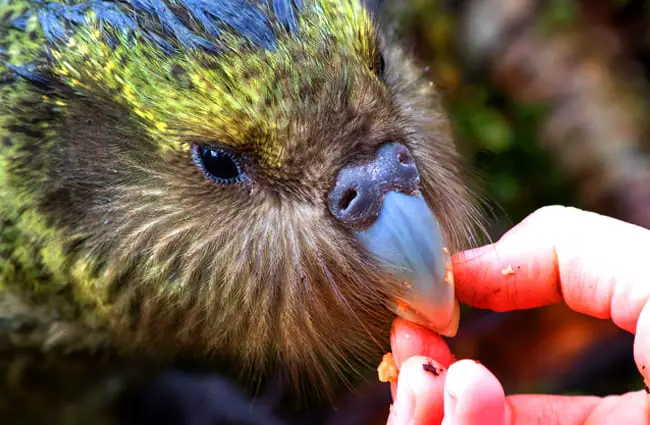
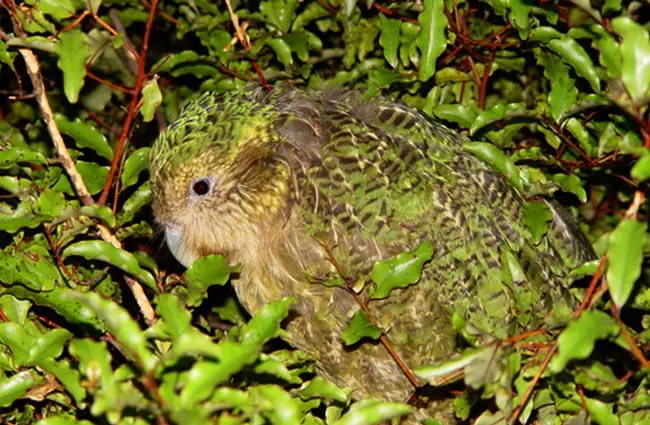
The Kakapo is a large parrot, typically weighing between 2 to 4 kilograms (4.4 to 8.8 pounds). Males are significantly larger than females and possess a more vibrant green plumage, providing excellent camouflage within the forest undergrowth. Females, on the other hand, exhibit a mottled olive green coloration. This difference in coloration helps with camouflage during nesting. Both sexes have a distinctive facial disc resembling an owl, hence the Maori name ‘Kakapo,’ meaning ‘night parrot’ or ‘ground parrot.’
However, the Kakapo’s most defining characteristic is its flightlessness. Over millions of years, in the absence of mammalian predators, the Kakapo lost the ability to fly, relying instead on strong legs and a powerful beak for survival. Their wings, while present, are used for balance during climbing and for displaying during mating rituals. They are also exceptionally long‑lived; individuals can live for 60 years or more.
Habitat and Distribution
Historically, Kakapo inhabited a wide range of forest types across New Zealand. Today, their range is severely restricted. Intensive conservation efforts have focused on establishing populations on several predator‑free islands, including Codfish Island, Anchor Island, and Chalky Island. These islands provide a safe haven, free from introduced predators like stoats, ferrets, and cats, which decimated Kakapo populations on the mainland. Kakapo prefer dense forests, offering both shelter and a plentiful food supply. They are adept climbers, utilizing their strong claws and beak to navigate the forest canopy and access food sources.
Evolutionary History: A Glimpse into the Past
The Kakapo’s evolutionary story is fascinating. As a member of the parrot family, it shares a common ancestor with all other parrots. However, the Kakapo lineage diverged early on, resulting in a unique species adapted to a specialized ecological niche. Fossil evidence suggests that the Kakapo’s ancestors were likely forest dwellers capable of flight. The loss of flight occurred gradually over millions of years, driven by the absence of mammalian predators and the availability of abundant ground‑based food resources.
The Kakapo is considered a ‘living fossil’ because it retains several primitive characteristics not found in other parrot species. These include a highly developed sense of smell, a nocturnal lifestyle, and a unique breeding system known as lek breeding. Understanding the Kakapo’s evolutionary history is crucial for informing conservation strategies and ensuring the long‑term survival of this remarkable species.
Diet and Foraging Behavior
Kakapo are herbivores, with a diet consisting primarily of native forest fruits, seeds, leaves, and pollen. They are skilled foragers, utilizing their powerful beaks to extract seeds from cones and crack open nuts. They also consume a variety of native plants, including the fruits of the Rimu tree and the seeds of the Kahikatea.
Interestingly, Kakapo are known to dust bathe in fine sand or soil, which helps to remove parasites and maintain feather health. They also exhibit a behavior called creeping, where they move slowly and stealthily through the undergrowth, searching for food. The availability of food resources is a key factor influencing Kakapo breeding success. During mast years, when forests produce abundant fruit and seeds, Kakapo breeding rates tend to be higher.
A Unique Breeding System: The Lek
Kakapo exhibit a truly remarkable breeding system known as lek breeding. During breeding season, males gather at traditional display grounds, known as leks, and compete for the attention of females. They inflate air sacs in their chests, creating a booming sound that can be heard for kilometers. This booming serves as an advertisement of their fitness and attracts females to the lek.
Females visit the leks and assess the males based on the quality of their booming, their plumage, and their overall condition. They then choose a mate and return to their own territory to lay eggs. The male plays no role in incubation or chick rearing. Kakapo are long‑lived and slow breeders. Females typically lay only one to four eggs every two to four years. This low reproductive rate makes them particularly vulnerable to population declines.
Kakapo and the Ecosystem: An Ecological Role
Kakapo play a significant role in their forest ecosystem. As seed dispersers, they help to maintain forest diversity by spreading the seeds of native plants. Their foraging activities also help to shape the vegetation structure of the forest. By consuming fruits and seeds, they influence the growth and distribution of plants.
While the Haast’s eagle historically preyed upon Kakapo, it is now extinct. The loss of this top predator has altered the dynamics of predator‑prey relationships within the ecosystem.
Kakapo and Humans: A History of Interaction
Historically, Kakapo were a significant food source for Maori people. They were hunted sustainably, with traditional protocols in place to ensure the long‑term survival of the species. However, with the arrival of Europeans, Kakapo populations suffered a dramatic decline. Habitat destruction, hunting, and the introduction of mammalian predators decimated their numbers.
Today, Kakapo are one of New Zealand’s most endangered species. Intensive conservation efforts, including predator control, habitat restoration, and captive breeding, are underway to protect them. The Department of Conservation, along with numerous conservation organizations, is working tirelessly to ensure the survival of this remarkable species.
Encountering a Kakapo in the Wild
If you are fortunate enough to encounter a Kakapo in the wild, it is crucial to maintain a respectful distance. Do not approach or disturb the bird. Avoid making loud noises or sudden movements. Report your sighting to the Department of Conservation. Remember, Kakapo are extremely vulnerable, and any disturbance could have a detrimental effect on their survival.
Kakapo in Captivity: A Zookeeper’s Guide
Caring for Kakapo in captivity requires specialized knowledge and attention to detail. Their diet should consist of a variety of native fruits, seeds, and vegetables, supplemented with a formulated parrot food. Providing ample space for climbing and foraging is essential. Kakapo require enrichment activities to stimulate their minds and prevent boredom. Maintaining a strict hygiene protocol is crucial to prevent the spread of disease. Careful monitoring of their health and behavior is essential to ensure their well‑being.
Fascinating Kakapo Facts
- Kakapo are the heaviest parrots in the world, weighing up to 4 kilograms.
- They are the only flightless parrots.
- They have a distinctive facial disc resembling an owl.
- They are nocturnal, spending their days resting in trees or on the ground.
- They exhibit a unique breeding system known as lek breeding.
- They can live for over 60 years.
- They have a highly developed sense of smell.
- They are critically endangered, with a population of around 250 individuals.
The Future of the Kakapo
The Kakapo’s story is a testament to the power of conservation. Through dedicated efforts, their population has slowly begun to recover. However, they remain critically endangered, and their future is far from secure. Continued conservation efforts, including predator control, habitat restoration, and genetic management, are essential to ensure their long‑term survival. The Kakapo is a unique and irreplaceable species; its loss would be a tragedy for the world.
![Closeup of a beautiful Red Angus cowPhoto by: U.S. Department of Agriculture [pubic domain]https://creativecommons.org/licenses/by/2.0/](https://animals.net/wp-content/uploads/2020/03/Red-Angus-4-238x178.jpg "Red Angus")

![Closeup of a beautiful Red Angus cowPhoto by: U.S. Department of Agriculture [pubic domain]https://creativecommons.org/licenses/by/2.0/](https://animals.net/wp-content/uploads/2020/03/Red-Angus-4-100x75.jpg "Red Angus")