Deep within the emerald embrace of the Americas, a creature of unparalleled power and mystique reigns supreme. This is the jaguar, Panthera onca, a magnificent feline whose very name evokes images of raw strength and silent grace. Often mistaken for a leopard, the jaguar possesses a unique grandeur, a testament to millions of years of evolutionary refinement. From its distinctive rosette patterns to its crushing bite, every aspect of this apex predator is designed for dominance in its complex ecosystems. Understanding the jaguar is not merely about cataloging facts, it is about appreciating a vital thread in the tapestry of life on Earth.
The Majestic Jaguar: An Introduction to America’s Apex Predator
The jaguar, scientifically known as Panthera onca, stands as the largest cat in the Americas and the third largest in the world, surpassed only by the tiger and the lion. Its robust build, powerful jaws, and striking coat make it an unmistakable figure in the wild. Unlike many other big cats, the jaguar is a solitary hunter, a master of ambush, and surprisingly adept in water, often pursuing prey into rivers and streams. Its presence is a strong indicator of a healthy, thriving ecosystem.
Where the Jaguar Roams: Habitat and Range
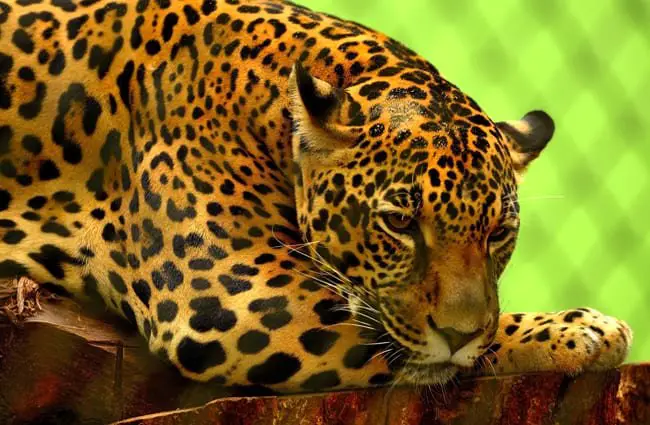
The jaguar’s historical range stretched from the southwestern United States down through Central and South America to northern Argentina. Today, its distribution is more fragmented, though significant populations still thrive in the Amazon basin, the Pantanal wetlands, and various tropical and subtropical forests. These felines are incredibly adaptable, inhabiting a diverse array of environments:
- Tropical Rainforests: Dense vegetation provides excellent cover for hunting.
- Swamps and Wetlands: Jaguars are exceptional swimmers, making areas like the Pantanal ideal hunting grounds.
- Dry Deciduous Forests: While less common, they can adapt to drier conditions.
- Grasslands and Shrublands: Often found near water sources within these open areas.
For an animal lover hoping to glimpse a jaguar in the wild, the Pantanal in Brazil and the Cockscomb Basin Wildlife Sanctuary in Belize are renowned hotspots. Patience, a skilled guide, and an understanding of their nocturnal and crepuscular habits are essential. Look for signs like paw prints near water, scratch marks on trees, or the distinctive territorial roars at dawn or dusk.
The Jaguar’s Menu: A Hunter’s Diet
As an obligate carnivore, the jaguar’s diet is exclusively meat. Its powerful bite force, the strongest among all felids relative to its size, allows it to dispatch a wide variety of prey. Unlike other big cats that typically go for the throat, jaguars often deliver a crushing bite to the skull, piercing the brain of their victims. Their diet is incredibly diverse, reflecting their opportunistic hunting style:
- Large Mammals: Capybaras, peccaries, deer, tapirs, and even caimans.
- Smaller Prey: Armadillos, birds, monkeys, fish, and rodents.
- Reptiles: Turtles are a particular favorite, with the jaguar’s powerful jaws easily cracking their shells.
This broad diet highlights the jaguar’s adaptability and its crucial role in regulating prey populations, preventing any single species from overpopulating and damaging the ecosystem.
Physical Marvels: Spots, Size, and Strength
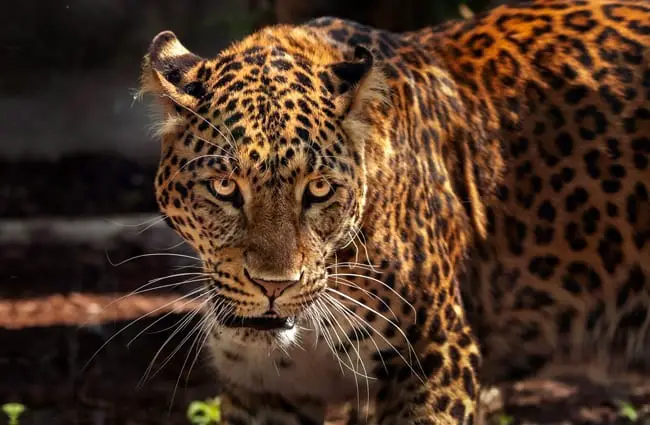
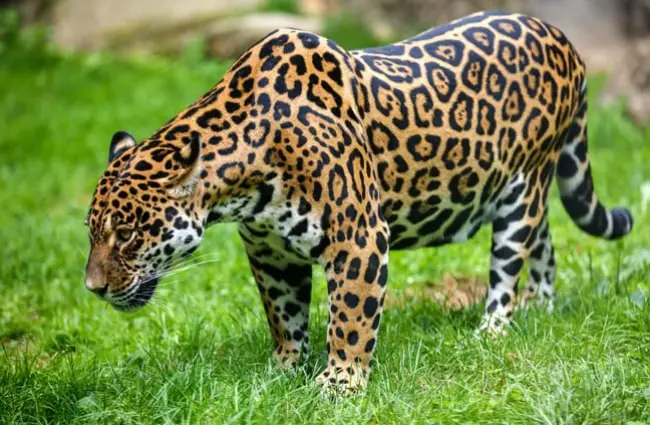
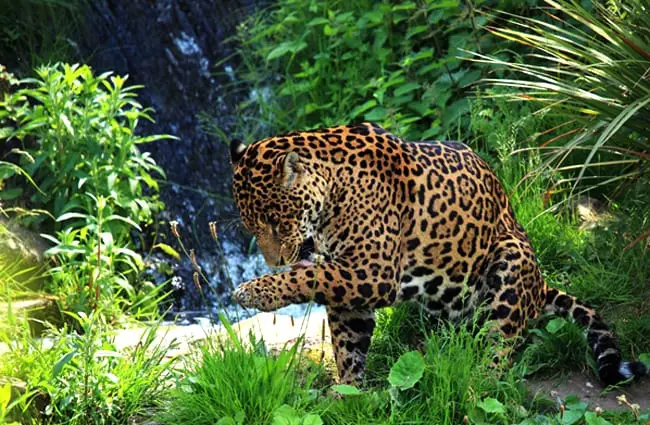
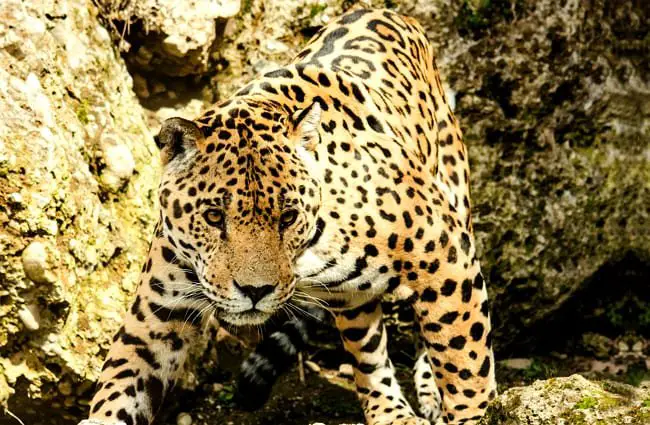
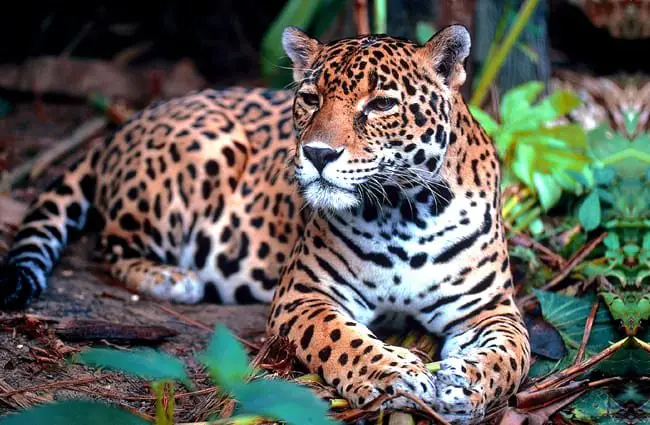
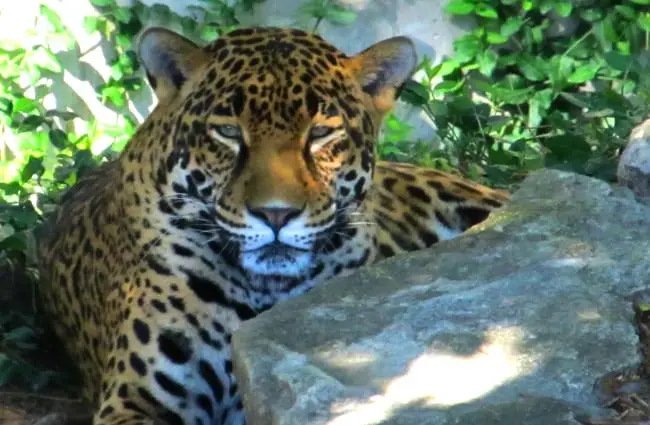
The jaguar’s appearance is iconic. Its coat is typically tawny yellow to reddish-brown, adorned with distinctive rosettes. These rosettes are unique, resembling roses, with one or more spots inside a ring of black. This intricate pattern provides excellent camouflage in the dappled light of the forest understory. Melanistic jaguars, often called “black panthers,” are also common. These individuals possess an excess of dark pigment, making their coats appear entirely black, though their rosettes are still faintly visible under certain lighting conditions.
Adult jaguars typically weigh between 100 to 250 pounds (45 to 113 kg) and measure 5 to 6 feet (1.5 to 1.8 meters) from nose to tail base, with the tail adding another 2 to 3 feet (0.6 to 0.9 meters). Males are generally larger than females. Their muscular build and short, powerful limbs are perfectly suited for climbing, swimming, and delivering devastating ambushes.
Delving Deeper: The Jaguar’s Life and Legacy
An Ancient Lineage: The Jaguar’s Evolutionary History
The evolutionary journey of the jaguar is a fascinating tale of adaptation and survival. Belonging to the genus Panthera, its ancestors are believed to have originated in Asia. Around 2 to 3 million years ago, during the Pliocene epoch, these ancient felids migrated across the Bering land bridge into North America. From there, they spread south, eventually colonizing Central and South America. The jaguar we know today is thought to have evolved from a common ancestor with the lion, tiger, and leopard, diverging into its distinct form as it adapted to the unique environments of the Americas. Fossil records indicate that larger, more robust jaguar species once roamed North America, suggesting a rich and diverse past for this formidable predator.
Life’s Cycle: Mating and Reproduction
Jaguars are solitary animals, coming together primarily for mating. While breeding can occur year-round, there are often peaks during periods of abundant prey. The courtship ritual involves vocalizations and scent marking. After a gestation period of approximately 93 to 105 days, a female jaguar gives birth to a litter of one to four cubs, typically two. The birthing den is often a secluded spot, such as a cave, a dense thicket, or a hollow log.
- Cub Development:
- Cubs are born blind and helpless, weighing around 1.5 to 2 pounds (0.7 to 0.9 kg).
- Their eyes open after about two weeks.
- They are entirely dependent on their mother’s milk for the first few months.
- At around six months, they begin to accompany their mother on hunts, learning essential survival skills.
- Parental Care: The mother is solely responsible for raising the cubs, teaching them to hunt, track, and navigate their territory. This intensive period of learning lasts for about one to two years, after which the young jaguars disperse to establish their own territories. Sexual maturity is reached around two to three years of age.
The Keystone Predator: Jaguar’s Role in the Ecosystem
The jaguar is a classic example of a “keystone species.” This means its presence has a disproportionately large effect on its natural environment relative to its abundance. By preying on a wide range of animals, jaguars help to maintain the health and balance of their ecosystems:
- Regulating Prey Populations: They prevent overgrazing by herbivores, which in turn protects plant diversity.
- Controlling Disease: By culling weaker or diseased individuals, they help maintain the overall health of prey populations.
- Shaping Behavior: The mere presence of a jaguar can influence the movement and behavior of other animals, creating a dynamic ecological landscape.
Their interactions with other animals are primarily predatory. However, they also compete with other large predators, such as pumas, for resources. In areas where both exist, jaguars typically dominate due to their larger size and more powerful bite. The health of jaguar populations is a direct reflection of the health of the entire ecosystem they inhabit.
Jaguars and Humanity: A Complex Relationship
Cultural Significance: The Jaguar in Human Lore
For millennia, the jaguar has held a profound place in the cultures of indigenous peoples throughout the Americas. Revered for its strength, stealth, and nocturnal habits, it was often seen as a symbol of power, royalty, and the underworld. Ancient civilizations like the Maya and Aztec depicted jaguars prominently in their art, mythology, and religious practices. Jaguar warriors were elite fighters, embodying the animal’s ferocity and cunning. Shamans often sought to connect with the jaguar spirit for wisdom and strength. Even today, the jaguar remains a potent symbol of wilderness and untamed nature in many communities.
Coexisting with Giants: Human Interaction and Safety
Encounters between humans and jaguars in the wild are rare, as these cats are naturally elusive and avoid human contact. However, as human encroachment into their habitats increases, interactions can occur. For hikers or anyone venturing into jaguar territory, understanding appropriate responses is crucial:
- Stay Calm: Do not run. Running can trigger a chase response.
- Make Yourself Large: Raise your arms, open your jacket, and make noise.
- Maintain Eye Contact: Do not turn your back.
- Back Away Slowly: Give the jaguar space to retreat.
- Report Sightings: Inform local authorities or park rangers to help monitor wildlife activity.
Attacks on humans are exceedingly rare, typically occurring only when a jaguar feels cornered, is protecting cubs, or is severely injured and desperate. Respecting their space and understanding their behavior are key to peaceful coexistence.
Caring for the King: Jaguars in Captivity
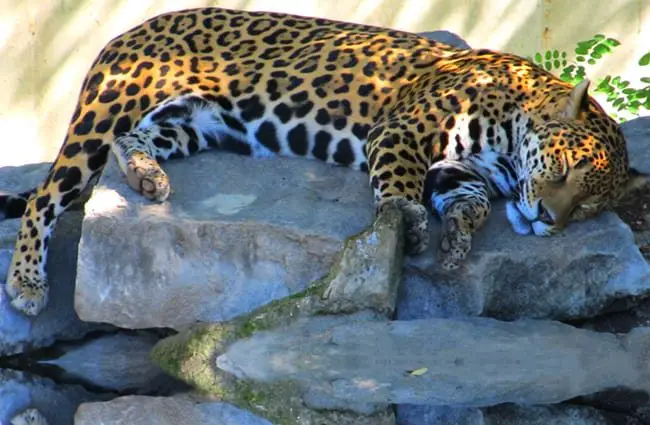
For zookeepers, caring for a jaguar is a demanding yet rewarding endeavor that requires deep knowledge of their natural history and behavior. The goal is to provide an environment that mimics their wild habitat as closely as possible, promoting both physical and psychological well-being.
Zookeeper Tasks and Best Practices:
- Habitat Enrichment: Provide a dynamic environment with climbing structures, water features for swimming, varied substrates, and hiding spots. Regular rotation of enrichment items like scent trails, puzzle feeders, and novel objects stimulates their natural hunting instincts and prevents boredom.
- Dietary Management: Offer a balanced diet of commercially prepared carnivore diets supplemented with whole prey items (e.g., rabbits, chickens) to ensure nutritional completeness and encourage natural feeding behaviors. Monitor weight and body condition closely.
- Veterinary Care: Implement a robust preventative healthcare program, including regular check-ups, vaccinations, and parasite control. Be vigilant for signs of illness or injury.
- Behavioral Observation: Daily observation is critical to understanding individual jaguar personalities, detecting subtle changes in health or mood, and ensuring social compatibility if housed with a mate.
- Safety Protocols: Strict safety protocols for staff are paramount, given the jaguar’s strength and predatory nature. Secure enclosures and clear communication during animal transfers are essential.
What to Avoid in Captive Care:
- Lack of Enrichment: A barren enclosure leads to boredom, stress, and potentially stereotypic behaviors.
- Inadequate Space: Jaguars require ample space to roam, climb, and swim. Confined spaces can cause stress and aggression.
- Inconsistent Routine: While enrichment should be varied, a predictable feeding and cleaning schedule can reduce anxiety.
- Over-Handling: Jaguars are wild animals. Minimize direct contact and prioritize positive reinforcement training for cooperative veterinary procedures, rather than forced interactions.
- Poor Diet: An unbalanced diet can lead to a host of health issues, from obesity to nutritional deficiencies.
Fascinating Facts About the Jaguar
The jaguar is a creature of endless intrigue. Here is a compilation of some truly remarkable facts:
- Name Origin: The word “jaguar” comes from the Tupi-Guarani word “yaguara,” meaning “he who kills with one leap.”
- Powerful Bite: Jaguars possess the strongest bite force of any big cat relative to their size, capable of piercing bone and even turtle shells.
- Water Lovers: Unlike most domestic cats, jaguars love water and are excellent swimmers, often hunting fish, caimans, and anacondas in rivers.
- Solitary Hunters: They are largely solitary, marking vast territories with scent and vocalizations.
- Nocturnal and Crepuscular: While active at any time, they are most active during dawn, dusk, and night.
- Unique Rosettes: Each jaguar’s rosette pattern is unique, much like human fingerprints.
- Melanistic Jaguars: “Black panthers” are not a separate species but a melanistic color variant of the jaguar (or leopard), where the dark pigment obscures the rosettes.
- Vocalizations: Jaguars communicate through a variety of sounds, including roars, grunts, and “huffs.”
- Lifespan: In the wild, jaguars typically live for 12 to 15 years, while in captivity, they can live up to 20 years.
- Climbing Prowess: Despite their robust build, jaguars are agile climbers, often resting in trees.
Conclusion: Guardians of the Wild
The jaguar is more than just a magnificent predator; it is a symbol of the wild heart of the Americas. Its survival is intrinsically linked to the health of the vast, biodiverse ecosystems it inhabits. From its ancient evolutionary roots to its critical role as a keystone species, every aspect of the jaguar’s existence speaks to its importance. As human populations expand, the challenges facing jaguars, primarily habitat loss and fragmentation, become ever more pressing. Protecting these enigmatic cats requires a concerted effort to conserve their habitats, mitigate human-wildlife conflict, and raise awareness about their ecological value. By understanding and appreciating the jaguar, we not only safeguard a species but also commit to preserving the intricate web of life that sustains us all.
![Closeup of a beautiful Red Angus cowPhoto by: U.S. Department of Agriculture [pubic domain]https://creativecommons.org/licenses/by/2.0/](https://animals.net/wp-content/uploads/2020/03/Red-Angus-4-238x178.jpg "Red Angus")

![Closeup of a beautiful Red Angus cowPhoto by: U.S. Department of Agriculture [pubic domain]https://creativecommons.org/licenses/by/2.0/](https://animals.net/wp-content/uploads/2020/03/Red-Angus-4-100x75.jpg "Red Angus")