Unveiling the Jackal: A Comprehensive Guide
Often misunderstood and frequently portrayed as cunning scavengers, jackals are fascinating creatures with a complex history, vital ecological roles, and surprising adaptability. This guide delves into the world of these often-overlooked canids, exploring their biology, behavior, and interactions with both the natural world and humans.

What is a Jackal? Distinguishing Features and Species
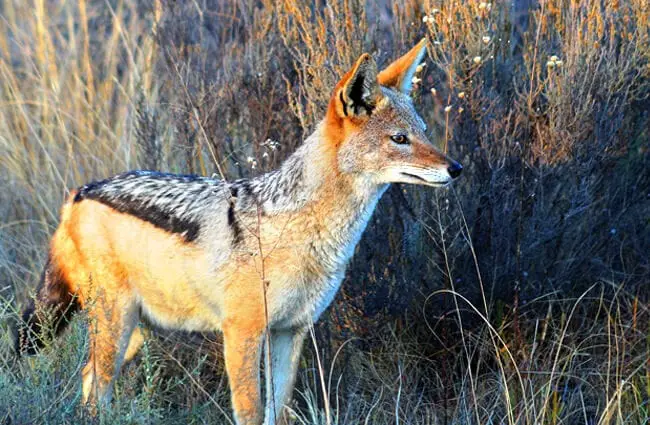
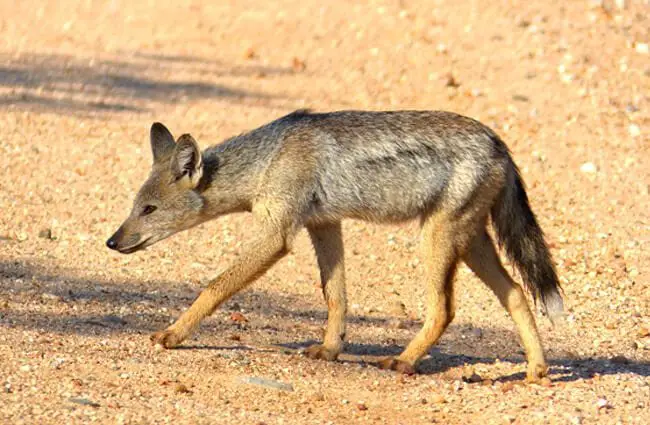
The term “jackal” does not refer to a single species but to several members of the Canidae family. Historically, it encompassed any medium-sized canid with a slender build and long legs. Today, the recognized jackal species are the Side‑Striped Jackal, the Black‑Backed Jackal, and the Golden Jackal. The Ethiopian Wolf is a distinct canid and is not classified as a jackal.
Jackals generally stand about 36 to 50 centimeters at the shoulder and weigh between 7 and 15 kilograms. They have a slender build, long legs for efficient running, and relatively large ears that aid in detecting prey. Coat color varies by species, ranging from golden hues and black saddles to grizzled grey.
Jackal Habitats: Where Do They Roam?
Jackals exhibit remarkable adaptability when it comes to habitat. Their distribution is widespread across Africa, with the Golden Jackal also found in parts of Eurasia.
- Side‑Striped Jackal: Primarily found in savannas, grasslands, and woodlands of central and southern Africa.
- Black‑Backed Jackal: Inhabits open savannas, grasslands, and semi‑deserts of eastern and southern Africa.
- Golden Jackal: Found in a wide range of habitats, including forests, grasslands, and agricultural areas, across North Africa, the Balkans, the Middle East, and parts of Asia.
They thrive in diverse environments, from arid scrublands to more forested areas, demonstrating a capacity to exploit various food sources within their range. Jackals also adapt to landscapes altered by human activity, such as farms and the edges of urban centers.
Evolutionary History: Tracing the Jackal Lineage
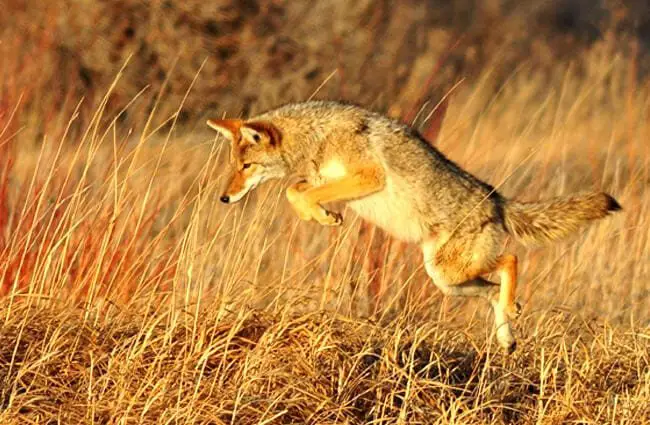
The evolutionary history of jackals is intricate, involving complex relationships with other canids such as wolves, coyotes, and dogs. Genetic studies suggest that the Golden Jackal is more closely related to the gray wolf and coyote than previously thought, and may have played a role in the early domestication of dogs.
Ancestral jackals likely emerged in Africa during the Pleistocene epoch and gradually diversified into the distinct species we recognize today. Fossil evidence continues to be uncovered, allowing scientists to refine our understanding of their evolutionary journey and how they adapted to changing environments. Their evolutionary flexibility has enabled them to survive in some of the harshest landscapes.
Diet and Hunting Strategies: What Do Jackals Eat?
Jackals are opportunistic omnivores, consuming a wide variety of food items. While often depicted as scavengers, they are skilled hunters in their own right.
- Primary Prey: Small mammals such as rodents, hares, and gazelle calves.
- Secondary Food Sources: Birds, reptiles, insects, fruits, and carrion.
They often hunt in pairs or small family groups, increasing their success rate. Their hunting strategy involves stalking prey and then pursuing it with bursts of speed. Scavenging plays a significant role, especially when live prey is scarce. They also cache food, burying it for later consumption.
Mating and Reproduction: Raising a Jackal Family
Jackals are generally monogamous, forming long‑term pair bonds that can last several years. Mating typically occurs during periods of increased food availability.
- Gestation Period: Approximately sixty to seventy days.
- Litter Size: Typically one to six pups.
- Pup Development: Pups are born blind and helpless, relying entirely on their parents for care.
Both parents participate in raising the pups, providing food, protection, and teaching essential hunting skills. The pups remain dependent on their parents for several months before dispersing to establish their own territories.
Ecological Role and Interanimal Interactions
Jackals play an important role in maintaining the health of their ecosystems.
- Predator: They help control populations of small mammals and other prey animals.
- Scavenger: They remove carrion, preventing the spread of disease.
- Seed Disperser: By consuming fruits, they help disperse seeds, contributing to plant diversity.
Jackals interact with other predators such as lions and hyenas, sometimes scavenging from their kills. They also compete with other carnivores for resources. In certain situations, they may be preyed upon by larger predators, but their size and agility reduce this risk.
Jackals and Humans: A Complex Relationship
The relationship between jackals and humans is often complicated.
- Conflict: Jackals can prey on livestock, leading to conflict with farmers.
- Cultural Significance: In some cultures, jackals are revered as symbols of intelligence and cunning, appearing in folklore and mythology.
- Conservation Concerns: Habitat loss and human persecution pose threats to jackal populations in some areas.
Efforts to mitigate conflict and promote coexistence are essential for ensuring the long‑term survival of these fascinating creatures. Sustainable land management practices and community‑based conservation initiatives can play a vital role.
Finding Jackals in the Wild: A Guide for Wildlife Enthusiasts
Observing jackals in their natural habitat is a rewarding experience. Here are some tips for increasing your chances of a sighting:
- Location: Focus on savannas, grasslands, and woodlands in Africa and Eurasia.
- Timing: Dawn and dusk are the best times to spot jackals, as they are most active during these hours.
- Look for: Tracks, scat, and listen for their distinctive vocalizations, including yips, howls, and barks.
- Respect: Maintain a safe distance and avoid disturbing their natural behavior.
Jackal Care in Captivity: Considerations for Zookeepers
Caring for jackals in captivity requires careful attention to their specific needs.
- Enclosure: Provide a spacious enclosure with varied terrain, including digging areas and shelter from the elements.
- Diet: Offer a balanced diet consisting of meat, bones, fruits, and vegetables.
- Enrichment: Provide enrichment activities to stimulate their natural behaviors, such as puzzle feeders, scent‑marking opportunities, and digging materials.
- Socialization: Jackals are social animals and benefit from being housed in pairs or small groups.
Regular veterinary care and monitoring are essential to ensure their health and well‑being.

Interesting Jackal Facts
- Jackals are known for their distinctive vocalizations, which they use to communicate with each other.
- They have excellent hearing and can detect prey from a considerable distance.
- Jackals can run at speeds of up to forty kilometers per hour.
- They are highly intelligent and adaptable animals.
- Jackals play a vital role in maintaining the health of their ecosystems.

Jackals are remarkable creatures deserving of our admiration and respect. By understanding their biology, behavior, and ecological role, we can contribute to their conservation and ensure that these captivating canids continue to thrive in the wild.
![Closeup of a beautiful Red Angus cowPhoto by: U.S. Department of Agriculture [pubic domain]https://creativecommons.org/licenses/by/2.0/](https://animals.net/wp-content/uploads/2020/03/Red-Angus-4-238x178.jpg "Red Angus")



![Closeup of a beautiful Red Angus cowPhoto by: U.S. Department of Agriculture [pubic domain]https://creativecommons.org/licenses/by/2.0/](https://animals.net/wp-content/uploads/2020/03/Red-Angus-4-100x75.jpg "Red Angus")