The Jack Dempsey: A Freshwater Pugilist with a Heart of Gold (and Scales of Blue)
Deep within the freshwater realms of Central America swims a fish whose very name evokes images of raw power and unyielding determination: the Jack Dempsey cichlid. Named after the legendary heavyweight boxer, this striking aquatic inhabitant lives up to its namesake with a robust build, a feisty temperament, and a mesmerizing display of iridescent scales. Far from being just another pretty face in the aquarium trade, the Jack Dempsey offers a fascinating glimpse into the intricate lives of freshwater ecosystems, showcasing complex behaviors, dedicated parental care, and a remarkable adaptability that has captivated scientists and hobbyists alike.
Join us as we dive into the world of this magnificent fish, exploring its natural habitat, its evolutionary journey, its role in the wild, and its significant interactions with humans, from the aspiring zoologist to the dedicated zookeeper.
Meet the Jack Dempsey: Basic Facts and Identification
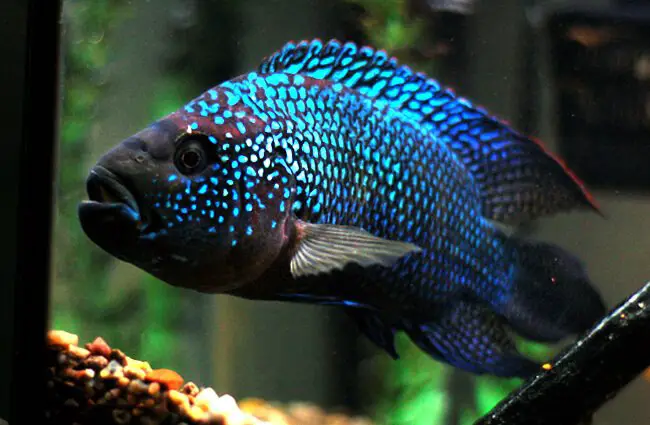
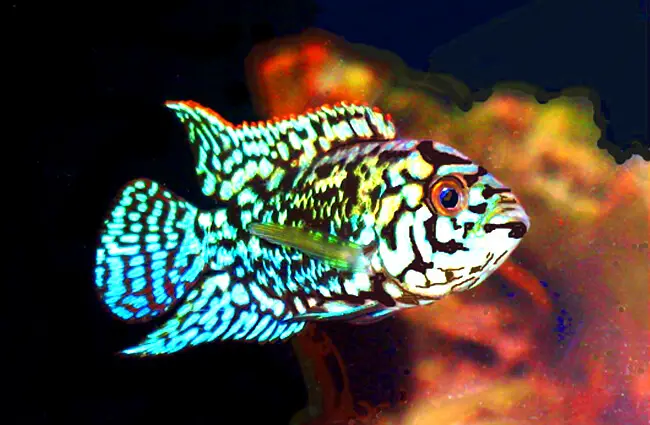
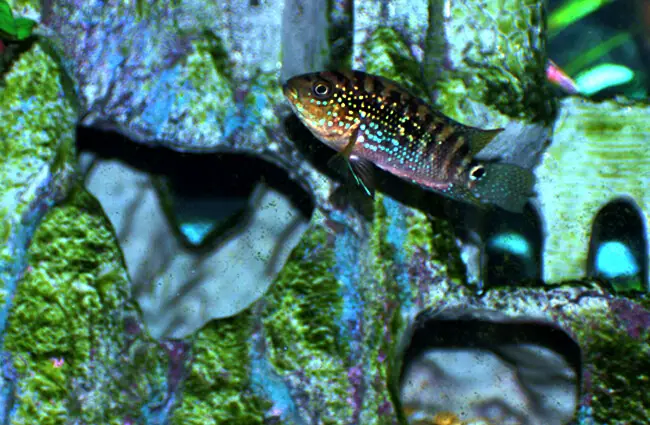
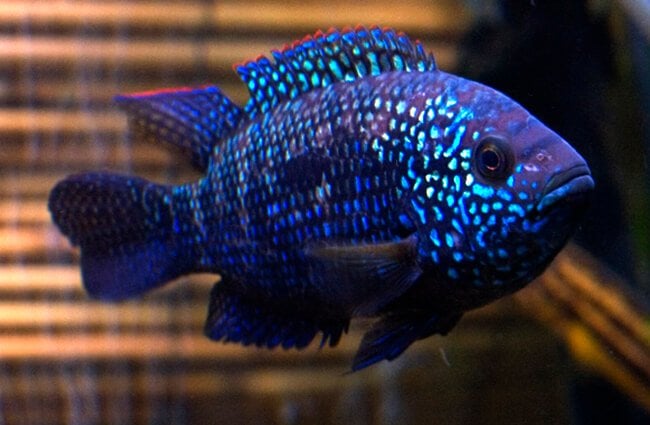
Scientifically known as Rocio octofasciata, the Jack Dempsey is a species of cichlid native to the warm waters of Central America. Its common name, “Jack Dempsey,” was bestowed upon it due to its strong, somewhat aggressive demeanor and powerful appearance, reminiscent of the famous boxer. These fish are characterized by their dark, mottled bodies adorned with brilliant blue, green, and gold iridescent spots that shimmer under the light, especially when the fish is excited or displaying. Younger specimens often exhibit a lighter, more subdued coloration, which intensifies as they mature.
- Scientific Name: Rocio octofasciata
- Family: Cichlidae
- Origin: Central America (Mexico, Guatemala, Honduras)
- Typical Size: Up to 8-10 inches (20-25 cm) in captivity, potentially larger in the wild.
- Lifespan: 8-10 years with proper care, sometimes longer.
- Temperament: Moderately aggressive, territorial, especially during breeding.
Jack Dempsey’s Habitat: Where the Wild Things Swim
The natural range of the Jack Dempsey cichlid spans across the freshwater systems of southern Mexico, Guatemala, and Honduras. These resilient fish thrive in a variety of environments, typically preferring slow-moving or stagnant waters. Their ideal habitats include:
- Rivers and Streams: Often found in the lower reaches where currents are gentler.
- Lakes and Ponds: Abundant in the calmer, vegetated areas.
- Swamps and Canals: Muddy bottoms and dense plant cover provide excellent refuge.
They are particularly fond of environments with plenty of hiding spots. This includes submerged roots, fallen branches, rocky crevices, and dense aquatic vegetation. The substrate in these areas is typically soft, consisting of mud, sand, or fine gravel, which they often sift through in search of food. Water parameters in their native habitat are generally warm, with a pH that can range from slightly acidic to slightly alkaline.
The Jack Dempsey’s Diet: An Opportunistic Omnivore
In the wild, Rocio octofasciata is an opportunistic omnivore, adapting its diet to whatever food sources are available in its environment. Their diet is diverse and contributes to their robust health and growth. This includes:
- Insects and Larvae: A primary food source, especially aquatic insect larvae.
- Small Fish: They are predators and will readily consume smaller fish.
- Crustaceans: Small shrimp and other invertebrates.
- Worms: Various types of aquatic worms.
- Plant Matter: Algae and other plant detritus, though a smaller portion of their diet.
Their feeding strategy involves sifting through substrate, ambushing prey from cover, and actively hunting in open water. This varied diet ensures they receive a wide range of nutrients essential for their vibrant coloration and energetic lifestyle.
Mating and Reproduction: Dedicated Parents of the Aquatic World
The Jack Dempsey exhibits fascinating and complex reproductive behaviors, characterized by strong pair bonds and diligent parental care. Breeding typically occurs in warmer months or when environmental conditions are optimal.
- Courtship: Males become intensely colored and perform elaborate displays to attract females. They may flare their fins, shimmer their scales, and engage in “mouth-locking” or “gill-flaring” rituals to establish dominance and impress a mate.
- Nest Preparation: Once a pair forms, they will select a flat surface, such as a large rock, a piece of driftwood, or even a depression dug into the substrate. Both parents meticulously clean this chosen site, preparing it for egg deposition.
- Spawning: The female lays hundreds of small, adhesive eggs on the cleaned surface, often in multiple passes. The male follows closely behind, fertilizing them. A single spawn can consist of anywhere from 500 to 800 eggs, sometimes more.
- Parental Care: This is where Jack Dempseys truly shine. Both parents guard the eggs fiercely, fanning them with their fins to ensure oxygenation and remove debris. They will aggressively defend their territory against any perceived threat, regardless of size.
- Hatching and Fry Care: The eggs typically hatch within 3-5 days, depending on water temperature. The newly hatched fry, known as “wigglers,” are initially immobile. The parents often move them to pre-dug pits in the substrate, continuing their vigilant watch. Once the fry become free-swimming (usually within another 5-7 days), the parents continue to protect them, guiding them to food sources and herding them away from danger for several weeks. This extended parental care significantly increases the survival rate of their offspring.
Evolutionary History: A Branch of the Cichlid Tree
The Jack Dempsey cichlid belongs to the incredibly diverse Cichlidae family, one of the largest families of vertebrates, boasting over 1,700 described species. Cichlids are renowned for their rapid speciation and adaptive radiation, particularly in the Great Lakes of Africa. While the Jack Dempsey hails from Central America, its evolutionary story is intertwined with the broader cichlid lineage.
Cichlids are believed to have originated in Gondwana, the ancient supercontinent, with their ancestors dispersing across continents as landmasses shifted. The Central American cichlids, including Rocio octofasciata, represent a distinct evolutionary branch that adapted to the unique freshwater conditions of the region. Their success can be attributed to several key evolutionary traits:
- Pharyngeal Jaws: A second set of jaws in the throat allows for specialized food processing, freeing up the oral jaws for other functions like defense or nest building. This innovation contributed significantly to their dietary flexibility.
- Complex Social Behaviors: Highly developed parental care, territoriality, and intricate breeding rituals are hallmarks of cichlid evolution, enhancing offspring survival and species propagation.
- Adaptability: Their ability to thrive in varying water conditions and utilize diverse food sources has allowed them to colonize a wide range of freshwater habitats.
The Jack Dempsey’s specific coloration and temperament are adaptations that likely aid in species recognition, territorial defense, and mate attraction within its particular ecological niche.
Contribution to Ecosystem and Interaction with Other Animals
In its native Central American ecosystems, the Jack Dempsey plays a crucial role as both a predator and a component of the food web. As a medium-sized, moderately aggressive cichlid, its interactions are significant:
- Predator: They help control populations of smaller fish, insects, and crustaceans, contributing to the overall balance of their aquatic environment. Their presence can influence the behavior and distribution of their prey species.
- Prey: Despite their feisty nature, juvenile and even adult Jack Dempseys can fall prey to larger predatory fish, birds (like kingfishers and herons), and aquatic reptiles (such as snakes and turtles). This predation helps regulate their own population numbers.
- Habitat Modification: Their habit of digging and sifting through substrate can contribute to the aeration of the bottom layers and the redistribution of nutrients, impacting benthic communities.
- Competition: They compete with other fish species for food and prime breeding territories, influencing the community structure of their habitat.
Their territoriality and parental care also mean they create localized “safe zones” for their fry, which can indirectly affect other small organisms that might seek refuge near the protective parents.
Jack Dempsey’s Contribution to Human Culture and Interaction
The Jack Dempsey’s primary contribution to human culture lies within the realm of the aquarium hobby. Its striking appearance, manageable size (for a cichlid), and engaging personality have made it a staple in the freshwater fishkeeping community for decades. Its very name, linking it to a human icon, speaks to its perceived strength and character.
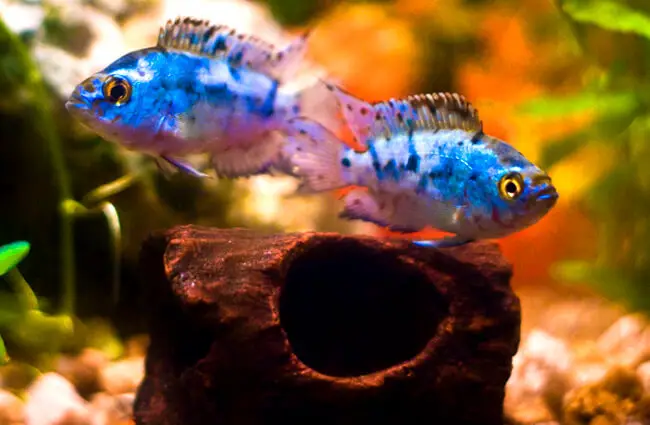
- Aquarium Trade: It is one of the most popular cichlids, widely bred and sold globally. This has led to the development of captive-bred varieties, including the stunning “Electric Blue Jack Dempsey,” which boasts an even more vibrant blue coloration.
- Educational Value: For hobbyists and students, observing Jack Dempseys in captivity provides a direct window into complex fish behaviors, including territoriality, courtship, and advanced parental care.
- Conservation Awareness: While not endangered, its popularity can indirectly raise awareness about the importance of preserving freshwater habitats in Central America.
Interaction with Humans in the Wild: For an animal lover aiming to find a Jack Dempsey in the wild, or a hiker who encounters one, the interaction is primarily observational. These fish are shy of direct human presence and will quickly retreat to cover if disturbed. If you are fortunate enough to spot one in its natural habitat:
- Observe from a Distance: Maintain a respectful distance to avoid startling the fish.
- Do Not Disturb: Refrain from attempting to catch, touch, or feed wild fish. This can disrupt their natural behaviors and introduce foreign substances into their environment.
- Appreciate the Beauty: Take a moment to observe its natural behaviors, coloration, and interaction with its environment.
For the Aspiring Zoologist: Deeper Dive into Rocio octofasciata
For those considering a career in zoology, the Jack Dempsey offers a fantastic case study in ethology (animal behavior) and ecology. Research opportunities abound:
- Behavioral Studies: Investigate the nuances of their territorial displays, communication signals, and the division of labor during parental care. How do environmental factors influence aggression levels?
- Ecological Niche: Study their precise role in the food web, their impact on benthic communities, and their interactions with co-occurring species. Are they indicator species for water quality?
- Genetic Diversity: Compare genetic variations between wild populations and captive-bred lines, especially the “Electric Blue” morph, to understand selective breeding impacts.
- Reproductive Strategies: Analyze the success rates of different parental care strategies under varying conditions.
Understanding these aspects contributes to broader knowledge of cichlid biology and freshwater ecosystem dynamics.
A Zookeeper’s Guide to Jack Dempsey Care in Captivity
Caring for Jack Dempseys in a captive environment, whether in a public aquarium or a dedicated research facility, requires attention to detail to mimic their natural conditions and manage their robust personalities.
Essential Tasks for Zookeepers:
- Tank Size and Setup:
- Minimum Size: A single adult Jack Dempsey requires at least a 55-gallon (208-liter) tank. For a breeding pair or a community tank with other large cichlids, 75-125 gallons (284-473 liters) or more is recommended.
- Substrate: Use sand or fine gravel, as they enjoy digging.
- Decor: Provide ample hiding spots with sturdy rocks, caves, and driftwood. Ensure all decorations are stable and cannot be toppled by digging fish. Live plants can be used but must be robust and well-rooted, or they will be uprooted.
- Water Parameters:
- Temperature: Maintain a stable temperature between 72-82°F (22-28°C).
- pH: Aim for a pH of 6.5-7.5, though they are quite adaptable.
- Hardness: Moderate hardness (5-12 dGH).
- Filtration: Excellent filtration is crucial. Use powerful external canister filters or sumps to handle their bioload and keep water pristine. Regular water changes (25-50% weekly) are essential.
- Diet:
- Offer a varied diet of high-quality cichlid pellets or flakes as a staple.
- Supplement with frozen or live foods such as bloodworms, brine shrimp, Mysis shrimp, and earthworms.
- Occasional small feeder fish can be given, but be mindful of disease transmission.
- Vegetable matter, like blanched spinach or spirulina flakes, can also be included.
- Social Environment:
- Jack Dempseys can be kept singly, in a proven breeding pair, or in a very large community tank with other robust, similarly sized cichlids (e.g., Convict Cichlids, Green Terrors, Oscar fish).
- Provide plenty of space and visual barriers to reduce aggression, especially if housing multiple individuals.
- Enrichment:
- Rearrange decor periodically to stimulate exploration.
- Offer novel food items.
- Provide opportunities for digging.
What to Avoid:
- Small Tank Mates: Do not house Jack Dempseys with small, docile fish that can be easily intimidated or eaten.
- Overcrowding: This will lead to increased aggression, stress, and poor water quality.
- Poor Water Quality: Neglecting water changes and filtration will lead to disease and shortened lifespans.
- Inadequate Diet: A monotonous diet can lead to nutritional deficiencies and dull coloration.
- Unstable Decor: Ensure all rocks and structures are secure to prevent collapse during digging activities.
A Huge List of Interesting Facts About Jack Dempsey
- The “Electric Blue Jack Dempsey” is a naturally occurring genetic mutation that has been selectively bred for its intense blue coloration.
- They are known to “play dead” when stressed or threatened, lying motionless on their side, only to dart away when the perceived danger passes.
- Jack Dempseys can change their coloration intensity based on their mood, health, and environmental conditions. Darker colors often indicate stress or aggression, while vibrant colors are seen during breeding or good health.
- Their scientific name, Rocio octofasciata, means “dew eight-banded,” referring to the shimmering spots and faint vertical bands sometimes visible on their bodies.
- They are highly intelligent fish and can recognize their keepers, often coming to the front of the tank when a familiar face approaches.
- Despite their aggressive reputation, they are often observed to be shy and reclusive when young.
- In the wild, they are often found in murky waters, where their mottled coloration provides excellent camouflage.
- They are known to be excellent parents, often defending their fry for several weeks, even moving them between different hiding spots.
- Their digging behavior is not just for nesting; they also dig to search for food items hidden in the substrate.
- The Jack Dempsey is a long-lived fish for its size, often exceeding a decade in well-maintained aquariums.
Conclusion: A Jewel of the Freshwater World
From the murky depths of Central American rivers to the vibrant displays of home aquariums, the Jack Dempsey cichlid stands as a testament to the beauty and complexity of freshwater life. Its striking appearance, intricate behaviors, and dedicated parental care make it a truly captivating subject for anyone interested in the natural world. Whether you are a student researching its ecological role, an animal lover hoping to glimpse one in the wild, an aspiring zoologist studying its evolution, or a zookeeper ensuring its well-being, the Jack Dempsey offers endless opportunities for discovery and appreciation. This freshwater pugilist, with its shimmering scales and spirited personality, continues to inspire awe and curiosity, reminding us of the rich biodiversity that thrives beneath the water’s surface.
![Closeup of a beautiful Red Angus cowPhoto by: U.S. Department of Agriculture [pubic domain]https://creativecommons.org/licenses/by/2.0/](https://animals.net/wp-content/uploads/2020/03/Red-Angus-4-238x178.jpg "Red Angus")

![Closeup of a beautiful Red Angus cowPhoto by: U.S. Department of Agriculture [pubic domain]https://creativecommons.org/licenses/by/2.0/](https://animals.net/wp-content/uploads/2020/03/Red-Angus-4-100x75.jpg "Red Angus")