A Legacy of the North: Introducing the Icelandic Sheepdog
The Icelandic Sheepdog, or Íslensk fjöruhundur as it is known in its native land, is a captivating breed steeped in history and perfectly adapted to the rugged landscapes of Iceland. More than just a working dog, this spirited breed embodies the resilience and independence of the Nordic island nation. This comprehensive guide explores everything from the Icelandic Sheepdog’s origins and characteristics to its needs and quirks, offering insights for potential owners and breed enthusiasts alike.
Origins and Historical Significance
The Icelandic Sheepdog arrived in Iceland with the Vikings around the 9th and 10th centuries, accompanying settlers from Norway. These dogs were essential for managing livestock, protecting property, and assisting in daily life. For centuries, the breed thrived in relative isolation, developing unique traits suited to the harsh Icelandic environment. In the 20th century, the breed faced near extinction due to diseases introduced by imported dogs and a decline in the need for working dogs on farms. Dedicated breeders stepped in, meticulously preserving the breed’s unique genetic makeup and ensuring its survival. Today, the Icelandic Sheepdog is a national treasure, recognized as Iceland’s only native dog breed.
Physical Characteristics
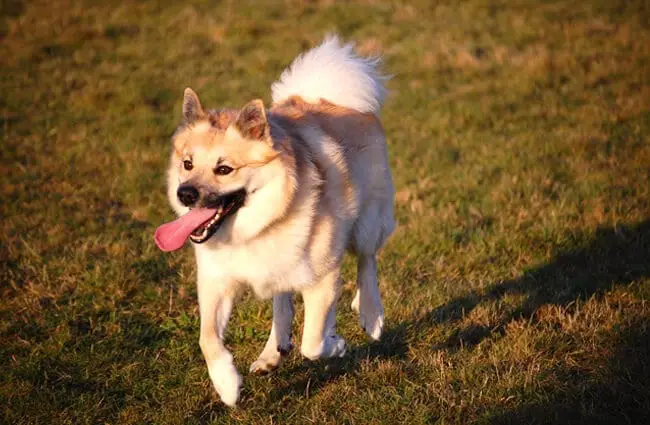
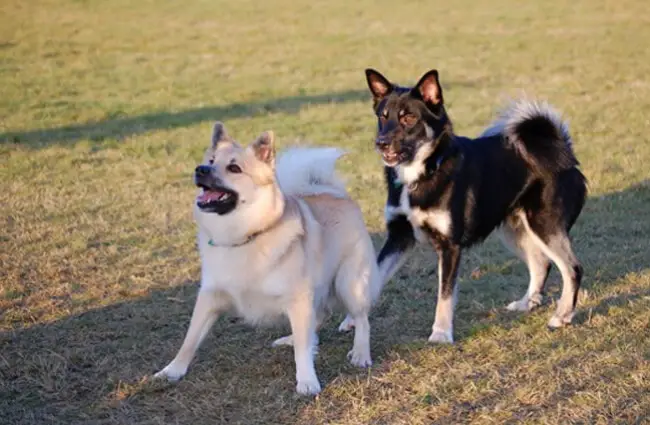
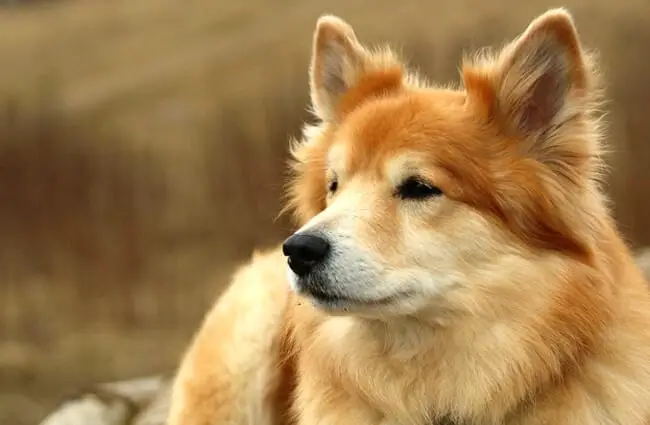
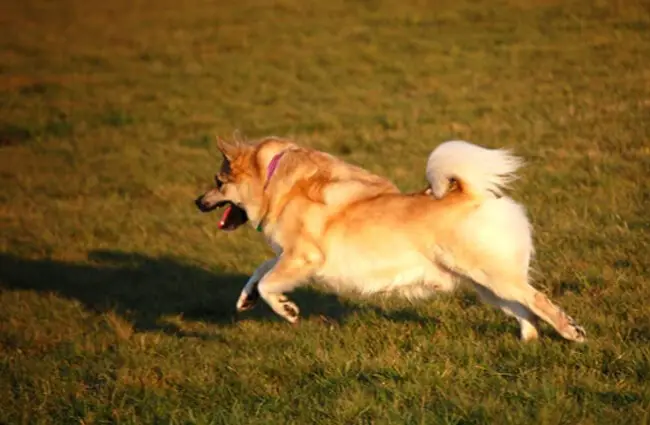
The Icelandic Sheepdog is a medium sized, athletic dog. Males typically stand between 18 and 20 inches tall and weigh between 26 and 33 pounds. Females are slightly smaller, measuring 16 to 18 inches and weighing between 21 and 28 pounds. Their double coat is designed to withstand harsh weather. The outer coat is long and water resistant, while the undercoat is soft and dense, providing excellent insulation. Colors include shades of black, brown, gray and tan, often with white markings. A distinctive feature is their curled tail, which is carried high and helps with balance in challenging terrain. The tail is not docked, preserving a key characteristic of the breed.
Temperament and Behavior
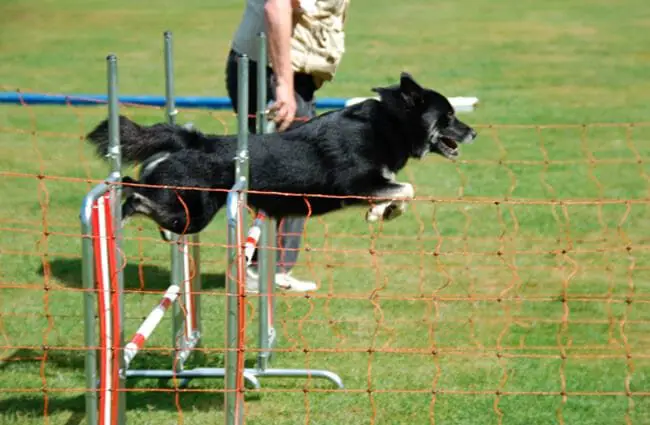
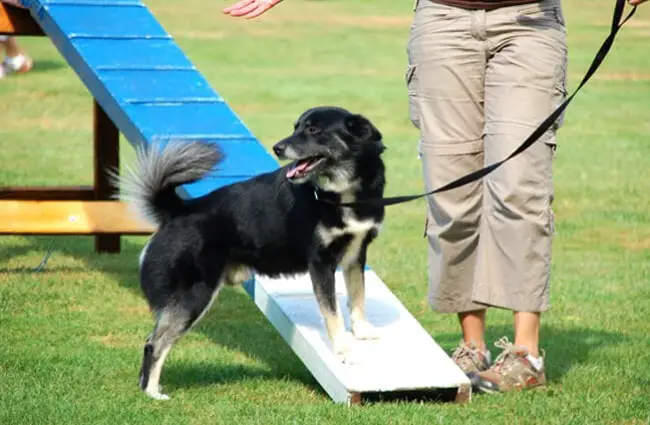
Icelandic Sheepdogs are known for their intelligence, energy, and independent spirit. They are highly trainable but require a consistent and positive approach. They can be wary of strangers and protective of their families, making early socialization crucial. These dogs are naturally vocal and will alert their owners to anything unusual. Their herding instincts are strong, so they may attempt to “herd” children or other pets. This is not aggression, but rather an expression of their innate drive. Icelandic Sheepdogs thrive on mental and physical stimulation. They excel in dog sports like agility, obedience, and herding. Without adequate exercise and mental challenges, they can become bored and destructive.
Care Requirements
Caring for an Icelandic Sheepdog involves a commitment to meeting its unique needs.
- Exercise: Daily exercise is essential. A minimum of one hour of vigorous activity, such as running, hiking, or playing fetch, is recommended.
- Grooming: The Icelandic Sheepdog’s double coat requires regular brushing, at least several times a week, to prevent matting and shedding. During shedding season, daily brushing may be necessary.
- Training: Early socialization and consistent training are crucial to ensure a well behaved and confident dog. Positive reinforcement methods work best.
- Diet: A high quality dog food formulated for active breeds is recommended. Adjust portion sizes based on the dog’s activity level and metabolism.
- Health: Icelandic Sheepdogs are generally healthy, but can be prone to certain genetic conditions, such as hip dysplasia and progressive retinal atrophy. Regular veterinary checkups and genetic testing can help identify and manage these conditions.
Suitability as a Pet
The Icelandic Sheepdog is best suited for active families who can provide plenty of exercise, mental stimulation, and training. They thrive in homes with a fenced yard where they can run and play. Due to their herding instincts and tendency to bark, they may not be the best choice for apartment living or homes with small children. A potential owner should be prepared to commit to consistent training and socialization throughout the dog’s life. They are loyal and affectionate companions, but require a confident and consistent owner who understands their unique needs.
Beyond the Basics: Nuances of the Breed
For those seriously considering the Icelandic Sheepdog, understanding the breed’s more subtle characteristics is crucial. Their intelligence isn’t simply “trainability,” but a complex problem solving ability. They will quickly figure out loopholes in training if not challenged consistently. This is not stubbornness, but rather an inquisitive nature. Furthermore, their vocalizations are not random barking. They have a range of yips, howls, and barks used for communication. Understanding these nuances can strengthen the bond between owner and dog.
The Icelandic Sheepdog in Modern Times
While historically a working farm dog, the Icelandic Sheepdog has adapted well to modern life. They are increasingly popular in dog sports, excelling in agility, obedience, and herding trials. Breed clubs and enthusiasts are dedicated to preserving the breed’s genetic diversity and promoting responsible breeding practices. The Icelandic Sheepdog remains a symbol of Iceland’s cultural heritage and a beloved companion to those who appreciate its unique qualities.
Final Thoughts
The Icelandic Sheepdog is a remarkable breed with a rich history and a vibrant future. Their intelligence, energy, and independent spirit make them a rewarding companion for the right owner. By understanding their needs and providing them with the care and attention they deserve, one can experience the joy of sharing life with this extraordinary dog. This breed isn’t just a pet, but a connection to a rugged land and a testament to the enduring spirit of the Icelandic people.
![Closeup of a beautiful Red Angus cowPhoto by: U.S. Department of Agriculture [pubic domain]https://creativecommons.org/licenses/by/2.0/](https://animals.net/wp-content/uploads/2020/03/Red-Angus-4-100x75.jpg "Red Angus")