Often misunderstood and frequently maligned, the hyena stands as one of Africa’s most fascinating and ecologically vital carnivores. Far from the cackling villains of popular culture, these intelligent, complex animals play a crucial role in their ecosystems, exhibiting behaviors and adaptations that challenge conventional perceptions. From their unique social structures to their incredible physical prowess, hyenas are master survivors, deserving of a closer look and a deeper appreciation.
Unmasking the Hyena: More Than Just a Scavenger
The term “hyena” often conjures images of a single species, but the family Hyaenidae actually comprises four distinct members, each with its own unique characteristics and ecological niche. These include the widely recognized Spotted Hyena, the elusive Brown Hyena, the solitary Striped Hyena, and the insectivorous Aardwolf.
Physical Characteristics and Species Diversity
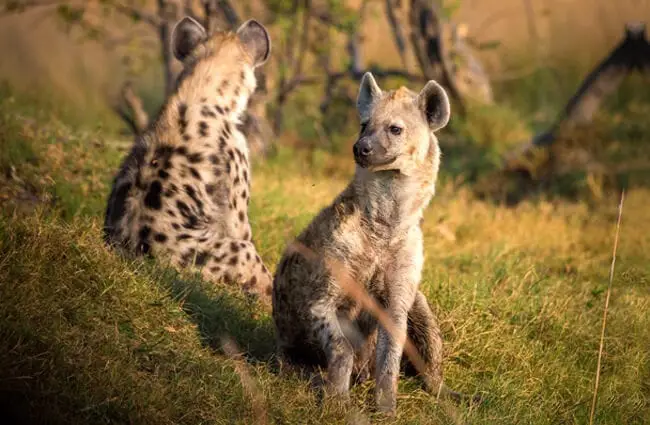
- Spotted Hyena (Crocuta crocuta): The largest and most vocal of the hyenas, known for its powerful build, distinctive spotted coat, and a shoulder height that can reach nearly a meter. Their powerful jaws and robust teeth are legendary.
- Brown Hyena (Parahyaena brunnea): Characterized by its shaggy, dark brown fur, pointed ears, and a mane around its neck. Brown hyenas are generally smaller than spotted hyenas and are primarily scavengers, often found in arid regions.
- Striped Hyena (Hyaena hyaena): Sporting a distinctive striped coat, a prominent mane, and a more slender build than its spotted cousin. This species is largely nocturnal and solitary, found across North Africa, the Middle East, and parts of Asia.
- Aardwolf (Proteles cristata): A remarkable departure from its carnivorous relatives, the aardwolf is a specialized insectivore, feeding almost exclusively on termites. It is smaller, with a striped coat and a long, sticky tongue adapted for its diet.
Despite their dog-like appearance, hyenas are more closely related to cats, civets, and mongooses, belonging to the suborder Feliformia. Their powerful forequarters, sloping back, and strong necks are adaptations for carrying heavy loads and tearing through tough carcasses.
The Infamous Laugh: Communication and Social Bonds
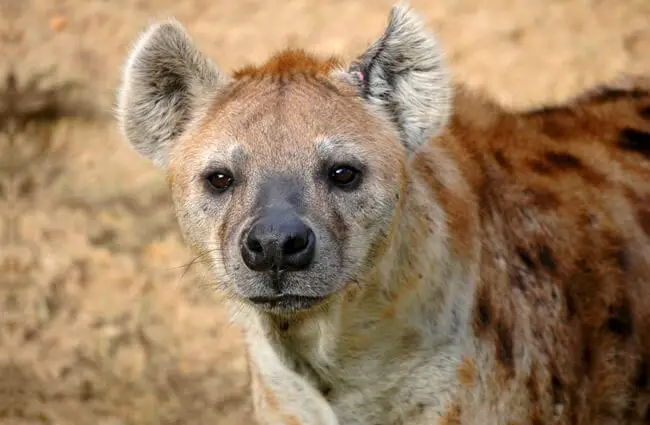
The “laugh” of the spotted hyena is perhaps its most iconic vocalization, but it is far from a sign of amusement. This high-pitched cackle is typically a sign of excitement, frustration, or submission. Hyenas possess a complex vocal repertoire, including whoops, grunts, growls, and groans, each conveying specific messages within their intricate social structure. These sounds are vital for communication, helping clan members locate each other, defend territory, and coordinate hunts.
A Home Across Continents: Hyena Habitats
Hyenas are remarkably adaptable creatures, thriving in a diverse range of environments across Africa and parts of Asia. Their ability to survive in various conditions underscores their resilience and ecological versatility.
Geographical Distribution
- Spotted Hyena: Widely distributed across sub-Saharan Africa, from savannas and grasslands to woodlands and even semi-deserts.
- Brown Hyena: Primarily found in the arid and semi-arid regions of Southern Africa, including the Kalahari Desert and coastal areas.
- Striped Hyena: Its range extends from North and East Africa through the Middle East to parts of Central Asia and India.
- Aardwolf: Found in two distinct populations in East and Southern Africa, preferring open grasslands and savannas.
Preferred Environments
While specific preferences vary by species, hyenas generally favor open landscapes that offer both hunting opportunities and suitable denning sites. Spotted hyenas, for instance, are common in the vast savannas of the Serengeti and Maasai Mara, where large herds of herbivores provide ample food. They utilize abandoned aardvark burrows, rock crevices, or self-dug dens for shelter and raising young. Brown hyenas are masters of the desert, capable of surviving on minimal water and finding sustenance in harsh, dry landscapes. Striped hyenas often inhabit rocky hillsides and scrublands, using caves or dense vegetation for cover.
The Ultimate Opportunists: Hyena Diet and Hunting Prowess
The image of hyenas as mere scavengers is a persistent misconception. While they are indeed highly efficient at cleaning up carcasses, spotted hyenas, in particular, are formidable predators, often hunting and killing the majority of their own food.
Scavenging vs. Hunting: A Balanced Diet
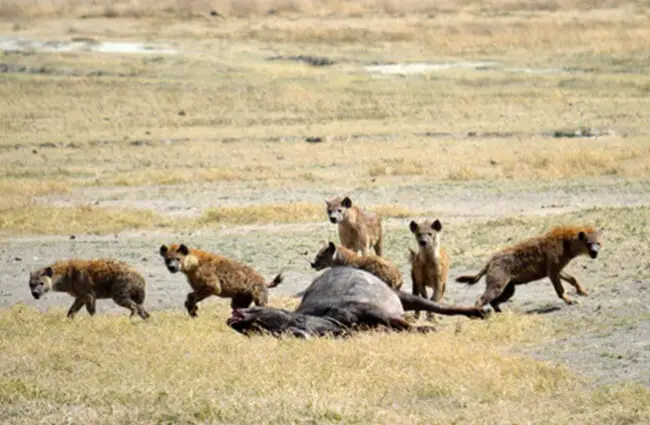
Spotted hyenas are apex predators, capable of taking down prey as large as wildebeest, zebra, and buffalo, especially when hunting in coordinated groups. Studies have shown that up to 95% of their diet can come from animals they have killed themselves. Brown and striped hyenas, while capable of hunting smaller prey, rely more heavily on scavenging, foraging for carrion, insects, and even fruits. The aardwolf, as mentioned, is a specialized insectivore, consuming tens of thousands of termites in a single night.
Bone-Crushing Power: Unique Adaptations
All hyena species, except the aardwolf, possess incredibly powerful jaws and specialized teeth designed for crushing bone. Their molars are broad and robust, allowing them to extract nutrient-rich marrow from bones that other carnivores leave behind. This adaptation gives them a unique advantage, enabling them to utilize every part of a carcass and minimize waste.
Ecological Role: Nature’s Clean-Up Crew
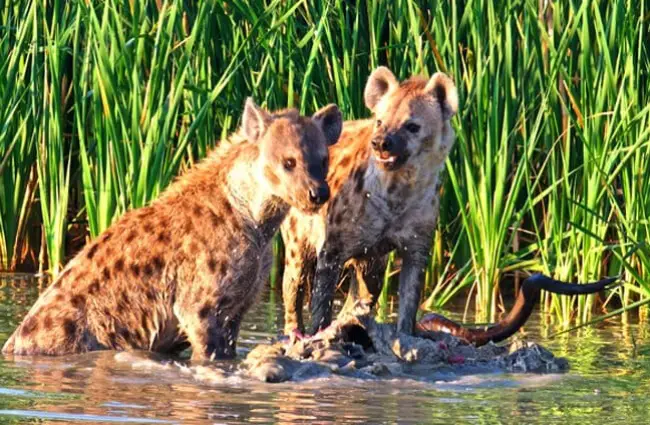
Whether through hunting or scavenging, hyenas play an indispensable role in maintaining ecosystem health. By consuming carcasses, they prevent the spread of disease, recycle nutrients back into the environment, and help regulate prey populations. Their efficiency ensures that little goes to waste in the African wilderness.
Life in the Clan: Social Structure and Reproduction
Spotted hyenas live in complex social groups called clans, which can number from a few individuals to over 100. These clans are highly structured and exhibit fascinating social dynamics.
Matriarchal Societies
One of the most striking features of spotted hyena society is its matriarchal structure. Females are larger, more aggressive, and socially dominant over males. Even the lowest-ranking female outranks the highest-ranking male. This dominance is passed down through generations, with cubs inheriting their mother’s social status. This unique social system influences everything from feeding order to mating opportunities.
Mating Rituals and Unique Female Anatomy
Reproduction in spotted hyenas is particularly unusual due to the female’s pseudo-penis, a highly masculinized clitoris that is indistinguishable from a male penis externally. This anatomical feature, which also serves as the birth canal, makes mating a challenging and often prolonged process. Females typically give birth to 1-3 cubs in a secluded den.
Raising the Next Generation: Cub Development
Hyena cubs are born with their eyes open and erupting teeth, a rare trait among carnivores. They are initially dark brown or black, lacking the spots of adults. Cubs are raised communally within the clan’s denning system, though mothers primarily nurse their own offspring. The first few weeks are critical, with cub mortality often high due to sibling rivalry and predation. Cubs are fully weaned around 12-16 months but remain dependent on the clan for several years as they learn essential hunting and social skills.
A Glimpse into the Past: Hyena Evolution
The evolutionary journey of hyenas is a testament to their enduring adaptability and unique place in the carnivore lineage.
Ancient Origins
The Hyaenidae family originated in Eurasia during the Miocene epoch, approximately 22 million years ago. Early hyenas were more cat-like and arboreal, quite different from the bone-crushing specialists we see today. Over millions of years, they diversified, with some lineages evolving into powerful predators and scavengers, while others, like the aardwolf, took a completely different dietary path.
Divergence and Adaptation
The modern hyena species represent distinct evolutionary branches. The spotted hyena lineage emerged relatively recently, around 10 million years ago, evolving its powerful build and social hunting strategies in response to the changing African landscape and the rise of large herbivore herds. The brown and striped hyenas represent older lineages, retaining more solitary or smaller group behaviors, often specializing in scavenging in more arid or diverse habitats. The aardwolf’s specialization on termites is a remarkable example of extreme dietary adaptation within the family.
Hyenas and the Wild Kingdom: Interactions and Impact
Hyenas are integral components of their ecosystems, engaging in complex interactions with a multitude of other species.
Rivals and Neighbors: Lions, Wild Dogs, and More
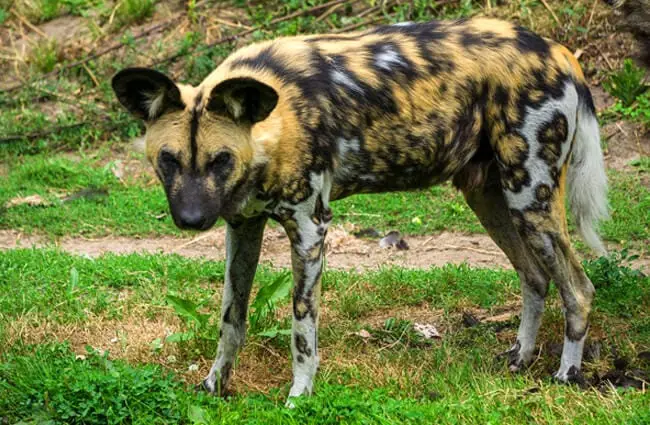
The most famous rivalry is undoubtedly between spotted hyenas and lions. These two apex predators frequently compete for food, often engaging in fierce battles over kills. While lions typically dominate in one-on-one encounters, large hyena clans can overwhelm individual lions or even small prides. Hyenas also interact with African wild dogs, cheetahs, and leopards, often attempting to steal their kills. Conversely, hyenas are sometimes preyed upon by lions, particularly cubs. Their presence influences the behavior and distribution of many other animals, from scavengers like vultures to smaller predators.
Keystone Species: Maintaining Ecosystem Health
As both predators and scavengers, hyenas play a keystone role in their environments. By removing carcasses, they prevent the spread of disease and reduce the risk of bacterial contamination. Their predation helps to regulate herbivore populations, ensuring the health and vitality of grasslands and savannas. Without hyenas, ecosystems would be less efficient, less healthy, and less resilient.
Hyenas in Human Culture: Myths, Legends, and Misconceptions
Throughout history, hyenas have been subjects of fascination, fear, and misunderstanding in human cultures worldwide.
Folklore and Symbolism
In many African cultures, hyenas are complex symbols. They are often associated with witchcraft, death, and the supernatural, sometimes seen as tricksters or omens. Their nocturnal habits, eerie calls, and scavenging behavior have contributed to these mystical associations. In some traditions, they are revered for their strength and cunning, while in others, they are reviled. The “laughing” hyena has become a universal symbol of madness or malevolence in Western popular culture, largely fueled by animated films and stories.
Dispelling the “Villain” Stereotype
The portrayal of hyenas as cowardly, unintelligent scavengers is a pervasive misconception. Scientific research has revealed them to be highly intelligent, socially complex, and skilled predators. Their social learning abilities, problem-solving skills, and cooperative hunting strategies rival those of many primates. Understanding their true nature is crucial for fostering appreciation and supporting conservation efforts.
Encountering Hyenas: A Guide for Wildlife Enthusiasts and Hikers
For those hoping to observe hyenas in their natural habitat or for anyone who might unexpectedly encounter one, knowledge and respect are paramount.
Where to Find Them in the Wild
The best places to observe spotted hyenas are the large national parks and reserves of East and Southern Africa, such as the Serengeti National Park (Tanzania), Maasai Mara National Reserve (Kenya), Kruger National Park (South Africa), and Etosha National Park (Namibia). Brown hyenas are more challenging to find, often requiring specialized safaris in the Kalahari or coastal deserts. Striped hyenas are largely nocturnal and solitary, making them difficult to spot across their vast range, but they can occasionally be seen in parks in India or the Middle East. Night drives are often the most successful way to encounter any hyena species.
Responsible Wildlife Viewing
When on safari, always adhere to park rules and the guidance of your professional guide. Maintain a respectful distance, avoid making loud noises, and never attempt to feed or approach wild animals. Observing hyenas at a distance, especially during their active hours around dawn or dusk, offers the best and safest experience.
What to Do if You Encounter a Hyena
While hyenas are generally wary of humans, especially solitary individuals, they are powerful wild animals. If you encounter a hyena while hiking or outside a vehicle:
- Do not run: Running can trigger a chase response.
- Make yourself appear large: Stand tall, wave your arms, and make noise.
- Maintain eye contact: This can signal confidence.
- Back away slowly: Give the animal space and avoid sudden movements.
- Do not turn your back: Keep the hyena in sight.
- Never approach cubs or a den: Mothers are highly protective.
- Avoid walking alone at night in areas with hyenas: This is when they are most active.
The Science Behind the Stripes and Spots: Insights for Aspiring Zoologists
For those aspiring to delve deeper into the world of hyenas, there are countless avenues for scientific inquiry and discovery.
Behavioral Ecology
Studying hyena behavioral ecology offers insights into complex social structures, communication, cooperative hunting, and resource partitioning. Research often involves long-term observation of clans, radio-collaring individuals, and analyzing vocalizations. Key areas of study include the dynamics of matriarchal dominance, the role of scent marking in territorial defense, and the cognitive abilities involved in their social learning and problem-solving.
Physiological Adaptations
Investigating the unique physiology of hyenas, such as their powerful digestive systems capable of processing bone, their robust immune systems, and the hormonal basis of female masculinization, provides valuable data. Genetic studies can shed light on population structures, evolutionary relationships, and the impact of habitat fragmentation on genetic diversity.
Conservation Challenges
Understanding the threats faced by hyena populations, including habitat loss, human-wildlife conflict, and poaching, is critical for conservation. Aspiring zoologists can contribute to monitoring programs, community outreach initiatives, and research on sustainable coexistence strategies. The conservation status varies by species, with striped and brown hyenas facing greater threats due to their more restricted ranges and often direct persecution.
Caring for Captive Hyenas: A Zookeeper’s Perspective
Caring for hyenas in a zoological setting requires specialized knowledge and a deep understanding of their natural behaviors and needs.
Enclosure Design and Enrichment
Hyena enclosures must be spacious, secure, and designed to mimic their natural habitat as much as possible. This includes providing varied terrain, climbing structures, water features, and ample hiding spots. Enrichment is crucial for their mental and physical well-being. This can involve puzzle feeders, scent trails, novel objects, and opportunities for digging and exploring. For social species like spotted hyenas, ensuring appropriate group dynamics is vital.
Dietary Needs
A captive hyena’s diet must replicate the nutritional complexity of their wild diet. This typically involves a diet of whole carcasses or large cuts of meat, including bones, to provide essential calcium, phosphorus, and other minerals, as well as to promote dental health. Supplementation with vitamins and minerals may be necessary, and the diet should be carefully monitored to prevent obesity or nutritional deficiencies.
Social Dynamics in Captivity
For spotted hyenas, managing social groups requires careful observation and intervention to prevent aggression, especially given their matriarchal hierarchy. Introducing new individuals or forming stable groups can be a delicate process. For solitary species like the striped hyena, ensuring sufficient individual space and minimizing stress from constant human presence is important.
Health Monitoring and Veterinary Care
Regular veterinary check-ups, including physical examinations, vaccinations, and parasite control, are essential. Zookeepers must be vigilant for signs of illness or injury, which can be subtle in wild animals. Training hyenas for voluntary participation in their own care, such as presenting a paw for examination or entering a crate, can greatly facilitate medical procedures and reduce stress.
Fascinating Facts: Unveiling Hyena Wonders
- Powerful Bite: Spotted hyenas have one of the strongest bite forces in the animal kingdom, capable of crushing bones with up to 1,100 pounds per square inch (psi) of pressure.
- Female Dominance: Female spotted hyenas are typically larger and more aggressive than males, dominating all social interactions within the clan.
- Pseudo-Penis: Female spotted hyenas possess a unique pseudo-penis, which they use for mating, urination, and giving birth.
- Born with Open Eyes: Hyena cubs are born with their eyes open and fully erupted teeth, a rare trait among carnivores.
- Complex Communication: Hyenas have a diverse vocal repertoire, including whoops, grunts, growls, and the famous “laugh,” each conveying specific messages.
- Highly Intelligent: Studies have shown hyenas to be highly intelligent, capable of complex problem-solving, social learning, and cooperative strategies.
- Nature’s Clean-Up Crew: As efficient scavengers, hyenas play a vital role in cleaning up carcasses and preventing the spread of disease in their ecosystems.
- Long Lifespan: In the wild, hyenas can live for 10-12 years, and even longer in captivity, sometimes reaching over 20 years.
- Diverse Diets: While spotted hyenas are skilled hunters, brown and striped hyenas rely more on scavenging, and the aardwolf specializes in eating termites.
- Nocturnal Hunters: Most hyena species are primarily nocturnal, making them elusive and often misunderstood.
From their intricate social lives to their crucial ecological roles, hyenas are truly extraordinary creatures. Moving beyond the caricatures and misconceptions reveals an animal of remarkable intelligence, adaptability, and resilience. By understanding and appreciating the true nature of the hyena, we can better support their conservation and ensure these magnificent carnivores continue to thrive in the wild for generations to come.
![Closeup of a beautiful Red Angus cowPhoto by: U.S. Department of Agriculture [pubic domain]https://creativecommons.org/licenses/by/2.0/](https://animals.net/wp-content/uploads/2020/03/Red-Angus-4-238x178.jpg "Red Angus")

![Closeup of a beautiful Red Angus cowPhoto by: U.S. Department of Agriculture [pubic domain]https://creativecommons.org/licenses/by/2.0/](https://animals.net/wp-content/uploads/2020/03/Red-Angus-4-100x75.jpg "Red Angus")