Few birds embody the spirit of a lively garden or a peaceful woodland quite like the House Wren. These diminutive dynamos, barely larger than a golf ball, are a common sight across much of North America, captivating observers with their energetic movements and surprisingly complex behavior. This guide delves into the fascinating world of the House Wren, exploring its natural history, habits, and ecological role.
A Bird of Many Habitats
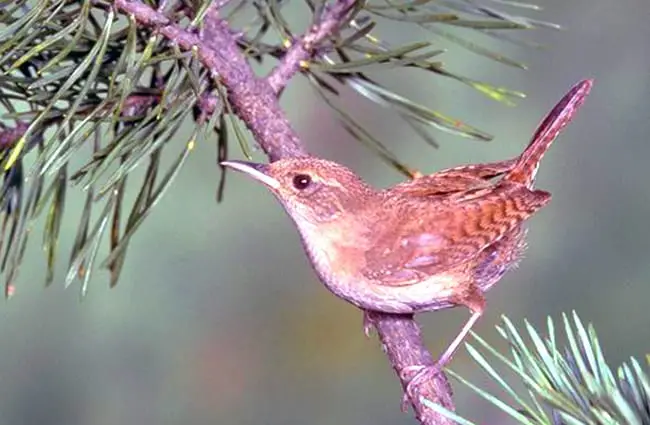
The House Wren, scientifically known as Troglodytes aedon, is remarkably adaptable. Its range extends from southern Canada through the United States, Central America, and into northern South America. This widespread distribution is thanks to its ability to thrive in diverse environments. While often associated with gardens and suburban areas, the House Wren is equally at home in open woodlands, forest edges, orchards, and even brushy fields. They demonstrate a preference for habitats with dense vegetation, providing both cover from predators and ample foraging opportunities. The presence of cavities – natural or manmade – is crucial, as these birds are cavity nesters.
Evolutionary History
The wren family, Troglodytidae, is an ancient lineage with origins stretching back millions of years. Fossil evidence suggests that wrens were present in North America during the Miocene epoch. The House Wren itself is believed to have originated in Central America and subsequently expanded its range northward. Its evolutionary success can be attributed to its small size, allowing it to exploit a variety of niches, and its propensity for adapting to human‑modified landscapes.
Diet and Foraging Behavior
House Wrens are primarily insectivorous, meaning their diet consists largely of insects and other invertebrates. This includes beetles, grasshoppers, caterpillars, spiders, and even small snails. They are opportunistic feeders, gleaning insects from foliage, bark, and the ground. Their foraging technique is characterized by quick, jerky movements as they probe into crevices and investigate potential food sources. Interestingly, they are known to sometimes consume plant matter, particularly berries, especially during the winter months when insects are scarce.
Mating and Reproduction
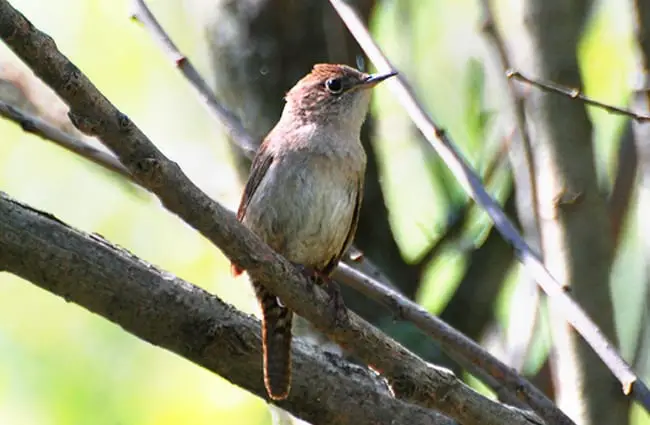
The breeding season for House Wrens typically begins in the spring. Males attract mates through elaborate song displays and vigorous nest building. Interestingly, a male may construct multiple dummy nests to showcase his skills to potential partners. The female ultimately selects the nest she will use, and may contribute to its finishing touches. These nests are usually spherical in shape, constructed from twigs, grass, leaves, and other available materials. They are often concealed within cavities in trees, shrubs, or manmade structures like birdhouses.
A typical clutch consists of 3 to 8 eggs, which are creamy white or pale pink with brown speckles. The female incubates the eggs for about two weeks, and both parents participate in feeding the young. The nestlings fledge after approximately 15 to 20 days. A remarkable aspect of House Wren reproduction is the tendency for multiple females to lay eggs in a single male’s territory – a phenomenon known as polyandry. This can result in a male raising a brood of offspring with genetic contributions from several different females.
Ecological Role and Interactions
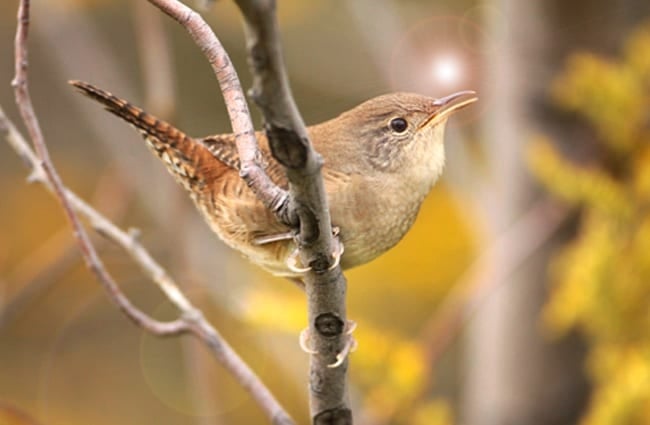
House Wrens play a vital role in controlling insect populations, especially those that may be harmful to plants. As insectivores, they help to maintain a healthy balance within their ecosystems. They also serve as prey for larger birds of prey, such as hawks and owls, and occasionally for snakes and mammals. Competition for nesting sites can occur with other cavity‑nesting birds, like chickadees and nuthatches. However, House Wrens are known for their aggressive territorial defense, often evicting other birds from their chosen nesting spots.
Human Interactions
The House Wren has a long history of association with humans. Its adaptability and willingness to nest near human settlements have made it a familiar sight in gardens and urban areas. Many people actively encourage House Wrens to inhabit their properties by providing birdhouses and suitable nesting habitat. However, their aggressive nest defense can sometimes lead to conflicts, as they may destroy the nests of other birds or even harass people who approach their territory.
Fascinating Facts
- House Wrens are prodigious singers, with males possessing an extensive repertoire of songs and calls.
- They are known to meticulously line their nests with feathers, hair, and other soft materials.
- Young House Wrens often help their parents raise subsequent broods.
- They can be remarkably persistent when searching for food, probing into even the smallest crevices.
- House Wrens can incorporate a wide variety of materials into their nests.
- They sometimes block nest entrances with materials to protect their young.
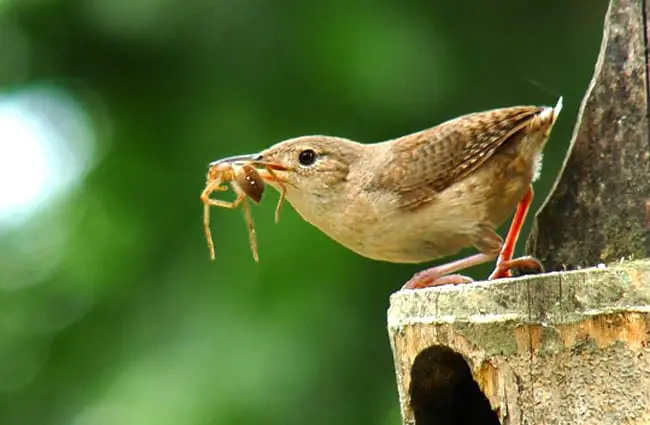
Observing House Wrens in the Wild
Finding a House Wren is rarely a challenge. They are widespread and relatively vocal. Listen for their loud, bubbling song, often described as a series of cheerful trills and warbles. Scan areas with dense vegetation, such as thickets, hedges, and woodlands. Look for their small, energetic movements as they flit among the branches. Providing a suitable birdhouse can significantly increase your chances of attracting these delightful birds to your property.
Caring for House Wrens in Captivity
While not commonly kept as pets, House Wrens occasionally find themselves in the care of wildlife rehabilitators or zoological facilities. Their care requires providing a spacious aviary with plenty of natural vegetation. A diet consisting of live insects, such as mealworms and crickets, is essential. Mimicking their natural nesting habits by providing suitable nesting materials and cavities is crucial for their well‑being. Due to their active and inquisitive nature, providing enrichment activities, such as foraging opportunities and novel objects, is vital to prevent boredom and promote their physical and mental health.
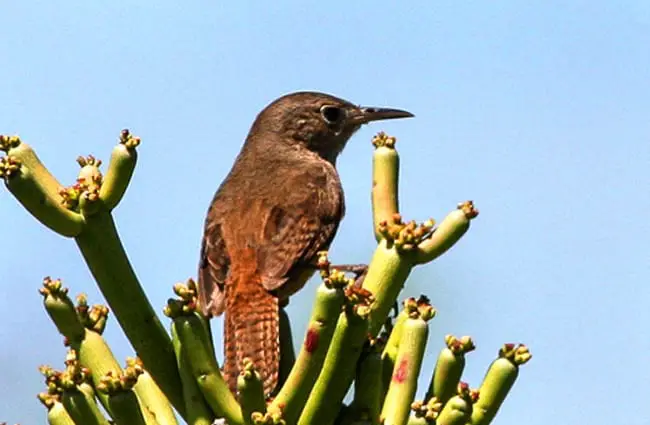
The House Wren is a testament to the beauty and resilience of nature. Its adaptability, energetic behavior, and complex social interactions make it a captivating subject for study and observation. By understanding and appreciating these remarkable birds, we can contribute to their conservation and ensure that their cheerful song continues to grace our landscapes for generations to come.
![Closeup of a beautiful Red Angus cowPhoto by: U.S. Department of Agriculture [pubic domain]https://creativecommons.org/licenses/by/2.0/](https://animals.net/wp-content/uploads/2020/03/Red-Angus-4-238x178.jpg "Red Angus")
![Closeup of a beautiful Red Angus cowPhoto by: U.S. Department of Agriculture [pubic domain]https://creativecommons.org/licenses/by/2.0/](https://animals.net/wp-content/uploads/2020/03/Red-Angus-4-100x75.jpg "Red Angus")