Deep beneath the waves, or scuttling across a sun-drenched beach, resides a creature of remarkable adaptability and ingenuity: the hermit crab. Far from being true crabs, these fascinating decapods have perfected the art of real estate, carrying their homes on their backs. Their lives are a constant quest for the perfect fit, a testament to nature’s endless creativity in solving life’s challenges. Join us on an exploration into the intricate world of these shelled wanderers, uncovering their secrets from the sandy shores to the depths of their evolutionary past.
The Shell Dwellers: An Introduction to Hermit Crabs
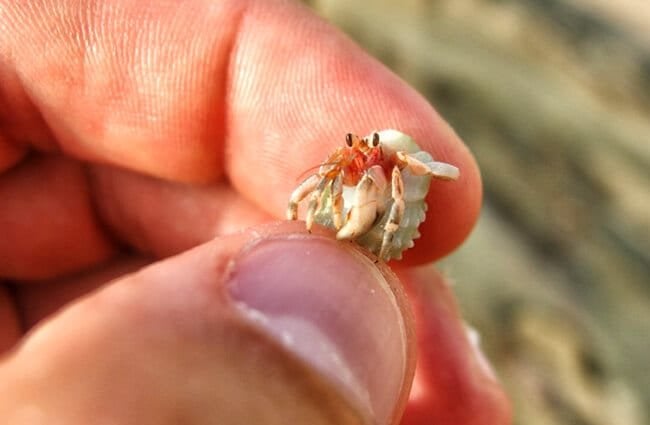
Hermit crabs, belonging to the superfamily Paguroidea, are not what scientists call “true crabs” (Brachyura). Unlike their hard-shelled cousins, hermit crabs possess a soft, vulnerable abdomen that requires protection. Their brilliant solution? They adopt discarded gastropod shells, transforming these empty spirals into mobile fortresses. This unique adaptation defines their existence, influencing everything from their locomotion to their social interactions. From the tiniest species barely visible to the naked eye to larger varieties sporting shells the size of a human fist, these crustaceans are a diverse and captivating group.
Where the Wild Things Are: Hermit Crab Habitats
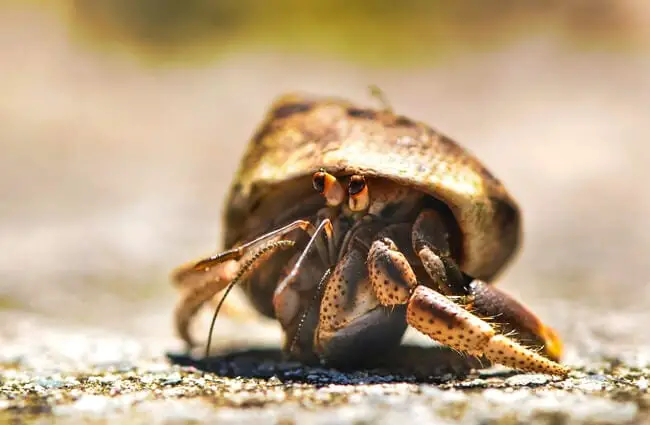
The global distribution of hermit crabs is vast, encompassing both marine and terrestrial environments. Their habitats are as varied as the species themselves, reflecting their incredible adaptability.
- Marine Hermit Crabs: The majority of hermit crab species are marine, inhabiting a wide range of underwater ecosystems. They thrive in intertidal zones, tide pools, coral reefs, and even deep-sea environments. These aquatic dwellers can be found clinging to rocks, burrowing in sand, or scuttling across the ocean floor, always on the lookout for food and a suitable shell.
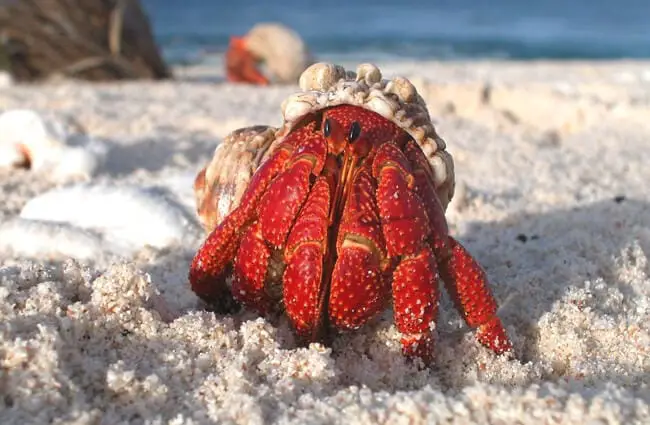
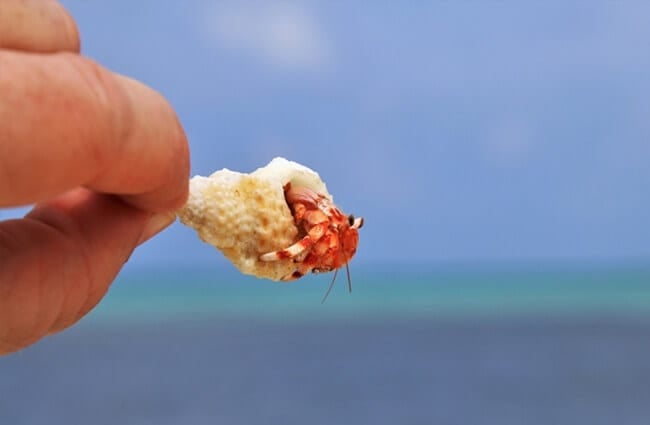
- Terrestrial Hermit Crabs: A significant and well-known group are the land hermit crabs. These species, such as the Caribbean hermit crab (Coenobita clypeatus) or the strawberry hermit crab (Coenobita perlatus), have adapted to life on land, though they still require access to saltwater for gill hydration and reproduction. They are commonly found in tropical and subtropical coastal regions, including beaches, dunes, mangrove forests, and even inland forests, often venturing out at night to forage.
To find a hermit crab in the wild, an animal lover should focus on these coastal areas, particularly during dusk or dawn when many terrestrial species are most active. Look under driftwood, rocks, or among vegetation near the high tide line. In marine environments, observing tide pools at low tide can reveal these creatures foraging among the seaweed and rocks.
A Journey Through Time: The Evolution of Hermit Crabs
The evolutionary history of hermit crabs is a fascinating tale of adaptation within the decapod crustacean lineage. They share a common ancestor with true crabs, lobsters, and shrimp, but diverged to develop their distinctive shell-carrying lifestyle. Their soft, asymmetrical abdomen is a key evolutionary trait, perfectly shaped to fit into the spiral of a gastropod shell. This adaptation likely arose as a defensive mechanism against predators, allowing them to utilize readily available resources (empty shells) for protection rather than investing energy in growing a thick, heavy carapace over their entire body. Fossil records indicate that shell-dwelling paguroids have existed for millions of years, showcasing the success of this unique evolutionary strategy. Their lineage highlights how environmental pressures can drive the development of highly specialized behaviors and anatomical features.
What’s on the Menu? The Hermit Crab Diet
Hermit crabs are opportunistic omnivores and crucial scavengers in their ecosystems. Their diet is incredibly varied, reflecting their role as nature’s clean-up crew.
- In the Wild:
- Detritus: Decaying plant and animal matter forms a significant portion of their diet.
- Algae and Fungi: They graze on various types of algae and fungi found in their environment.
- Small Invertebrates: Tiny insects, worms, and other small organisms are readily consumed.
- Scraps: They will eat carrion, fallen fruit, and other organic debris found on beaches or ocean floors.
- In Captivity:
For zookeepers or pet owners, providing a balanced diet is essential. This includes:
- Commercial Hermit Crab Food: High-quality pellets formulated for hermit crabs.
- Fresh Fruits and Vegetables: Apples, bananas, grapes, mangoes, carrots, leafy greens (ensure they are organic and pesticide-free).
- Protein Sources: Cooked unseasoned chicken or fish, freeze-dried shrimp, bloodworms, or crickets.
- Calcium Sources: Cuttlebone, crushed oyster shells, or calcium supplements are vital for exoskeleton health.
- Avoid: Foods high in sugar, salt, or preservatives, and anything with garlic, onion, or citrus.
Their scavenging habits make them vital contributors to nutrient cycling, breaking down organic matter and preventing its accumulation, thus maintaining the health of their habitats.
The Cycle of Life: Mating and Reproduction
The reproductive process of hermit crabs is a complex dance, particularly for terrestrial species that must return to the sea to breed.
- Courtship and Mating: Mating typically occurs when both male and female crabs are out of their shells, or the male may gently pull the female from her shell. Internal fertilization takes place.
- Egg Carrying: After mating, the female carries thousands of tiny eggs, often numbering in the tens of thousands, attached to pleopods (small appendages) on her abdomen. These eggs are carefully tended until they are ready to hatch.
- Larval Release: For terrestrial species, the female must migrate to the ocean to release her eggs. She wades into the surf, releasing the eggs into the water. Marine species simply release their eggs into the water column.
- Larval Stages: The eggs hatch into microscopic larvae called zoea. These planktonic larvae drift in the ocean currents, undergoing several molts as they grow and transform. They then develop into a megalopa stage, which resembles a miniature crab with a prominent tail.
- Metamorphosis and Shell Search: The megalopa eventually settles to the bottom, undergoes a final metamorphosis, and begins its crucial search for a tiny, empty gastropod shell to inhabit. This transition from a free-swimming larva to a bottom-dwelling, shell-carrying juvenile is a critical and vulnerable stage in their life cycle.
Ecosystem Engineers: Hermit Crabs and Their World
Hermit crabs play a surprisingly significant role in their respective ecosystems, acting as vital links in the food web and contributing to nutrient cycling.
- Scavengers and Detritivores: As discussed, their omnivorous diet makes them excellent clean-up crews. By consuming decaying organic matter, they help recycle nutrients back into the ecosystem, preventing the build-up of waste and supporting the health of their habitats.
- Shell Exchange Dynamics: The constant need for new, larger shells creates a unique ecological dynamic. Empty gastropod shells are a limited resource, and their availability can impact hermit crab populations. This competition for shells can lead to fascinating behaviors, including “vacancy chains” where crabs line up to exchange shells in a sequential manner. The shells themselves also provide microhabitats for other small organisms.
- Interaction with Other Animals:
- Predators: Hermit crabs are prey for a variety of animals, including birds, fish, larger crabs, and even some mammals. Their shell offers protection, but they remain vulnerable during molting or when forced out of their shells.
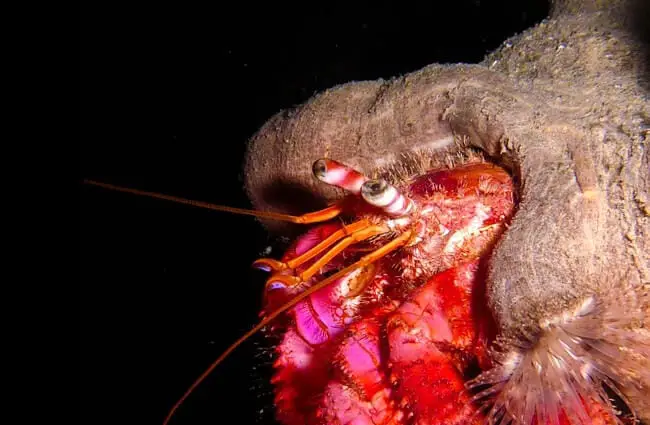
- Commensalism: Some hermit crabs form commensal relationships with other organisms. For example, sea anemones may attach to a hermit crab’s shell, gaining mobility and access to food scraps, while providing the crab with additional camouflage and stinging defense.
- Competition: They compete with other shell-dwelling organisms and even other hermit crab species for suitable shells.
Hermit Crabs in Human Culture and Interaction
Hermit crabs have carved out a niche in human culture, primarily as pets and symbols of adaptability.
- Pets: Terrestrial hermit crabs are popular pets, particularly for children, due to their relatively low maintenance requirements and intriguing behaviors. This popularity, however, comes with responsibilities and ethical considerations.
- Symbols: Their unique lifestyle of carrying a borrowed home has made them a symbol of resourcefulness, adaptability, and even introversion in various contexts.
- Conservation Concerns: The pet trade, while providing enjoyment for many, can put pressure on wild populations if not managed sustainably. Over-collection, habitat destruction, and pollution are significant threats to hermit crab populations globally.
- Responsible Interaction for Hikers: If you encounter a hermit crab in the wild, the best course of action is to observe from a distance. Do not attempt to pick it up, remove it from its shell, or disturb its natural behavior. Leave shells on the beach; an empty shell is a potential home for a growing hermit crab. Respecting their habitat and allowing them to live undisturbed is crucial for their well-being and the health of the ecosystem.
Fascinating Facts: Unveiling Hermit Crab Wonders
Beyond their basic biology, hermit crabs exhibit a host of intriguing behaviors and characteristics:
- Molting: To grow, hermit crabs must shed their exoskeletons in a process called molting. During this vulnerable period, they hide, often burying themselves, until their new, soft exoskeleton hardens. They may even eat their old exoskeleton for calcium.
- Shell Selection Rituals: Finding the perfect shell is a life-or-death decision. Hermit crabs meticulously inspect potential new homes, using their antennae and legs to gauge size, weight, and internal condition before making a move. They often prefer shells that are slightly larger than their current one, allowing for growth.
- Social Behavior: While often perceived as solitary, many hermit crab species exhibit complex social behaviors. They can form large aggregations, especially around food sources or during shell exchanges, where they may line up in order of size to facilitate efficient shell swapping.
- Lifespan: In optimal conditions, some terrestrial hermit crabs can live for surprisingly long periods, with some species potentially reaching 20-30 years in the wild, though much shorter in typical captive environments.
- Specialized Appendages: Their bodies are perfectly adapted for their shell-dwelling life. The last pair of legs (uropods) are modified to grip the inside of the shell, preventing them from being easily pulled out. Their abdomen is soft and twisted to fit the spiral of the shell.
Caring for Our Shelled Friends: A Zookeeper’s Guide
For zookeepers or dedicated hobbyists, providing optimal care for hermit crabs in captivity requires attention to detail, replicating their natural environment as closely as possible.
- Enclosure Setup (Hermitarium):
- Size: A spacious tank (at least 10 gallons per crab, more for larger species) is essential for movement and enrichment.
- Substrate: A deep layer (at least 6 inches) of a mix of coconut fiber (coco fiber) and play sand is ideal for burrowing, which is crucial for molting.
- Humidity: Maintain high humidity (70-80%) using a hygrometer. This is vital for their modified gills. Misting the tank or using a humidifier helps.
- Temperature: Keep the temperature stable between 75-85°F (24-29°C) using an under-tank heater or heat lamp.
- Water Bowls: Provide two shallow, non-metallic water bowls: one with dechlorinated fresh water and one with marine-grade saltwater (mixed to proper salinity). Ensure they can easily get in and out.
- Climbing Structures: Branches, rocks, and plastic plants offer enrichment and exercise.
- Dietary Needs:
As detailed previously, offer a varied diet of commercial hermit crab food, fresh fruits, vegetables, and protein sources. Calcium supplements are critical.
- Shell Availability:
This is paramount. Always provide a selection of clean, appropriately sized, empty gastropod shells (e.g., turbo shells, murex shells) that are slightly larger than their current shell. Offer a variety of opening shapes and sizes to cater to individual preferences. Never use painted shells, as the paint can be toxic.
- Social Considerations:
Hermit crabs are often social and thrive in groups. Keeping multiple crabs can encourage natural behaviors, but ensure adequate space and resources to prevent stress or aggression.
- Tasks to Perform:
- Daily misting and checking humidity/temperature.
- Daily cleaning and refilling of water bowls.
- Daily removal of uneaten food.
- Weekly spot cleaning of substrate.
- Monthly deep cleaning of the tank and substrate replacement (as needed).
- Regularly offering new, clean shells.
- Things to Avoid:
- Tap Water: Always dechlorinate fresh water.
- Painted Shells: Toxic and harmful.
- Sudden Temperature/Humidity Changes: Can cause stress and illness.
- Forcing Shell Changes: Never pull a crab from its shell.
- Overcrowding: Leads to stress, aggression, and resource competition.
- Chemical Cleaners: Use only pet-safe cleaners or plain water for tank maintenance.
From their humble beginnings as planktonic larvae to their adult lives as mobile home-owners, hermit crabs exemplify resilience and ingenuity. Their ecological contributions, complex behaviors, and unique adaptations make them truly remarkable subjects of study and appreciation. Understanding their needs, whether in the wild or in captivity, fosters a deeper respect for these fascinating creatures and the delicate balance of the ecosystems they inhabit. Let us continue to marvel at their shelled existence and advocate for their protection, ensuring future generations can also witness the wonders of the hermit crab.
![Closeup of a beautiful Red Angus cowPhoto by: U.S. Department of Agriculture [pubic domain]https://creativecommons.org/licenses/by/2.0/](https://animals.net/wp-content/uploads/2020/03/Red-Angus-4-100x75.jpg "Red Angus")