A Comprehensive Guide to the Havanese
The Havanese, a small dog breed with a silky coat and a cheerful disposition, has captured the hearts of dog lovers worldwide. Originating from Cuba, this breed possesses a fascinating history and a unique set of characteristics that make it a delightful companion. This guide will delve into every facet of the Havanese, from its historical roots to its behavioral traits and specific care requirements.

History and Origins
The Havanese traces its ancestry back to the now-extinct León Dog, a small white dog from the Pyrenees mountains. In the 16th and 17th centuries, these dogs were brought to Cuba by sailors, and through selective breeding, they evolved into the Havanese breed. They quickly became favorites among Cuban aristocrats, cherished for their playful nature and charming looks. The breed faced near extinction following the Cuban Revolution, but dedicated breeders in the United States, Cuba, and Europe worked diligently to revive the lineage, securing its place in the canine world.
Physical Characteristics
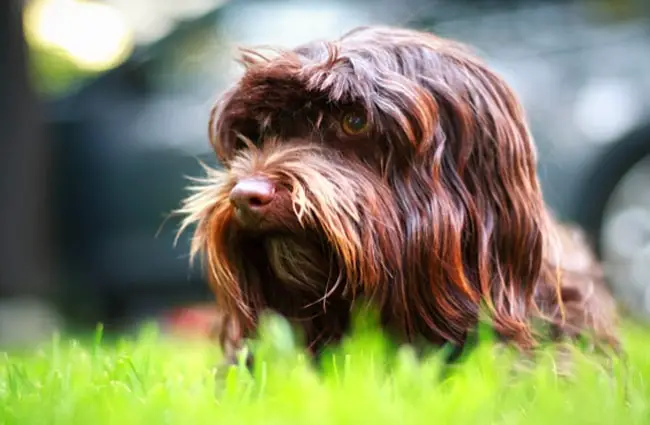
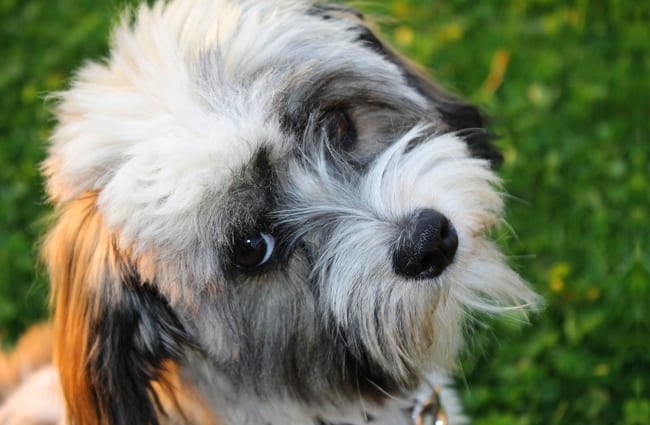
The Havanese is a small breed, typically standing between 8.5 and 11.5 inches tall and weighing between 7 and 13 pounds. Their defining feature is their luxurious, silky coat, which can be straight, wavy, or curly. The coat comes in a wide range of colors, including white, black, cream, and sable, and combinations thereof. They have a sturdy build, expressive dark eyes, and a plumed tail carried gracefully over their back.
Temperament and Behavior
Known for their affectionate and playful personalities, Havanese dogs are often described as the “Velcro” dogs, as they love to be close to their human companions. They are intelligent, eager to please, and relatively easy to train, making them suitable for first‑time dog owners. Havanese are also known for their playful “circus” tricks, which originated from their days as performers with Cuban street entertainers. While generally friendly, they can be reserved with strangers and may exhibit some barking, making early socialization crucial.
Socialization and Training
Early socialization is paramount for Havanese puppies. Exposing them to various sights, sounds, people, and other animals helps them develop into well‑rounded, confident adults. Positive reinforcement training methods work best, as Havanese respond well to praise and rewards. Consistency and patience are key to successful training. They excel in obedience, agility, and trick training.
Caring for Your Havanese
Havanese require regular grooming to maintain their beautiful coat. Daily brushing is essential to prevent mats and tangles. Professional grooming may be necessary every few weeks to maintain the desired length and style. Regular dental cleaning, nail trimming, and ear cleaning are also important aspects of their care.

Exercise Needs
Despite their small size, Havanese are surprisingly energetic. They require moderate exercise, such as daily walks, play sessions, and interactive games. They adapt well to apartment living, provided they receive sufficient mental and physical stimulation. Puzzle toys and interactive games can help keep them entertained and prevent boredom.
Dietary Requirements
A high‑quality dog food formulated for small breeds is essential for maintaining your Havanese’s health. Monitor their food intake to prevent obesity, as they can be prone to weight gain. Consult with your veterinarian to determine the appropriate portion size and feeding schedule.
Health Considerations
While generally a healthy breed, Havanese are predisposed to certain health conditions, including patellar luxation (dislocating kneecap), hip dysplasia, and eye problems such as progressive retinal atrophy. Responsible breeders screen their breeding stock for these conditions to minimize the risk of passing them on to their puppies. Regular veterinary checkups are crucial for early detection and treatment of any health issues.

Genetic Predispositions: A Deeper Look
Beyond the common conditions, Havanese can sometimes be affected by congenital heart defects, particularly pulmonic stenosis. Responsible breeding practices, including cardiac evaluations of breeding parents, significantly reduce the incidence of these issues. Additionally, due to their floppy ears, they can be prone to ear infections. Regular ear cleaning and monitoring for signs of infection are vital.
Is a Havanese Right for You?
The Havanese is an excellent choice for individuals and families seeking a playful, affectionate, and intelligent companion. They thrive in loving environments where they receive plenty of attention and interaction. Their adaptability makes them suitable for various living situations, from apartments to large homes. However, potential owners should be prepared to commit to regular grooming and provide sufficient mental and physical stimulation.
Interesting Facts About Havanese
- Havanese are known as the “National Dog of Cuba”.
- They were favored by Cuban aristocrats and even royalty.
- The breed almost became extinct after the Cuban Revolution.
- Havanese are long lived, with an average lifespan of 13 to 15 years.
- They can also be surprisingly good swimmers.
In conclusion, the Havanese is a delightful breed with a rich history and a charming personality. With proper care, training, and socialization, they can bring years of joy and companionship to their lucky owners. Their playful spirit and affectionate nature make them a truly special addition to any family.



![Closeup of a beautiful Red Angus cowPhoto by: U.S. Department of Agriculture [pubic domain]https://creativecommons.org/licenses/by/2.0/](https://animals.net/wp-content/uploads/2020/03/Red-Angus-4-100x75.jpg "Red Angus")