The Enigmatic Hammerhead Shark
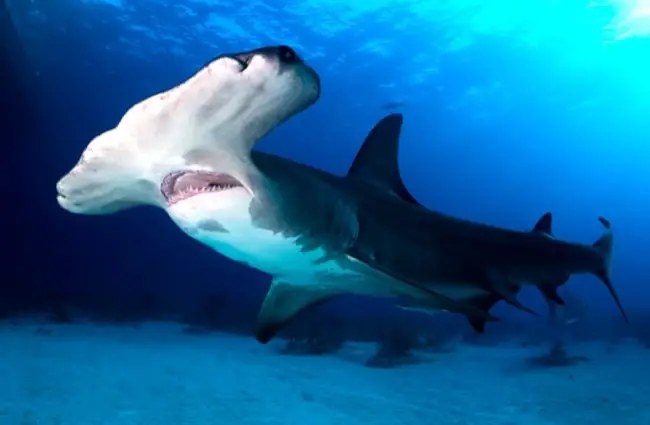
The ocean holds countless wonders, but few are as instantly recognizable and captivating as the hammerhead shark. These extraordinary predators, named for the distinctive hammer shape of their heads, are far more than just a curious morphology. They are apex predators playing a crucial role in marine ecosystems, and their story is a compelling blend of evolutionary adaptation, complex behavior, and increasing conservation concern.

What Makes a Hammerhead, a Hammerhead?
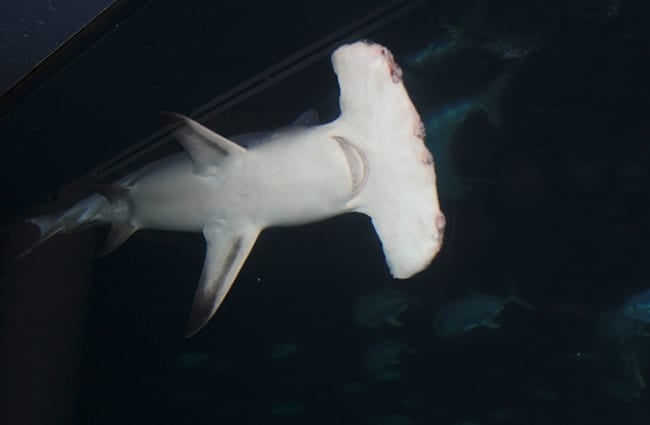
The most striking feature of these sharks is, of course, the cephalofoil – that hammer‑shaped head. But this isn’t just a quirky design choice. The cephalofoil provides several key advantages. The widely spaced eyes grant a broader field of vision, enhancing their ability to detect prey and predators. The ampullae of Lorenzini, electroreceptors used to detect the electric fields generated by other animals, are spread across the cephalofoil, increasing their sensory range. Furthermore, the unique shape improves maneuverability, allowing for quicker turns when hunting.
Species Diversity
Hammerheads aren’t a single species. There are nine recognized species, ranging dramatically in size and behavior:
- Great Hammerhead (Sphyrna mokarran): The largest, reaching up to 20 feet long, and a notorious predator known to occasionally prey on other sharks.
- Scalloped Hammerhead (Sphyrna lewini): Common in tropical waters, often forming large schools.
- Smooth Hammerhead (Sphyrna zygaena): Found in warmer temperate and tropical waters, known for its relatively smooth head shape.
- Bonnethead (Sphyrna tiburo): The smallest species, with a rounded head, and a surprisingly omnivorous diet including seagrass.
The remaining species—Whitefin, Dusky, Galápagos, and Honduras hammerheads—each exhibit specific adaptations and geographic ranges.
Life in the Blue: Habitat and Diet
Hammerhead sharks are found in tropical and warm temperate waters worldwide. They inhabit coastal waters, including continental shelves, lagoons, and estuaries, but also venture into the open ocean. Scalloped hammerheads are particularly pelagic, often found far from shore. Their distribution is influenced by water temperature, prey availability, and breeding seasons.
As predators, hammerheads have a varied diet. Smaller species like the bonnethead consume crustaceans, cephalopods, and fish. Larger species, such as the great hammerhead, prey on bony fish, sharks, rays, and even sea turtles. A particular delicacy for great hammerheads is stingrays. They are known to pin rays to the seafloor with their heads before consuming them. This behavior, while effective, can also lead to injuries from the ray’s barb.
Reproduction and Life Cycle
Hammerhead sharks exhibit different reproductive strategies depending on the species. Most are viviparous, meaning they give birth to live young. However, some species, like the scalloped hammerhead, are ovoviviparous – the eggs hatch inside the mother, and the pups are born live. Gestation periods vary, typically ranging from 8 to 11 months. Litter sizes also differ, with some species producing as few as 6 pups and others up to 50.
Pups are born relatively large, providing them with a better chance of survival. They are independent from birth and receive no parental care. Sexual maturity is reached relatively late, around 8 to 15 years, making these sharks vulnerable to overfishing. Hammerheads can live for several decades, with some estimates suggesting lifespans exceeding 50 years.
Hammerheads and the Ecosystem
As apex predators, hammerheads play a vital role in maintaining the health and balance of marine ecosystems. They help control populations of prey species, preventing any single species from becoming dominant. By targeting sick or weak individuals, they also help improve the overall health of prey populations. Their presence indicates a thriving and diverse ecosystem.

However, hammerheads are also vulnerable to changes in the ecosystem, such as pollution, habitat destruction, and overfishing. Their slow reproductive rates make it difficult for populations to recover from declines. The removal of hammerheads from an ecosystem can have cascading effects, disrupting the food web and reducing biodiversity.
Encountering Hammerheads: A Guide for Divers and Observers
For divers and snorkelers, encountering a hammerhead shark is a breathtaking experience. Popular locations include the Bahamas, Galápagos Islands, and parts of the Pacific Ocean. These sharks often congregate in cleaning stations, where smaller fish remove parasites from their bodies.
If you encounter a hammerhead:
- Maintain a respectful distance. Avoid approaching or chasing the shark.
- Avoid sudden movements. Move slowly and deliberately.
- Make eye contact cautiously. Prolonged staring can be perceived as a threat.
- Follow the instructions of your guide. Experienced guides can provide valuable insights and ensure your safety.
Human Interactions and Conservation Concerns
Historically, hammerhead sharks were hunted for their fins, meat, and oil. Today, the primary threat is finning – the practice of removing a shark’s fins and discarding the body. This practice is driven by the demand for shark fin soup, a delicacy in some Asian countries. Hammerhead fins are particularly prized due to their large size.
Several species of hammerheads are now listed as endangered or vulnerable by the International Union for Conservation of Nature (IUCN). Conservation efforts include implementing fishing regulations, establishing marine protected areas, and promoting sustainable fishing practices. Reducing the demand for shark fin soup is also crucial. The long‑term survival of these magnificent creatures depends on our collective commitment to conservation.
Zookeeper’s Guide to Hammerhead Care
Caring for hammerhead sharks in captivity is a significant undertaking. Providing an environment that meets their complex needs requires considerable expertise and resources. Key considerations include:
- Tank size: Hammerheads require enormous tanks, ideally with dimensions exceeding 100 feet in length and significant depth.
- Water quality: Maintaining pristine water quality is essential. This involves regular monitoring of parameters such as salinity, pH, and temperature, as well as robust filtration systems.
- Diet: A varied diet consisting of whole fish, squid, and crustaceans is crucial. Supplementation with vitamins and minerals may also be necessary.
- Enrichment: Providing enrichment activities is vital to stimulate natural behaviors. This can include introducing new objects, varying feeding schedules, and creating currents and hiding places.
- Social interaction: Hammerheads are social animals and should be housed with conspecifics whenever possible.
What to avoid:
- Overcrowding
- Sudden changes in water parameters
- Inadequate enrichment
- Harassment from visitors
Fascinating Facts
Here are some intriguing facts about hammerhead sharks:
- Bonnethead sharks are known to eat seagrass, making them one of the few shark species that are not strictly carnivorous.
- Scalloped hammerheads often form large schools, sometimes numbering in the hundreds.
- Great hammerheads are known to occasionally prey on other sharks, including their own species.
- Hammerhead sharks can detect electric fields generated by prey buried in the sand.
- The cephalofoil may also play a role in hydrodynamic efficiency, reducing drag and improving swimming performance.

The hammerhead shark is a testament to the power of evolution and the incredible diversity of life in our oceans. By understanding these fascinating creatures and supporting conservation efforts, we can ensure their survival for generations to come.
![Closeup of a beautiful Red Angus cowPhoto by: U.S. Department of Agriculture [pubic domain]https://creativecommons.org/licenses/by/2.0/](https://animals.net/wp-content/uploads/2020/03/Red-Angus-4-238x178.jpg "Red Angus")

![Closeup of a beautiful Red Angus cowPhoto by: U.S. Department of Agriculture [pubic domain]https://creativecommons.org/licenses/by/2.0/](https://animals.net/wp-content/uploads/2020/03/Red-Angus-4-100x75.jpg "Red Angus")