The Guanaco: A South American Icon
The guanaco, Lama guanicoe, is a strikingly beautiful and remarkably adaptable camelid native to the diverse landscapes of South America. Often described as a bridge between the wild and domesticated world, understanding the guanaco reveals a fascinating story of evolution, ecological importance, and enduring cultural connections. This guide delves into the life history, behavior, and conservation of this iconic animal.
I. Physical Characteristics & Habitat
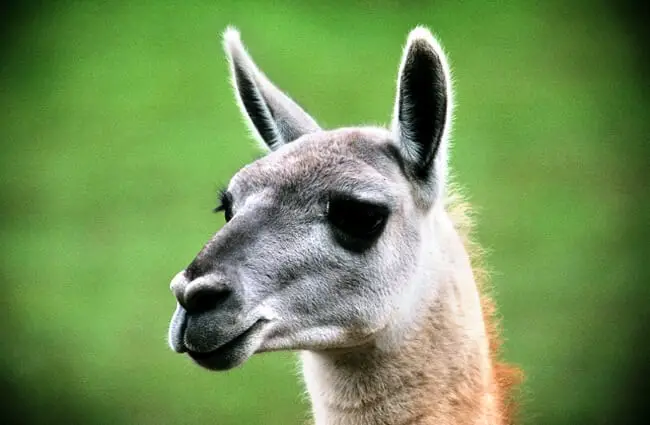
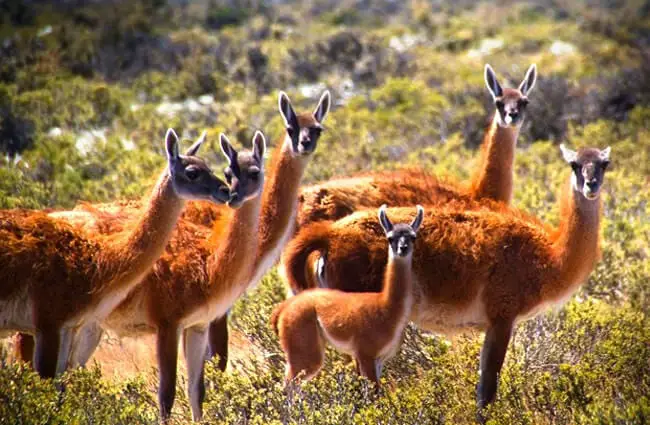
Guanacos are relatively large camelids, standing between 3.5 and 4.5 feet tall at the shoulder and weighing between 220 and 300 pounds. Their most distinctive feature is their coat. It’s a rich reddish brown on the back and sides, contrasting sharply with white underparts. This coloration provides camouflage within the varied South American terrain. They possess a dense undercoat offering insulation against the cold, high altitude environments they often inhabit. Guanacos have long, slender legs and a relatively small head with large, expressive eyes.
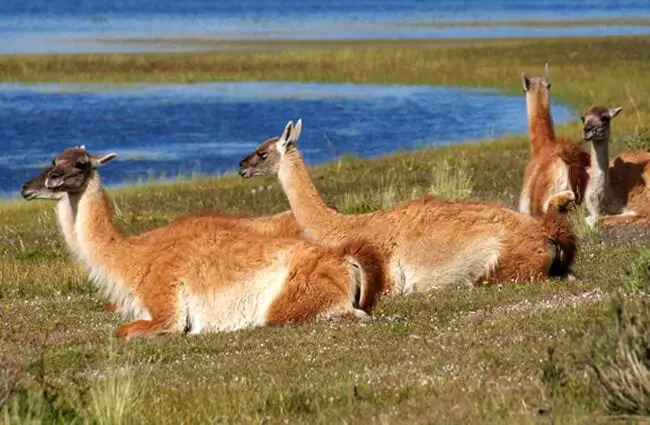
These animals are masters of adaptation, thriving in a remarkable range of habitats. They are found in the Andes mountains, from sea level to elevations exceeding 13,000 feet, and extending across the Patagonian steppe, the dry deserts of Peru, and even parts of Bolivia and Argentina. They prefer open grasslands, shrublands, and semi desert environments, where they can exploit available vegetation and maintain good visibility for predator detection.
II. Evolutionary History
The evolutionary story of the guanaco is a journey through millions of years. Camelids originated in North America during the Eocene epoch. Over time, they migrated south, with ancestral forms eventually establishing themselves in South America. The guanaco is believed to be one of the wild ancestors of the domesticated llama and alpaca. Genetic studies support the idea that these domesticated species were selectively bred from guanaco populations thousands of years ago by pre Columbian cultures.
Interestingly, some camelid lineages also migrated back to North America, eventually giving rise to the modern day camel. This transcontinental journey highlights the remarkable adaptability and resilience of this animal family. The guanaco represents a crucial link in understanding the evolution of camelids and the complex interactions between humans and animals over millennia.
III. Diet & Feeding Behavior
Guanacos are herbivores, with a diet primarily consisting of grasses, shrubs, and other low growing vegetation. They are selective feeders, choosing plants based on nutritional content and palatability. Their digestive system is well adapted to processing tough plant material, featuring a four chambered stomach. They are capable of extracting nutrients from even the most fibrous vegetation.
Water is crucial, and guanacos can travel significant distances to reach reliable water sources. However, they are also adept at obtaining moisture from the plants they consume. They are known to browse throughout the day, often feeding in the early morning and late afternoon to avoid the hottest hours. Their foraging behavior is influenced by seasonal changes in vegetation availability.
IV. Social Structure & Reproduction
Guanacos exhibit a complex social structure. They typically live in family groups consisting of a dominant male, several females, and their offspring. These groups occupy defined territories, which are defended against rival males. Bachelor males often form smaller groups or roam solitarily.
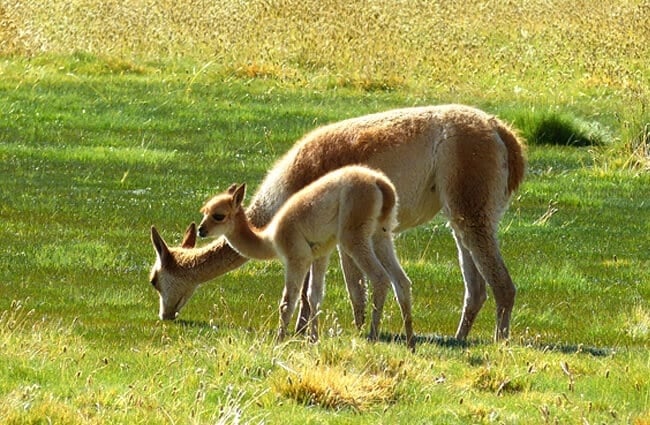
Breeding occurs during the autumn and winter months. Males compete for access to females through displays of dominance and occasional fights. Gestation lasts approximately 11 months, resulting in the birth of a single calf, usually in the spring. Calves are precocial, meaning they are relatively well developed at birth and can stand and walk within hours. They are nursed for approximately six to eight months.
V. Ecological Role & Interactions
Guanacos play a vital role in their ecosystems. As herbivores, they influence plant communities through grazing and browsing. Their movements also contribute to seed dispersal. They are prey for pumas and occasionally other large predators. This predator prey relationship helps regulate guanaco populations and maintain ecosystem balance.
They often coexist with other herbivore species, such as vicuñas, and compete for resources. However, they can also exhibit mutualistic relationships, such as alerting each other to the presence of predators. They are a keystone species in many of the ecosystems they inhabit, meaning their presence is crucial for maintaining biodiversity.
VI. Guanaco & Humans
The relationship between guanacos and humans stretches back thousands of years. Pre Columbian cultures in the Andes relied on guanacos for meat, wool, hides, and transportation. They were skillfully hunted, and their products were integral to the economy and culture of these societies. The domestication of the llama and alpaca further cemented the connection between humans and camelids.
However, the arrival of Europeans brought significant changes. Guanaco populations declined due to habitat loss, hunting, and competition with livestock. Today, guanacos are protected in many areas, and conservation efforts are underway to restore their populations. Ecotourism initiatives also provide economic benefits to local communities while promoting guanaco conservation.
VII. Encountering Guanacos in the Wild & Captive Care
If you are fortunate enough to encounter guanacos in the wild, observe them from a respectful distance. Avoid approaching them closely or attempting to feed them. Give them space to move freely and avoid disturbing their natural behavior. Be aware of your surroundings and the potential presence of predators.
For zookeepers and animal care professionals, providing appropriate care for guanacos requires a thorough understanding of their needs. They require spacious enclosures with varied terrain to allow for natural movement and grazing. A balanced diet consisting of hay, grasses, and supplemental feed is essential. Social interaction with other guanacos is crucial for their well-being. Regular veterinary care and monitoring of their health are also important. Avoid overfeeding and providing foods high in sugar or fat.
VIII. Fascinating Guanaco Facts
- Guanacos can run at speeds of up to 35 miles per hour.
- They have a unique method of marking their territory using dung piles.
- Guanacos can survive for extended periods without water.
- They communicate through a variety of vocalizations and body language.
- Their wool is highly prized for its softness and warmth.
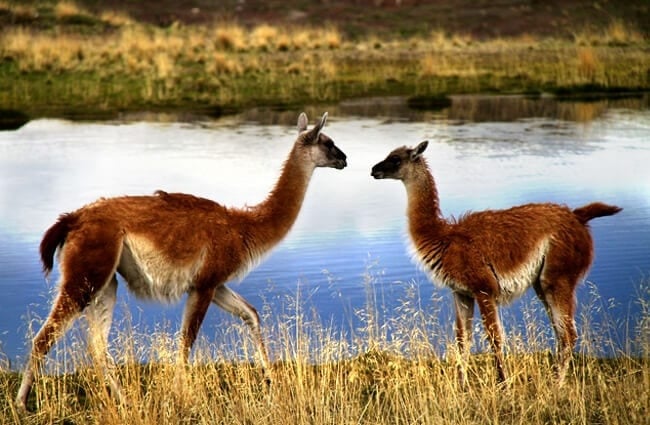
The guanaco stands as a testament to the beauty and resilience of South American wildlife. Understanding its history, behavior, and ecological role is crucial for ensuring its continued survival. By promoting conservation efforts and responsible tourism, we can help safeguard this iconic species for generations to come.
![Closeup of a beautiful Red Angus cowPhoto by: U.S. Department of Agriculture [pubic domain]https://creativecommons.org/licenses/by/2.0/](https://animals.net/wp-content/uploads/2020/03/Red-Angus-4-238x178.jpg "Red Angus")
![Closeup of a beautiful Red Angus cowPhoto by: U.S. Department of Agriculture [pubic domain]https://creativecommons.org/licenses/by/2.0/](https://animals.net/wp-content/uploads/2020/03/Red-Angus-4-100x75.jpg "Red Angus")