Ground squirrels are a captivating group of rodents found across diverse landscapes, from bustling grasslands to towering mountains. Often underestimated, these animals play a vital role in their ecosystems and exhibit surprisingly complex behaviors. This article delves into the world of ground squirrels, exploring their biology, behavior, ecological significance, and interactions with humans.
What are Ground Squirrels?
Ground squirrels, belonging to the family Sciuridae (which also includes tree squirrels, chipmunks, and marmots), are characterized by their burrowing lifestyle. Unlike their arboreal cousins, ground squirrels primarily reside in underground tunnel systems, offering protection from predators and the elements. There are numerous species of ground squirrels, each adapted to its specific environment. They vary in size, color, and habits, but all share a common ancestry and a penchant for digging.
Physical Characteristics
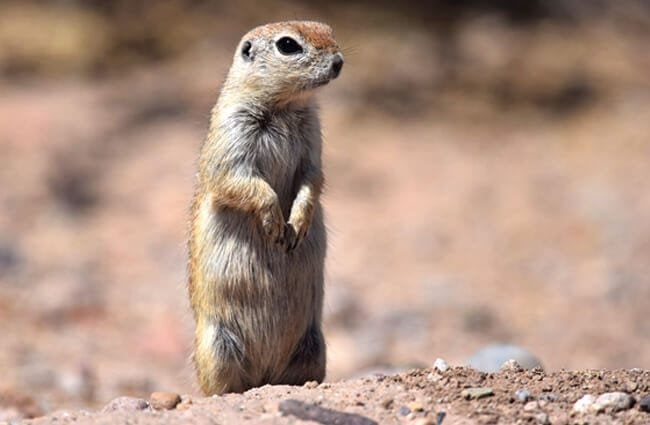
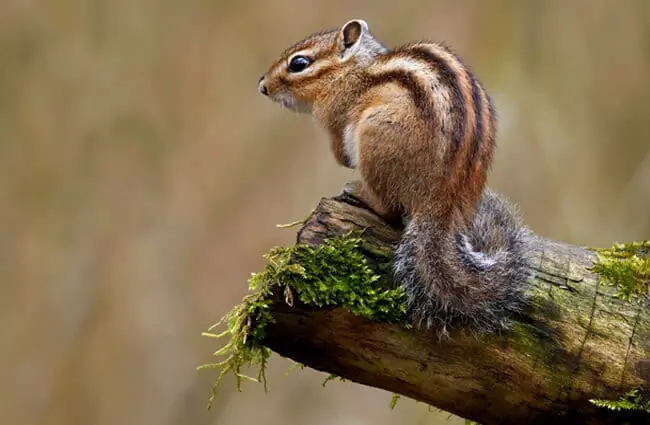
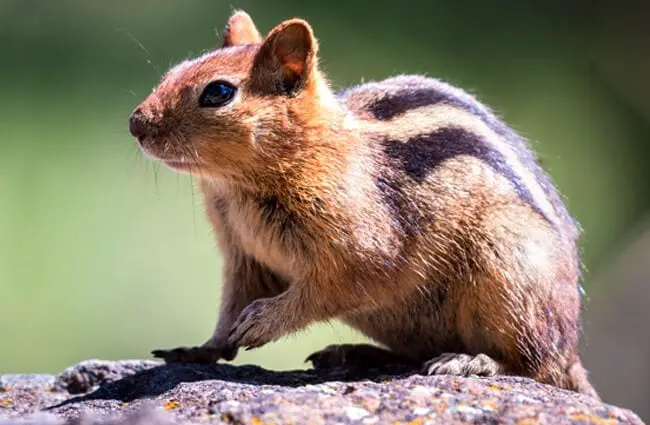
Most ground squirrels have a streamlined body, relatively short legs, and a bushy tail, though the tail length varies between species. Their coloration often blends with the surrounding environment, providing camouflage. They typically range in size from about 7 to 16 inches in total length, including the tail, and weigh between a few ounces to over three pounds, depending on the species and time of year. Their paws are well-suited for digging, with strong claws and robust muscles.
Habitat and Distribution
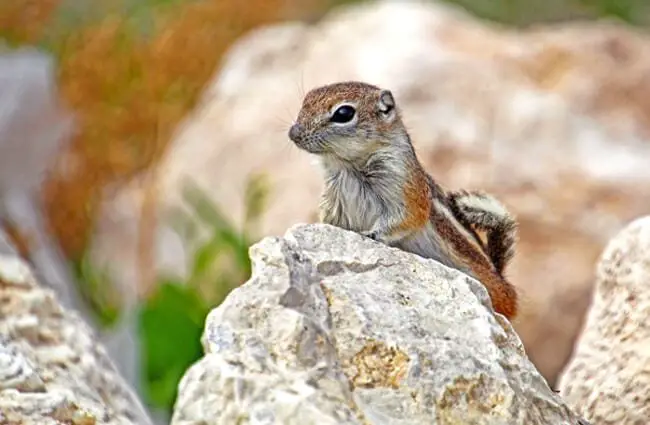
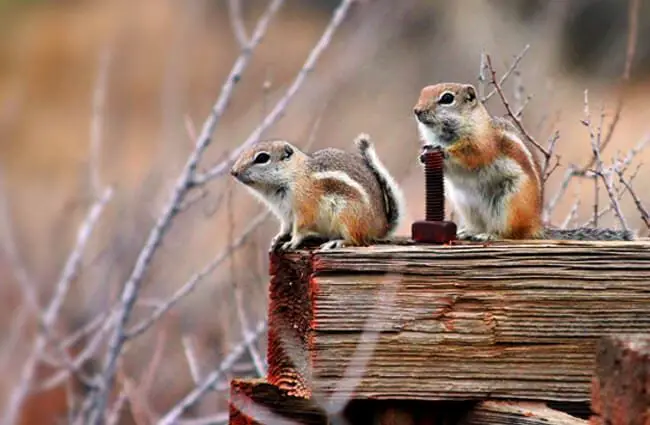
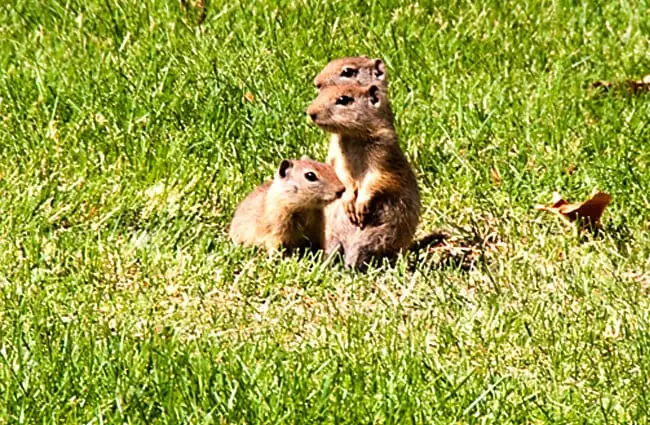
Ground squirrels are found across North America, Europe, and Asia. Their habitats are incredibly diverse, ranging from grasslands and deserts to forests and alpine meadows. The specific habitat depends on the species. For instance, the antelope ground squirrel thrives in arid desert environments, while Belding’s ground squirrel prefers meadows and grasslands. The availability of suitable burrowing sites and a reliable food source are key factors influencing their distribution.
Diet and Foraging Behavior
Ground squirrels are primarily herbivores, their diet consisting of seeds, nuts, fruits, roots, and occasionally insects or carrion. They are renowned for their caching behavior, storing large quantities of food in their burrows or scattered throughout their territory to sustain them through the winter months. This caching behavior isn’t just about survival; it also plays a significant role in seed dispersal and plant regeneration. They are opportunistic feeders, adapting their diet based on seasonal availability and local resources.
Caching Strategies
Different species employ varying caching strategies. Some create large, centralized caches within their burrows, while others scatter individual food items throughout their territory. This “scatter hoarding” is thought to reduce the risk of losing the entire food supply to theft or spoilage. Ground squirrels possess an impressive spatial memory, allowing them to remember the locations of thousands of cached food items.
Life Cycle and Reproduction
Ground squirrels typically breed once or twice a year, depending on the species and environmental conditions. The breeding season usually occurs in the spring. After a gestation period of around 23 to 30 days, females give birth to a litter of typically four to ten pups. The pups are born blind and helpless and are entirely dependent on their mother for care. They develop rapidly, emerging from the burrow after a few weeks and gradually learning to forage and fend for themselves.
Hibernation and Torpor
Many ground squirrel species hibernate during the winter months to conserve energy when food is scarce. However, hibernation isn’t a deep, continuous sleep. They periodically arouse from hibernation to feed on cached food and eliminate waste. Some species, like the Arctic ground squirrel, exhibit extreme physiological adaptations, reducing their body temperature to near freezing and entering prolonged periods of torpor.
Ecological Role and Interactions
Ground squirrels are integral to their ecosystems, playing multiple ecological roles. As herbivores, they influence plant communities through grazing and seed dispersal. Their burrowing activities aerate the soil and create habitats for other animals. They also serve as an important food source for predators, including hawks, eagles, coyotes, foxes, and snakes.
Communal Living and Alarm Calls
Some ground squirrel species exhibit communal living, with multiple individuals sharing a burrow system. This social behavior provides increased protection from predators and allows for cooperative vigilance. They communicate through a variety of vocalizations, including alarm calls, warning others of impending danger. These alarm calls are often specific to the type of predator, allowing individuals to respond appropriately.
Ground Squirrels and Humans
Interactions between ground squirrels and humans are often complex. In agricultural areas, they are sometimes considered pests, as they can damage crops and gardens. However, they also contribute to ecosystem services, such as seed dispersal and soil aeration. In some cultures, ground squirrels are considered a food source, while others view them as a nuisance.
Encounters in the Wild
If you encounter a ground squirrel in the wild, it is best to observe it from a distance. Avoid feeding them, as this can alter their natural foraging behavior and make them dependent on humans. Be mindful of their burrows and avoid disturbing them. If you have a garden, consider using physical barriers to protect your plants from damage.
Conservation Status and Threats
While many ground squirrel species are currently considered stable, some populations are facing threats from habitat loss, fragmentation, and climate change. Human development, agriculture, and logging can destroy or degrade their habitats, reducing their available resources. Climate change can alter their food supply and increase the risk of extreme weather events. Conservation efforts, such as habitat protection and restoration, are crucial to ensure the long-term survival of these fascinating animals.
Advanced Topics for Aspiring Zoologists
Evolutionary History
Ground squirrels, as members of the Sciuridae family, share a common ancestor with tree squirrels and marmots. Their evolutionary history is characterized by adaptations to a terrestrial, burrowing lifestyle. Fossil evidence suggests that the earliest ground squirrels emerged during the Oligocene epoch, approximately 30 million years ago. Studies of their genetic diversity are shedding light on their evolutionary relationships and patterns of adaptation.
Physiological Adaptations
Ground squirrels exhibit a range of remarkable physiological adaptations, including hibernation, torpor, and the ability to survive in harsh environments. Their metabolic rates, body temperature regulation, and immune function are all finely tuned to their ecological niche. Research into their physiological mechanisms could have implications for human health and medicine.
Captive Care Considerations
For zookeepers caring for ground squirrels, providing a stimulating and enriching environment is essential. This includes a spacious enclosure with plenty of digging substrate, opportunities for foraging, and social interaction with other individuals. A diet consisting of a variety of seeds, nuts, fruits, and vegetables should be provided. Regular veterinary checkups are crucial to monitor their health and prevent disease. Avoid overcrowding and provide ample space for burrow construction.
Ground squirrels, with their intricate behaviors, ecological importance, and fascinating adaptations, continue to captivate scientists and nature enthusiasts alike. Understanding their biology and ecology is vital for ensuring their conservation and preserving the biodiversity of our planet.
![Closeup of a beautiful Red Angus cowPhoto by: U.S. Department of Agriculture [pubic domain]https://creativecommons.org/licenses/by/2.0/](https://animals.net/wp-content/uploads/2020/03/Red-Angus-4-238x178.jpg "Red Angus")
![Closeup of a beautiful Red Angus cowPhoto by: U.S. Department of Agriculture [pubic domain]https://creativecommons.org/licenses/by/2.0/](https://animals.net/wp-content/uploads/2020/03/Red-Angus-4-100x75.jpg "Red Angus")