An Introduction to the Grass Snake
The Grass Snake, Natrix natrix, is a harmless snake found throughout Europe and parts of Asia. Often encountered near water, this reptile is a fascinating example of adaptation and ecological importance. This guide delves into the world of the Grass Snake, covering its biology, behavior, habitat, and role within the ecosystem. Whether you are a student, a nature enthusiast, or simply curious, this article provides a comprehensive look at this remarkable creature.
Basic Biology and Identification
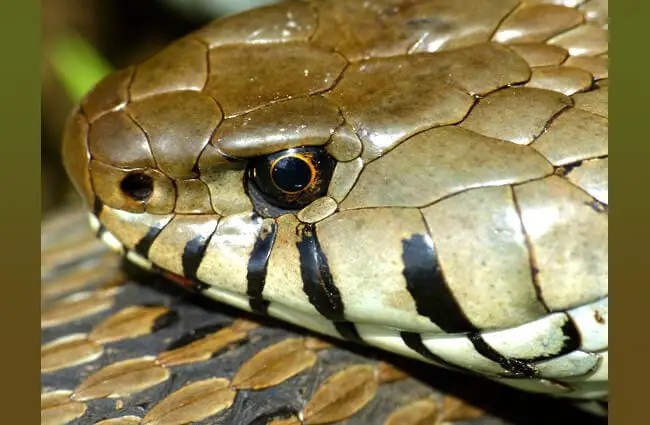
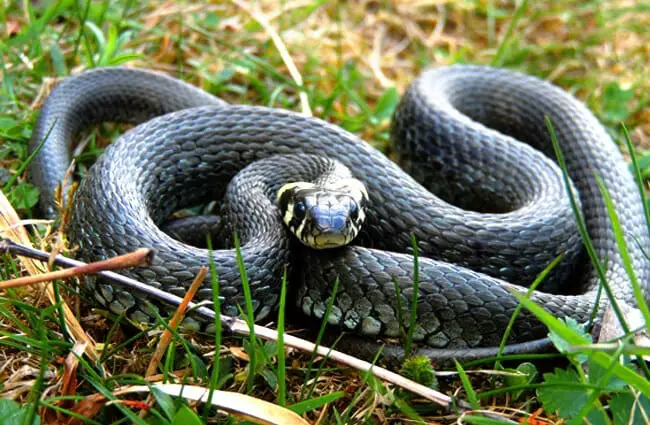
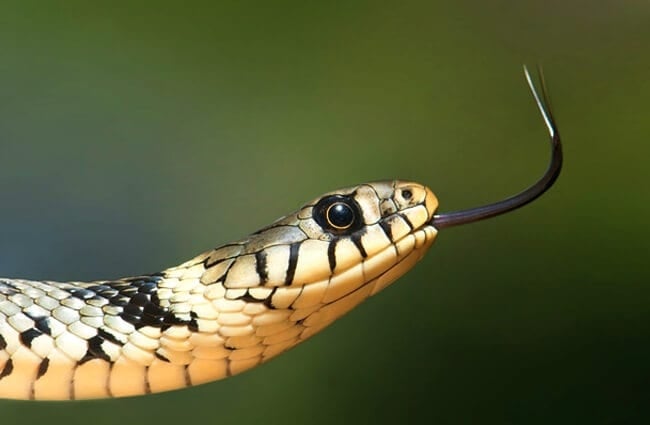
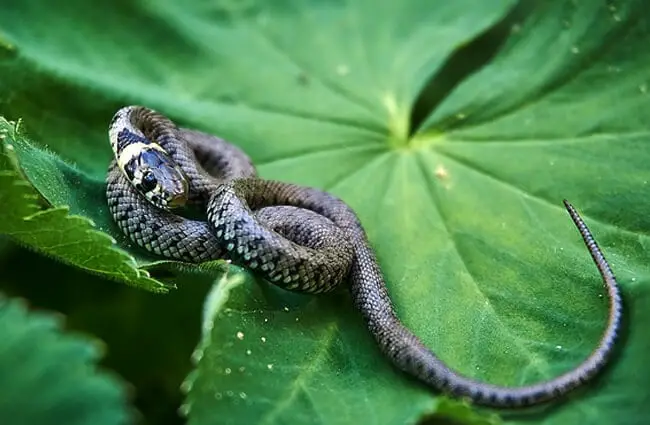
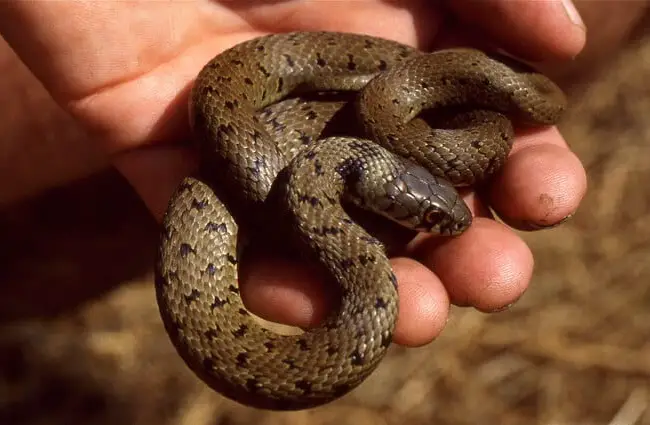
Grass Snakes are typically slender, with adults reaching lengths of 60 to 100 centimeters, though larger individuals have been recorded. Coloration is highly variable, ranging from grey and olive to brown, often with dark markings. A key identifying feature is the dark stripe running along the sides of the body, though this can be faint or absent in some individuals. They possess a distinctive yellowish or orange collar around the neck, though this feature can also be variable. Juveniles often display more vibrant patterns which fade with age. Their scales are smooth, giving them a sleek appearance.
Habitat and Distribution
As the name suggests, Grass Snakes are frequently found in grassy areas, but their habitat extends far beyond simple meadows. They thrive in a diverse range of environments including wetlands, marshes, ponds, lakeshores, riverbanks, and even gardens. The defining characteristic of their habitat is the presence of water, as they require moist environments for foraging and thermoregulation. They are widespread throughout Europe and extend eastward into western Asia. They can adapt to surprisingly varied climates, from the Mediterranean region to more temperate zones.
Finding Grass Snakes in the Wild
If you are hoping to observe Grass Snakes in their natural habitat, focus your search on areas with dense vegetation near water sources. Early mornings and late afternoons, when temperatures are milder, are the best times for sightings. Look carefully around piles of leaves, under rocks, and amongst reeds. Patience is key, as they are often well camouflaged. Remember to observe from a respectful distance and avoid disturbing their habitat.
Diet and Foraging Behavior
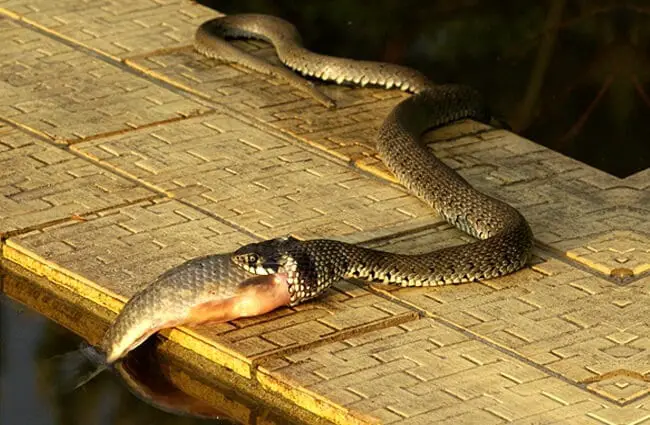
Grass Snakes are primarily piscivores, meaning their diet consists mainly of fish. They are skilled hunters, often lying in wait near the water’s edge, ambushing unsuspecting prey. However, their diet is not limited to fish. They will also consume amphibians like frogs and newts, as well as small mammals and birds on occasion. They swallow their prey whole, relying on powerful digestive enzymes to break it down.
Reproduction and Life Cycle
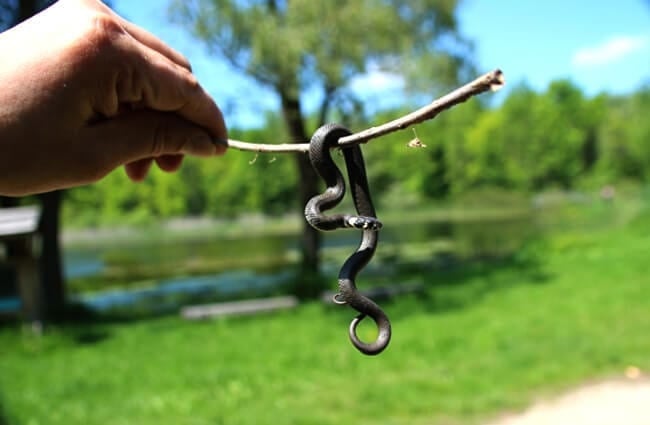
Grass Snakes are ovoviviparous, meaning they give birth to live young. Mating typically occurs in spring, with females giving birth to a litter of 10 to 30 offspring in warm, sheltered locations. These locations can include compost heaps, rotting vegetation, or under piles of leaves. Gestation lasts approximately 50 to 60 days, relying on external heat sources for development. Young are born in late summer or early autumn and are typically 15 to 20 centimeters long. They are precocial, meaning they are relatively independent from birth, but are still vulnerable to predation. Grass Snakes can live for 10 to 15 years in the wild.
Ecological Role and Interactions
Grass Snakes play a crucial role in maintaining the balance of their ecosystems. As predators, they help control populations of fish and amphibians. They themselves are prey for larger animals, including birds of prey, mammals like foxes and badgers, and other snakes. They contribute to nutrient cycling through their waste products and decomposition. Grass Snakes often coexist with other reptile species, such as slow worms and lizards, and compete with them for resources.
Grass Snakes and Humans
Grass Snakes are generally harmless to humans and pose no threat. They will only bite if severely provoked, and their bites are not venomous. In some areas, they are mistakenly killed due to fear or misunderstanding. However, they are legally protected in many countries, and efforts are underway to conserve their populations. They can be beneficial to gardeners, as they help control slug and snail populations. They have also featured in folklore and mythology throughout Europe, often associated with water and healing.
Encountering a Grass Snake: What to Do
If you encounter a Grass Snake, the best course of action is to leave it undisturbed. Observe it from a safe distance and allow it to continue its activities. Avoid handling it, as this can cause stress to the animal. If you need to move it from a potentially dangerous situation, gently encourage it to move on its own using a long stick or branch. Never attempt to kill or harm it.
Advanced Information for Aspiring Zoologists
The evolutionary history of Natrix natrix can be traced back to the Paleogene period. Phylogenetic studies suggest a close relationship with other Natrix species, with diversification occurring throughout the Pleistocene epoch. Genetic analysis reveals significant population structure across its range, with regional variations in morphology and behavior. Research into the thermal ecology of Grass Snakes has shown that they are ectothermic, relying on external sources of heat to regulate their body temperature. Studies on their foraging behavior have revealed complex hunting strategies and prey preferences. Further research is needed to understand the impact of climate change and habitat loss on Grass Snake populations.
Caring for Grass Snakes in Captivity
Keeping Grass Snakes in captivity requires a significant commitment and specialized knowledge. A large enclosure, at least 1.5 meters long, is essential, with a temperature gradient of 24 to 30 degrees Celsius. A water source, such as a large bowl or pond, is crucial, as they spend a significant amount of time soaking. The diet should consist of small fish, amphibians, and occasional rodents. UVB lighting is recommended to aid in vitamin D synthesis. Regular cleaning and maintenance of the enclosure are essential to prevent disease. Avoid overcrowding, as this can lead to stress and aggression. Enrichment activities, such as providing hiding places and climbing opportunities, are important to stimulate natural behaviors.
Fascinating Facts About Grass Snakes
- Grass snakes can enter a state of dormancy during winter, similar to hibernation.
- They are excellent swimmers and can remain submerged for extended periods.
- They often bask in the sun to raise their body temperature.
- Their scales contain specialized receptors that allow them to detect vibrations in the air and water.
- They can shed their skin several times a year, a process known as ecdysis.
The Grass Snake is a captivating creature, deserving of our respect and conservation efforts. By understanding its biology, behavior, and ecological role, we can ensure its survival for generations to come. Whether you encounter it in the wild or study it in the laboratory, the Grass Snake offers a fascinating glimpse into the wonders of the natural world.
![Closeup of a beautiful Red Angus cowPhoto by: U.S. Department of Agriculture [pubic domain]https://creativecommons.org/licenses/by/2.0/](https://animals.net/wp-content/uploads/2020/03/Red-Angus-4-238x178.jpg "Red Angus")



![Closeup of a beautiful Red Angus cowPhoto by: U.S. Department of Agriculture [pubic domain]https://creativecommons.org/licenses/by/2.0/](https://animals.net/wp-content/uploads/2020/03/Red-Angus-4-100x75.jpg "Red Angus")