Grackles. The name itself might conjure images of sleek, dark birds, often seen in large, noisy groups. But beyond the initial impression lies a fascinating world of adaptable behavior, complex social structures, and surprising intelligence. This comprehensive guide delves into the life history, ecological role, and cultural impact of these remarkable birds.
What are Grackles? A Broad Overview
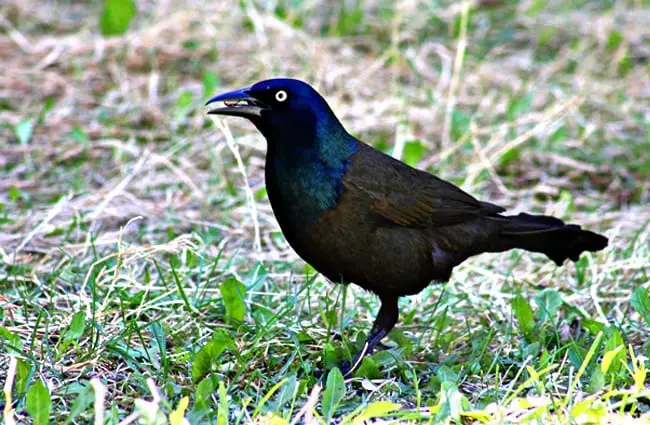
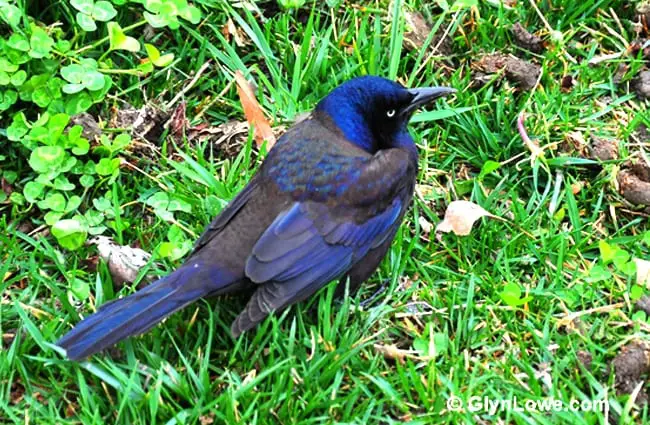
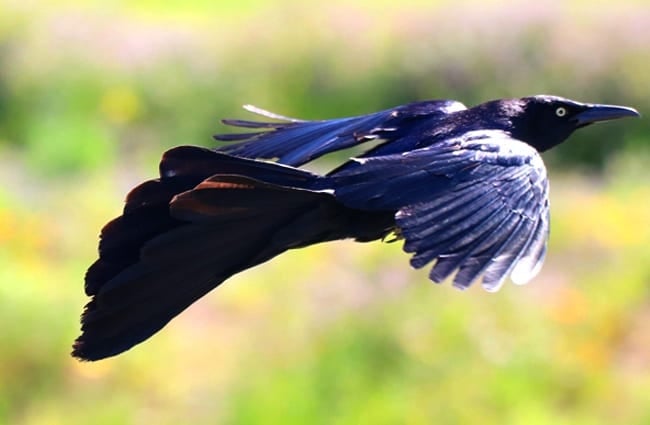
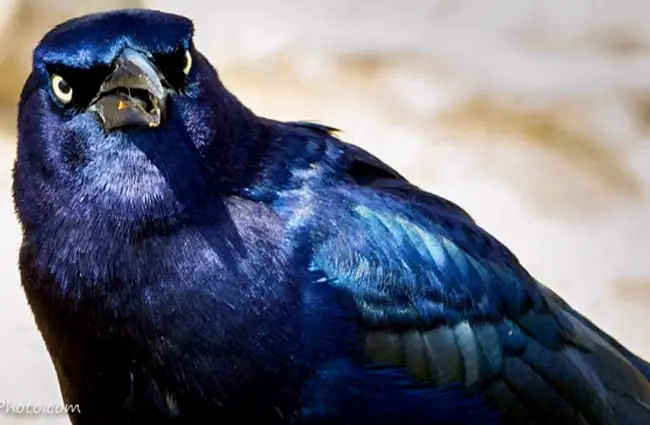
The term “grackle” does not refer to a single species but to a group of birds in the family Icteridae – the blackbirds and orioles. Several species are commonly called grackles, the most widespread being the Common Grackle (Quiscalus quiscula) and the Great-tailed Grackle (Quiscalus mexicanus). These birds are known for their iridescent plumage, often appearing black with a beautiful sheen of purple, blue, or green in the sunlight. They are medium-sized, generally ranging from 12 to 18 inches in length, and are easily recognized by their long tails and robust bills.
Species Spotlight
While many species fall under the “grackle” umbrella, understanding the key differences between the most common ones is helpful.
- Common Grackle: Found across much of North America, the Common Grackle exhibits a subtle iridescence and a shorter, less pointed tail. They are often seen in agricultural fields and suburban lawns.
- Great-tailed Grackle: A more southern species, the Great-tailed Grackle boasts a strikingly long tail, particularly in males. Their calls are often louder and more varied than those of the Common Grackle.
Habitat and Distribution
Grackles are highly adaptable birds, thriving in a diverse range of habitats. They are commonly found in wetlands, marshes, woodlands, agricultural fields, parks, and increasingly, suburban and urban areas. This adaptability is a key factor in their widespread distribution. The Common Grackle primarily occupies the eastern and central parts of North America, while the Great-tailed Grackle ranges from the southwestern United States through Central and South America.
Diet and Foraging Behavior
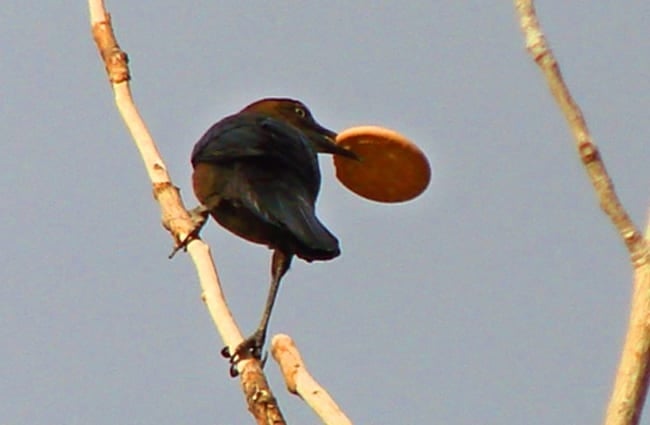
Grackles are omnivores, meaning they consume a wide variety of foods. Their diet includes insects, seeds, nuts, berries, small fish, eggs, nestlings, and even garbage. They are opportunistic feeders, often scavenging for food in urban areas. Their strong bills are well-suited for cracking seeds and nuts. Grackles forage both on the ground and in trees, and they often form large flocks, especially during the non-breeding season. This flocking behavior enhances their ability to find food and avoid predators.
Interestingly, grackles have demonstrated a remarkable ability to solve complex foraging puzzles, suggesting a level of cognitive ability rarely seen in birds.
Evolutionary History
The evolutionary history of grackles, like that of many bird families, is complex and still being unraveled. Icteridae, the family to which grackles belong, originated in South America and gradually spread northwards. Fossil evidence suggests that early icterids were likely small, seed-eating birds. Over time, different species within the family evolved to exploit a wider range of habitats and food sources. The diversification of grackles is thought to have been driven by factors such as climate change, competition with other species, and the availability of new resources. Genetic studies are helping scientists reconstruct the evolutionary relationships between different grackle species and understand the processes that have shaped their evolution.
Mating and Reproduction
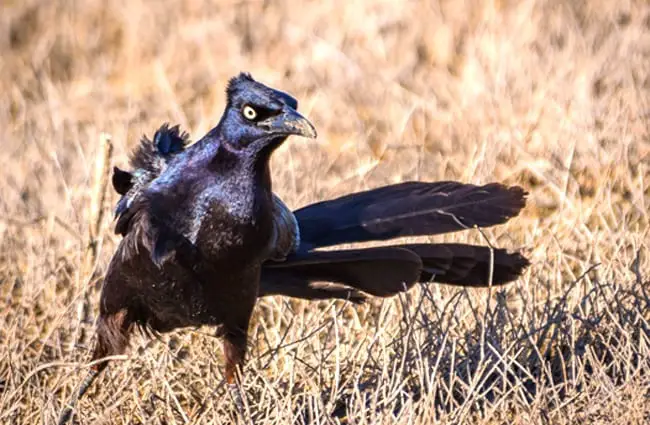
Grackles are generally monogamous, forming pair bonds that can last for multiple breeding seasons. The breeding season typically begins in the spring. Males attract females through elaborate displays, including vocalizations, strutting, and fanning their tails. They also defend territories against rival males. Grackles are cavity nesters, building their nests in holes in trees or buildings. They sometimes nest in shrubs or on the ground. The female lays three to seven eggs, which she incubates for about 12 to 14 days. Both parents participate in feeding the young, which fledge from the nest after about 21 to 28 days.
In some situations, several males gather in the same area to display and compete for the attention of females.
Ecological Role and Interactions with Other Animals
Grackles play an important role in their ecosystems. They help control insect populations, disperse seeds, and recycle nutrients. They are preyed upon by hawks, owls, and snakes. Grackles often interact with other bird species, sometimes competing for food or nesting sites. They are also known to engage in kleptoparasitism, stealing food from other birds. In some cases, grackles may benefit other species by alerting them to the presence of predators. Their flocking behavior can create opportunities for other birds to find food.
Grackles and Humans
Grackles have a complex relationship with humans. They are often considered pests due to their tendency to raid crops, scavenge in garbage cans, and create noise pollution. However, they also provide benefits, such as controlling insect populations and adding to the biodiversity of urban areas. Some people enjoy watching grackles, while others find them a nuisance. Conflicts between humans and grackles can be minimized through responsible waste management and the use of non-lethal deterrents.
Grackles also feature in some Native American cultures, often symbolizing intelligence, adaptability, and transformation.
Interesting Facts about Grackles
- Grackles can mimic the calls of other birds and even the sounds of human speech.
- They have a remarkable memory for faces, allowing them to recognize individuals who have threatened them in the past.
- Grackles engage in playful behavior, such as sliding down snowy roofs and playing with objects.
- They can live for up to 22 years in the wild.
- Large flocks of grackles can sometimes contain thousands of individuals.
For the Aspiring Zoologist
Current research on grackles focuses on their cognitive abilities, social behavior, and adaptation to urban environments. Scientists are particularly interested in understanding how grackles learn, communicate, and solve problems. Genetic studies also shed light on the evolutionary relationships between different grackle species. There is still much to learn about these fascinating birds, and opportunities for further research abound.
Encountering Grackles in the Wild
If you encounter a grackle in the wild, observe it from a distance and avoid disturbing its behavior. Do not attempt to feed or approach the bird. If you find a sick or injured grackle, contact a local wildlife rehabilitation center for assistance.
Caring for Grackles in Captivity
Caring for grackles in captivity requires providing a spacious enclosure with plenty of perches, branches, and vegetation. They should be fed a varied diet that includes seeds, insects, fruits, and vegetables. Grackles are social birds and should be housed with other individuals of their species. Regular enrichment activities are essential to stimulate their minds and prevent boredom. It is important to provide them with opportunities to engage in natural behaviors, such as foraging, preening, and vocalizing.
Grackles are truly remarkable birds – adaptable, intelligent, and full of personality. Whether you are a seasoned ornithologist or simply an admirer of wildlife, there is always something new to learn about these captivating creatures.
![Closeup of a beautiful Red Angus cowPhoto by: U.S. Department of Agriculture [pubic domain]https://creativecommons.org/licenses/by/2.0/](https://animals.net/wp-content/uploads/2020/03/Red-Angus-4-238x178.jpg "Red Angus")



![Closeup of a beautiful Red Angus cowPhoto by: U.S. Department of Agriculture [pubic domain]https://creativecommons.org/licenses/by/2.0/](https://animals.net/wp-content/uploads/2020/03/Red-Angus-4-100x75.jpg "Red Angus")