Dive into the vibrant, often mysterious, world of the Gourami, a family of fish that has captivated aquarists and scientists alike for centuries. Far more than just a pretty face in a fish tank, these fascinating creatures boast unique adaptations, complex behaviors, and a rich history that spans the murky waters of Southeast Asia to the bustling global pet trade. Prepare to uncover the secrets of these aquatic marvels, from their evolutionary journey to their intricate dance of life in the wild and in our homes.
Who Are the Gouramis? A Family Portrait
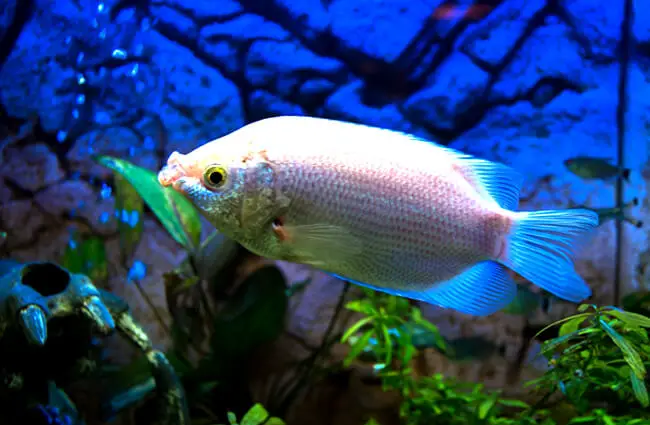
The term “Gourami” encompasses a diverse group of freshwater fish belonging primarily to the family Osphronemidae, though some related species are also often included under this umbrella. These fish are native to Asia, primarily Southeast Asia, and are renowned for their striking colors, unique body shapes, and particularly for a remarkable adaptation: the labyrinth organ.
Appearance and Size: From Dwarfs to Giants
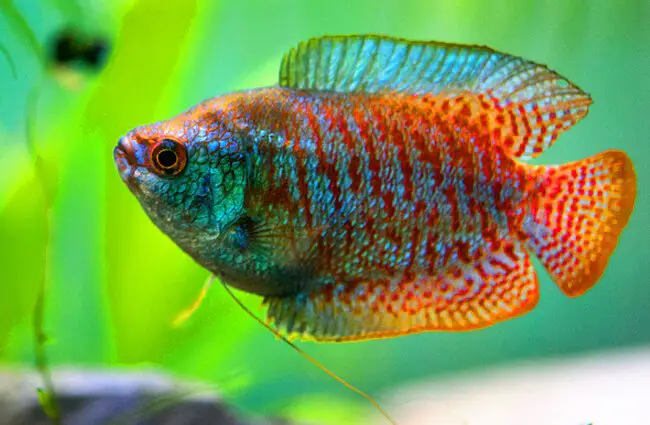
Gouramis exhibit an astonishing range in size and appearance. Some, like the Dwarf Gourami, are petite, growing only a few inches long and displaying iridescent blues, reds, and oranges. Others, such as the Giant Gourami, can reach impressive lengths of over two feet, becoming substantial food fish in their native regions. Many species feature elongated, thread-like pelvic fins that act as sensory organs, allowing them to ‘feel’ their way through murky waters and explore their surroundings. Their bodies are typically compressed laterally, giving them a somewhat flattened, disc-like profile.
The Labyrinth Organ: A Breath of Fresh Air
Perhaps the most defining characteristic of Gouramis, and indeed all members of the suborder Anabantoidei, is their specialized labyrinth organ. This unique respiratory accessory, located in a chamber above the gills, allows them to breathe atmospheric air directly from the surface. This adaptation is crucial for their survival in their natural habitats, which often include stagnant, oxygen-poor waters. Without this ability, many Gourami species would simply suffocate. This makes them incredibly resilient and fascinating subjects for study.
Where the Wild Gouramis Roam: Habitat and Distribution
If you’re an animal lover hoping to spot a Gourami in its natural environment, you’d need to pack your bags for Southeast Asia. These fish are predominantly found across a vast region spanning from Pakistan and India through Myanmar, Thailand, Malaysia, Indonesia, and even parts of China and Korea.
A Preference for Tranquil Waters
Gouramis thrive in slow-moving or still freshwater environments. Their preferred habitats include:
- Swamps and Marshes: Rich in vegetation and often low in dissolved oxygen.
- Ponds and Lakes: Calm, shallow bodies of water.
- Rice Paddies: Agricultural areas that mimic natural wetlands, providing ample food and shelter.
- Slow-Flowing Streams and Rivers: Particularly in areas with dense aquatic plant growth.
The presence of dense vegetation is key, offering both shelter from predators and a rich hunting ground for food. The labyrinth organ allows them to flourish in these often challenging conditions where other fish might struggle.
What’s on the Menu? The Gourami Diet
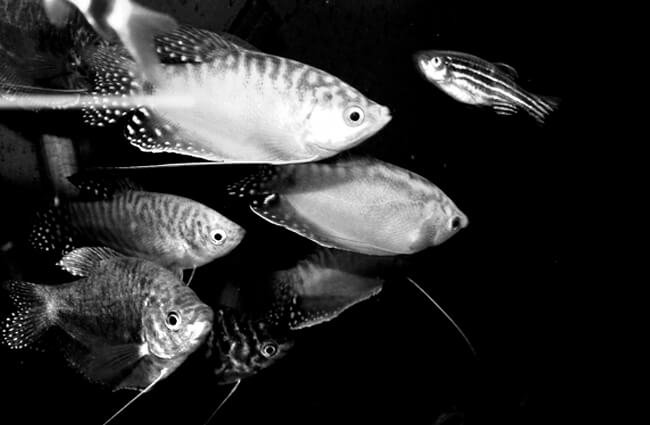
Gouramis are generally omnivores, displaying a flexible diet that allows them to adapt to various food sources available in their diverse habitats. This adaptability is another reason for their widespread success.
Wild Foraging Habits
In the wild, their diet typically consists of:
- Small Invertebrates: Insect larvae, small crustaceans, and other aquatic insects are a primary food source.
- Zooplankton: Microscopic animals floating in the water column.
- Algae and Plant Matter: They will graze on various forms of aquatic vegetation.
- Detritus: Decaying organic matter, which provides essential nutrients.
Their sensory pelvic fins can be particularly useful in locating food in murky waters.
Captive Care: Feeding Your Gourami
For zookeepers or aquarists, providing a balanced diet is crucial. A good captive diet should include:
- High-Quality Flake or Pellet Food: Formulated for omnivorous tropical fish.
- Live or Frozen Foods: Brine shrimp, bloodworms, daphnia, and mosquito larvae are excellent supplements, mimicking their natural diet and providing enrichment.
- Vegetable Matter: Blanched spinach, spirulina flakes, or specialized veggie wafers can be offered.
Overfeeding should be avoided, as it can lead to water quality issues and health problems for the fish.
The Dance of Life: Mating and Reproduction
Gourami reproduction is a fascinating spectacle, with many species exhibiting elaborate courtship rituals and parental care. Most Gouramis are “bubble nesters,” a behavior that truly sets them apart.
Bubble Nests: A Floating Nursery
- Nest Construction: The male Gourami typically initiates nest building. Using mucus from his mouth and air gulped from the surface, he creates a raft of bubbles, often anchored to floating vegetation. This nest can range from a simple cluster to an elaborate, multi-layered structure.
- Courtship: Once the nest is ready, the male displays vibrant colors and performs a courtship dance to entice a female. This often involves flaring fins and circling.
- Spawning Embrace: If the female accepts, they engage in a unique “embrace” where the male wraps his body around hers, gently squeezing out eggs while simultaneously fertilizing them.
- Egg Collection and Placement: The eggs, being lighter than water, float upwards into the bubble nest. The male diligently collects any stray eggs and places them carefully within the nest.
- Parental Care: The male Gourami then takes on the primary role of guarding the nest, fanning the eggs, and repairing any damage. He will aggressively defend the nest from intruders, including the female, who is often removed from the breeding tank after spawning to prevent her from being harassed.
- Hatching and Fry Care: After a few days, the eggs hatch into tiny fry. The male continues to guard them until they are free-swimming and able to fend for themselves, at which point his parental duties conclude.
This intricate process highlights the complex behavioral ecology of these fish and is a testament to their evolutionary success in challenging environments.
Gouramis in the Grand Scheme: Ecosystem Contributions
In their native ecosystems, Gouramis play several vital roles, contributing to the delicate balance of their aquatic communities.
Predator and Prey
- Predators: Smaller Gourami species, and the juveniles of larger ones, feed on a variety of small invertebrates, including mosquito larvae. This helps to control insect populations, which can have significant ecological and even human health benefits (e.g., reducing mosquito-borne diseases).
- Prey: Gouramis themselves serve as a food source for larger predatory fish, birds, snakes, and other aquatic animals. They are an integral part of the food web.
Habitat Modifiers
While not as dramatic as some other species, their foraging habits can contribute to the turnover of nutrients in their habitats, and their presence can indicate the health of certain freshwater systems.
Gouramis and Humanity: A Complex Relationship
The interaction between Gouramis and humans is multifaceted, ranging from culinary delight to cherished pets and even ecological concerns.
A Culinary Delicacy
In many parts of Southeast Asia, larger Gourami species, particularly the Giant Gourami (Osphronemus goramy), are highly valued as a food fish. They are farmed extensively and are a significant source of protein for local populations. Their firm, white flesh is considered a delicacy and is prepared in various traditional dishes.
The Aquarium Trade: Jewels of the Tank
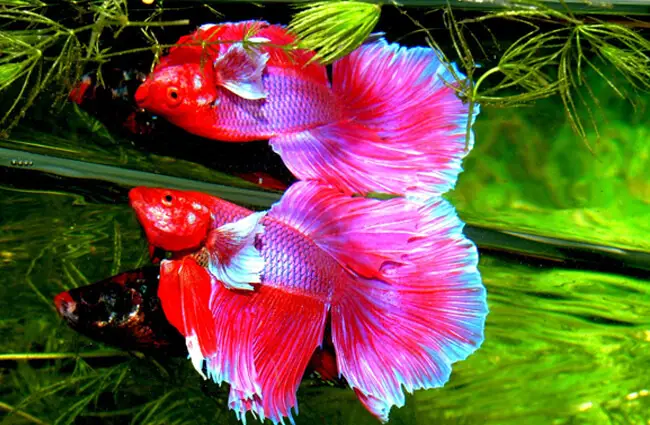
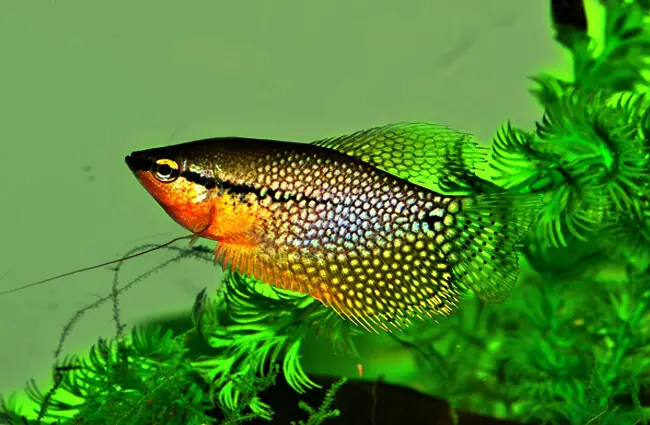
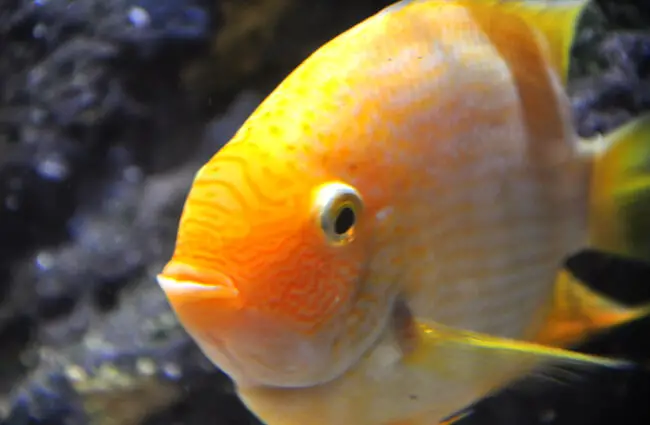
Gouramis are immensely popular in the aquarium hobby worldwide. Their vibrant colors, peaceful demeanor (though some species can be territorial), and fascinating behaviors make them a favorite among aquarists. Species like the Pearl Gourami, Dwarf Gourami, Honey Gourami, and the Kissing Gourami are commonly found in pet stores. Even the iconic Betta fish (Siamese Fighting Fish) is a member of the Gourami family, celebrated for its stunning fins and vibrant hues.
Ecological Concerns: Invasive Species
While generally beneficial in their native range, some Gourami species have been introduced to non-native environments, sometimes inadvertently through the aquarium trade or intentionally for aquaculture. In certain cases, they can become invasive, outcompeting native species for resources or altering local ecosystems. Responsible pet ownership, including never releasing aquarium fish into the wild, is crucial to prevent such ecological disruptions.
Interesting Facts and Unique Behaviors
Beyond their basic biology, Gouramis offer a treasure trove of captivating behaviors and unique traits:
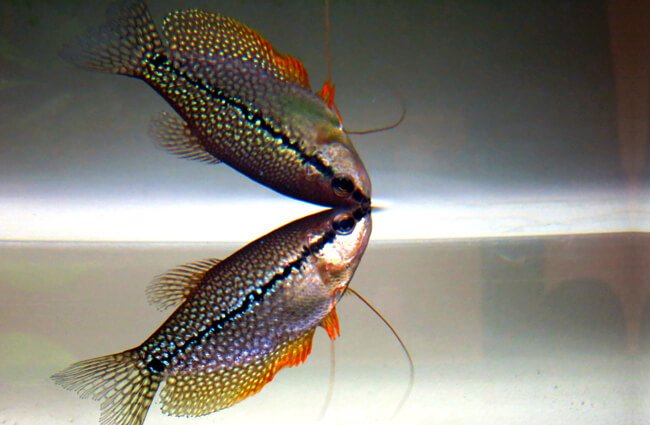
- The Kissing Gourami: This species (Helostoma temminckii) is famous for its peculiar “kissing” behavior. While it looks affectionate, it’s actually a form of sparring between individuals, often males, to establish dominance or territory.
- Betta Fish Connection: Many people are surprised to learn that the popular Betta fish (Betta splendens) is a type of Gourami. It shares the labyrinth organ and bubble-nesting behavior with its Gourami cousins.
- “Walking” Fish: While not true walkers, some Gourami species, particularly the Climbing Perch (a related labyrinth fish), can use their strong pectoral fins to “walk” short distances over land to find new water sources, especially during droughts.
- Longevity: With proper care, many Gourami species can live for several years in captivity, with some larger species reaching over a decade.
- Color Changes: Gouramis can often change the intensity of their colors based on their mood, health, or during breeding displays.
Caring for Gouramis: A Zookeeper’s Guide
For those caring for Gouramis in a captive environment, be it a public aquarium or a home tank, understanding their specific needs is paramount to their well-being.
Habitat Requirements
- Tank Size: Varies greatly by species. Dwarf Gouramis might be happy in a 10-gallon tank, while a Giant Gourami requires hundreds of gallons. Always research the specific species.
- Water Parameters: Generally prefer soft to moderately hard water with a slightly acidic to neutral pH (6.0-7.5). Temperature should be tropical, typically 75-82°F (24-28°C). Consistent water quality is vital, requiring regular water changes and good filtration.
- Aquascape: Mimic their natural habitat with dense planting (live or artificial), floating plants, and driftwood or rocks to provide hiding spots and break up lines of sight. This is especially important for territorial species.
- Water Surface Access: Ensure there is unobstructed access to the water surface for them to gulp air, as their labyrinth organ requires it.
Social Behavior and Tank Mates
- Temperament: Many Gouramis are peaceful, but some, especially males of certain species (like Dwarf Gouramis or Bettas), can be territorial and aggressive towards conspecifics or similar-looking fish.
- Compatibility: Choose tank mates carefully. Avoid fin-nippers or overly boisterous fish that might stress Gouramis. Good tank mates include peaceful tetras, rasboras, corydoras, and other docile community fish.
- Breeding Considerations: If breeding, a separate breeding tank is often recommended, especially for bubble nesters, to protect the female and fry from the male’s post-spawning aggression.
Tasks and Avoidances for Zookeepers
Tasks:
- Regular water quality testing and maintenance.
- Provide a varied, high-quality diet.
- Observe fish daily for signs of stress, disease, or aggression.
- Ensure adequate hiding spots and appropriate tank decor.
- Monitor breeding behavior and provide appropriate conditions if breeding is desired.
Avoidances:
- Do not overcrowd the tank.
- Avoid sudden changes in water parameters.
- Do not house incompatible species together.
- Never release captive Gouramis into local waterways.
- Do not neglect the need for surface access for air breathing.
Encountering Gouramis in the Wild: What to Do
For a hiker or nature enthusiast lucky enough to encounter a Gourami in its natural habitat, the best course of action is simple: observe and appreciate from a distance.
- Observe: Watch their natural behaviors, such as gulping air at the surface or foraging among plants.
- Do Not Disturb: Avoid touching the fish or their environment. Disturbing their habitat can stress them and disrupt their natural routines.
- Respect the Environment: Ensure you leave no trace, helping to preserve these beautiful ecosystems for future generations and the Gouramis that call them home.
Conclusion: The Enduring Appeal of the Gourami
From the murky depths of Southeast Asian swamps to the shimmering glass of home aquariums, Gouramis continue to fascinate with their unique adaptations, diverse beauty, and complex behaviors. They serve as a powerful reminder of the incredible biodiversity our planet holds and the intricate ways life adapts to survive. Whether you are a student researching their evolutionary history, an aspiring zoologist studying their social dynamics, or an animal lover simply admiring their grace, the world of Gouramis offers endless opportunities for discovery and wonder. Their story is a testament to the resilience and ingenuity of nature, a story well worth telling and preserving.
![Closeup of a beautiful Red Angus cowPhoto by: U.S. Department of Agriculture [pubic domain]https://creativecommons.org/licenses/by/2.0/](https://animals.net/wp-content/uploads/2020/03/Red-Angus-4-238x178.jpg "Red Angus")

![Closeup of a beautiful Red Angus cowPhoto by: U.S. Department of Agriculture [pubic domain]https://creativecommons.org/licenses/by/2.0/](https://animals.net/wp-content/uploads/2020/03/Red-Angus-4-100x75.jpg "Red Angus")