Gorillas, the largest living primates, evoke a sense of awe and mystery. These magnificent creatures are not simply imposing in stature, but also exhibit complex social behaviors, intelligence, and a crucial role within their rainforest ecosystems. Understanding gorillas requires delving into their history, habits, and the challenges they face in a rapidly changing world.
The World of Gorillas
There are two species of gorillas: the Western Gorilla (Gorilla gorilla) and the Eastern Gorilla (Gorilla beringei). Each species further divides into subspecies. The Western Gorilla includes the Western Lowland Gorilla and the Cross River Gorilla, while the Eastern Gorilla encompasses the Mountain Gorilla and the Grauer’s Gorilla (also known as the Eastern Lowland Gorilla). These distinctions aren’t merely taxonomic; they reflect differences in habitat, diet, and even social structure.
Habitat and Distribution
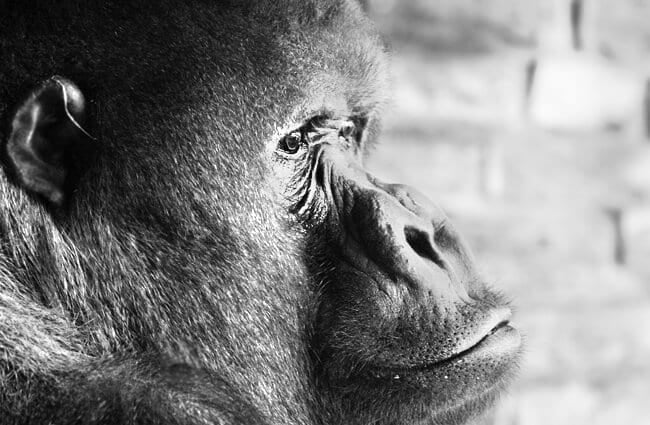
Gorillas are exclusively African. Western Gorillas inhabit the dense rainforests of Central Africa, including countries like Cameroon, Gabon, Congo, and Equatorial Guinea. Their habitat is characterized by high rainfall, dense vegetation, and relatively flat terrain. Eastern Gorillas, on the other hand, live in the mountainous forests of the Democratic Republic of the Congo, Rwanda, and Uganda. The Mountain Gorilla, a subspecies of the Eastern Gorilla, is particularly adapted to higher altitudes, enduring colder temperatures and rugged terrain. The specific range of each subspecies is shrinking due to habitat loss and poaching.
Physical Characteristics
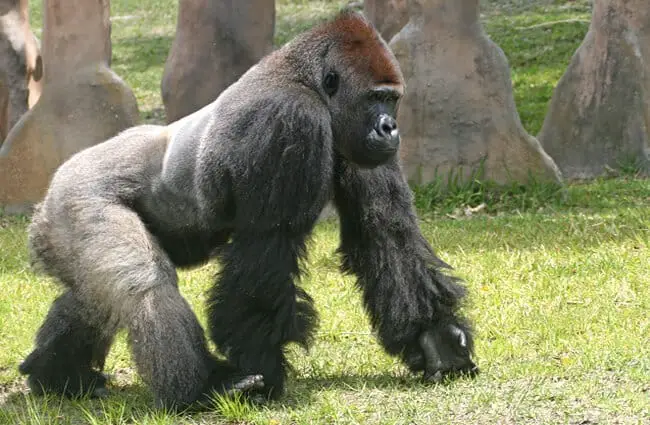
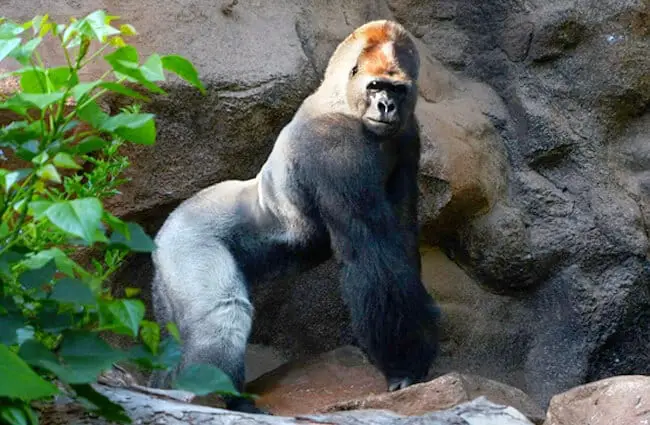
Gorillas are powerfully built, with adult males (silverbacks) reaching heights of 5.5 to 6 feet and weighing between 300 to 500 pounds, and sometimes even more. Females are typically smaller, averaging around 4 to 5 feet tall and weighing 150 to 200 pounds. The “silverback” designation comes from the distinctive silver hair that develops on the backs of mature males, signifying dominance and reproductive maturity. Their arms are longer than their legs, well‑suited for knuckle‑walking, a primary mode of locomotion. Gorillas possess strong jaws and teeth adapted for consuming tough vegetation.
Evolutionary History
The evolutionary history of gorillas is a complex story rooted in the African hominoid lineage. The earliest ancestors of gorillas likely emerged during the Miocene epoch, around 6 to 8 million years ago. Over millions of years, the gorilla lineage diverged from other hominoids, such as chimpanzees and humans. Fossil evidence is limited, but it suggests that early gorillas were smaller and more arboreal than their modern counterparts. The gradual shift toward terrestrial life and a diet rich in fibrous vegetation likely drove the evolution of their powerful build and specialized digestive systems.
Diet and Feeding Habits
Gorillas are primarily herbivores, with their diet consisting of leaves, stems, shoots, fruits, and occasionally insects. Western Lowland Gorillas consume a wider variety of fruits, while Mountain Gorillas rely more heavily on vegetation. They are selective feeders, carefully choosing plants with high nutritional value and low toxicity. A significant portion of their day is dedicated to foraging and feeding, as their diet is relatively low in calories. They also drink water from streams and collect dew from leaves.
Social Structure and Behavior
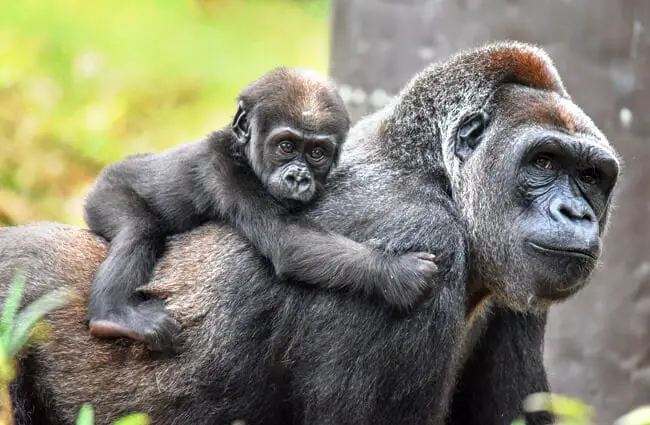
Gorillas live in stable social groups called troops, typically led by a dominant silverback male. The silverback is responsible for protecting the troop, mediating conflicts, and making important decisions. Troops can range in size from a few individuals to over 30, and often include multiple females and their offspring. Female gorillas form strong bonds with their offspring, providing extensive maternal care. Young gorillas learn essential survival skills by observing and imitating their mothers and other troop members. Communication occurs through a variety of vocalizations, facial expressions, and body postures. Displays of dominance, such as chest‑beating and vocal roaring, are used to establish and maintain social order.
Reproduction and Life Cycle
Female gorillas reach sexual maturity around 8 to 10 years of age. They typically give birth to a single infant after a gestation period of approximately 8.5 months. Infants are highly dependent on their mothers for the first several years of life, relying on them for food, protection, and transportation. The interbirth interval is typically 4 to 6 years, allowing the mother to adequately care for her offspring. Gorillas have relatively slow reproductive rates, making them particularly vulnerable to population decline. Lifespans in the wild can reach 35 to 40 years, while gorillas in captivity may live even longer.
Ecological Role
Gorillas play a vital role in their rainforest ecosystems. As large herbivores, they influence vegetation patterns through browsing and seed dispersal. Their foraging activities create gaps in the forest canopy, allowing sunlight to reach the forest floor and promoting plant growth. They also contribute to nutrient cycling through their feces. By consuming fruits and seeds, they help to disperse plant species throughout the forest. Their presence supports a variety of other species, including insects, birds, and mammals.
Gorillas and Humans
The relationship between gorillas and humans has been complex and often fraught with conflict. Habitat loss due to deforestation, agriculture, and mining poses the most significant threat to gorilla populations. Poaching for bushmeat and the illegal pet trade further exacerbates the problem. Efforts to conserve gorillas involve protecting their habitat, combating poaching, promoting sustainable development, and educating local communities about the importance of gorilla conservation. Eco‑tourism can also provide economic incentives for conservation, but it must be carefully managed to minimize its impact on gorilla behavior and habitat.
Interesting Facts
- Gorillas share approximately 98% of their DNA with humans.
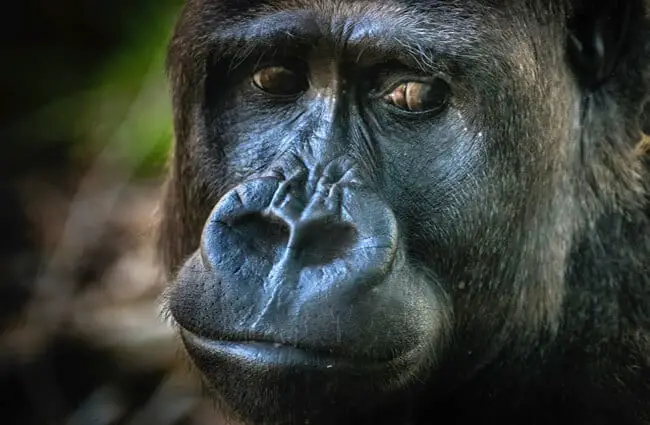
- Each gorilla has a unique nose print, similar to human fingerprints.
- Gorillas can use tools, such as sticks, to obtain food or test water depth.
- Western Lowland Gorillas are known for building nests on the ground, while Mountain Gorillas often build them in trees.
- Gorilla infants are entirely dependent on their mothers for the first three to four years of life.
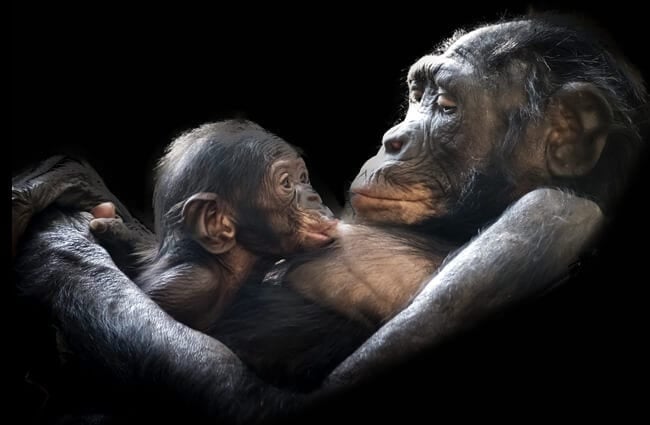
Encountering Gorillas in the Wild: A Guide
If you are fortunate enough to travel to a region inhabited by gorillas, responsible eco‑tourism is the best way to observe them. Always follow the guidance of experienced guides and adhere to park regulations. Maintain a safe distance from gorillas (at least 7 meters), avoid direct eye contact, and remain quiet and respectful. Never attempt to feed or approach gorillas. If a gorilla approaches you, slowly move away and allow it to pass.
Caring for Gorillas in Captivity
Zookeepers caring for gorillas must provide a stimulating and enriching environment that meets their complex physical and psychological needs. This includes providing ample space for movement, opportunities for social interaction, and a variety of foraging opportunities. A balanced diet, regular veterinary care, and enrichment activities are also essential. It’s crucial to minimize stress and provide gorillas with choices and control over their environment. Avoid prolonged direct eye contact, as this can be perceived as a threat. Prioritize positive reinforcement training to encourage desired behaviors.
Gorillas are truly remarkable creatures, and their future depends on our commitment to conservation. By understanding their biology, behavior, and ecological role, we can work to ensure that these magnificent primates continue to thrive in the wild for generations to come.
![Closeup of a beautiful Red Angus cowPhoto by: U.S. Department of Agriculture [pubic domain]https://creativecommons.org/licenses/by/2.0/](https://animals.net/wp-content/uploads/2020/03/Red-Angus-4-238x178.jpg "Red Angus")


![Closeup of a beautiful Red Angus cowPhoto by: U.S. Department of Agriculture [pubic domain]https://creativecommons.org/licenses/by/2.0/](https://animals.net/wp-content/uploads/2020/03/Red-Angus-4-100x75.jpg "Red Angus")