The Wonderful World of Geese
Geese, those charismatic birds often seen gracefully gliding across lakes or leading V‑shaped formations in the sky, are far more complex and fascinating than many realize. From their ancient lineage to their crucial role in ecosystems and even human culture, geese deserve a closer look. This guide dives into the lives of these remarkable creatures, offering a comprehensive exploration for enthusiasts, students, and anyone curious about the world around them.
What is a Goose?
Geese are large waterfowl belonging to the family Anatidae, which also includes ducks and swans. They are generally larger and more robust than ducks, with longer necks and legs. More than 20 species of geese are found worldwide, varying in size, color, and habitat. They are characterized by their strong family bonds, impressive migratory journeys, and sometimes a temperamental attitude.
Geese Habitats: Where Do They Live?
Geese are remarkably adaptable, inhabiting a wide range of environments. While commonly associated with wetlands, they can also be found in grasslands, agricultural fields, and urban parks. Their distribution spans North America, Europe, Asia, and parts of Australia. 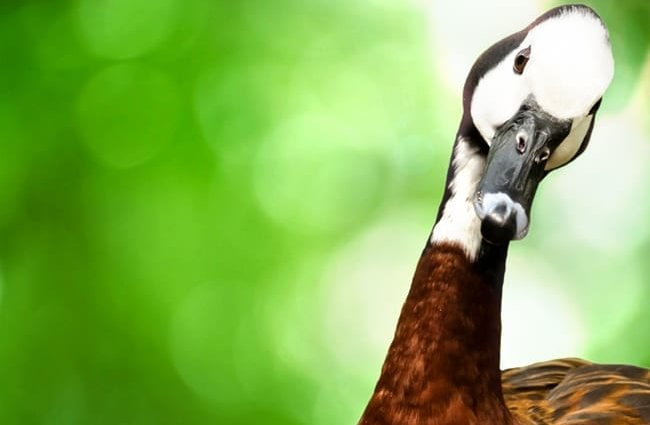
Many species are migratory, breeding in northern regions during the summer and wintering in warmer climates. The availability of water and suitable foraging grounds are the primary factors influencing their habitat selection. For those seeking to observe geese in the wild, look for large bodies of water surrounded by open grasslands or agricultural land.
A History of Goose Evolution
Ancient Origins
The evolutionary history of geese traces back millions of years. Fossil records suggest that the ancestors of modern geese were among the earliest waterfowl, appearing during the Paleocene epoch. These early birds were less specialized than their modern counterparts, gradually evolving the characteristics we associate with geese today—larger size, longer necks, and a preference for terrestrial foraging. Over time, different species diverged, adapting to specific environments and ecological niches.
Adaptive Radiation
The Anatidae family, including geese, underwent a period of adaptive radiation, rapidly diversifying into numerous forms. This diversification was driven by climate change, the availability of new habitats, and competition for resources. As different populations of geese became isolated, they evolved unique characteristics that allowed them to thrive in their respective environments. The result is the diverse range of goose species we see today.
Geese Diet: What Do They Eat?
Geese are primarily herbivores, though they occasionally consume small invertebrates. Their diet varies depending on the season and the availability of food. During the breeding season, they feed on lush vegetation such as grasses, sedges, and aquatic plants. In winter, when vegetation is scarce, they may switch to grains, seeds, and berries. Geese also graze on agricultural crops, which can sometimes lead to conflicts with farmers. Their broad, flat bills allow them to efficiently graze on vegetation. They often forage in flocks, which lets them cover more ground and locate food more effectively.
Mating and Reproduction
Pair Bonding
Geese are known for their strong pair bonds, often mating for life. These bonds form during the breeding season, and the pairs work together to build a nest and raise their young. Nests are typically constructed on the ground near water and are made of vegetation, feathers, and other soft materials.
Raising Goslings
The female goose lays a clutch of eggs, usually between two and eight depending on the species. The eggs are incubated by the female for about 28 to 35 days. Once the goslings hatch, both parents participate in caring for them. Goslings are precocial, meaning they are relatively mature at birth and can walk and feed themselves shortly after hatching. Parents protect their goslings from predators and guide them to foraging grounds. Goslings remain with their parents for several months, learning essential survival skills before becoming independent.
Geese and the Ecosystem
Geese play a significant role in maintaining the health of ecosystems. Their grazing habits shape vegetation patterns and promote biodiversity. By consuming plants, they prevent certain species from becoming dominant and allow other plants to thrive. Their droppings act as a natural fertilizer, enriching soil and supporting plant growth. In wetland ecosystems, geese contribute to nutrient cycling and help maintain water quality. They also serve as a food source for predators such as foxes, coyotes, and eagles.
Geese Interactions with Other Animals
Beyond predator‑prey relationships, geese interact with other species in various ways. They often coexist with other waterfowl such as ducks and swans, sharing foraging grounds and nesting sites. Geese can also compete with other herbivores for resources, especially when food is scarce. In some wetlands, the presence of geese influences the distribution of aquatic plants, indirectly benefiting fish that rely on these plants for shelter.
Geese in Human Culture
Geese have been intertwined with human culture for millennia. In ancient mythology, they were often associated with deities and symbols of good luck. Many cultures raise geese for their meat, eggs, and feathers. Their down is highly valued for its insulating properties and is used in bedding and clothing. Geese also feature prominently in folklore, literature, and art. The iconic image of a goose in flight often symbolizes freedom, migration, and the changing seasons.
Human‑Goose Interactions
While geese can bring joy and wonder, interactions with humans are not always harmonious. Conflicts arise when geese damage crops, contaminate water sources, or become a nuisance in urban areas. Managing goose populations requires careful consideration and a balanced approach. Strategies may include habitat modification, population control measures, and public education. It is crucial to remember that geese are wild animals and should be treated with respect and caution.
Encountering Geese in the Wild: What to Do
If you encounter geese in the wild, it is best to observe them from a distance. Avoid approaching them directly, especially during breeding season, because they can become aggressive if they perceive a threat to their young. Never feed geese, as this can disrupt their natural foraging behavior and make them dependent on humans. If a goose approaches you, remain calm and avoid making sudden movements. Slowly back away and give the goose plenty of space.
Caring for Geese in Captivity
For zookeepers and animal caregivers, providing proper care for geese requires attention to their specific needs. Geese need spacious enclosures with access to both land and water. Their diet should consist of a variety of nutritious foods, including grasses, grains, and aquatic plants. Regular health checks and vaccinations are essential to prevent disease. It is also important to provide geese with opportunities for social interaction and enrichment. Avoid overcrowding and give them ample space to exhibit their natural behaviors.
Fascinating Goose Facts
Here are some intriguing tidbits about geese:
- Geese can fly at altitudes of up to 3,000 meters.
- The V‑formation they fly in reduces wind resistance and conserves energy.
- Some goose species can live for over 20 years.
- Goslings can swim shortly after hatching.
- Geese have broad, flat bills that allow them to efficiently graze.
- They communicate through a variety of vocalizations and body language.
Geese are truly remarkable creatures, deserving of our admiration and respect. From their evolutionary history to their ecological importance and cultural significance, they continue to captivate and inspire us. By learning more about these magnificent birds, we can better appreciate their role in the natural world and help ensure their continued survival for generations to come.
![Closeup of a beautiful Red Angus cowPhoto by: U.S. Department of Agriculture [pubic domain]https://creativecommons.org/licenses/by/2.0/](https://animals.net/wp-content/uploads/2020/03/Red-Angus-4-238x178.jpg "Red Angus")
![Closeup of a beautiful Red Angus cowPhoto by: U.S. Department of Agriculture [pubic domain]https://creativecommons.org/licenses/by/2.0/](https://animals.net/wp-content/uploads/2020/03/Red-Angus-4-100x75.jpg "Red Angus")