Unveiling the Colossal Goliath Birdeater: A Rainforest Enigma
Deep within the humid embrace of South America’s rainforests lurks a creature of truly impressive proportions, often sparking both awe and apprehension: the Goliath Birdeater. This magnificent arachnid, scientifically known as Theraphosa blondi, holds the undisputed title of the world’s largest spider by mass and leg span. Far from being a monstrous menace, however, this fascinating tarantula is a vital component of its ecosystem, a testament to the incredible diversity of life on Earth, and a subject of endless intrigue for zoologists and nature enthusiasts alike.
Despite its formidable name, the Goliath Birdeater’s diet rarely consists of birds. This common misconception stems from an early 18th-century engraving depicting one preying on a hummingbird. While it is certainly capable of such a feat, its primary meals are far more terrestrial. Join us as we delve into the world of this gentle giant, exploring its biology, habitat, behavior, and its surprising interactions with both the natural world and human culture.
A Giant Among Arachnids: Basic Biology and Identification
The Goliath Birdeater is a creature of superlatives. Its sheer size is often the first thing that captures attention, but a closer look reveals a host of unique adaptations.
Physical Characteristics: Size, Coloration, and Unique Features
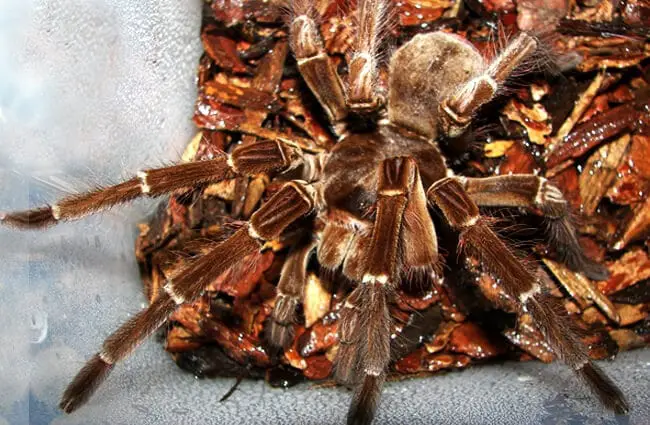
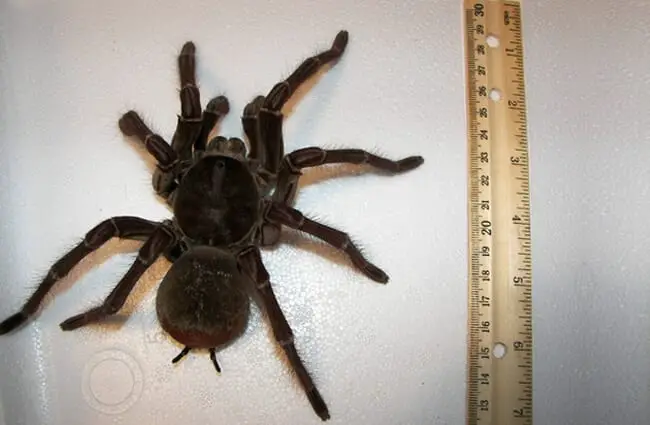
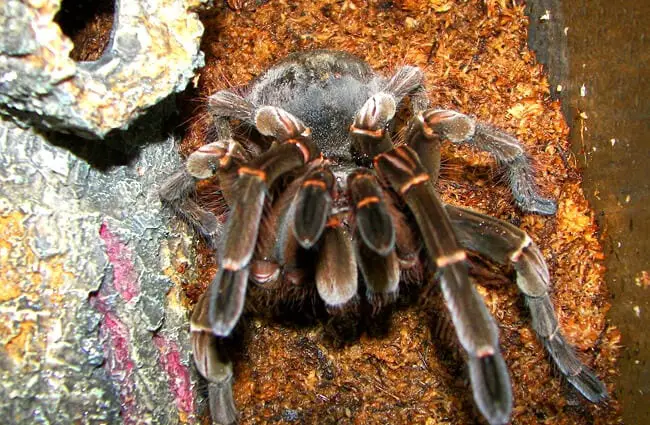
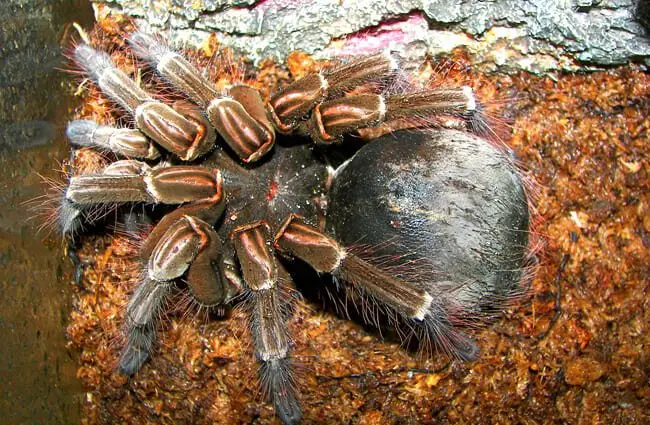
Imagine a spider that can cover a dinner plate. That is the scale we are discussing. Adult Goliath Birdeaters can boast a leg span of up to 30 centimeters (12 inches) and weigh over 170 grams (6 ounces), roughly the weight of a small puppy. Their robust bodies are typically covered in shades of brown, ranging from dark chocolate to reddish-brown, often with lighter markings on their legs. These colors provide excellent camouflage within the leaf litter and soil of their rainforest home.
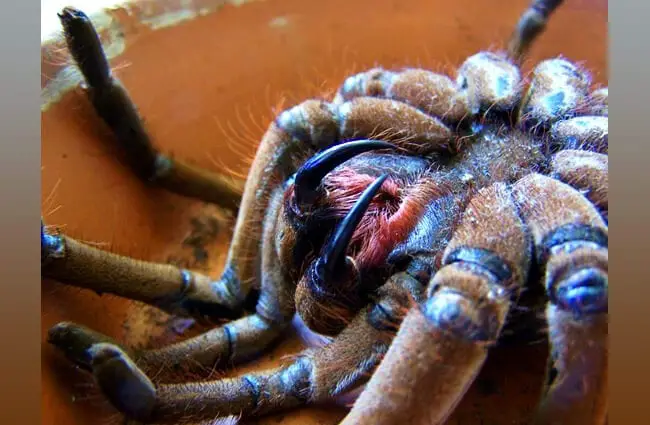
Beyond their impressive size, several features stand out. Their bodies are covered in fine, bristly hairs, some of which are urticating hairs. These specialized hairs are a primary defense mechanism, capable of being flicked off by the spider to irritate the skin and mucous membranes of potential threats. At the front, two prominent fangs deliver a mild venom, primarily used to subdue prey. These fangs can be up to 2.5 centimeters (1 inch) long, a truly intimidating sight.
Classification and Evolutionary Lineage
The Goliath Birdeater belongs to the tarantula family, Theraphosidae, a group of large, hairy spiders. Its scientific name, Theraphosa blondi, places it within a genus known for its massive members. Tarantulas, in general, represent an ancient lineage of spiders, with fossil records suggesting their ancestors roamed the Earth millions of years ago. The distribution of Theraphosa blondi across northern South America hints at a deep evolutionary history tied to the ancient supercontinent of Gondwana, with its ancestors adapting to the rich, humid environments that characterize the region today.
Where the Giants Roam: Habitat and Distribution
To understand the Goliath Birdeater, one must understand its home. This arachnid is a true denizen of the South American tropics, perfectly adapted to its warm, wet surroundings.
Geographic Range
The Goliath Birdeater is endemic to the northern regions of South America. Its primary range includes the rainforests and swampy areas of Suriname, Guyana, French Guiana, northern Brazil, and southern Venezuela. These countries share a common ecological landscape of dense, humid forests, providing the ideal conditions for these large spiders to thrive.
Preferred Environment
These tarantulas are ground dwellers, preferring the moist, leaf-littered floors of tropical rainforests, swamps, and marshy areas. They are primarily nocturnal, spending their days hidden away in burrows. These burrows are often abandoned rodent holes or natural crevices, which the spider then lines with silk to create a secure, humid retreat. The high humidity and stable temperatures of these environments are crucial for their survival, particularly during molting.
Finding a Goliath Birdeater in the Wild
For the intrepid animal lover or aspiring zoologist hoping to observe a Goliath Birdeater in its natural habitat, patience and local knowledge are key. These spiders are elusive and nocturnal. The best approach involves visiting their known habitats in Suriname, Guyana, or French Guiana, ideally with an experienced local guide. Look for large, silk-lined burrows at the base of trees or in dense undergrowth. Nighttime excursions, using red-filtered headlamps to minimize disturbance, offer the best chance of spotting one as it emerges to hunt. Remember, observation from a respectful distance is paramount to ensure both your safety and the spider’s well-being.
The Birdeater’s Banquet: Diet and Hunting Strategies
The name “Birdeater” is a misnomer, but it does hint at the spider’s formidable predatory capabilities. Its diet is diverse, reflecting its opportunistic nature.
What’s on the Menu?
While capable of eating small birds, this is a rare occurrence. The Goliath Birdeater’s diet primarily consists of invertebrates such as large insects, crickets, beetles, grasshoppers, and even other spiders. They also frequently prey on small vertebrates, including rodents, lizards, frogs, and toads. Their powerful fangs and potent, though not deadly to humans, venom are perfectly adapted for subduing these varied meals.
Hunting Techniques
The Goliath Birdeater is an ambush predator. It does not spin elaborate webs to catch prey like many other spiders. Instead, it waits patiently at the entrance of its burrow or camouflaged on the forest floor. It relies on vibrations detected through its sensitive leg hairs to sense approaching prey. Once a potential meal is within striking distance, the spider lunges, quickly injecting venom to paralyze and liquefy the internal organs of its victim. It then uses its chelicerae to consume the liquefied contents, leaving behind only the exoskeleton or bones.
Life Cycle and Reproduction: The Next Generation of Giants
The life cycle of the Goliath Birdeater is a fascinating journey of growth, molting, and the continuation of its colossal lineage.
Mating Rituals
When a male Goliath Birdeater reaches sexual maturity, typically around 2.5 to 3 years of age, it embarks on a perilous quest to find a female. Males are generally smaller and have a shorter lifespan than females. The male approaches a female’s burrow cautiously, often performing a complex drumming ritual with his pedipalps and legs to signal his presence and intentions. He must be careful, as an unreceptive female may view him as a meal. If the female is receptive, the male will use specialized tibial hooks on his front legs to hold her fangs open, allowing him to transfer sperm from his pedipalps into her epigynum. After mating, the male typically makes a hasty retreat to avoid being cannibalized.
Egg Sac and Spiderlings
Several months after successful mating, the female constructs a large, spherical egg sac made of silk. This sac can contain anywhere from 50 to 200 eggs. The female is fiercely protective of her egg sac, guarding it diligently within her burrow for several weeks or months until the spiderlings hatch. She will often carry the sac with her, rotating it to ensure even incubation. Once hatched, the tiny spiderlings remain with their mother for a short period before dispersing to establish their own burrows and begin their independent lives.
Growth and Longevity
Goliath Birdeaters grow through a process called molting, shedding their exoskeleton as they increase in size. This is a vulnerable period for the spider, as its new exoskeleton is soft and takes time to harden. Females can live for an astonishing 15 to 25 years in captivity, and likely a similar duration in the wild, molting regularly throughout their lives. Males, however, have a significantly shorter lifespan, typically living only 3 to 6 years, often dying shortly after mating.
Ecosystem Role and Interactions
Despite its fearsome appearance, the Goliath Birdeater plays a crucial, albeit often unseen, role in its rainforest ecosystem.
Predator and Prey Dynamics
As a top invertebrate predator, the Goliath Birdeater helps to regulate populations of various insects and small vertebrates. By consuming these animals, it contributes to the overall balance of the food web, preventing any single species from becoming overabundant. Conversely, the Birdeater itself is not without predators. Larger animals such as certain snakes, birds of prey, and even some mammals may prey on these spiders, especially younger or molting individuals. Its defensive mechanisms, like urticating hairs and venom, are vital for its survival against these threats.
Interaction with Humans: Fear, Fascination, and Conservation
The Goliath Birdeater’s imposing size often elicits strong reactions from humans, ranging from primal fear to profound scientific curiosity.
Human Encounters: What to Do
For a hiker or explorer encountering a Goliath Birdeater in the wild, the most important advice is to remain calm and observe from a respectful distance. These spiders are not aggressive towards humans and will typically try to flee or hide if disturbed. If cornered or provoked, their primary defense is to flick urticating hairs, which can cause itching, rashes, and irritation, particularly if they get into the eyes or respiratory system. A bite, while painful due to the size of the fangs, delivers venom that is considered mild, comparable to a wasp sting, and is not life-threatening to humans unless there is an allergic reaction. The best course of action is always to give the spider space and allow it to move away undisturbed.
Cultural Significance
In some indigenous cultures within its range, the Goliath Birdeater is not only known but also occasionally consumed as a food source, particularly after being roasted over an open fire, which burns off the urticating hairs. Its large size makes it a substantial meal. Beyond sustenance, its imposing presence likely contributes to local folklore and stories, though specific widespread cultural contributions are less documented than its biological impact. In the modern world, it has become a popular, albeit challenging, species in the exotic pet trade, and a subject of intense scientific study due to its unique biology.
Conservation Status
While not currently listed as endangered by the IUCN, the Goliath Birdeater faces threats common to many rainforest species. Habitat loss due to deforestation for agriculture, logging, and mining is a significant concern. The pet trade also exerts pressure on wild populations, although captive breeding efforts are becoming more common. Protecting its rainforest habitat is crucial for the long-term survival of this magnificent arachnid.
Caring for a Colossus: Zookeeping Insights
For zookeepers and dedicated arachnid enthusiasts, caring for a Goliath Birdeater in captivity requires specialized knowledge and attention to detail, replicating its natural environment as closely as possible.
Enclosure Requirements
A spacious enclosure is paramount. For an adult, a tank measuring at least 45x45x30 cm (18x18x12 inches) is recommended. The substrate should be deep, at least 15-20 cm (6-8 inches) of a moisture-retaining material like coco fiber or peat moss, to allow for burrowing. High humidity (75-85%) is essential and can be maintained by misting the substrate regularly and providing a large, shallow water dish. Temperatures should be kept stable between 24-28°C (75-82°F). A hide or cork bark provides a sense of security and a starting point for burrow construction.
Diet in Captivity
In captivity, Goliath Birdeaters thrive on a diet of appropriately sized live prey. Large crickets, dubia roaches, and superworms are staples. Occasional treats can include small, pre-killed rodents (pinky mice) for adults, but this should not be a primary food source. Feeding frequency typically ranges from once a week for juveniles to once every 2-3 weeks for adults, depending on their size and condition. Uneaten prey should always be removed promptly to prevent stress or injury to the spider.
Handling and Safety Protocols
Due to their size, defensive hairs, and potential for a painful bite, direct handling of Goliath Birdeaters is generally discouraged and should be minimized. When necessary for enclosure maintenance or health checks, experienced handlers use long forceps or soft brushes to gently guide the spider. Protective eyewear and gloves are recommended to prevent contact with urticating hairs. Stressing the spider should be avoided at all costs, as it can lead to defensive behaviors or even refusal to eat.
Common Pitfalls to Avoid
- Improper Humidity: Too low humidity can lead to dehydration and failed molts, which can be fatal. Too high can foster mold growth.
- Lack of Hiding Spots: Without a secure burrow or hide, the spider will be stressed, leading to poor health and defensive behavior.
- Overfeeding: While they are large, overfeeding can lead to health issues and a shorter lifespan.
- Disturbance During Molting: Never disturb a molting spider. It is extremely vulnerable, and interference can cause injury or death.
- Inadequate Ventilation: While high humidity is needed, stagnant air can lead to respiratory issues. Ensure good cross-ventilation.
Fascinating Facts About the Goliath Birdeater
Beyond the basic biology, these spiders hold many intriguing secrets:
- Weight Champion: It is the heaviest spider in the world, often weighing more than a full-grown rat.
- Hissing Defense: When threatened, the Goliath Birdeater can produce a distinct hissing sound by rubbing bristles on its legs together, a process called stridulation. This audible warning is surprisingly loud and serves to deter predators.
- Urticating Hair Arsenal: It possesses Type I urticating hairs, which are among the most irritating types found on tarantulas, making them a highly effective deterrent.
- Regenerative Abilities: Like many arthropods, Goliath Birdeaters can regenerate lost limbs over several molts, a remarkable adaptation for survival.
- Venom Potency: While its venom is not medically significant to humans, it is potent enough to quickly incapacitate its small vertebrate prey.
- Nocturnal Hunter: Its large eyes are not its primary hunting tool; instead, it relies heavily on vibrations and chemoreception to locate prey in the dark.
Conclusion: A Gentle Giant of the Rainforest
The Goliath Birdeater, Theraphosa blondi, stands as a magnificent testament to the wonders of the natural world. Far from the monstrous image often portrayed, it is a crucial, if imposing, member of its rainforest ecosystem. Its impressive size, unique adaptations, and complex life cycle offer endless avenues for study and appreciation. From the aspiring zoologist to the casual nature enthusiast, understanding this colossal arachnid fosters a deeper respect for biodiversity and the intricate balance of life in our planet’s most vibrant habitats. By protecting its home, we ensure that future generations can continue to marvel at the true king of the spiders.
![Closeup of a beautiful Red Angus cowPhoto by: U.S. Department of Agriculture [pubic domain]https://creativecommons.org/licenses/by/2.0/](https://animals.net/wp-content/uploads/2020/03/Red-Angus-4-100x75.jpg "Red Angus")