A Comprehensive Guide to the World of Goldfish
For centuries, the goldfish has captivated humans with its shimmering scales and graceful movements. More than just a popular pet, Carassius auratus boasts a rich history, surprising biology, and a fascinating role in both aquatic ecosystems and human culture. This guide dives deep into the world of the goldfish, exploring its origins, behavior, care, and everything in between.
Origins and Evolution
The story of the goldfish begins with the common carp, a species native to East Asia. Selective breeding, starting over a thousand years ago in China during the Song dynasty, transformed the relatively drab carp into the vibrant, ornamental fish we know today. Initially, these early goldfish were raised in ponds and were admired for their unique colors and forms. Over time, different breeds emerged, each prized for specific characteristics such as flowing fins, bulging eyes, or unusual body shapes. The goldfish gradually spread from China to Japan, and eventually to Europe and the Americas in the 19th century, becoming a globally beloved aquarium staple.
Habitat and Distribution
While commonly associated with aquariums, goldfish have a surprisingly adaptable nature. In the wild, they inhabit slow-moving or stagnant freshwater environments like ponds, lakes, and ditches. They prefer water temperatures between 68 and 77°F (20 to 25°C) and can tolerate a wide range of water conditions. However, wild populations are vulnerable to pollution and habitat loss. Introduced populations exist in many parts of the world, sometimes becoming invasive due to their adaptability and high reproductive rate. Finding a wild goldfish requires seeking out these slower, shallower bodies of water, though identifying them among other species can be challenging.
Wild vs Captive Environments
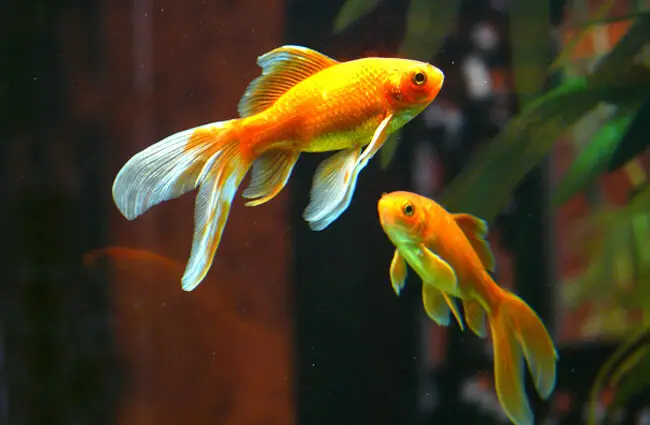
Goldfish in the wild often exhibit a more streamlined body shape and subdued coloration compared to their selectively bred counterparts. They are opportunistic feeders, consuming algae, aquatic plants, insects, and small crustaceans. Captive goldfish, on the other hand, rely entirely on provided food and have adapted to thrive in confined spaces. Maintaining a healthy captive environment requires regular water changes, filtration, and a balanced diet.
Diet and Nutrition
Goldfish are omnivores, meaning they eat both plant and animal matter. In the wild, their diet is diverse. In captivity, a high-quality goldfish flake or pellet food should form the basis of their diet. Supplementing with blanched vegetables like peas or spinach, as well as occasional treats like bloodworms or daphnia, provides essential nutrients and variety. Overfeeding is a common mistake that can lead to health problems, so portion control is crucial. Goldfish will actively graze on algae in the aquarium, but this should not be their sole source of nutrition.
Reproduction and Life Cycle
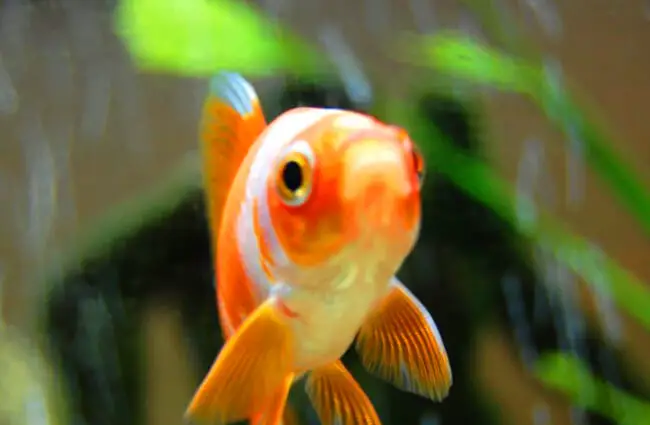
Goldfish reproduce through external fertilization. During breeding season, typically in spring or early summer, males chase females, and both release eggs and sperm into the water. These eggs are sticky and often adhere to plants or other surfaces. A single female can lay thousands of eggs, but the survival rate of the fry is relatively low. Providing a separate breeding tank with plenty of plants helps increase the chances of survival. Fry are initially very small and require specialized food like infusoria or liquid fry food.
Goldfish Varieties
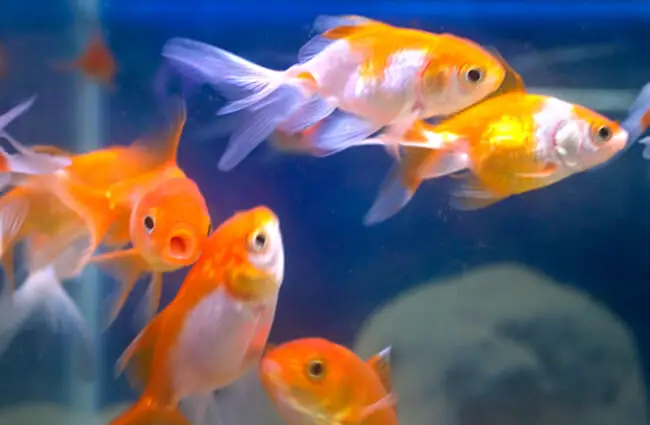
Centuries of selective breeding have resulted in a remarkable array of goldfish varieties. Some of the most popular include:
- Common Goldfish: The classic, streamlined goldfish.
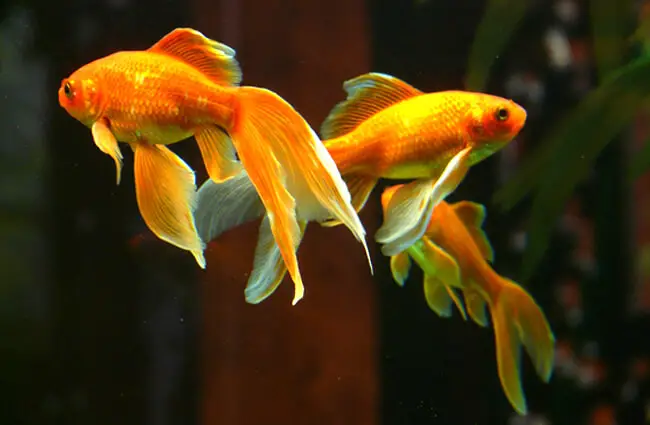
- Fantail Goldfish: Characterized by a flowing, fan-shaped tail.
- Veiltail Goldfish: Similar to fantails, but with longer, more flowing fins.
- Ryukin Goldfish: Known for their arched back and flowing fins.
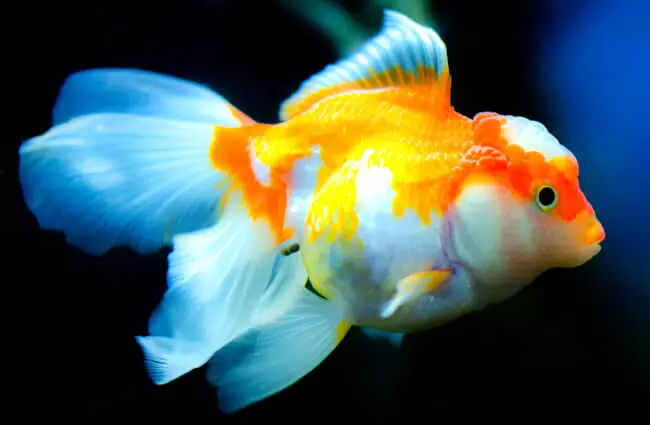
- Oranda Goldfish: Distinguished by a prominent forehead growth called a “wen.”
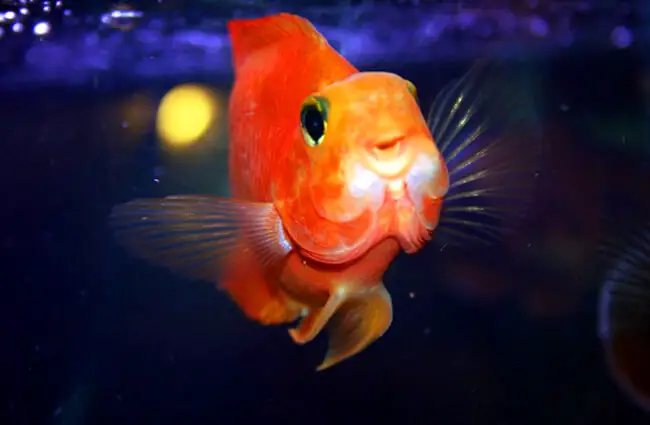
- Bubble Eye Goldfish: Features large, fluid-filled sacs under the eyes.
- Black Moor Goldfish: A velvety black goldfish with protruding eyes.
Ecosystem Role and Interactions
In their native habitats, goldfish contribute to the ecosystem by consuming algae and insects, and serving as prey for larger fish and birds. However, introduced populations can disrupt native ecosystems by competing with native species for resources and altering food webs. Goldfish are generally peaceful fish and can coexist with other non-aggressive species in aquariums, though careful consideration should be given to compatibility and tank size. They are known to interact with their environment by exploring and foraging for food.
Goldfish and Human Culture
For centuries, goldfish have held a special place in human culture, particularly in East Asia. They are symbols of good luck, prosperity, and longevity. Goldfish are frequently depicted in art, literature, and folklore. In many cultures, they are kept as ornamental pets and are believed to bring harmony and balance to the home. Their vibrant colors and graceful movements have captivated people for generations. The practice of keeping goldfish as pets has spread globally, becoming a beloved pastime for millions.
Caring for Captive Goldfish
Providing proper care for captive goldfish requires attention to several key factors:
- Tank Size: Goldfish need ample space to swim and grow. A minimum of 20 gallons is recommended for a single goldfish, with larger tanks preferred.
- Water Quality: Regular water changes and efficient filtration are essential to maintain clean and healthy water.
- Temperature: Keep the water temperature between 65 and 75°F (18 to 24°C).
- Diet: Provide a balanced diet of high-quality goldfish food.
- Tank Mates: Choose compatible tank mates carefully.
- Health Monitoring: Observe your goldfish regularly for signs of illness.
Interesting Facts
- Goldfish have a memory span that can extend to several minutes, debunking the myth that they only remember for a few seconds.
- They can recognize individual human faces.
- Goldfish can live for 20 years or more with proper care.
- Some goldfish varieties can grow to over a foot in length.
- They are sensitive to changes in water quality and can become stressed easily.
The goldfish, with its long history and captivating beauty, remains one of the world’s most popular and cherished pets. Understanding its origins, biology, and care requirements is essential for ensuring its well-being and enjoying its presence for years to come.
![Closeup of a beautiful Red Angus cowPhoto by: U.S. Department of Agriculture [pubic domain]https://creativecommons.org/licenses/by/2.0/](https://animals.net/wp-content/uploads/2020/03/Red-Angus-4-238x178.jpg "Red Angus")
![Closeup of a beautiful Red Angus cowPhoto by: U.S. Department of Agriculture [pubic domain]https://creativecommons.org/licenses/by/2.0/](https://animals.net/wp-content/uploads/2020/03/Red-Angus-4-100x75.jpg "Red Angus")