The world of waterfowl is remarkably diverse, and among its most striking members is the Goldeneye. These medium‑sized ducks, celebrated for their sleek plumage and diving prowess, provide a captivating glimpse into the intricacies of avian life. This comprehensive guide explores every facet of the Goldeneye, from its natural history and behavior to its ecological role and interactions with humans.
Understanding the Goldeneye
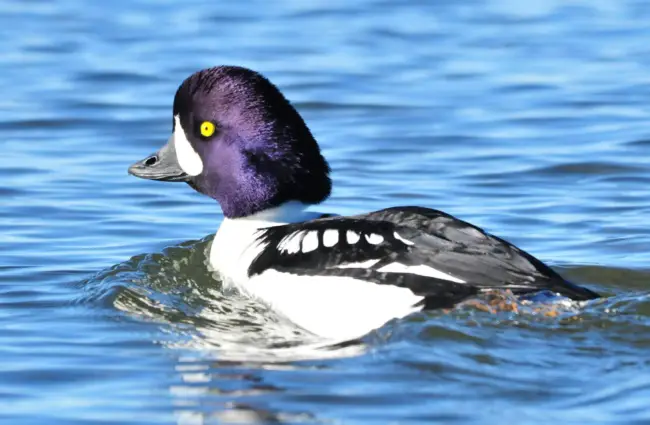
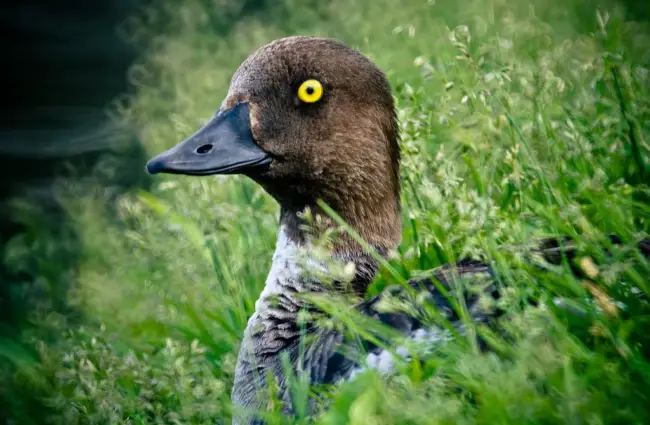
The name “Goldeneye” comes from the striking golden yellow eye patch found on the male bird. Two species are recognized: the Common Goldeneye (Bucephala clangula) and Barrow’s Goldeneye (Bucephala islandica). Though similar in appearance, subtle differences in plumage, vocalizations, and habitat preferences set them apart. Both belong to the family Anatidae, the duck, swan, and goose family, and are renowned for their exceptional diving abilities.
Physical Characteristics
Goldeneyes are compact ducks, typically measuring 17 to 20 inches (43–50 cm) in length with a wingspan of about 30 inches (76 cm). Males display a predominantly black plumage, a distinct white crescent on their face, and the iconic golden eye. Females are more subdued, with a brown body and a grayish head. Both sexes possess strong, streamlined bodies adapted for underwater pursuit.
Habitat and Distribution
Goldeneyes have a broad distribution across North America, Europe, and Asia. The Common Goldeneye occurs throughout North America, Europe, and Asia, favoring wooded lakes, rivers, and coastal areas. Barrow’s Goldeneye breeds in western North America, including Alaska and the western United States, and winters along the Pacific coast and parts of the Atlantic coast. These ducks prefer habitats with mature trees that provide nesting cavities and clear, cold waters rich in aquatic life.
Life Cycle and Behavior
Diet and Foraging
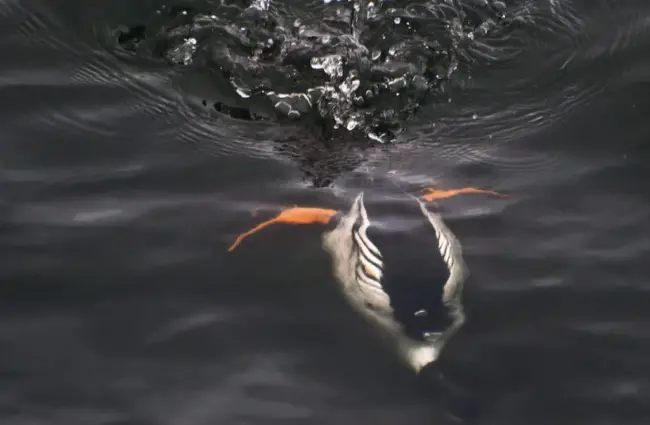
Goldeneyes are proficient divers, capable of pursuing prey underwater for extended periods. Their diet primarily consists of aquatic invertebrates such as insects, crustaceans, and mollusks, as well as fish eggs and small fish. They forage by diving and using their webbed feet to propel themselves through the water, often staying submerged for up to a minute at a time. The serrated edges of their bill help them grip slippery prey.
Nesting and Reproduction
Goldeneyes nest in tree cavities. Both males and females work together to select a suitable nest site, usually in mature trees near water. The female lays between five and nine eggs, which she incubates for 28 to 35 days. Ducklings hatch precocial, meaning they are relatively independent; they can swim and forage shortly after leaving the nest. The mother guides the ducklings to foraging grounds and protects them from predators.
Social Behavior
Goldeneyes are generally social, especially outside the breeding season. They often gather in flocks on lakes and coastal areas. During breeding, pairs establish territories and become more solitary. Males perform elaborate courtship displays—including head-bobbing and vocalizations—to attract females.
Ecological Role and Interactions
Goldeneyes in the Ecosystem
Goldeneyes help maintain healthy aquatic ecosystems by preying on invertebrates and fish eggs, thereby regulating populations and preventing imbalances. Their foraging activities also contribute to nutrient cycling within water bodies. These ducks, in turn, serve as prey for larger predators such as raptors, foxes, and coyotes.
Interactions with Other Animals
Goldeneyes compete with other diving ducks, such as scaups and mergansers, for food and nesting sites. The presence of invasive species like zebra mussels can alter the abundance and distribution of their prey. Healthy Goldeneye populations are an indicator of a thriving aquatic ecosystem.
Goldeneyes and Humans
Historical and Cultural Significance
Goldeneyes hold cultural significance for many Indigenous communities across North America and Eurasia. They appear in art and folklore, and their feathers have been used for ceremonial purposes. In some cultures, Goldeneyes symbolize good luck and prosperity.
Conservation Status and Threats
Common Goldeneye populations are generally stable, while Barrow’s Goldeneye is a species of concern in several regions. Habitat loss, particularly the decline of mature forests with suitable nesting cavities, poses a major threat to both species. Climate change, pollution, and the spread of invasive species also challenge their survival. Conservation efforts that protect and restore nesting habitat, reduce pollution, and mitigate climate change effects are crucial for ensuring the long‑term viability of Goldeneye populations.
Observing Goldeneyes in the Wild
When encountering a Goldeneye, maintain a respectful distance and avoid disturbing its behavior. Observe from afar using binoculars or a spotting scope. Goldeneyes are most active during daylight hours, foraging and diving in clear water. Be mindful of their nesting habitat and avoid entering areas with mature trees during the breeding season.
Diving Deeper: Advanced Topics
Evolutionary History
The evolutionary history of Goldeneyes, like that of all Anatidae, is rooted in the Paleogene period. Phylogenetic studies suggest that Goldeneyes diverged from other diving ducks early in their evolutionary history. The development of their streamlined bodies and specialized diving adaptations reflects their transition to an aquatic lifestyle.
Captive Care Considerations
For zookeepers and wildlife rehabilitators caring for Goldeneyes, a spacious enclosure with a clean, deep pool is essential. Their diet should consist of high‑quality waterfowl feed supplemented with live invertebrates and fish. Enrichment activities, such as providing nesting materials and floating vegetation, can help stimulate natural behaviors. Careful monitoring of health and hygiene is crucial to prevent disease outbreaks.
Research Opportunities
Ongoing research on Goldeneyes focuses on population dynamics, habitat use, and the effects of climate change. Tracking studies using GPS technology provide valuable insights into migration patterns and foraging behavior. Genetic studies help assess population connectivity and identify conservation priorities.
The Goldeneye, with its striking appearance and fascinating behaviors, remains a captivating subject for both amateur enthusiasts and professional scientists alike. Understanding this remarkable duck is vital for preserving aquatic ecosystems and ensuring its survival for generations to come.
![Closeup of a beautiful Red Angus cowPhoto by: U.S. Department of Agriculture [pubic domain]https://creativecommons.org/licenses/by/2.0/](https://animals.net/wp-content/uploads/2020/03/Red-Angus-4-238x178.jpg "Red Angus")
![Closeup of a beautiful Red Angus cowPhoto by: U.S. Department of Agriculture [pubic domain]https://creativecommons.org/licenses/by/2.0/](https://animals.net/wp-content/uploads/2020/03/Red-Angus-4-100x75.jpg "Red Angus")