The Gnu: A Comprehensive Guide to Africa’s Majestic Migrators
The gnu, also known as the wildebeest, is an iconic symbol of the African savanna. These large antelopes are renowned for their dramatic annual migrations, a breathtaking spectacle that draws wildlife enthusiasts from around the globe. Beyond the spectacle, the gnu is a fascinating creature with a rich evolutionary history, complex social behaviors, and a vital role in its ecosystem. This guide explores the world of the gnu, delving into its biology, behavior, ecology, and its interactions with both the natural world and humankind.
What is a Gnu? Two Species Explained
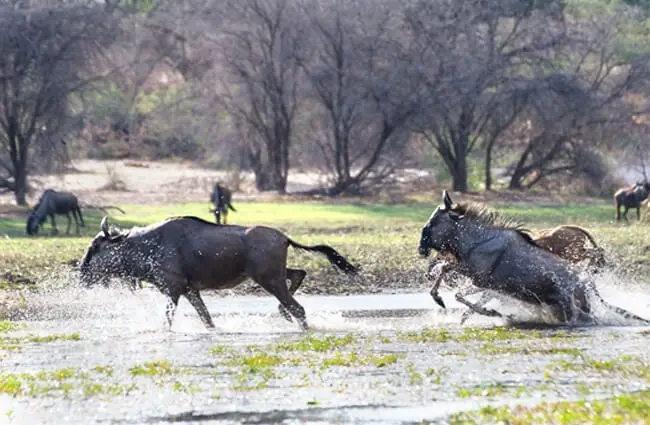
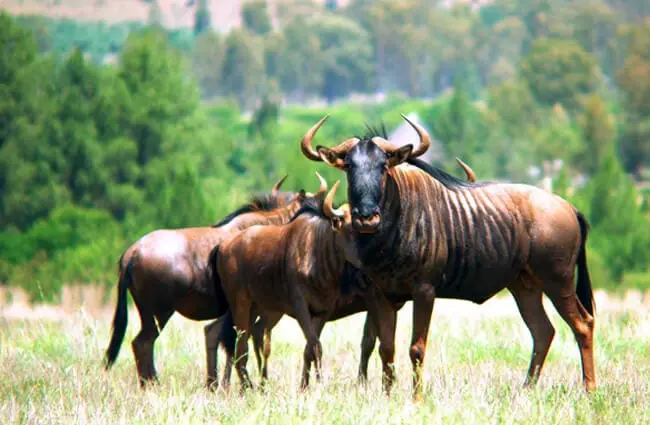
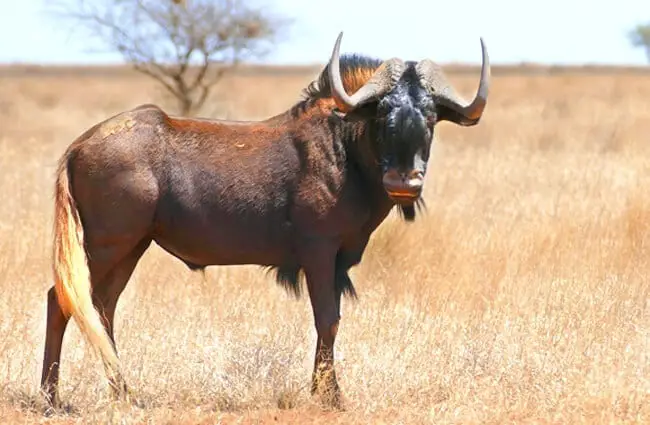
The term "gnu" encompasses two distinct species: the Blue Wildebeest (Connochaetes taurinus) and the Black Wildebeest (Connochaetes gnou). While both share a robust build and a sloping back, they differ in appearance and habitat. The Blue Wildebeest is more common and widespread, inhabiting the short grass plains of eastern and southern Africa. It is characterized by a grayish-blue coat and dark stripes. The Black Wildebeest, also called the White‑tailed Gnu, is smaller and darker, with prominent white beard and mane. It is primarily found in southern Africa, favoring grasslands and scrublands. Both species are grazers, feeding mainly on grasses, and are well adapted to life on open plains.
Evolutionary History: Tracing the Gnu’s Ancestry
The evolutionary history of the gnu is a story of adaptation and diversification. Fossil records indicate that the ancestors of modern gnus appeared in Africa during the Pliocene epoch, approximately 5 to 3 million years ago. These early gnus were likely smaller and more primitive than their modern counterparts. Over time, they evolved into the two distinct species we know today, driven by changes in climate and competition for resources. The gnu’s unique morphology, including powerful legs and a specialized digestive system, reflects its adaptation to a grazing lifestyle on the African savanna.
Habitat and Distribution: Where Do Gnus Roam?
Gnus are primarily found in the grasslands and savannas of eastern and southern Africa. The Blue Wildebeest has a broad distribution, ranging from Tanzania and Kenya to South Africa and Botswana. The Black Wildebeest has a more restricted range, mainly inhabiting South Africa, Namibia, and Botswana. They prefer open habitats with access to water, as they need to drink regularly. Availability of suitable grazing land is also a crucial factor in determining their distribution. Gnus often undertake long‑distance migrations in search of better grazing and water resources.
Diet and Feeding Habits: A Grazer’s Lifestyle
Gnus are herbivores, and their diet consists almost entirely of grasses. They are selective grazers, preferring short, nutrient‑rich grasses. They have a specialized digestive system that allows them to efficiently extract nutrients from tough plant material. They also consume some forbs and herbs when available. During the dry season, when grass is scarce, they may travel long distances to find suitable grazing areas. Gnus play an important role in maintaining grassland ecosystems by controlling grass growth and promoting biodiversity.
Social Behavior and Reproduction: Life in a Herd
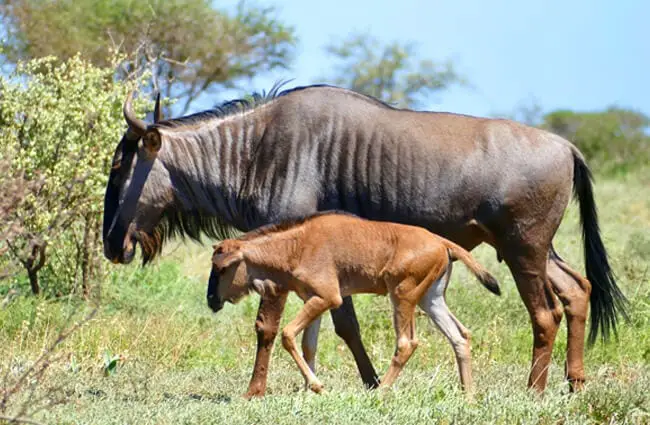
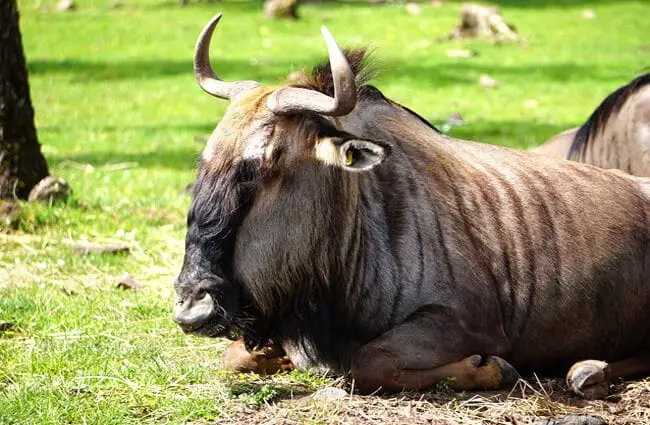
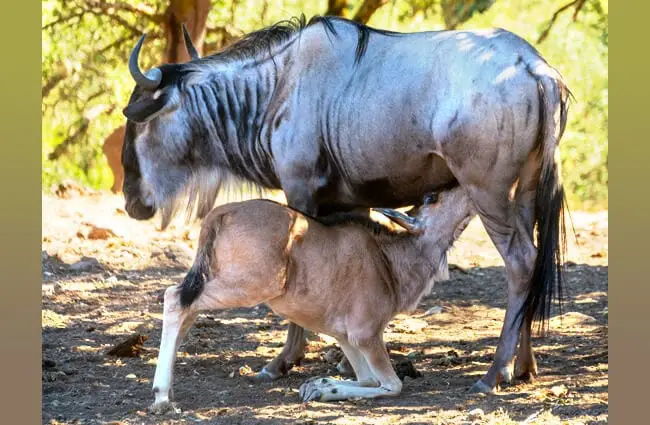
Gnus are highly social animals and live in herds that can range in size from a few individuals to several thousand. These herds provide protection from predators and facilitate breeding. During the mating season, which typically occurs during the rainy season, males compete for dominance and the right to mate with females. They engage in displays of aggression, including head‑butting and vocalizations. Gestation lasts about eight months, and females usually give birth to a single calf. Calves are precocial, meaning they are relatively well‑developed at birth and can stand and walk shortly after birth. Mothers provide care for their calves for several months, protecting them from predators and teaching them how to find food.
The Great Migration: A Spectacle of Nature
Perhaps the most famous aspect of gnu behavior is the Great Migration. Millions of gnus, along with zebras and other herbivores, undertake a circular migration across the Serengeti‑Mara ecosystem in Tanzania and Kenya. This journey is driven by the search for fresh grazing and water. The migration follows the seasonal rains, with the herds moving north during the wet season and south during the dry season. The journey is fraught with dangers, including predators, rivers, and harsh terrain. However, it is a vital part of the ecosystem, helping to maintain the health and diversity of the grasslands.
Ecological Role and Interactions with Other Animals
Gnus play a crucial role in maintaining the health and diversity of African savanna ecosystems. As grazers, they help control grass growth and prevent the encroachment of trees and shrubs. Their dung provides nutrients for plants and supports a variety of insects and other invertebrates. They are also an important prey species for predators such as lions, hyenas, and wild dogs. Gnus often coexist with other herbivores, such as zebras and gazelles, and their grazing patterns can influence the distribution and abundance of other species.
Gnus and Humans: A Complex Relationship
Throughout history, gnus have had a complex relationship with humans. They have been hunted for meat and hides, and their habitat has been threatened by agriculture and urbanization. However, they are also an important part of the tourism industry, attracting visitors from around the world who come to witness the Great Migration and other wildlife spectacles. Conservation efforts are underway to protect gnu populations and their habitat, but ongoing challenges remain.
Encountering Gnus in the Wild: Safety Precautions
If you are fortunate enough to encounter gnus in the wild, it is important to maintain a safe distance. They are large and powerful animals, and can be unpredictable. Avoid approaching them too closely, and never attempt to feed them. If a gnu appears agitated, back away slowly and give it plenty of space. Be aware of your surroundings, and watch for other potential hazards, such as predators.
Gnu Care in Captivity
Caring for gnus in captivity requires considerable expertise and resources. They need spacious enclosures that mimic their natural habitat, with plenty of grazing land and access to water. Their diet should consist of high‑quality grass hay and supplemental feed to ensure they receive adequate nutrition. Regular veterinary care is essential to prevent and treat diseases. Gnus are social animals, so they should be housed in groups to provide companionship and stimulation. Enrichment activities, such as puzzle feeders and browsing opportunities, can help keep them mentally and physically engaged.
Fascinating Gnu Facts
- Gnus can run at speeds of up to 55 kilometers per hour.
- They can live for up to 20 years in the wild.
- Gnu calves are born with a reddish‑brown coat that darkens with age.
- They communicate with each other using a variety of vocalizations, including grunts, snorts, and bellows.
- Gnus are known to stampede, especially when threatened by predators.
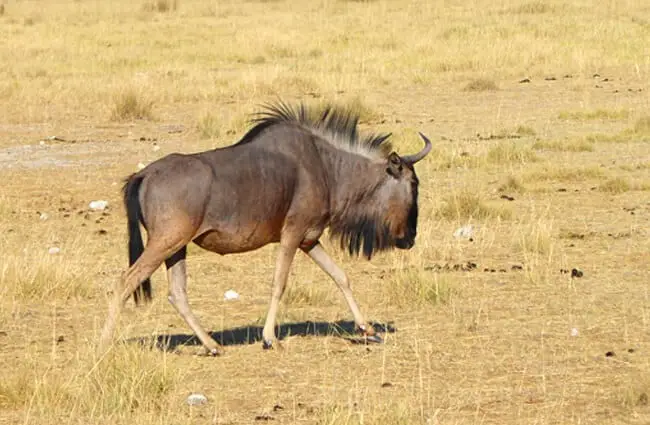
The gnu is a magnificent creature that embodies the spirit of Africa. Its dramatic migrations, complex social behaviors, and vital ecological role make it a truly remarkable animal. By understanding and appreciating these incredible creatures, we can help ensure their survival for generations to come.
![Closeup of a beautiful Red Angus cowPhoto by: U.S. Department of Agriculture [pubic domain]https://creativecommons.org/licenses/by/2.0/](https://animals.net/wp-content/uploads/2020/03/Red-Angus-4-238x178.jpg "Red Angus")
![Closeup of a beautiful Red Angus cowPhoto by: U.S. Department of Agriculture [pubic domain]https://creativecommons.org/licenses/by/2.0/](https://animals.net/wp-content/uploads/2020/03/Red-Angus-4-100x75.jpg "Red Angus")