Unveiling the Enigmatic Ghost Bat: Australia’s Pale Predator of the Night
Deep within the ancient landscapes of Australia, a creature of mythic appearance takes to the skies as dusk descends. This is the Ghost Bat, Macroderma gigas, a truly unique and captivating mammal whose very name evokes an air of mystery. With its ethereal pale fur and silent flight, it glides through the darkness, a formidable hunter in a world often misunderstood. Far from being a spooky specter, the Ghost Bat is a vital component of its ecosystem, a testament to the incredible diversity of life on our planet. Join us as we delve into the fascinating world of this remarkable Australian native, uncovering its secrets from its evolutionary past to its crucial role in the present.
A Glimpse into the Ghost Bat’s World: Basic Biology
Physical Characteristics: The Pale Predator
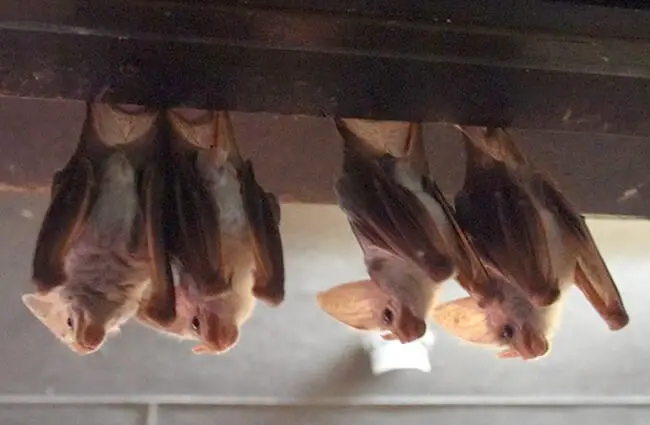
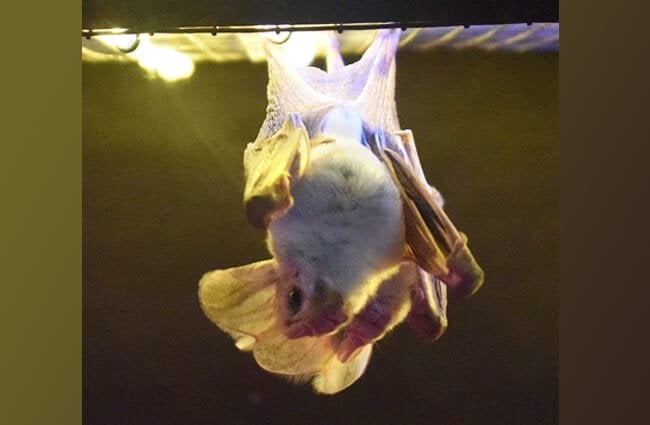
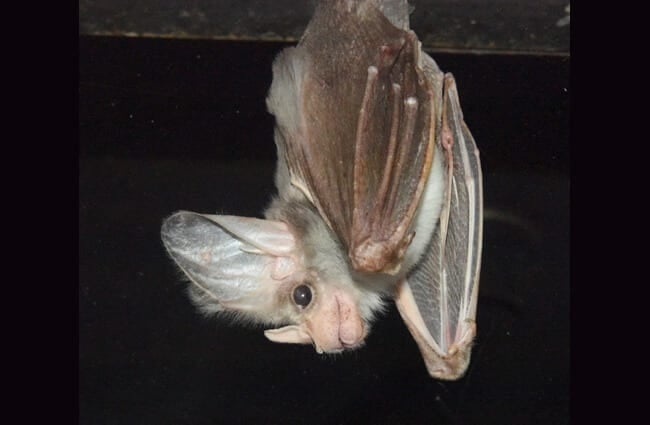
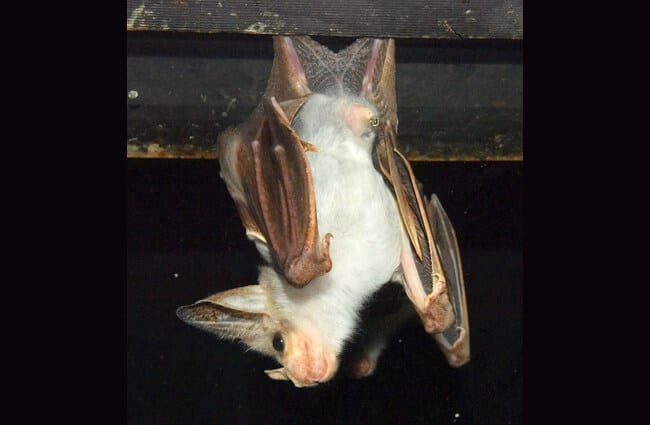
The Ghost Bat stands out amongst its kin, not just for its striking appearance but also for its impressive size. It is Australia’s largest microbat, boasting a wingspan that can reach up to 60 centimeters (24 inches) and a body length of about 10-13 centimeters (4-5 inches). Its most distinguishing feature is undoubtedly its fur, which ranges from a ghostly white to a light grey, often appearing translucent in certain lights, hence its evocative name. This pale coloration provides excellent camouflage against the moonlit sky during its nocturnal hunts. Adding to its unique visage are its remarkably large ears, which can measure up to 5 centimeters (2 inches) long, and a prominent, spear-shaped nose leaf, both crucial adaptations for its predatory lifestyle. These features, combined with large, dark eyes, give the Ghost Bat an almost otherworldly appearance.
Geographic Range and Habitat: Where the Ghosts Roam
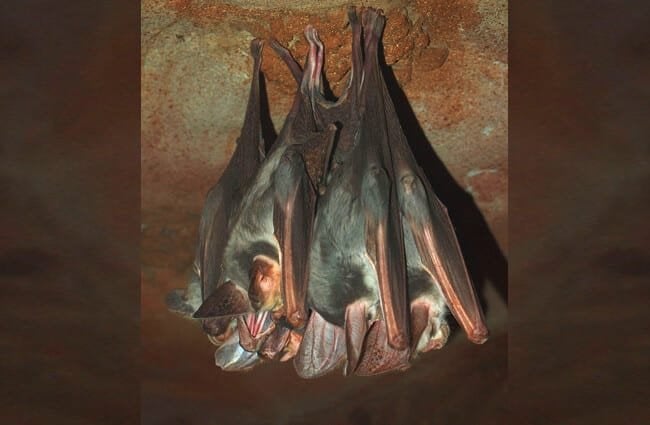
The Ghost Bat’s distribution is restricted to the tropical and subtropical regions of northern and western Australia. Its preferred habitat is typically arid to semi-arid country, characterized by rocky outcrops, gorges, and open woodlands. However, the true key to finding a Ghost Bat lies in locating its roosts. These bats are highly dependent on specific types of shelters for resting during the day, raising their young, and escaping predators. They primarily seek refuge in deep, humid caves, disused mine shafts, and sheltered rock crevices. These roosts provide stable temperatures and humidity levels, which are critical for their survival. The availability of suitable roosting sites is a major limiting factor for Ghost Bat populations, making their preservation paramount. Animal lovers hoping to spot one in the wild should focus their search on these specific geological features within their known range, always remembering to observe from a respectful distance to avoid disturbance.
Diet and Hunting Strategies: A True Carnivore
What truly sets the Ghost Bat apart from most other Australian bats is its diet. While the majority of bats are insectivorous or frugivorous, the Ghost Bat is Australia’s only truly carnivorous bat. Its menu is surprisingly diverse and includes a wide array of small vertebrates and large invertebrates. This includes large insects like moths and beetles, but also small mammals such as mice, other bats, and even small marsupials. Birds, reptiles, and frogs are also fair game for this opportunistic hunter. The Ghost Bat employs a fascinating array of hunting techniques. It often hunts by ambushing prey from a perch, using its exceptional hearing to detect the slightest rustle or movement. It can also engage in aerial pursuit, snatching flying insects or birds mid-air. Perhaps most remarkably, it is known to pounce on ground-dwelling prey, using its powerful wings and sharp claws to subdue its meal. Its large ears and sophisticated echolocation system allow it to navigate and locate prey in complete darkness, while its keen eyesight provides an additional advantage in low light conditions. This specialized diet and hunting prowess make the Ghost Bat an apex predator in its nocturnal niche.
Life Cycle and Social Structure: The Ghost Bat Community
Mating and Reproduction: A Seasonal Affair
The Ghost Bat’s reproductive cycle is a carefully timed event, typically occurring once a year. Mating usually takes place in late autumn or early winter, with a gestation period lasting approximately three months. Females give birth to a single pup, usually in late winter or early spring, coinciding with an increase in insect and prey availability. The newborn pup is initially hairless and helpless, relying entirely on its mother for warmth and nourishment. Pups are often left in communal nursery roosts, or “creches,” while their mothers forage. This communal care provides safety in numbers and helps regulate temperature. The young bats grow rapidly, developing their fur and gaining strength, and are typically weaned and capable of independent flight by about two months of age. This relatively slow reproductive rate makes Ghost Bat populations particularly vulnerable to disturbances and environmental changes.
Social Dynamics: Colony Life
Ghost Bats are social animals, forming colonies that can range from a few individuals to several hundred, particularly in their maternity roosts. These colonies are crucial for their survival, offering several advantages. Communal roosting helps in thermoregulation, allowing bats to conserve energy by huddling together, especially during cooler periods. It also facilitates information exchange, where successful foragers might lead others to rich feeding grounds. Within these colonies, there can be complex social interactions, though much remains to be studied about their specific hierarchies and communication methods. The stability and integrity of these roosting colonies are paramount for the species’ well-being, as disruption can lead to stress, abandonment of young, and ultimately, population decline.
Ecological Role and Conservation Status: Guardians of the Night
Ecosystem Contributions: Nature’s Pest Control
As Australia’s only carnivorous bat, the Ghost Bat plays a critical role as an apex predator within its nocturnal ecosystem. By preying on a variety of small vertebrates and large insects, it helps to regulate the populations of these species. This natural pest control contributes to the overall health and balance of its habitat. For instance, by consuming rodents and large insects, Ghost Bats can help prevent outbreaks that might otherwise impact plant life or agricultural interests. Their presence indicates a healthy and functioning ecosystem, highlighting their importance beyond just their unique biology.
Interactions with Other Animals: A Web of Life
The Ghost Bat’s interactions with other animals are primarily defined by its role as a predator. It sits high on the food chain for nocturnal small animals, competing with other predators like owls, snakes, and dingoes for similar prey resources. Interestingly, Ghost Bats are also known to prey on other bat species, demonstrating their opportunistic hunting nature. While they are formidable hunters, they are not without their own predators. Larger owls, snakes, and even some carnivorous marsupials might occasionally prey on Ghost Bats, particularly vulnerable young or sick individuals. This intricate web of predator-prey relationships underscores the delicate balance of their environment.
Conservation Challenges: A Vanishing Specter?
Despite its formidable hunting skills, the Ghost Bat faces significant threats, leading to its classification as Vulnerable under Australian environmental law. The primary challenges include habitat loss and degradation, particularly the destruction or disturbance of its crucial roosting sites. Mining activities, which often involve the exploration and development of caves and old mine shafts, directly impact these essential shelters. Human disturbance of roosts, even by well-meaning visitors, can cause bats to abandon their homes, especially during sensitive breeding periods. Furthermore, climate change poses a long-term threat, potentially altering prey availability and the suitability of their preferred habitats. Conservation efforts focus on protecting known roost sites, managing land use around these areas, and raising public awareness about the species’ plight. Aspiring zoologists and conservationists have a vital role to play in monitoring populations, researching their ecological needs, and advocating for stronger protective measures.
Encountering the Ghost Bat: Practical Insights
For the Aspiring Zoologist and Animal Lover: Finding the Ghost Bat
For those eager to witness this magnificent creature in its natural habitat, careful planning and ethical considerations are key. Ghost Bats are found in specific regions of northern and western Australia, including parts of Queensland, the Northern Territory, and Western Australia. To maximize your chances, focus on areas known for their deep caves, old mine shafts, or rocky gorges. The best time to observe them is at dusk or dawn, when they emerge from or return to their roosts. Look for large, pale bats with distinctive flight patterns. However, it is crucial to maintain a respectful distance. Never enter roosting sites, as this can cause severe disturbance. Use binoculars or a camera with a good zoom lens for observation. Remember, the goal is to observe without impacting their natural behavior or causing stress. Reporting sightings to local wildlife authorities or conservation groups can also contribute valuable data to research efforts.
For the Hiker: What to Do if You See One
Encountering a Ghost Bat in the wild can be an exhilarating experience for a hiker. If you are fortunate enough to spot one, the most important rule is to observe from a distance. Do not attempt to approach, touch, or feed the bat. Wild animals, including bats, can carry diseases, and direct contact should always be avoided. If you happen upon a roosting site, such as a cave entrance, avoid making loud noises or shining bright lights directly into it. These actions can disturb the bats, potentially causing them to abandon their roosts or become stressed. Simply enjoy the rare sight, take a moment to appreciate its beauty, and continue on your way. If you find an injured or distressed bat, do not handle it yourself. Instead, contact your local wildlife rescue organization or park rangers for assistance.
Caring for Ghost Bats in Captivity: A Zookeeper’s Guide
Caring for Ghost Bats in a captive environment, such as a zoo or wildlife park, requires specialized knowledge and dedication to replicate their natural conditions as closely as possible. Zookeepers play a vital role in their welfare and in educating the public about this unique species.
Habitat Requirements: Replicating the Wild
A suitable enclosure for Ghost Bats must be spacious, allowing for flight and natural behaviors. It should mimic their natural roosting sites, incorporating deep, dark, and humid cave-like structures or artificial mine shafts. Temperature and humidity control are critical, maintaining stable conditions similar to their natural roosts. Enrichment is essential to prevent boredom and encourage natural behaviors. This can include varied roosting options, different textures, and opportunities for foraging. The enclosure should also be designed to minimize stress from human presence, perhaps with one-way viewing glass or restricted access areas.
Dietary Needs: Specialized Carnivores
The Ghost Bat’s carnivorous diet necessitates a carefully managed feeding regimen in captivity. Zookeepers typically provide a diet of live insects (such as crickets, mealworms, and cockroaches) supplemented with small rodents (like mice) and occasionally small birds. All prey items must be ethically sourced and nutritionally sound. Nutritional supplements, such as calcium and vitamin D3, are often added to ensure a balanced diet, preventing deficiencies common in captive animals. Feeding schedules should mimic their natural nocturnal hunting patterns, typically offering food in the evening. Monitoring individual intake is important to ensure each bat is receiving adequate nutrition.
Health and Welfare: Vigilant Care
Regular health checks are paramount for captive Ghost Bats. This includes routine physical examinations, weight monitoring, and observation of behavior for any signs of illness, injury, or stress. Zookeepers must be trained to recognize subtle changes that might indicate a problem. Minimizing human interaction outside of necessary care is crucial to reduce stress levels, as bats are naturally shy and sensitive to disturbance. Maintaining strict hygiene protocols within the enclosure is also vital to prevent the spread of diseases. For institutions involved in conservation, breeding programs for Ghost Bats are important, contributing to genetic diversity and potentially future reintroduction efforts. These programs require careful management of breeding pairs and monitoring of pups to ensure their healthy development.
Fascinating Facts and Cultural Significance
Intriguing Details About the Ghost Bat
- The Ghost Bat is the largest microbat in Australia, a true giant among its smaller insectivorous relatives.
- It is the only carnivorous bat in Australia, making it a unique ecological specialist.
- Despite its reliance on echolocation, the Ghost Bat also possesses excellent eyesight, which it uses in conjunction with its hearing for hunting.
- Ghost Bats are known for their ability to hover in mid-air, a rare feat among bats, allowing them to precisely target prey.
- Their hunting strategy often involves listening from a perch and then swooping down silently, a technique known as “gleaning.”
- They have powerful jaws and sharp teeth adapted for tearing flesh, a clear indication of their predatory nature.
- Ghost Bats can live for over 10 years in the wild, a relatively long lifespan for a small mammal.
Ghost Bats and Human Culture
For Indigenous Australians, the land and its creatures hold deep spiritual and cultural significance. While specific Dreamtime stories about the Ghost Bat may vary by region and clan, bats generally feature in narratives as creatures of the night, often associated with spirits or the underworld. Their mysterious nocturnal habits and unique appearance would undoubtedly have inspired awe and perhaps caution. In modern Australian culture, the Ghost Bat has become an icon for conservation, representing the unique and often fragile biodiversity of the continent. Its striking appearance and specialized lifestyle make it a compelling subject for wildlife documentaries and educational programs, helping to foster a greater appreciation for bats and their critical roles in the environment.
Conclusion: A Call to Protect Our Nocturnal Ghosts
The Ghost Bat, with its pale fur, formidable hunting skills, and vital ecological role, is truly one of Australia’s most remarkable creatures. From its unique carnivorous diet to its reliance on specific cave systems, every aspect of its life tells a story of adaptation and survival. However, this fascinating specter of the night faces increasing pressures from human activities and environmental changes. Understanding its biology, appreciating its contribution to the ecosystem, and actively participating in its conservation are crucial steps toward ensuring that the Ghost Bat continues to grace the Australian skies for generations to come. By protecting these nocturnal ghosts, we safeguard not just a single species, but the intricate web of life that makes our planet so extraordinary.
![Closeup of a beautiful Red Angus cowPhoto by: U.S. Department of Agriculture [pubic domain]https://creativecommons.org/licenses/by/2.0/](https://animals.net/wp-content/uploads/2020/03/Red-Angus-4-238x178.jpg "Red Angus")
![Closeup of a beautiful Red Angus cowPhoto by: U.S. Department of Agriculture [pubic domain]https://creativecommons.org/licenses/by/2.0/](https://animals.net/wp-content/uploads/2020/03/Red-Angus-4-100x75.jpg "Red Angus")